Comparative analysis Normal Worksheets for Ages 6-9
5 filtered results
-
From - To
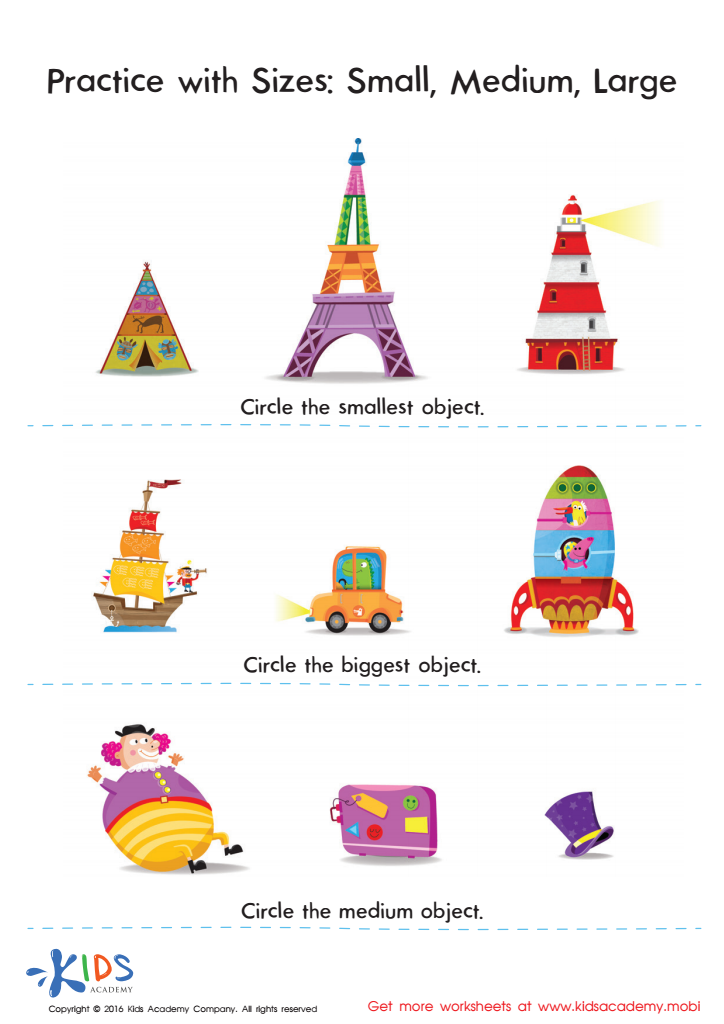
Discover engaging and educational worksheets tailored for children aged 6-9 on our comprehensive Comparative Analysis page. These carefully designed worksheets support crucial learning skills, such as critical thinking and reasoning through fun activities that foster understanding of comparative concepts. Perfect for classroom or home use, each worksheet combines colorful, kid-friendly design with challenging content to inspire and motivate young learners. Whether comparing sizes, quantities, or exploring similarities and differences, our worksheets are an excellent tool to enhance cognitive development and analytical skills in kids. Access high-quality resources that make learning a delightful and rewarding experience.
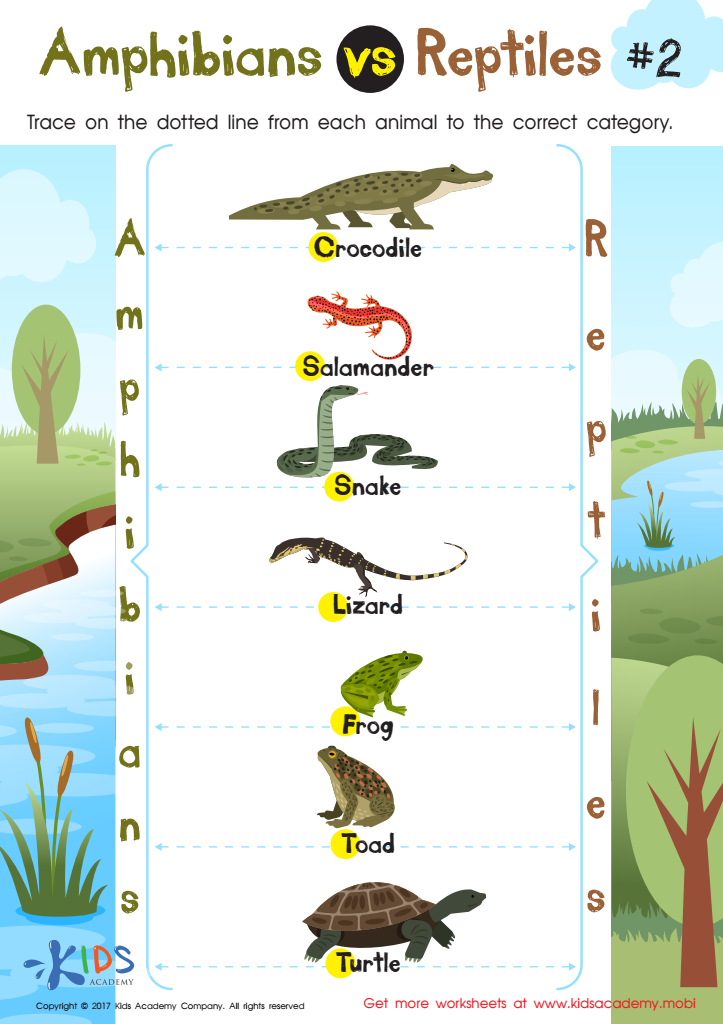
Amphibians vs Reptiles Worksheet for 3rd Grade
 Assign to My Students
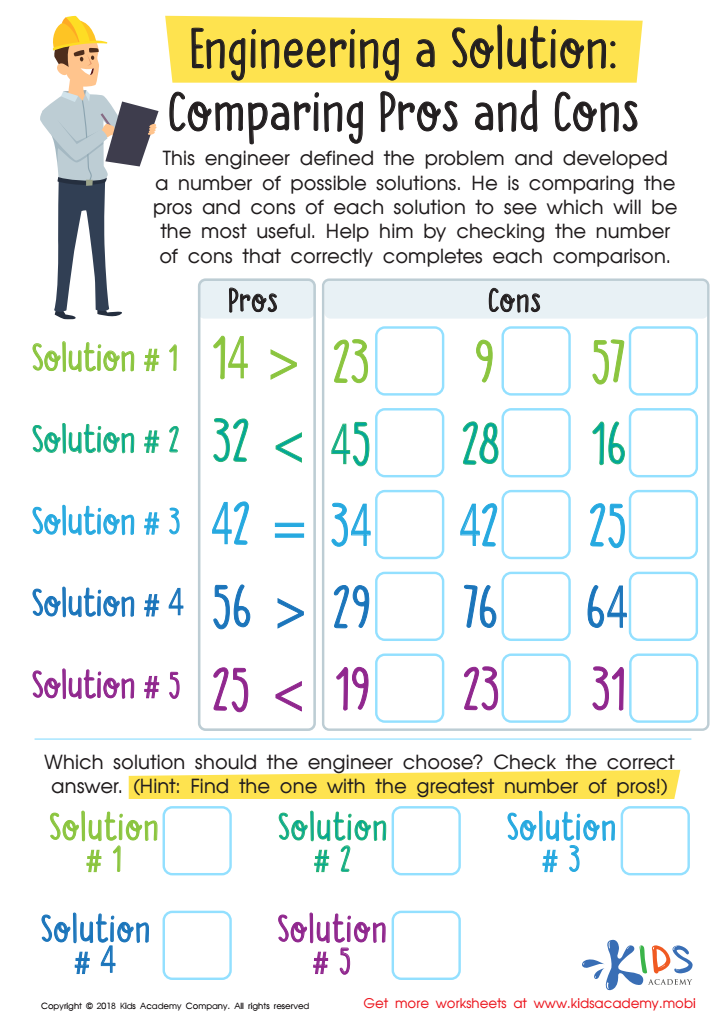
Engineering a Solution: Comparing Pros and Cons Worksheet
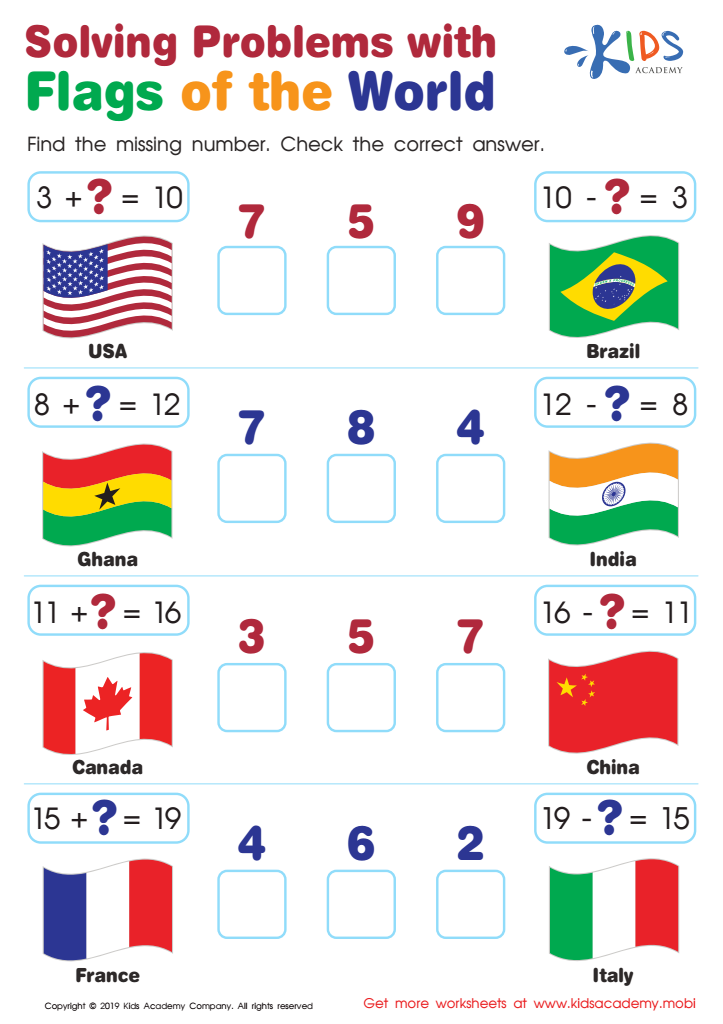
Solving Problems with Flags of the World Worksheet
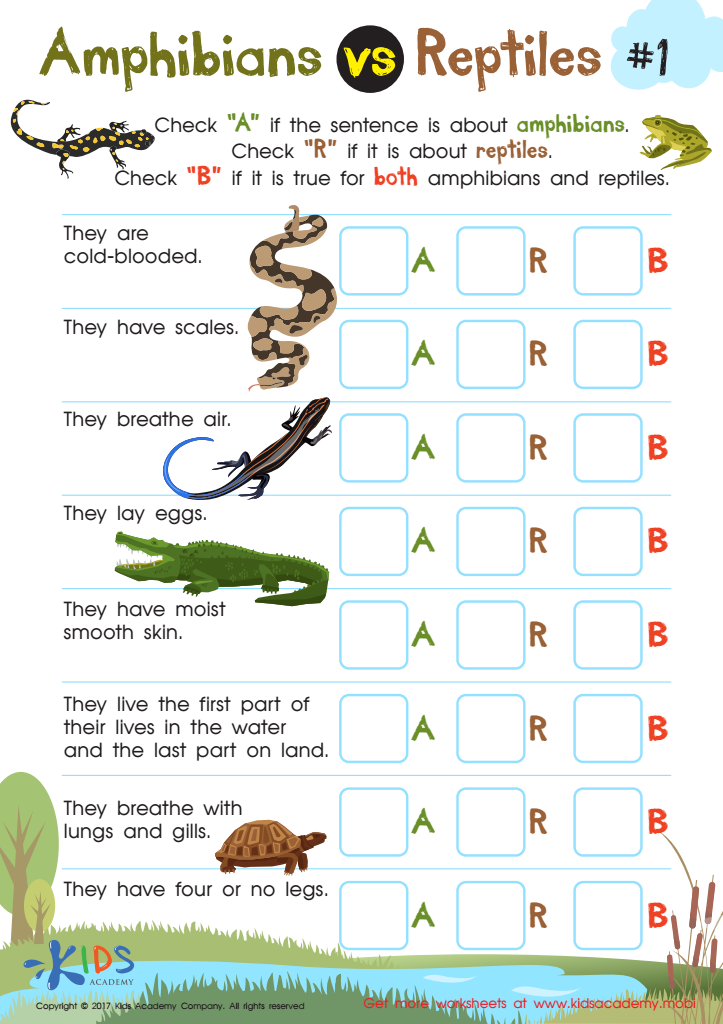
Amphibians vs Reptiles Worksheet








Comparative analysis of milestones and development stages for children aged 6-9 is crucial for both parents and teachers as it helps ensure that children are on track in their growth and learning processes. This analysis enables adults to identify any potential learning or developmental delays early, which is critical for timely intervention and support. For teachers, understanding these benchmarks allows for the creation of appropriate educational plans and tailored teaching methods that foster each child’s individual growth. It ensures that children neither feel overwhelmed by tasks that are too difficult, nor bored by tasks that are too simple.
Parents benefit from comparative analysis by gaining insights into their child's development in relation to peers, guiding them to address areas needing encouragement. It reassures parents about the natural variability in development and helps them understand that not all children will meet milestones at the same time. Additionally, having a clear understanding of normal development trends enables parents to communicate more effectively with educators about their child's progress, ensuring a collaborative approach to the child's education and well-being.
Overall, caring about comparative analysis during these formative years helps create more supportive environments at home and school, fostering holistic development and laying a strong foundation for future educational success.








