Counting practice Normal Worksheets for Ages 6-9 - Page 2
36 filtered results
-
From - To
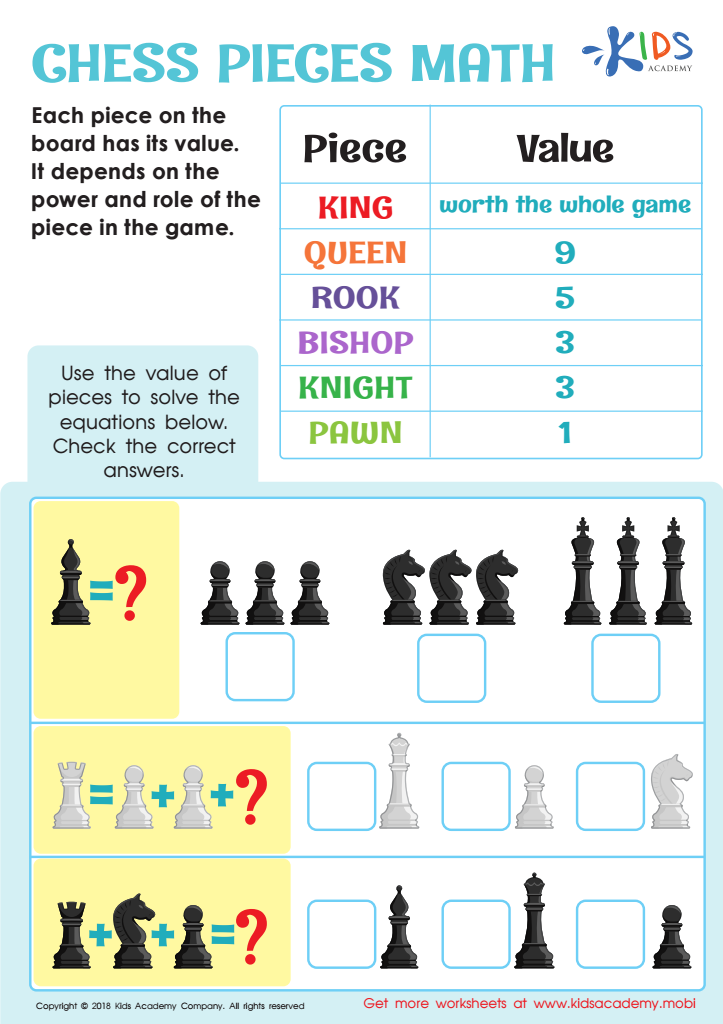
Chess Pieces Math Worksheet
 Assign to My Students
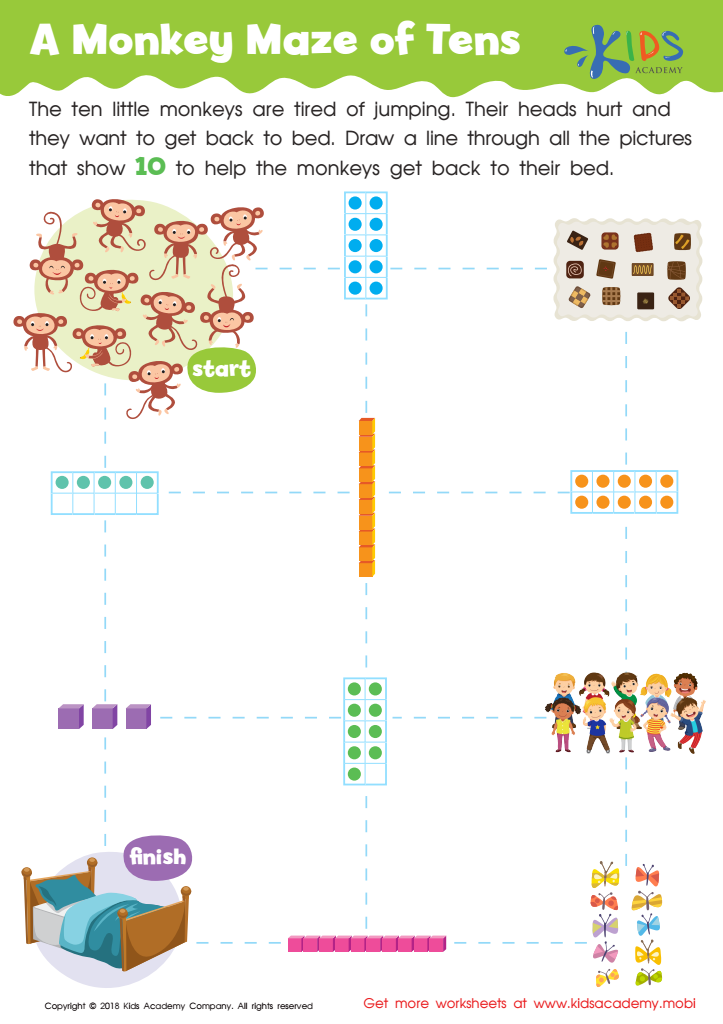
A Monkey Maze of Tens Worksheet
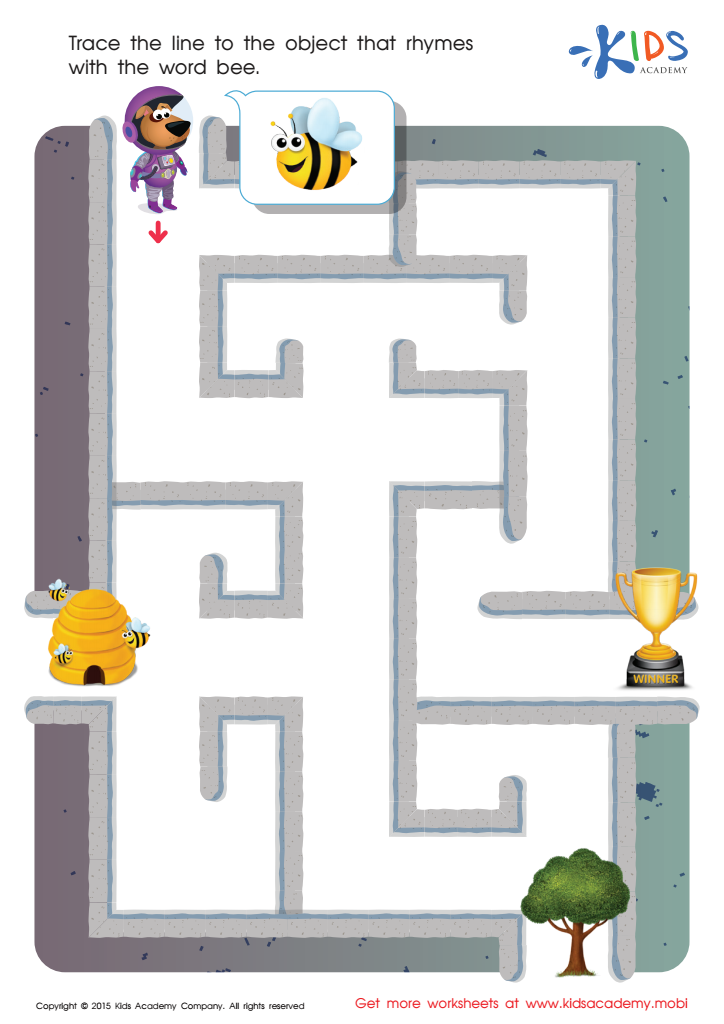
Bee Rhyming Words Worksheet
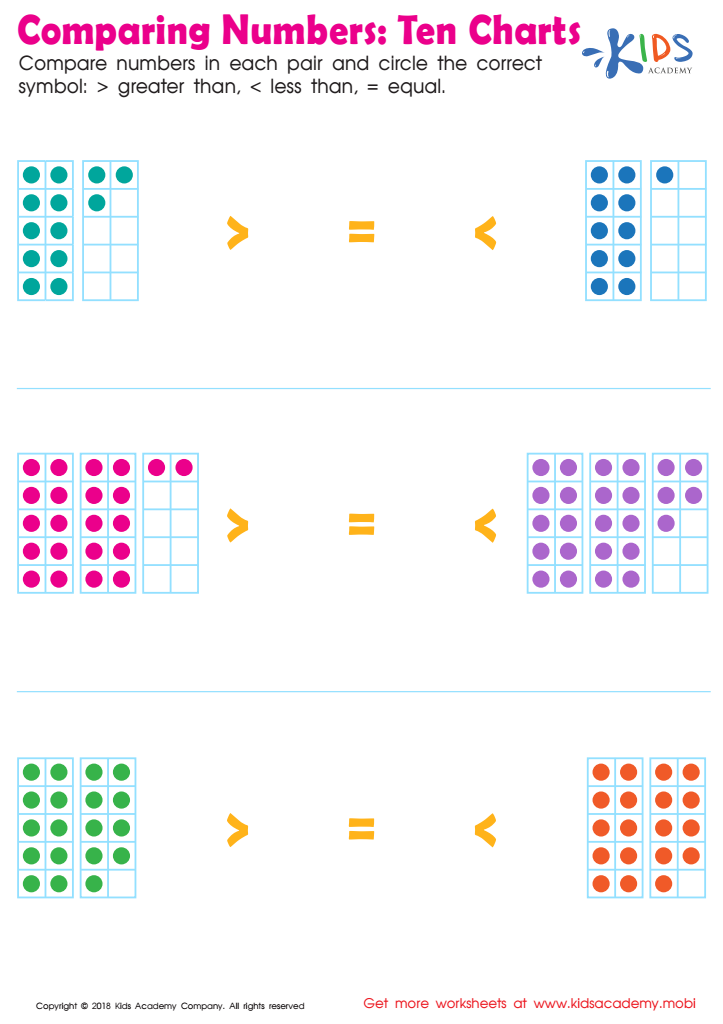
Ten Charts Worksheet
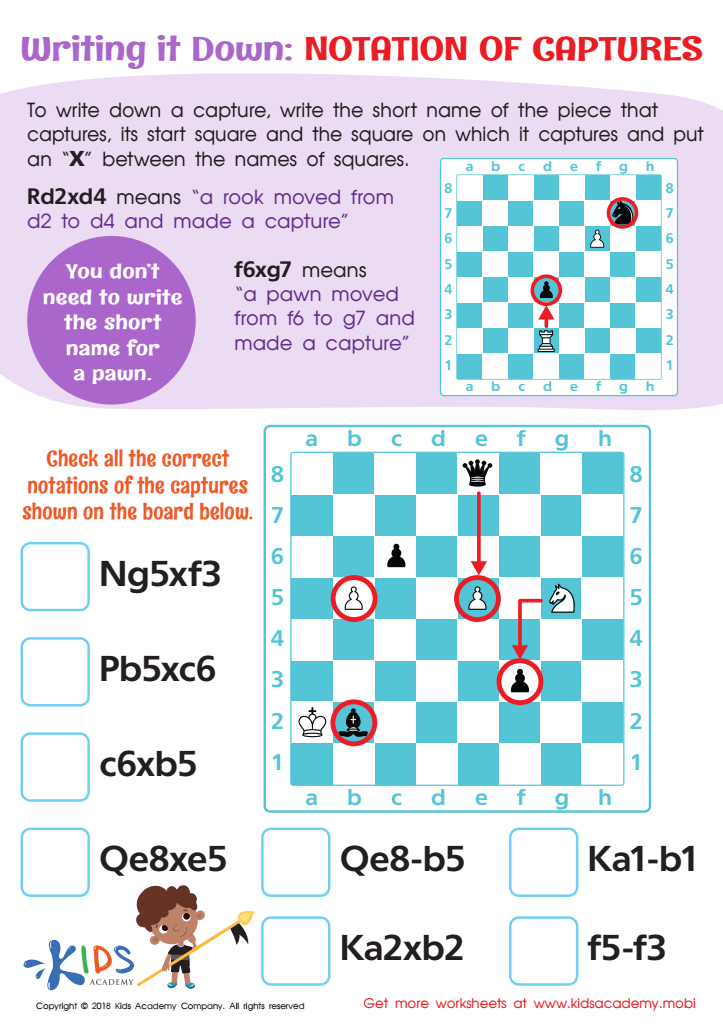
Notation of Captures Writing it Down Worksheet
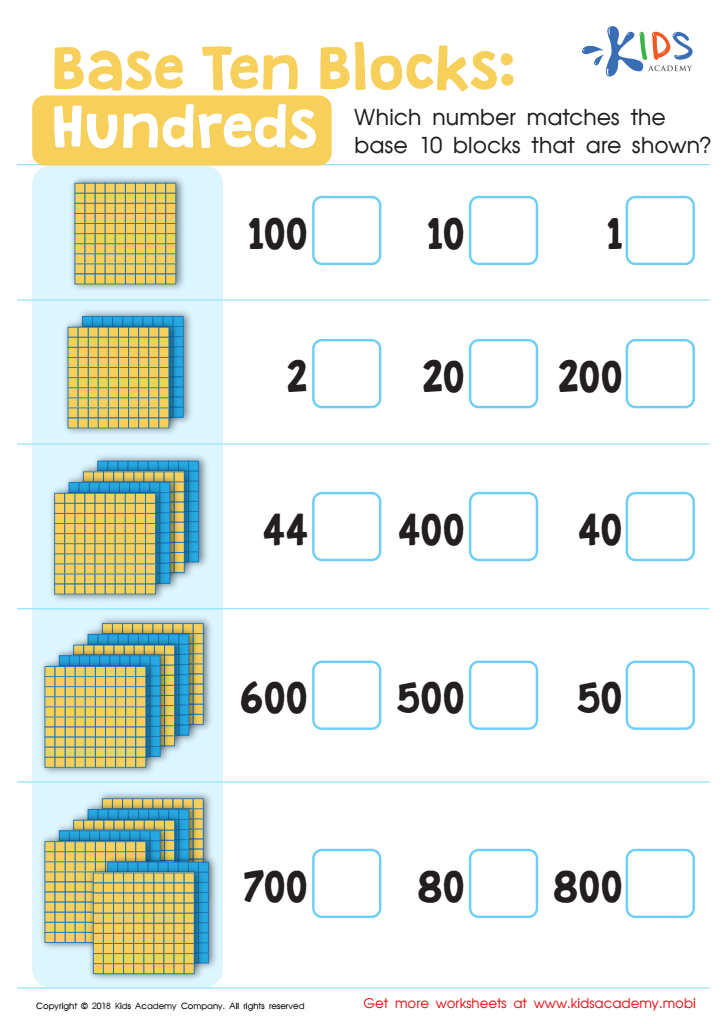
Base Ten Blocks: Hundreds Worksheet
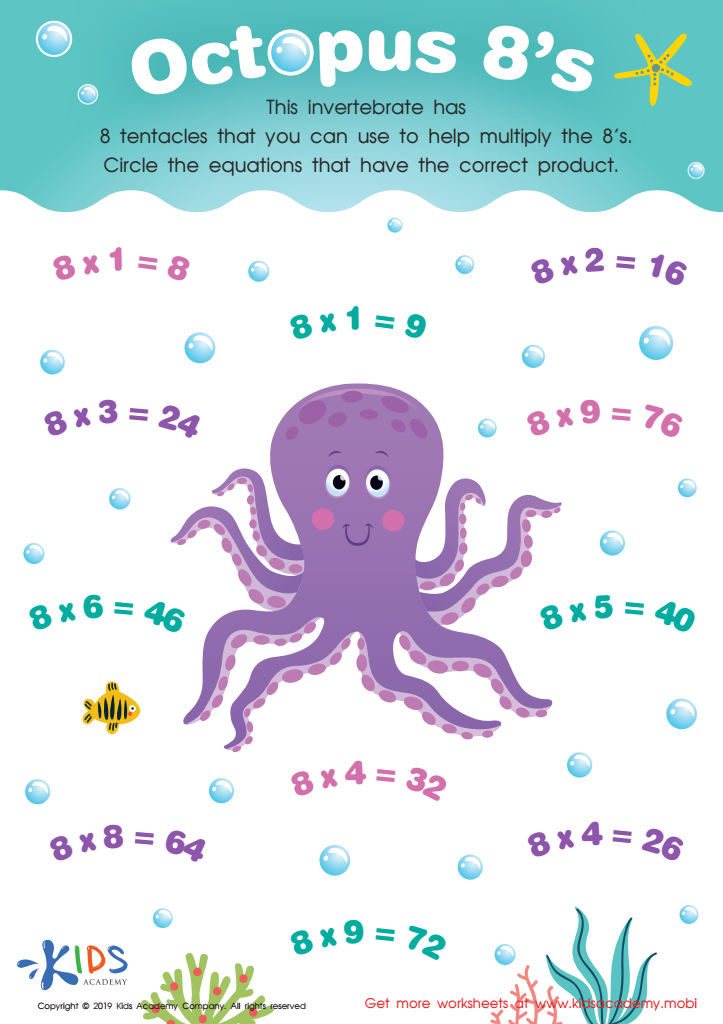
Octopus 8’s Worksheet
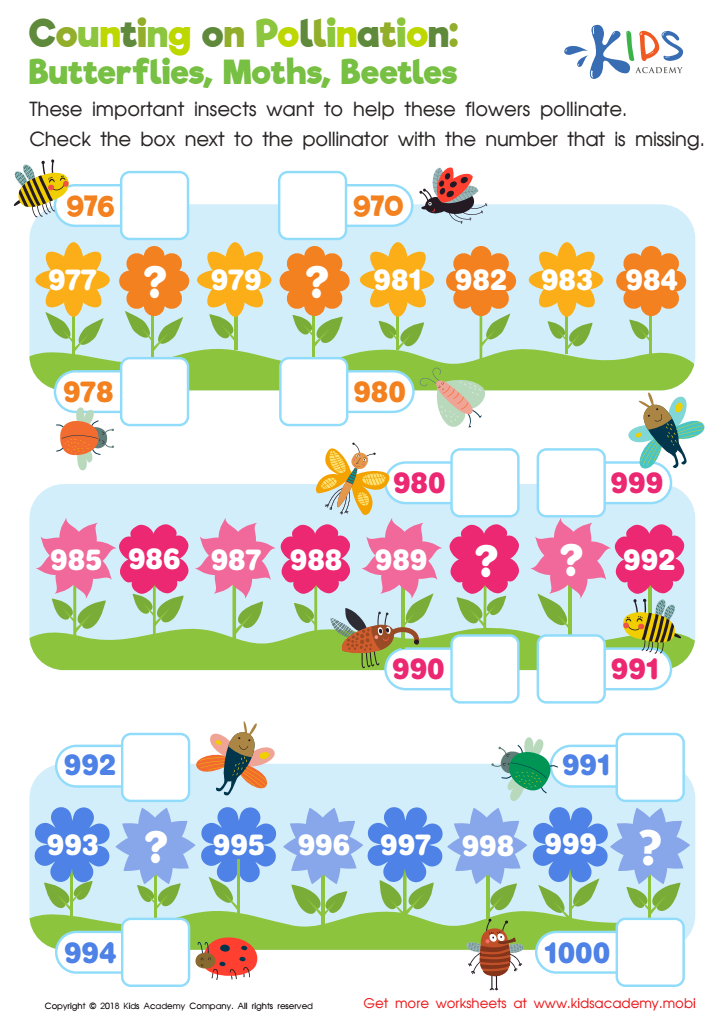
Counting on Pollination: Butterflies, Moths, Beetles Worksheet
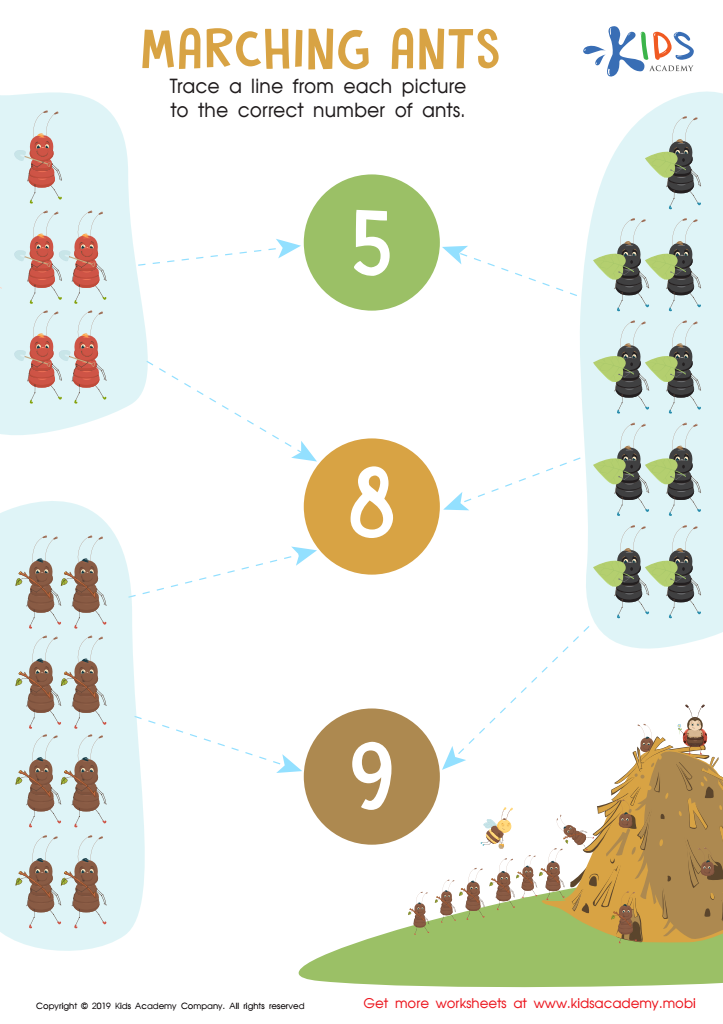
Marching Ants Worksheet
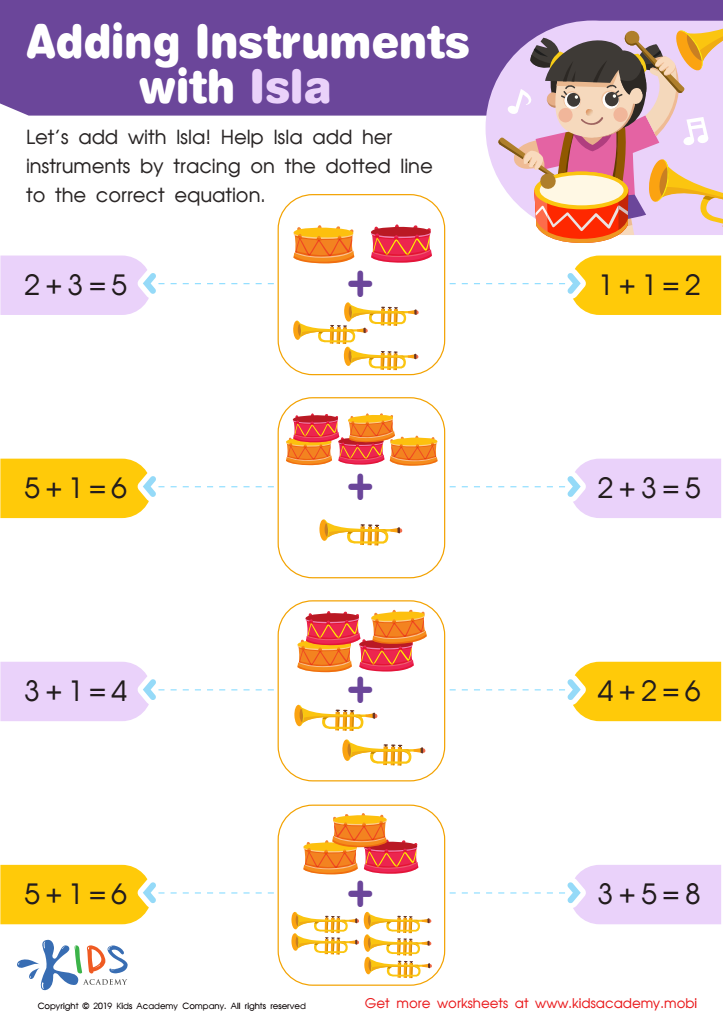
Adding Instruments with Isla Worksheet
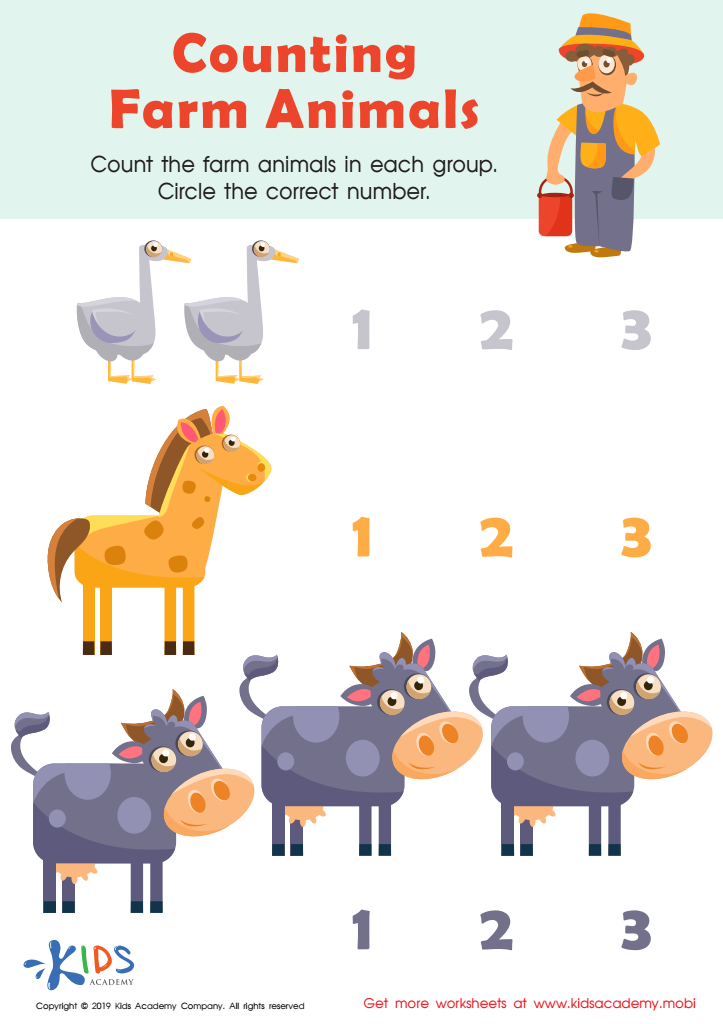
Counting Farm Animals Worksheet
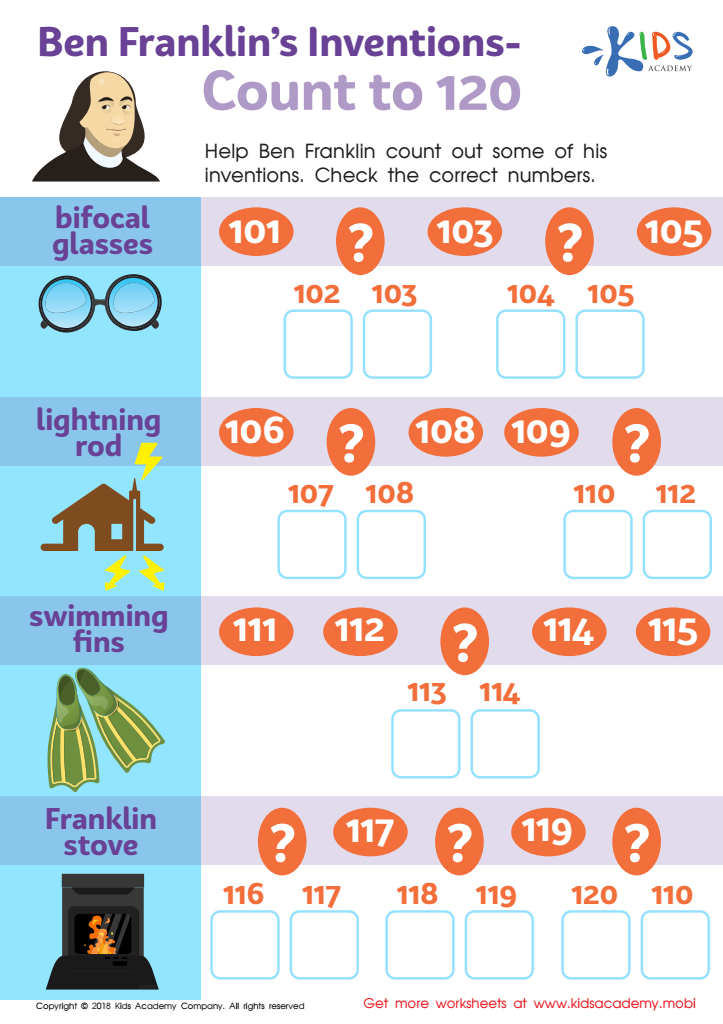
Ben Franklin’s Inventions – Count to 120 Worksheet







Counting practice is essential for children aged 6-9, as it lays the foundation for their mathematical understanding and cognitive development. During these formative years, children are transitioning from basic number recognition to more complex concepts like addition, subtraction, and even simple multiplication or division. Engaging in regular counting practice helps solidify their understanding of numbers and enhances their problem-solving skills.
Parents and teachers should prioritize counting practice because it fosters curiosity and confidence in young learners. Consistent exposure to counting enables children to connect numbers to tangible objects, facilitating better comprehension of quantity and measurement. Furthermore, counting games and activities can improve children's focus, coordination, and critical thinking abilities.
Incorporating counting in everyday activities, such as counting fruits during snack time or tallying steps at the park, makes it enjoyable and practical. This approach promotes a positive attitude towards mathematics, demystifying numbers and mitigating future math anxiety. Overall, effective counting practice not only enhances students' academic performance but also nurtures essential life skills such as organization and perseverance. Advocating for and participating in these practices empowers both parents and teachers to cultivate a rich mathematical environment for their children.








