Critical Thinking Normal Worksheets for Ages 6-9 - Page 4
88 filtered results
-
From - To
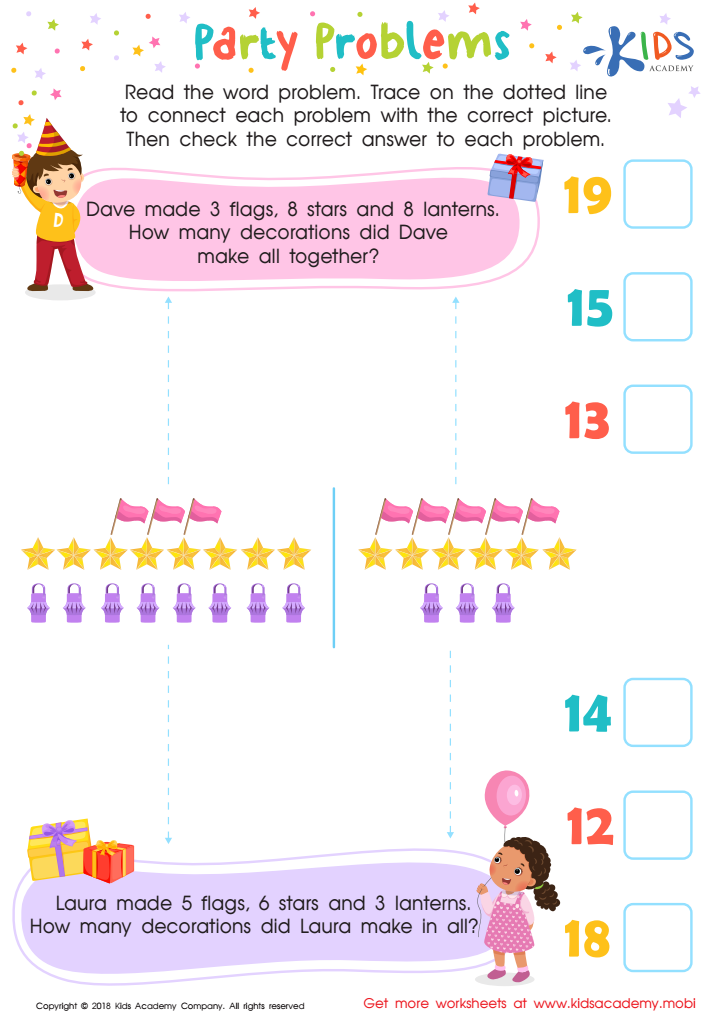
Party Problems Worksheet
 Assign to My Students
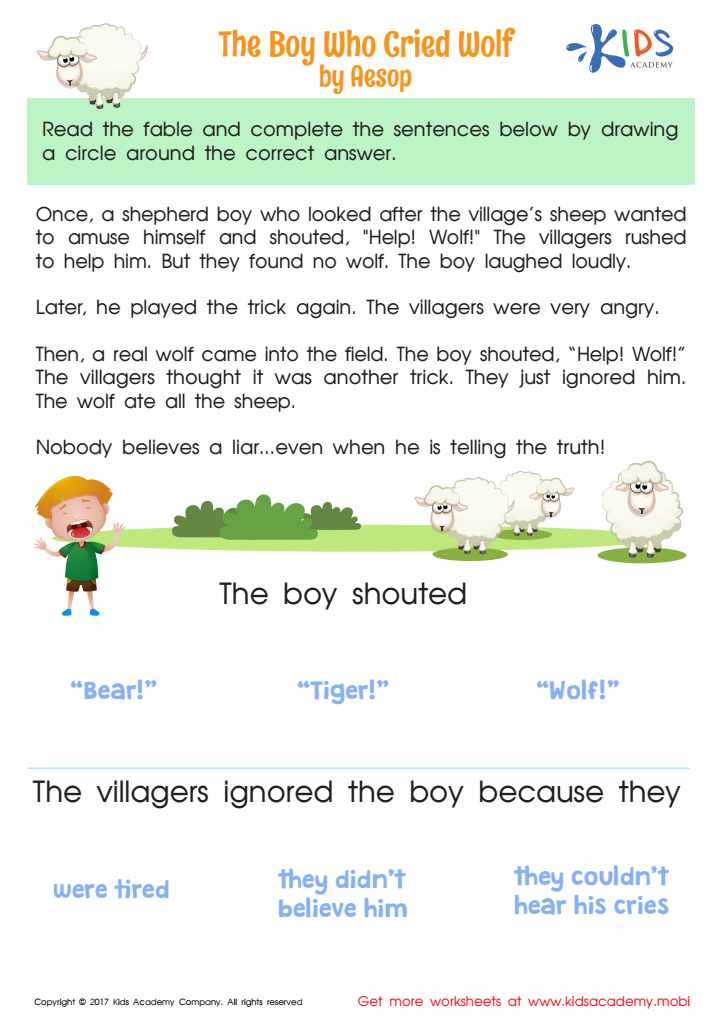
The Boy Who Cried Wolf Worksheet

Assessment: First Thanksgiving Worksheet
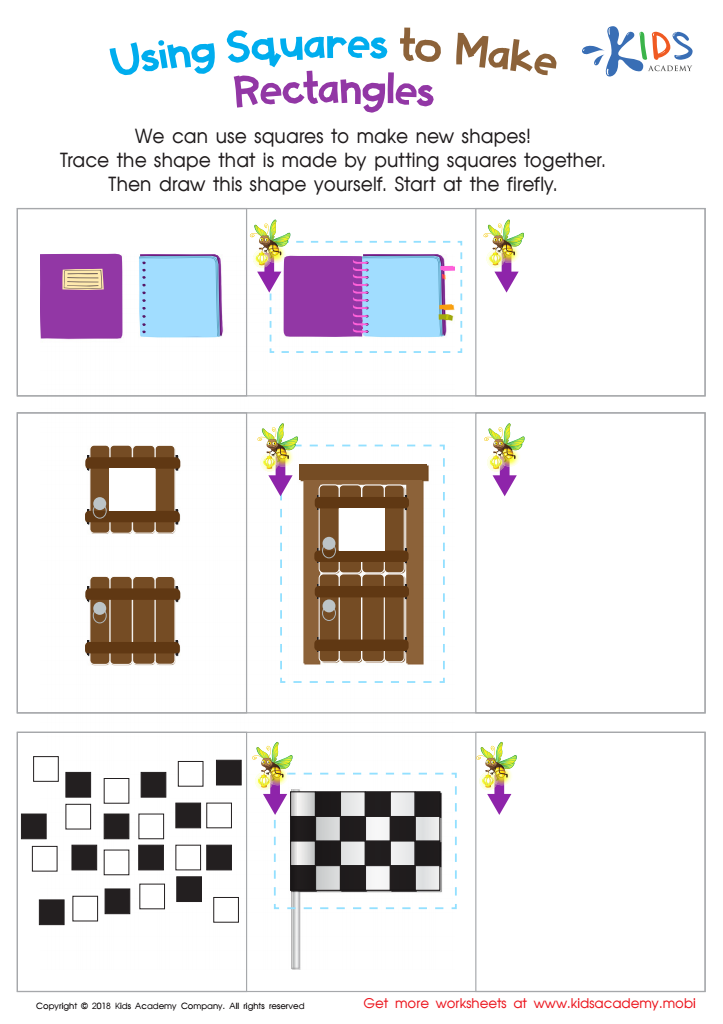
Using Squares to Make Rectangles Worksheet
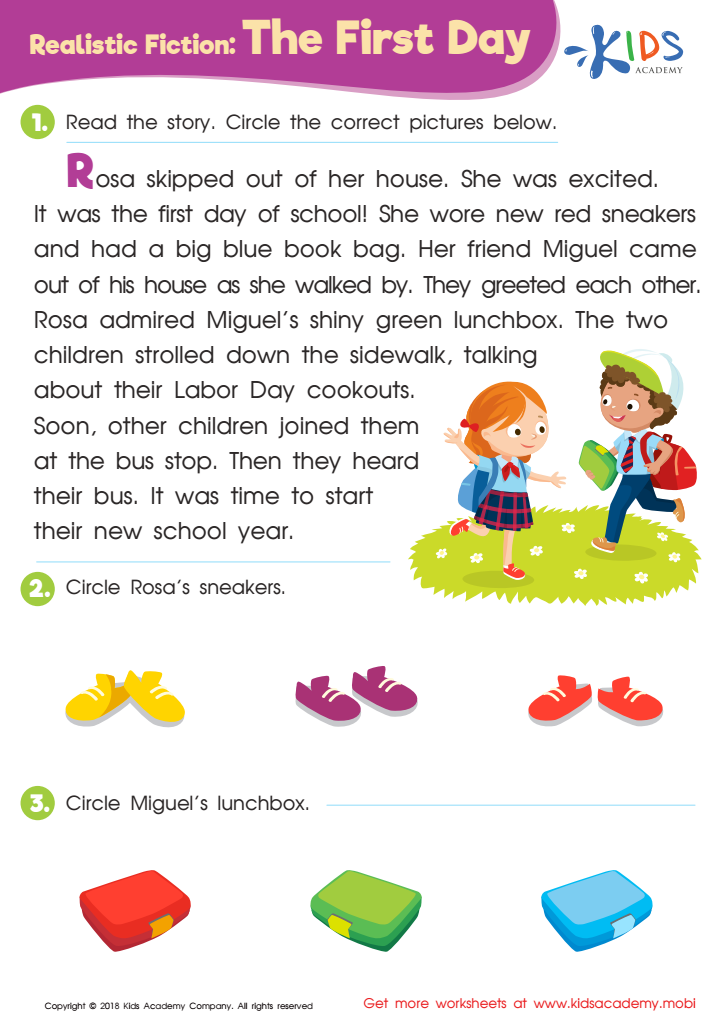
Realistic Fiction: The First Day Worksheet

Washington D.C. Printable Worksheet
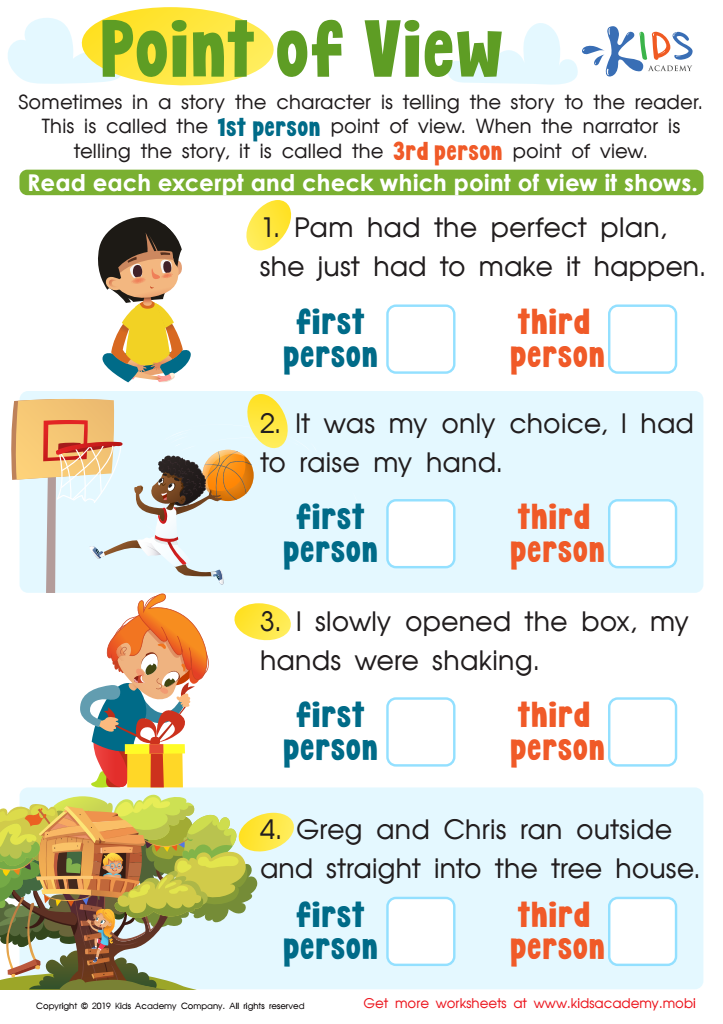
Point of View Printable
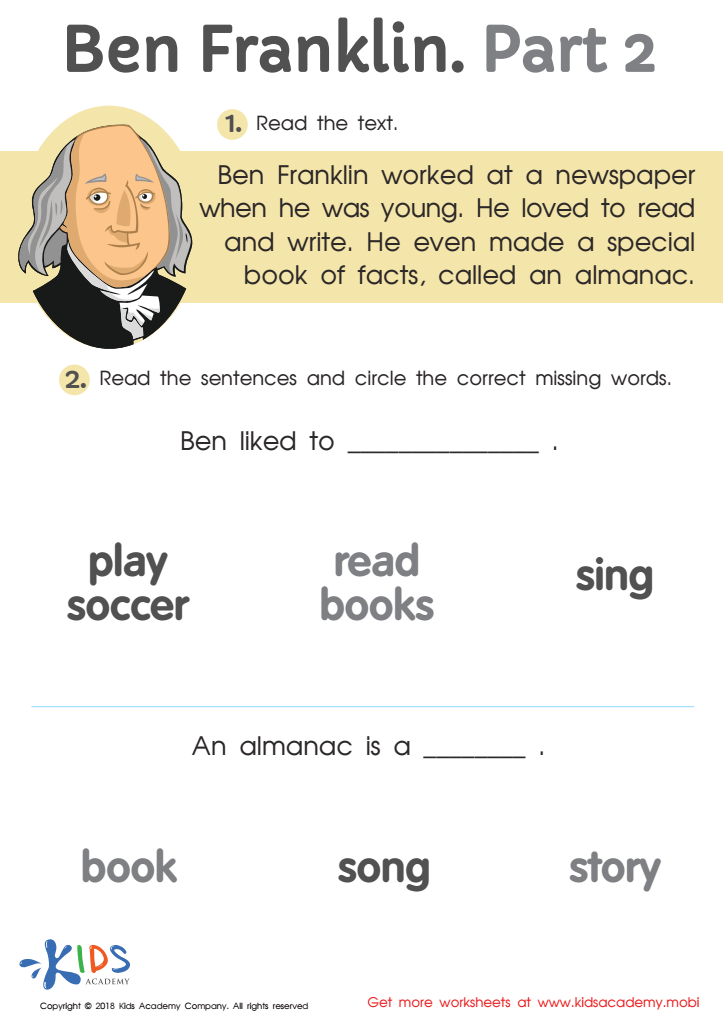
Ben Franklin Part 2 Worksheet
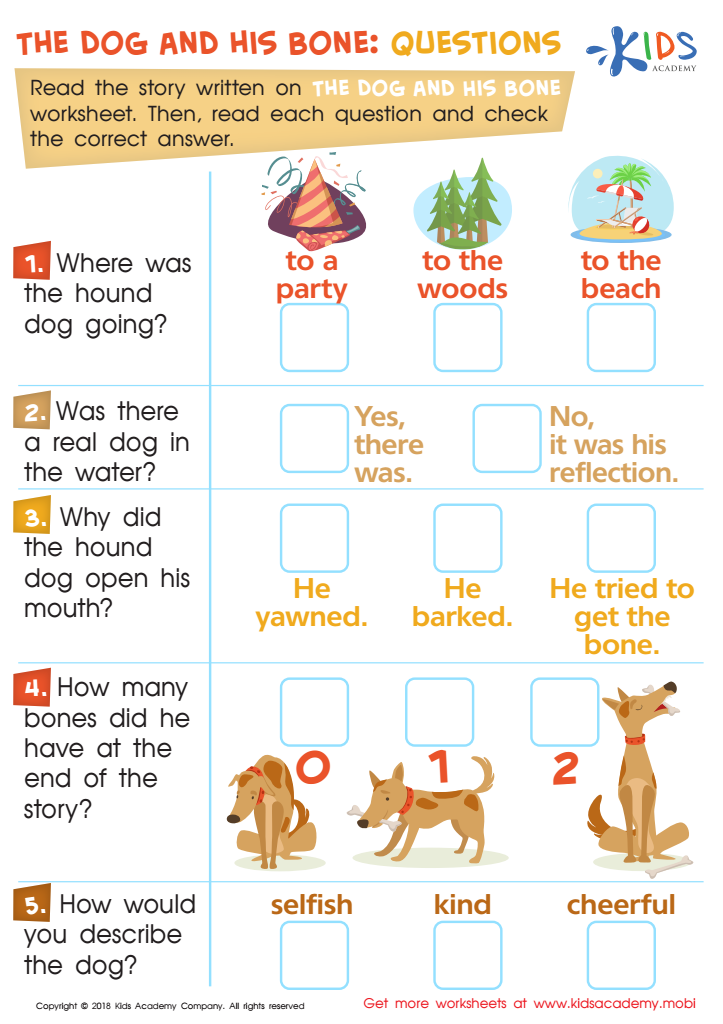
The Dog and His Bone: Questions Worksheet
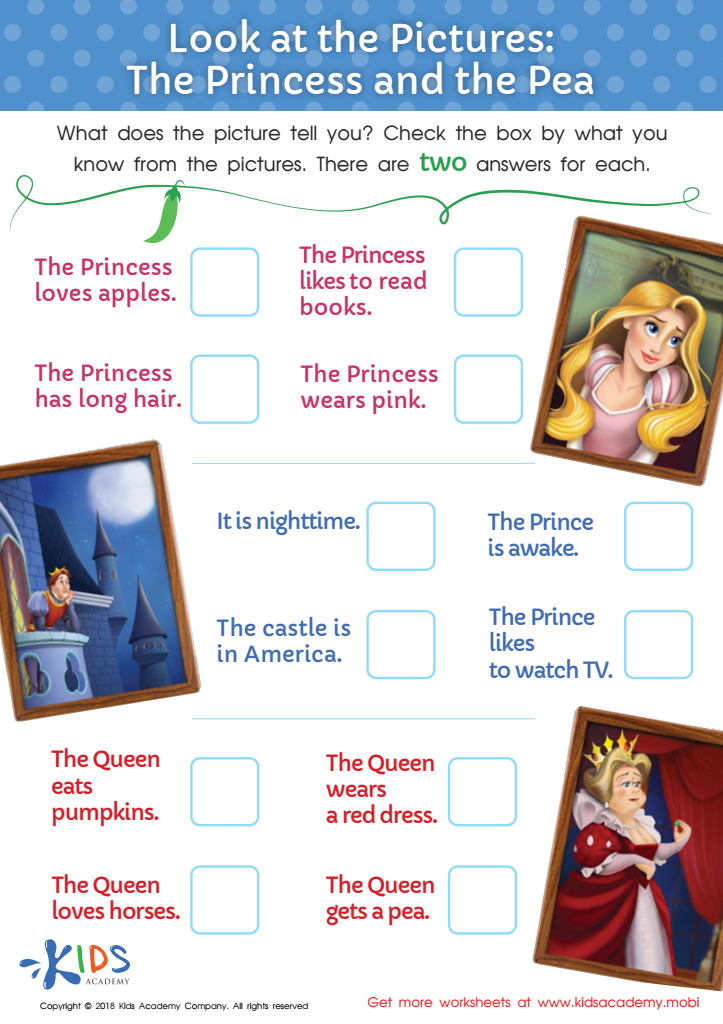
Look at the Pictures: The Princess and the Pea Worksheet
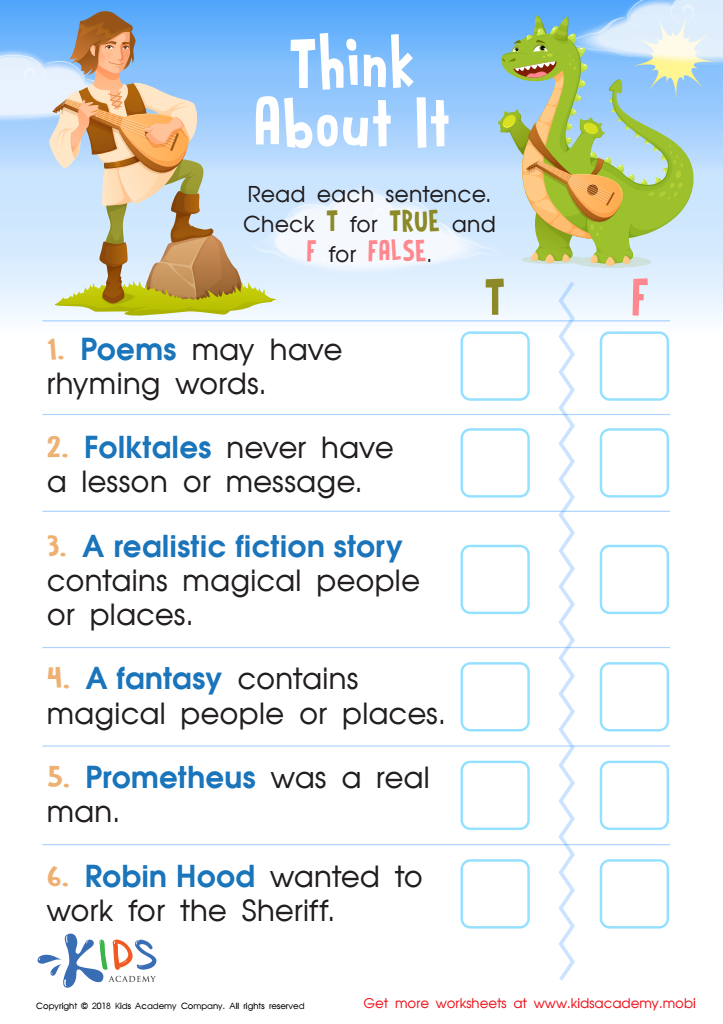
Think About It: Assessment Worksheet
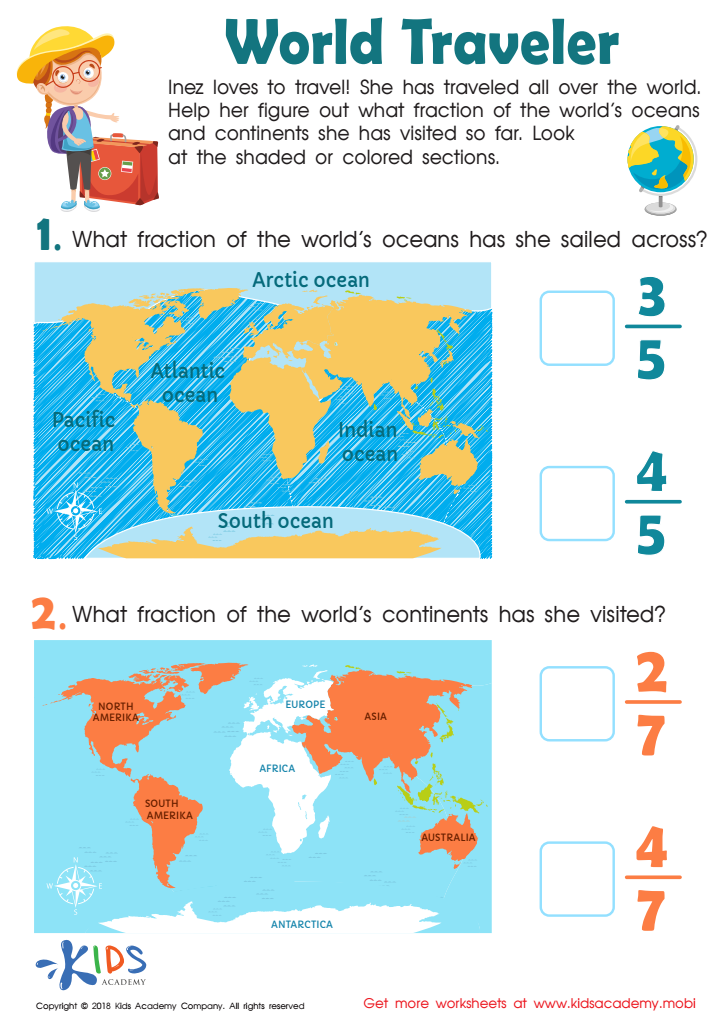
World Traveler Worksheet
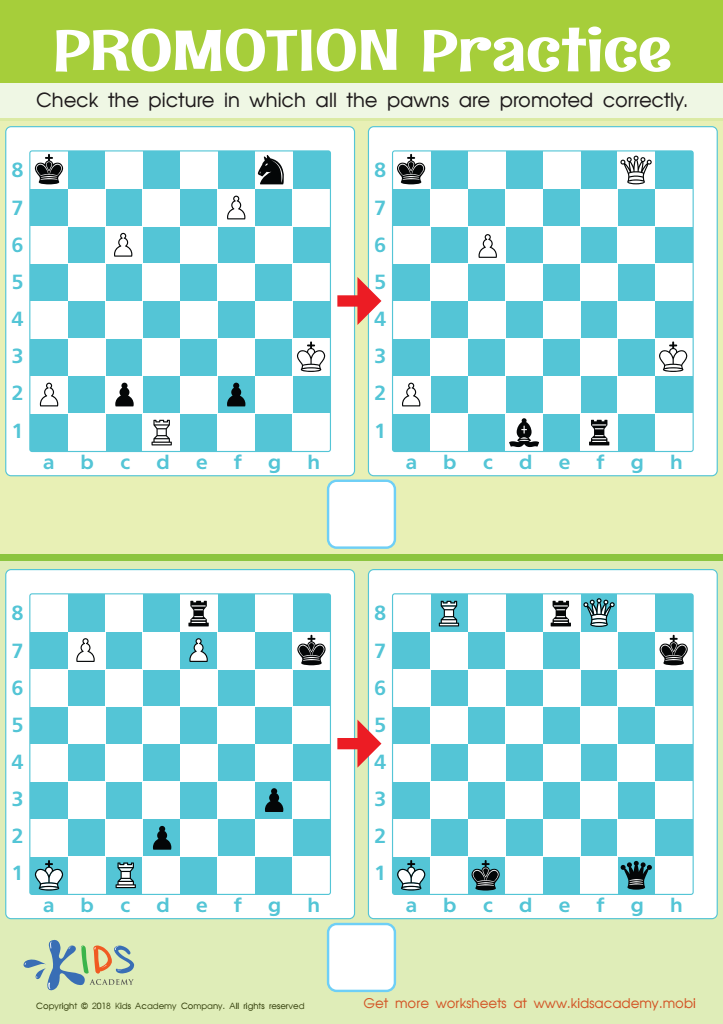
Promotion Practice Worksheet
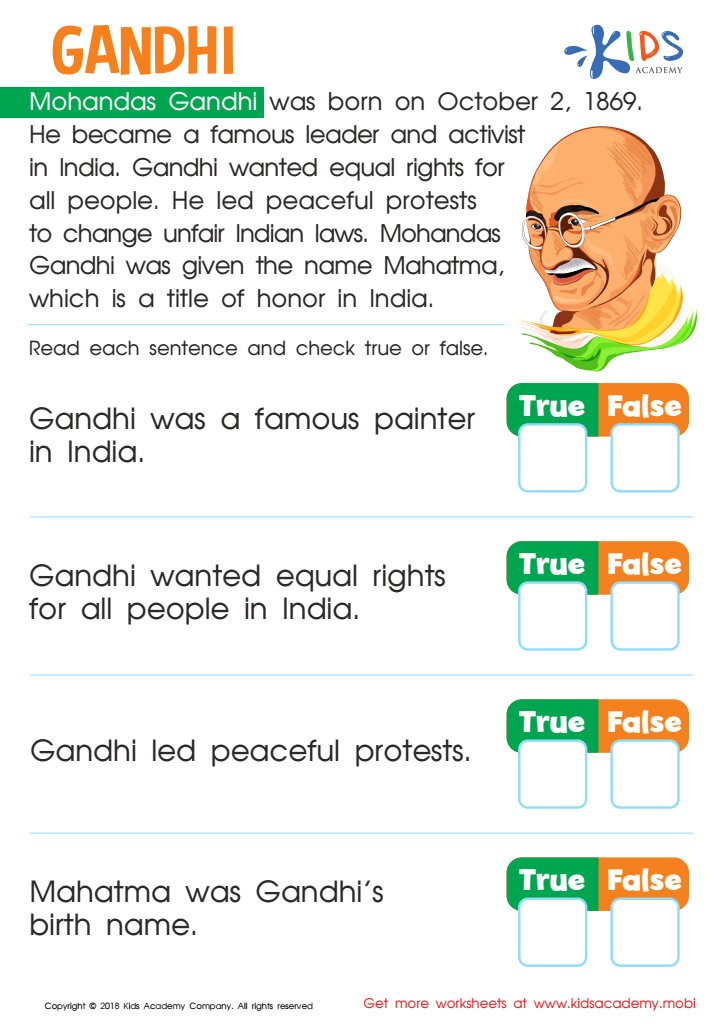
Gandhi Worksheet
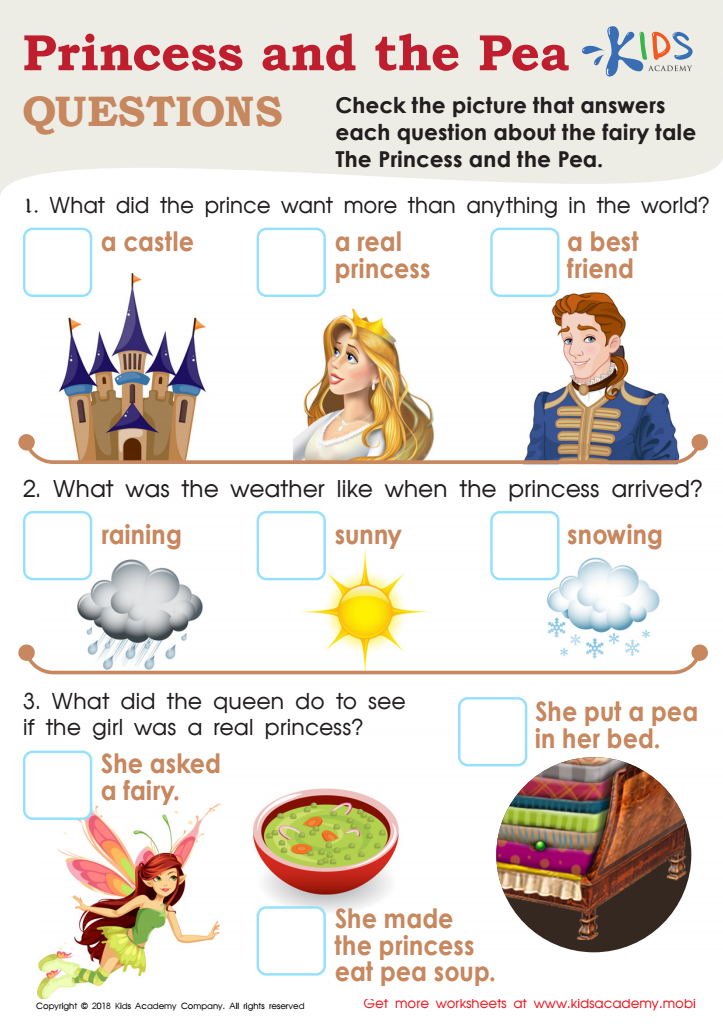
Princess and the Pea Questions Worksheet
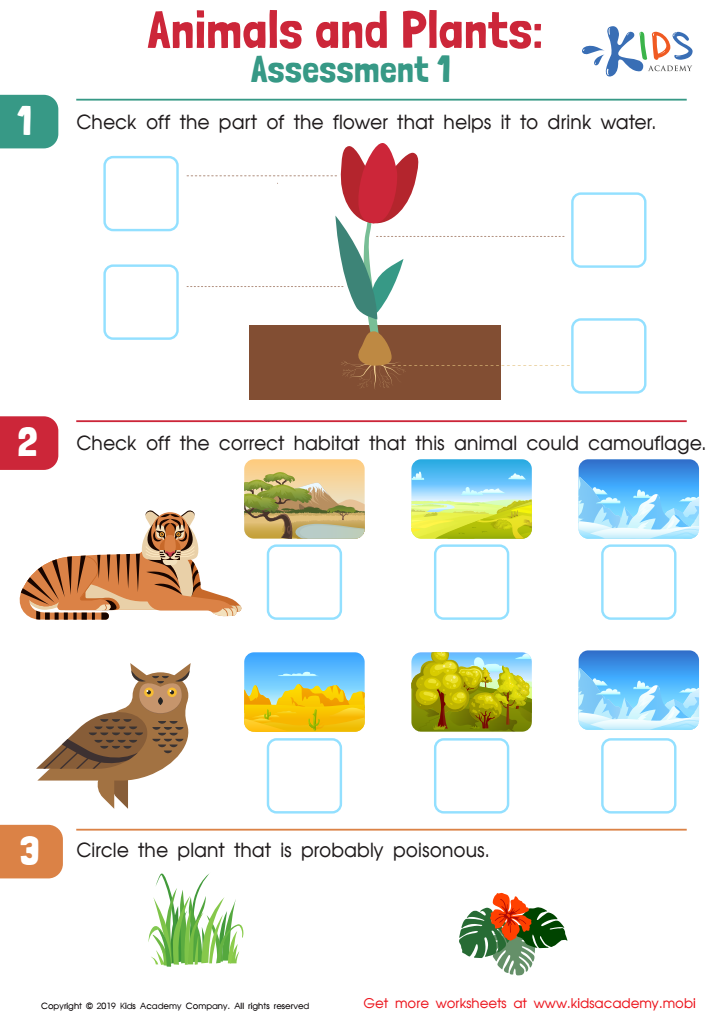
Animals and Plants: Assessment 1 Worksheet







Critical thinking skills are essential for children aged 6-9 as they lay the foundation for lifelong learning and problem-solving abilities. During these formative years, children are developing the ability to analyze information, ask questions, and make reasoned judgments. Encouraging critical thinking fosters creativity, allowing kids to approach problems from different angles and come up with original solutions.
Parents and teachers should care because nurturing these skills helps children navigate the complexities of the modern world. Critical thinking enhances academic performance; students who think critically are better at understanding concepts, evaluating sources of information, and applying knowledge effectively. This enjoyment of inquiry can also boost confidence, as children feel empowered to express their ideas and opinions.
Additionally, teaching critical thinking helps combat misinformation, a growing concern in a digital age filled with vast amounts of information. By developing these skills, children become discerning consumers of information, enabling them to differentiate between credible sources and biased claims. Ultimately, encouraging critical thinking fosters independent thinkers who can tackle challenges creatively and competently, preparing them for the demands of future education and the workforce. Thus, investing in critical thinking is a vital step towards holistic development, ensuring children thrive in all aspects of life.








