Developing research skills Normal Worksheets for Ages 6-9
5 filtered results
-
From - To
Nurture your child's inquisitive mind with our "Developing Research Skills Normal Worksheets for Ages 6-9". These thoughtfully designed resources aim to spark curiosity and enhance learning in young children by teaching them essential research skills. Each worksheet focuses on developing the ability to ask questions, gather information, and analyze findings in a fun and engaging manner. Perfect for early learners, these worksheets provide age-appropriate activities that develop critical thinking, reading comprehension, and data collection skills. Encourage your child's journey of discovery and equip them with valuable tools for academic success. Let's make research an exciting adventure!
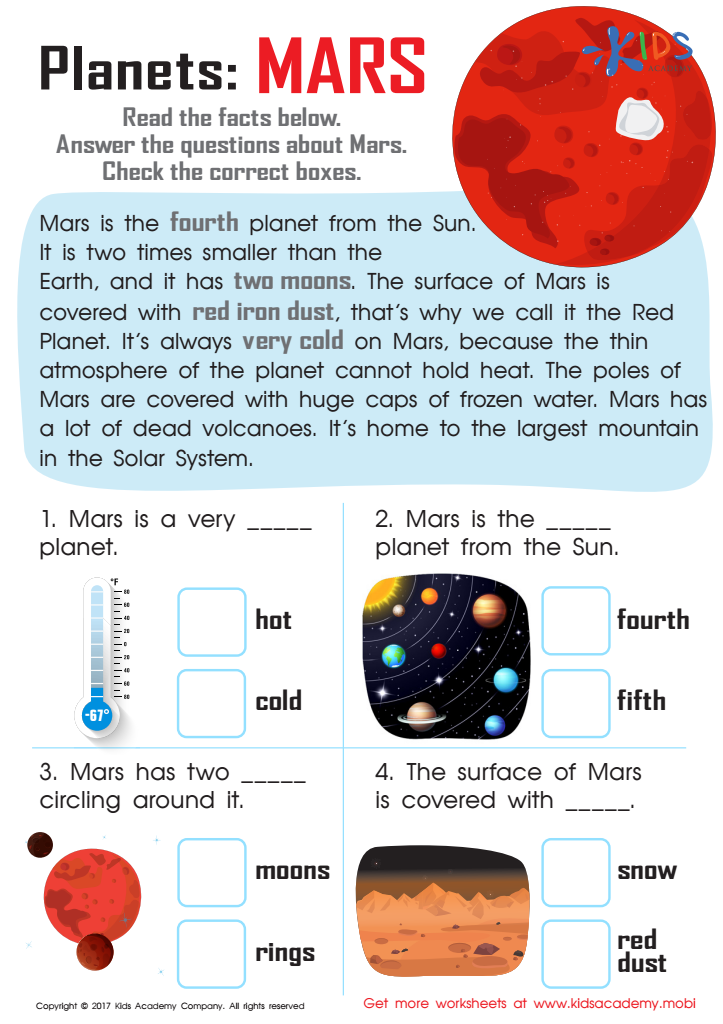
Mars Fact Printable Worksheet
 Assign to My Students
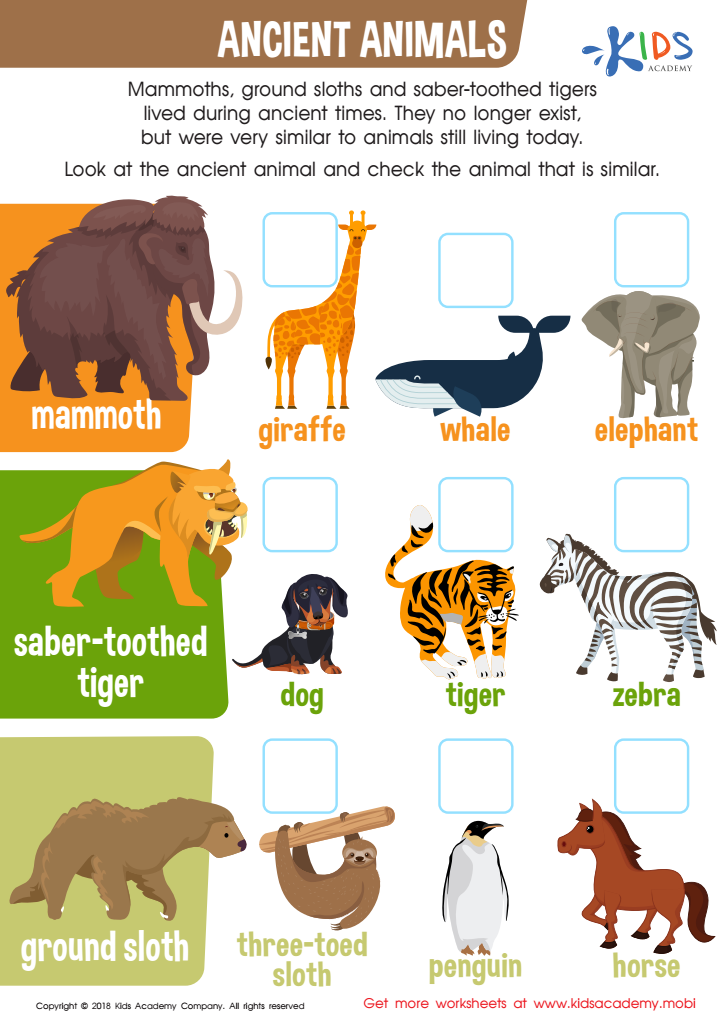
Ancient Animals Worksheet
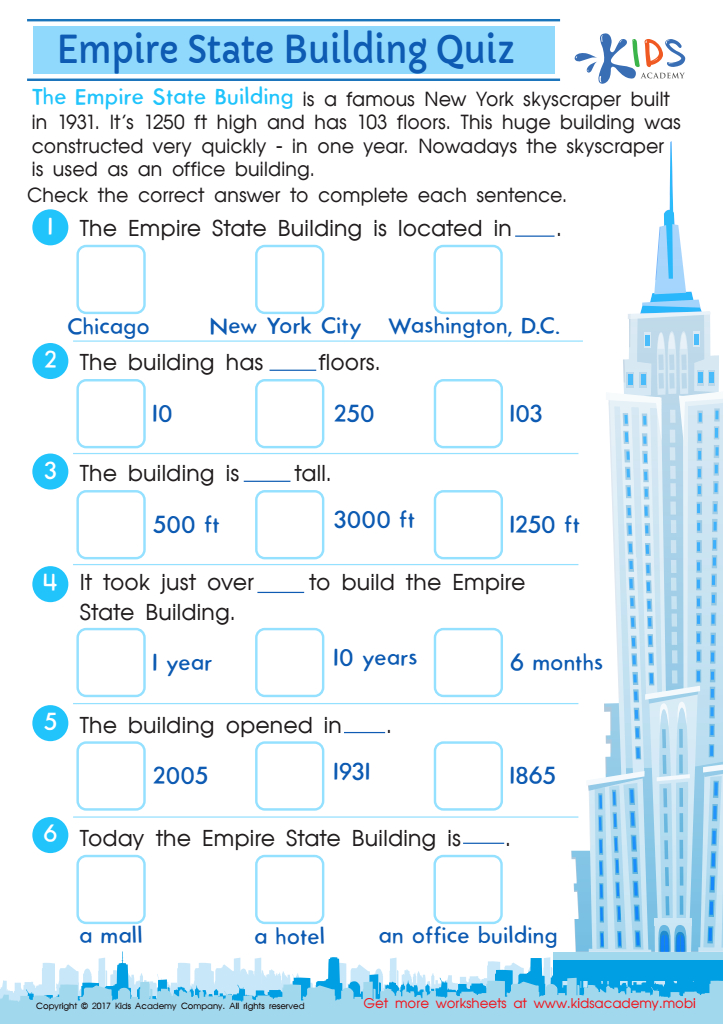
Empire State Building Printable Worksheet
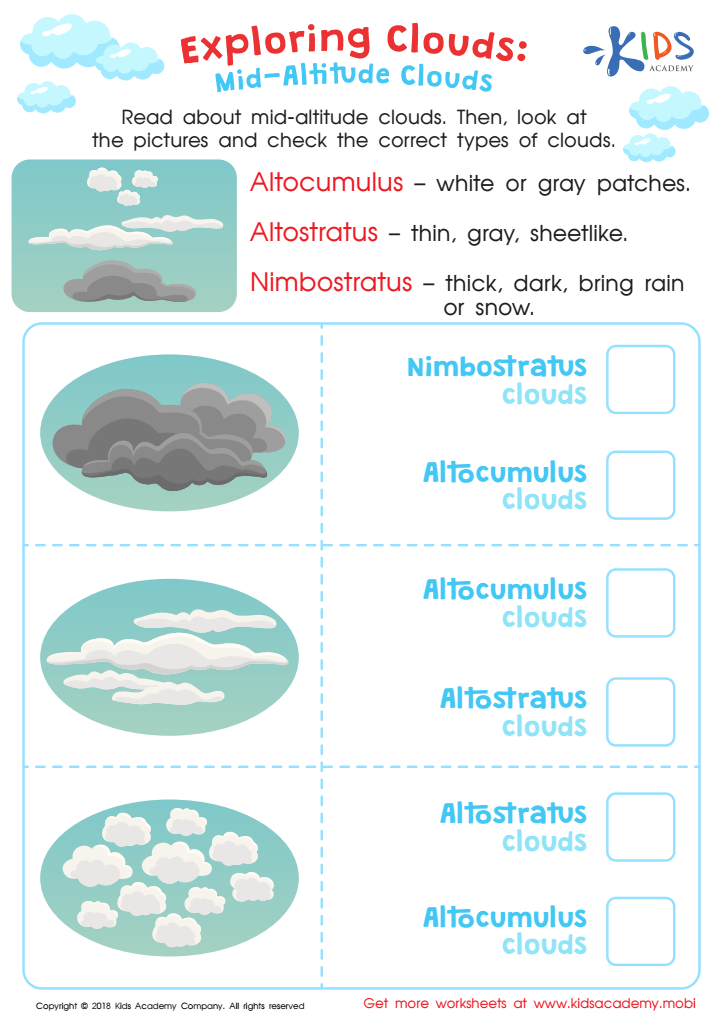
Exploring Clouds: Mid-altitude Clouds Worksheet

Cassini Printable Worksheet








Developing research skills in children aged 6-9 is crucial for fostering lifelong learning and curiosity. At this formative stage, young minds are naturally curious and eager to discover new information about the world around them. By nurturing early research skills, parents and teachers can create a foundation for critical thinking and problem-solving abilities that will benefit children throughout their education and beyond.
Research skills encourage children to ask questions, seek out answers, and develop a methodical approach to gathering and evaluating information. This process enhances their ability to understand and process new concepts, which supports literacy and numeracy development. Additionally, it instills a sense of independence and confidence, as children learn to rely on their abilities to find and understand information.
Moreover, effective research skills can help children build a habit of lifelong learning. In a world where information is constantly evolving, having the ability to critically assess and use new information is invaluable. By fostering these skills early on, parents and teachers can prepare children to become adaptable and informed individuals capable of navigating an ever-changing landscape.
In summary, investing in the development of research skills in early childhood not only supports academic success but also promotes inquisitiveness, critical thinking, and lifelong learning, equipping children with essential tools for their future.








