Identification skills Normal Worksheets for Ages 6-9
7 filtered results
-
From - To
Our Identification Skills Normal Worksheets are designed for children ages 6-9 to enhance their learning through engaging activities. These worksheets focus on developing the ability to recognize and categorize objects, letters, numbers, and shapes. By improving visual discrimination and cognitive skills, kids can sharpen their attention to detail and problem-solving capabilities. Ideal for both classroom and home use, our worksheets provide a fun and educational way to support your child's growth and learning. Explore our varied assortment to help your child gain confidence and proficiency in essential identification skills.
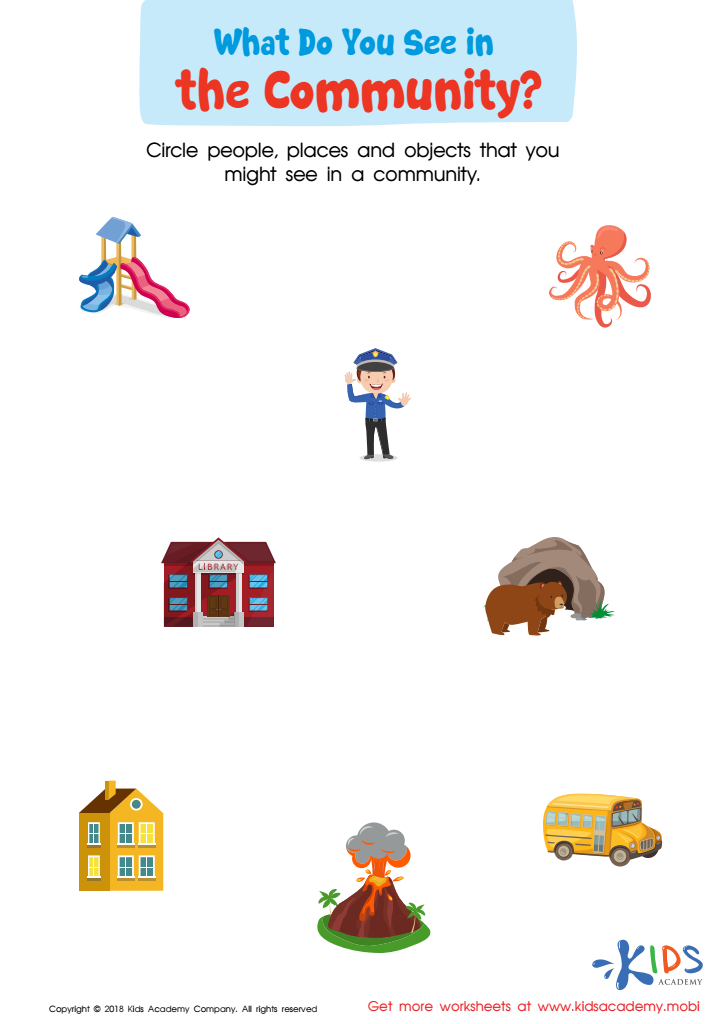
What Do You See in the Community Worksheet
 Assign to My Students
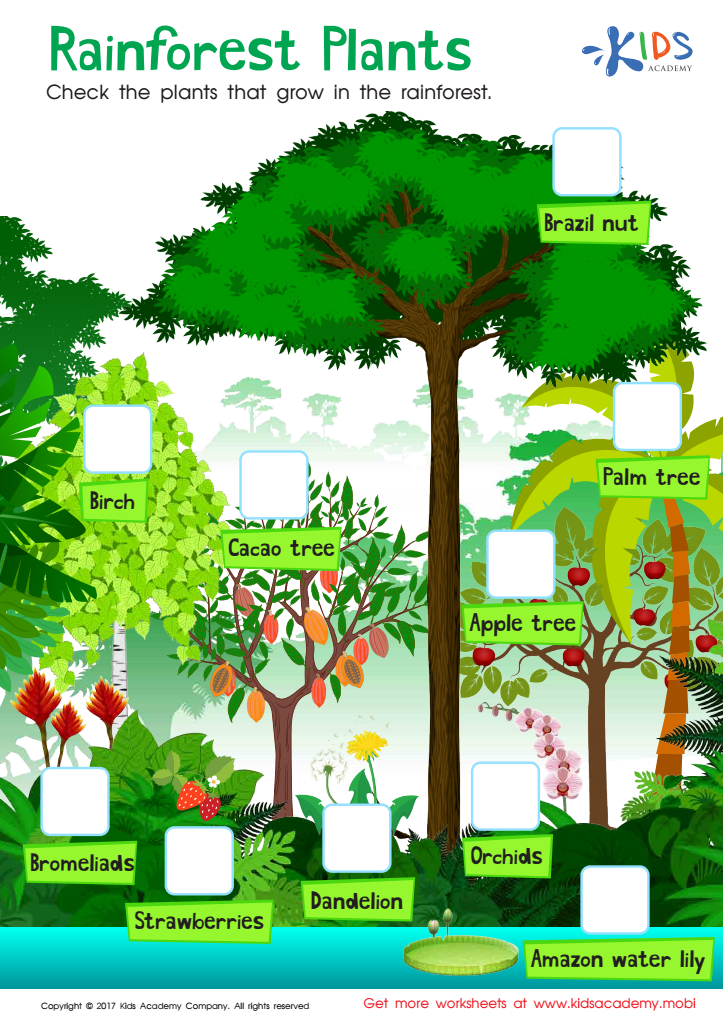
Rainforest Plants Worksheet

Traditional Clothing in Scotland Worksheet
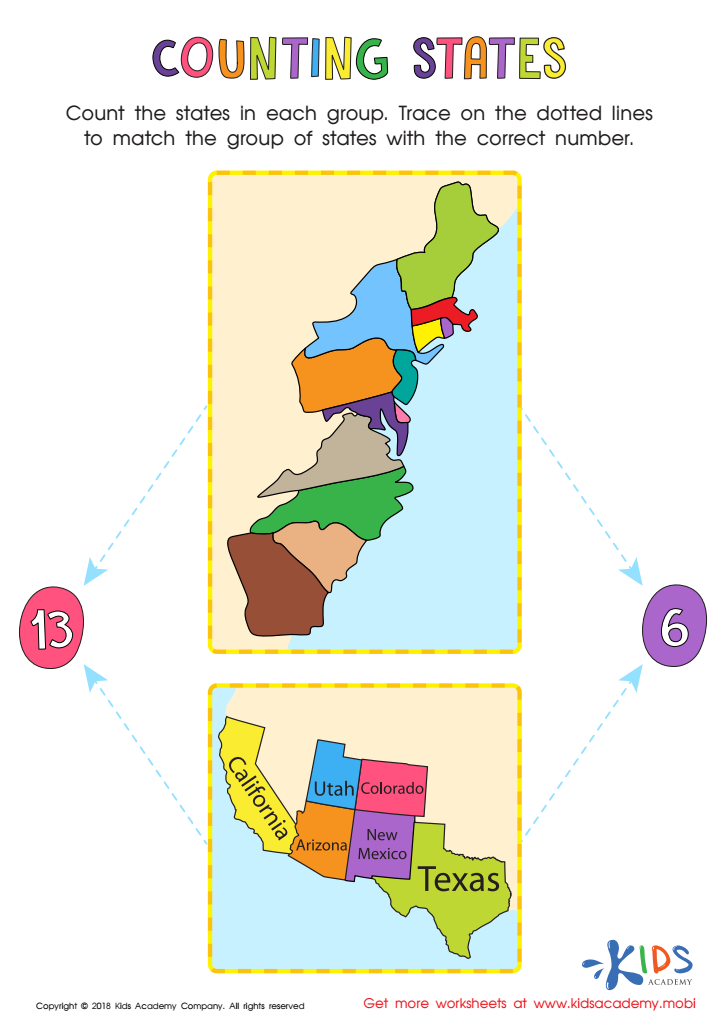
Counting States Worksheet
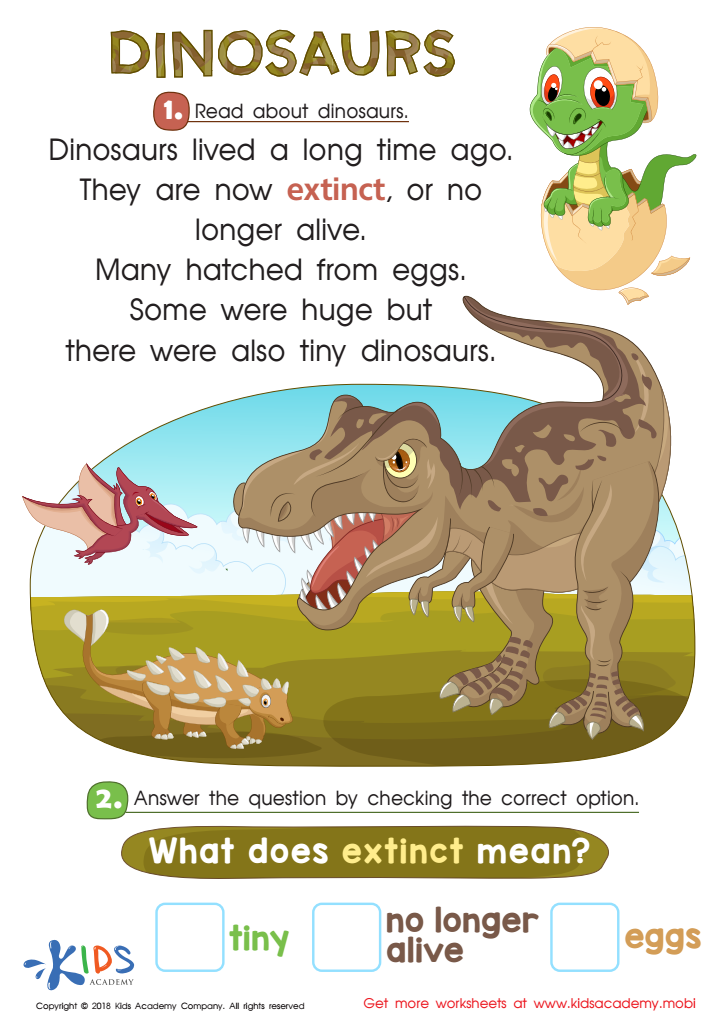
Dinosaurs Worksheet
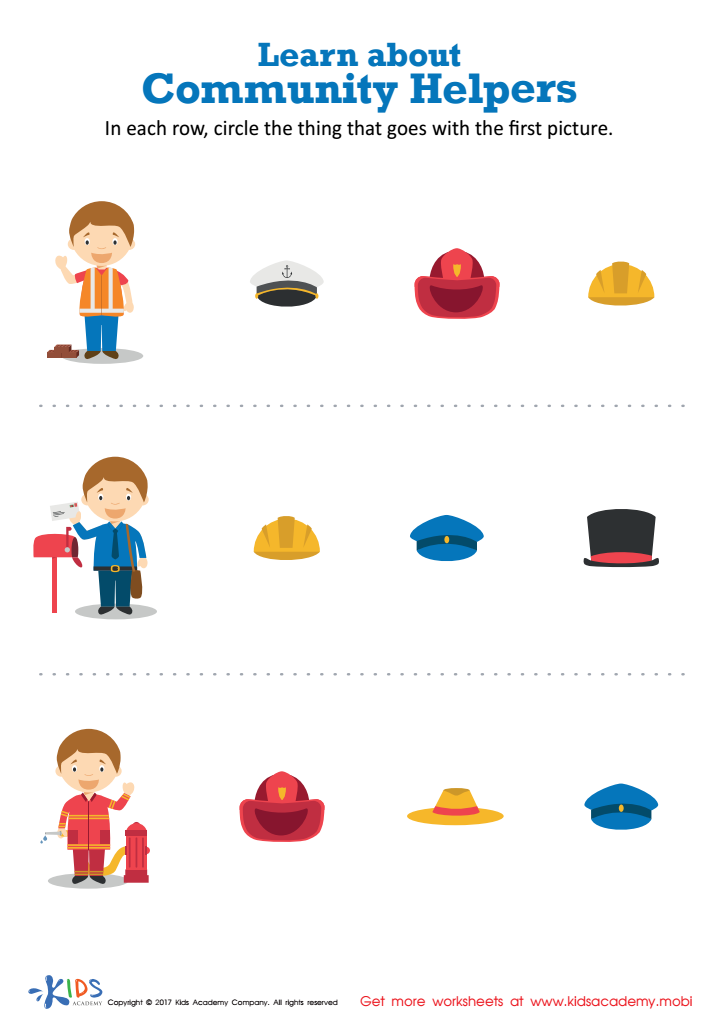
Learn about Community Helpers Printable




.jpg)



Identification skills are critical cognitive abilities for children ages 6-9, and both parents and teachers should prioritize their development for several compelling reasons. Firstly, these skills are foundational to learning. They encompass the ability to recognize and name letters, numbers, objects, and even emotions, which are crucial for reading, math, and social interactions. Early proficiency in these areas sets the stage for academic success, fostering a child's confidence and promoting a positive attitude toward learning.
Secondly, strong identification skills enhance children’s independence and problem-solving abilities. By accurately identifying relevant information in books, instructions, or social cues, children can make informed decisions, follow guidelines more effectively, and navigate their daily environments with greater ease. This autonomy encourages a sense of competence and self-reliance.
Furthermore, identification skills are essential for safety. Recognizing signs, symbols, and potentially harmful situations enables children to protect themselves in various settings. For instance, understanding traffic signals or knowing which adults are safe can be crucial for a child's well-being.
Lastly, during these formative years, children’s brains are highly malleable. Proper nurturing of identification skills at this stage allows for more efficient cognitive processing as they grow, laying a strong foundation for lifelong learning and problem-solving abilities. Therefore, parents and teachers should actively engage in activities that develop these skills to ensure holistic development and future success.








