Interpreting data Normal Worksheets for Ages 6-9
4 filtered results
-
From - To
At Kids Academy, we make interpreting data fun and engaging for children aged 6-9. Our age-appropriate printable worksheets are designed to help young learners develop critical thinking and analytical skills using colorful charts, graphs, and simple activities. These worksheets support your child's ability to understand and interpret data through interactive tasks, making learning both effective and enjoyable. Whether your child is just beginning to explore data or sharpening their existing skills, our thoughtfully created resources provide the perfect educational support to foster a love for learning and analytical thinking in young minds.
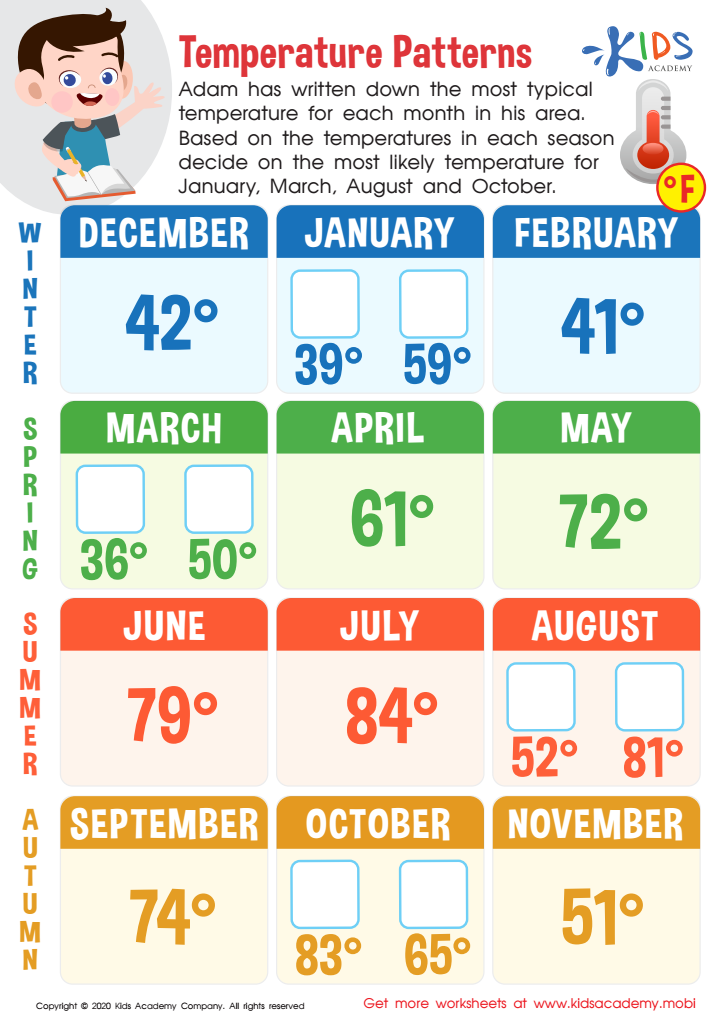
Temperature Patterns Worksheet
 Assign to My Students
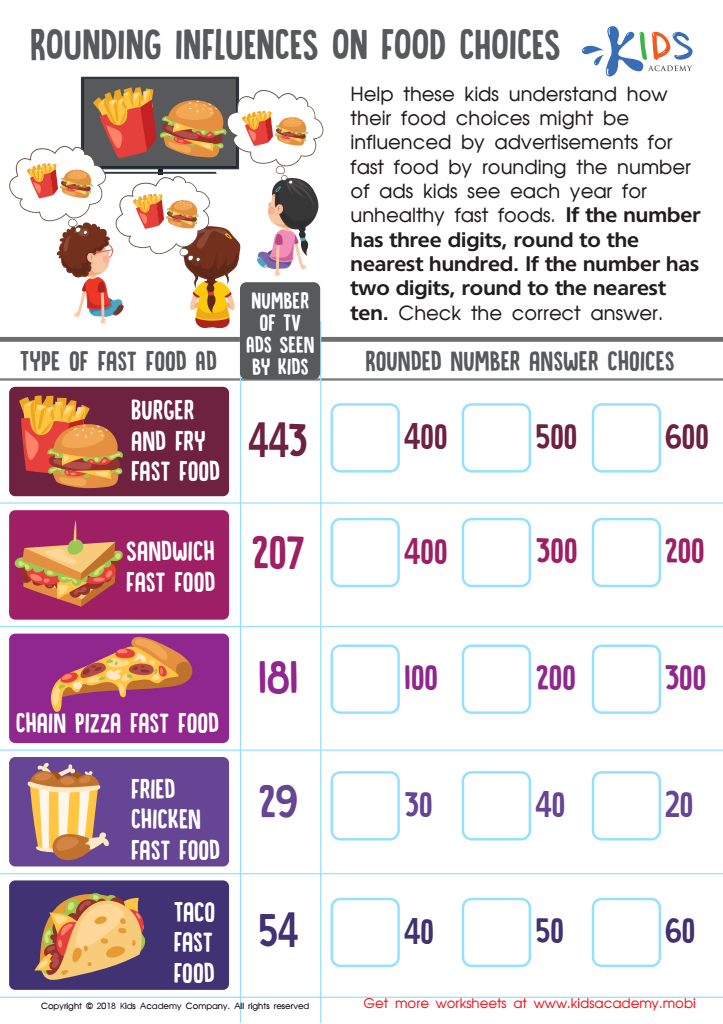
Rounding Influences Food Choices Worksheet
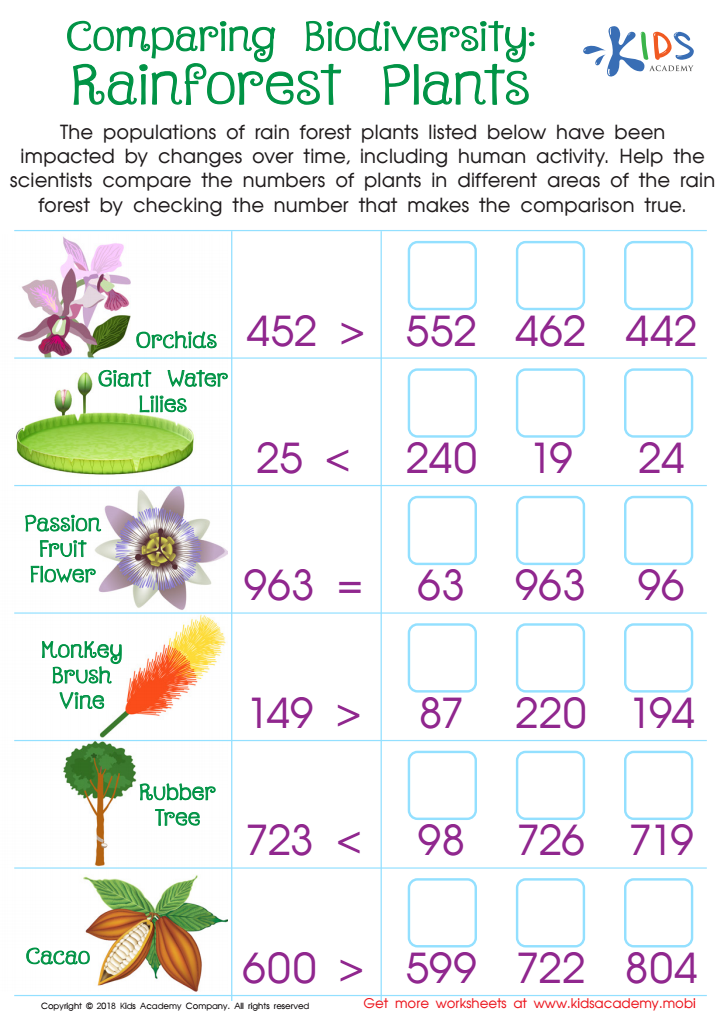
Comparing Biodiversity: Rainforest Plants Worksheet
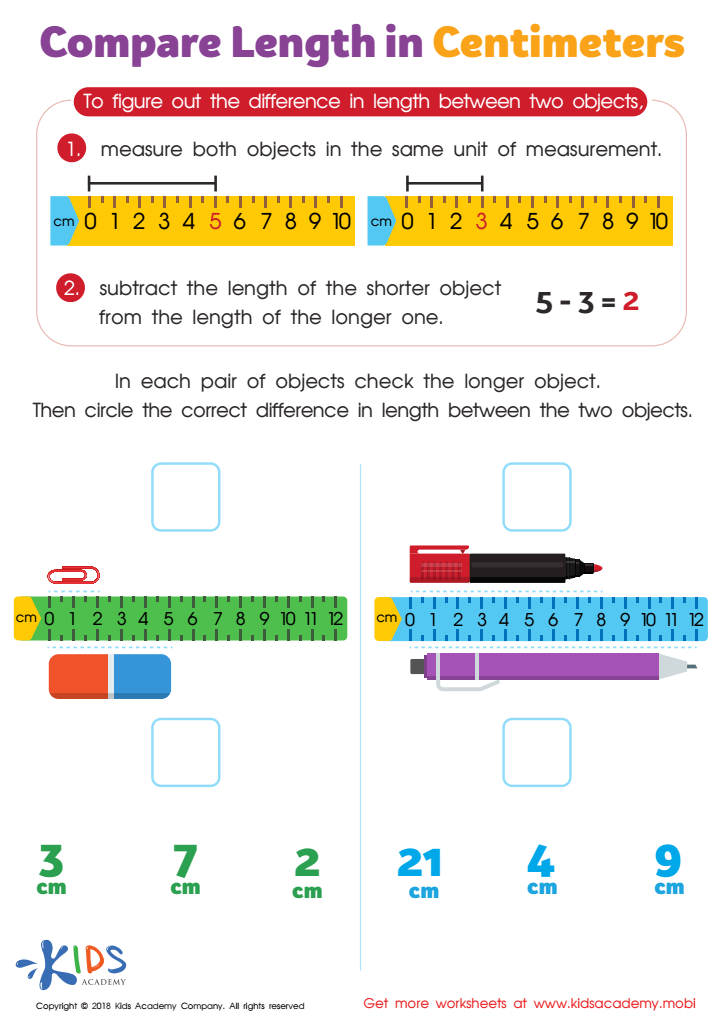
Compare Length in Centimeters Worksheet








Interpreting data is an essential skill, even for young children aged 6 to 9. For parents and teachers, fostering this skill early on can significantly impact children's academic success and everyday problem-solving abilities. Here's why it's important:
Firstly, data interpretation helps children develop critical thinking and analytical skills. By learning to sort, classify, and make sense of information, kids can better understand the world around them. This involves recognizing patterns, making predictions, and drawing conclusions — all of which are foundational to subjects like mathematics and science.
Secondly, interpreting data enhances literacy. Children practicing these skills are not just 'doing math'; they're learning to read comprehensively as they parse through word problems and understand dialogue akin to storytelling, which intertwines literary and numerical knowledge seamlessly.
Thirdly, this early exposure helps in practical life skills. For instance, reading a schedule, understanding charts, or knowing how to stay within budgets when pocket money is introduced – these tasks all involve some form of data interpretation.
Lastly, in a data-driven world, children who are comfortable with data are better prepared for future educational and career opportunities. Encouraging data literacy from a young age is an investment in children's future capabilities to navigate an increasingly complex world.
Parents and teachers who focus on interpreting data thus help children build a necessary skill set that enriches academic prowess and practical life competencies.








