Map reading skills Normal Worksheets for Ages 6-9
10 filtered results
-
From - To
Our "Map Reading Skills Normal Worksheets for Ages 6-9" are designed to engage young learners in discovering the exciting world of maps. These fun, educational worksheets help children understand directions, symbols, and landmarks while enhancing their spatial awareness and problem-solving skills. Perfect for classroom or home use, each activity guides kids through practical exercises like identifying geographic features, plotting routes, and decoding map legends. With colorful visuals and age-appropriate challenges, your child will build confidence in reading maps and develop a foundation for future geography lessons. Start the adventure today with Kids Academy’s expertly crafted map reading worksheets!
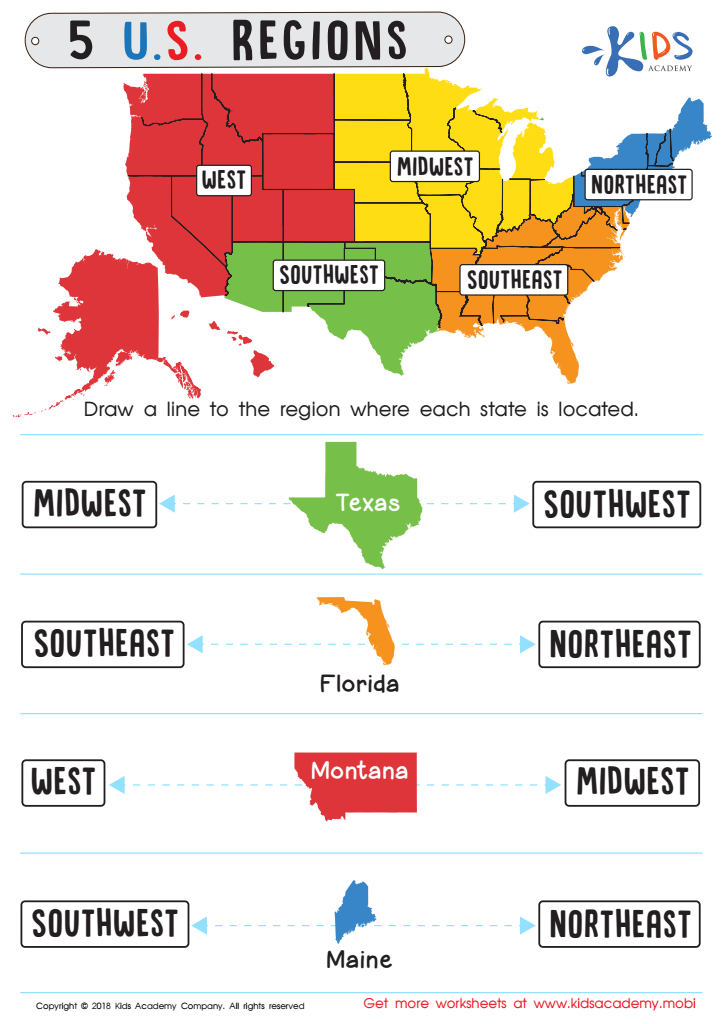
5 U.S. Regions Worksheet
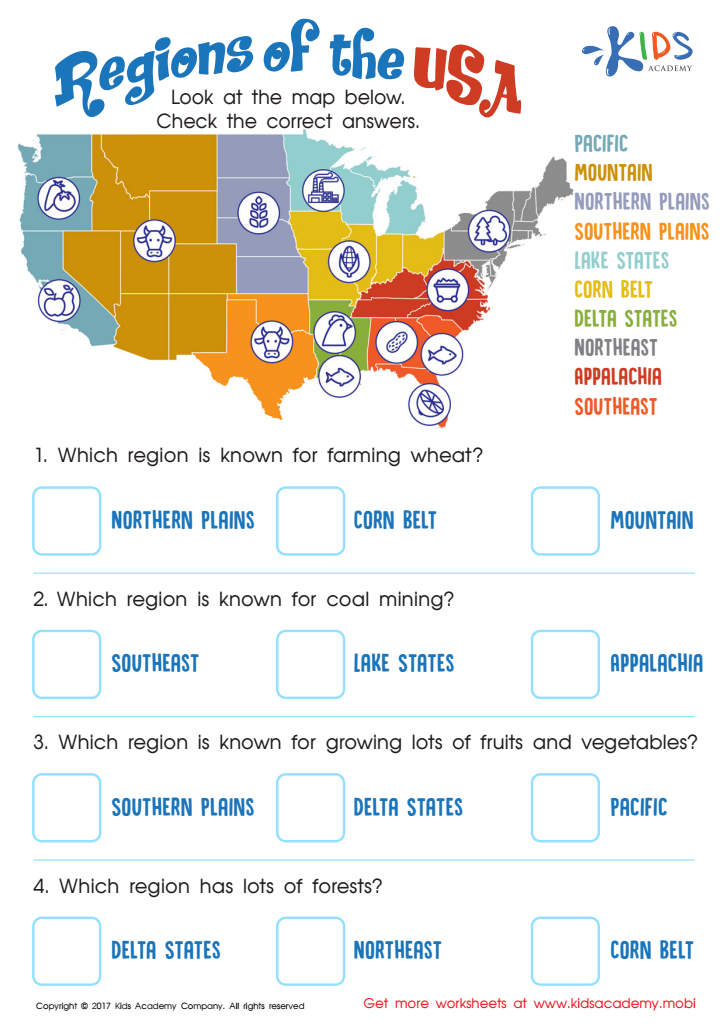
Regions of the USA Worksheet
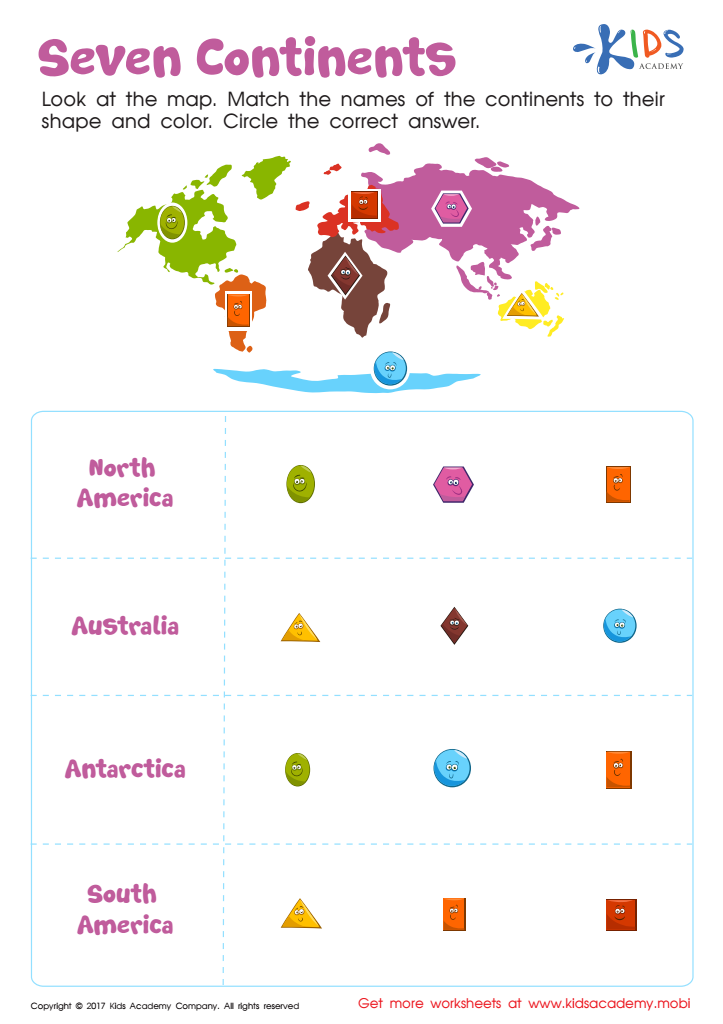
Seven Continents Worksheet
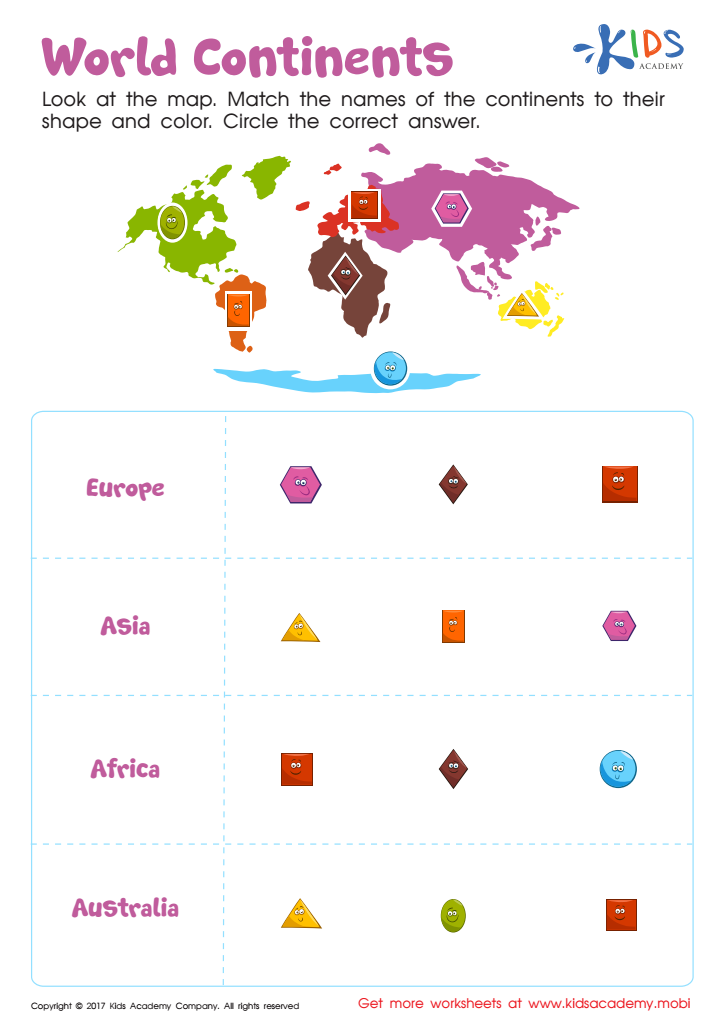
World Continents Worksheet
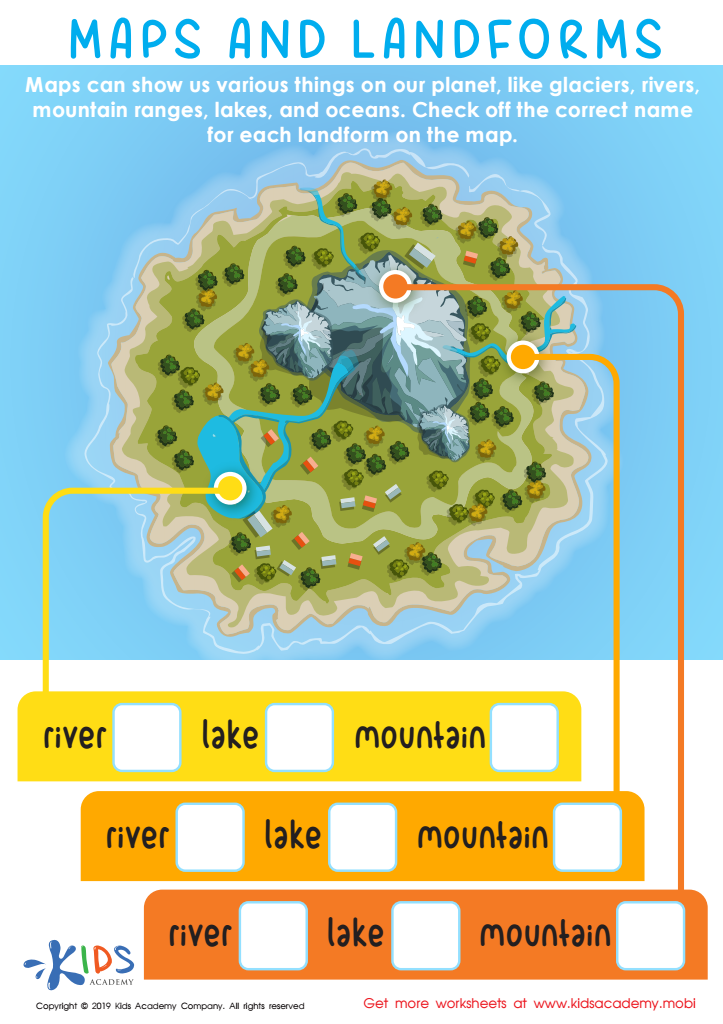
Maps and Landforms Worksheet
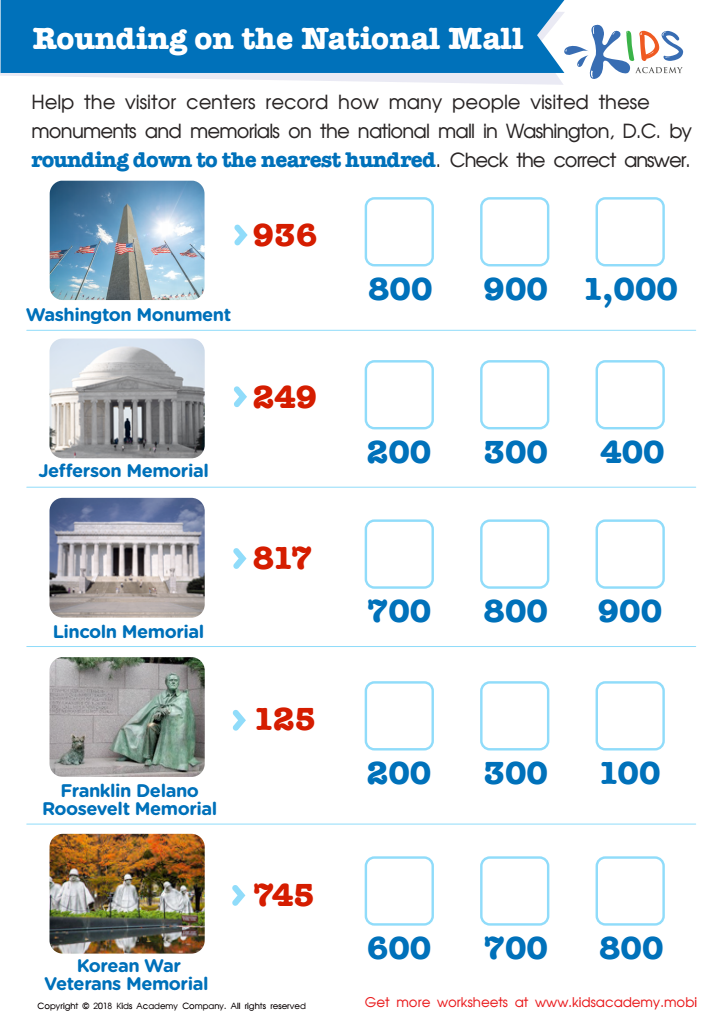
Rounding on the National Mall Worksheet
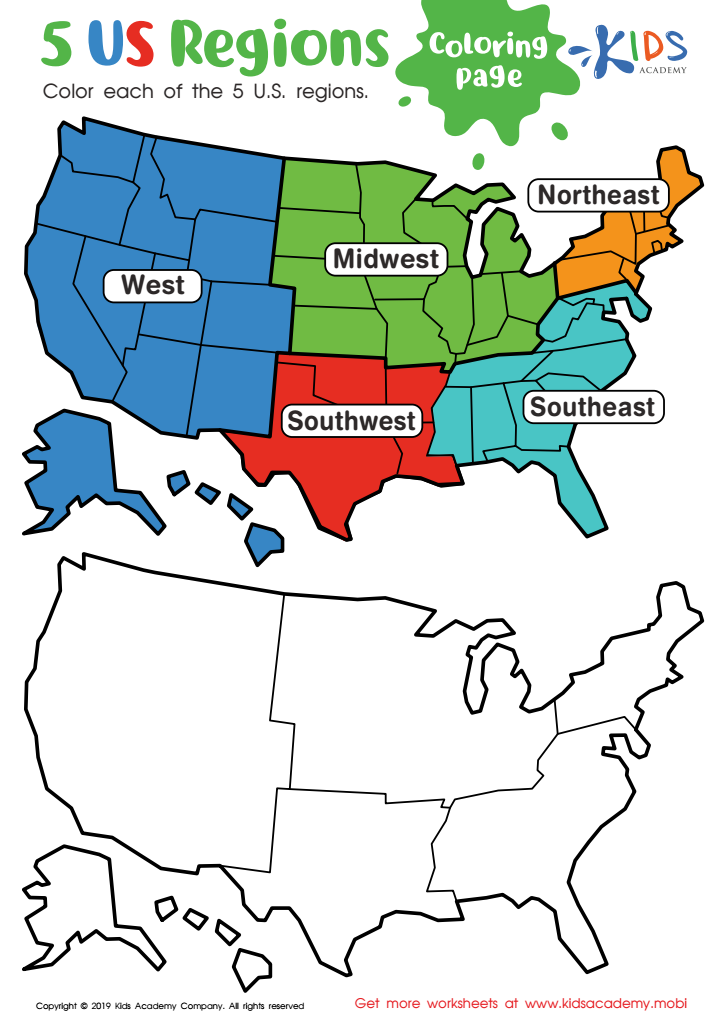
US Regions Coloring Page Worksheet
 Assign to My Students
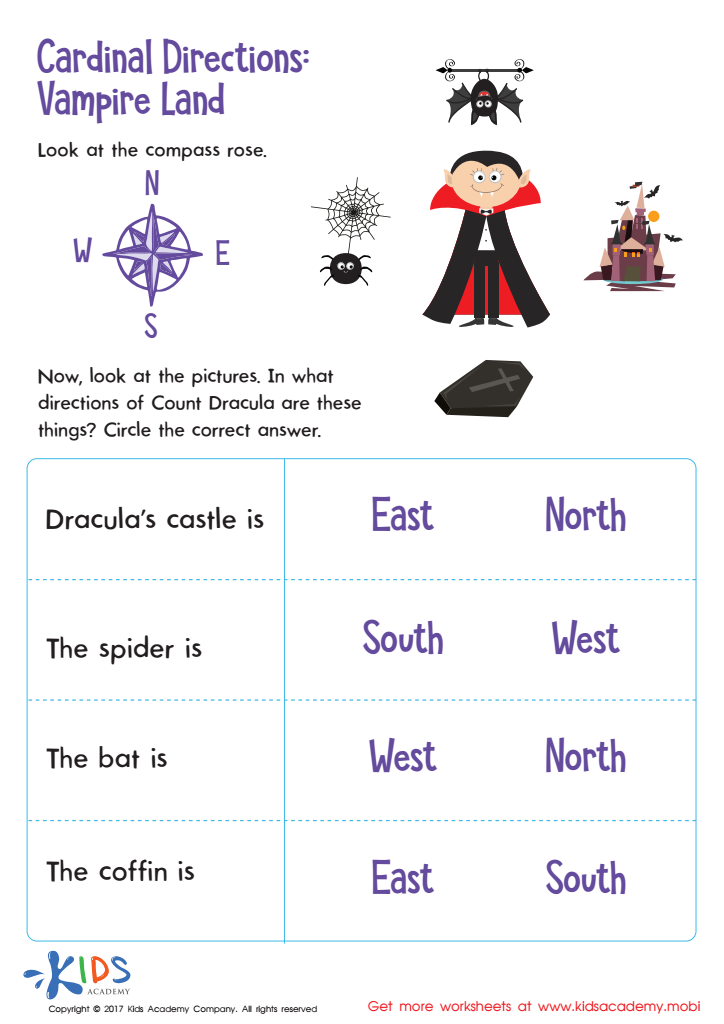
Cardinal Directions Printable
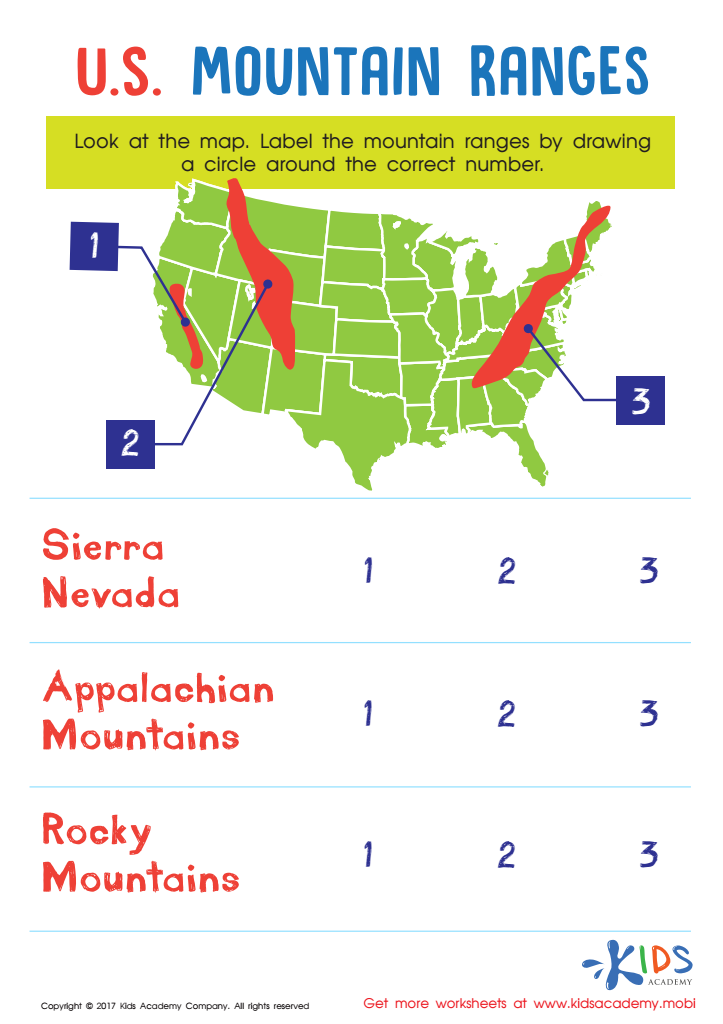
US Mountain Ranges Worksheet
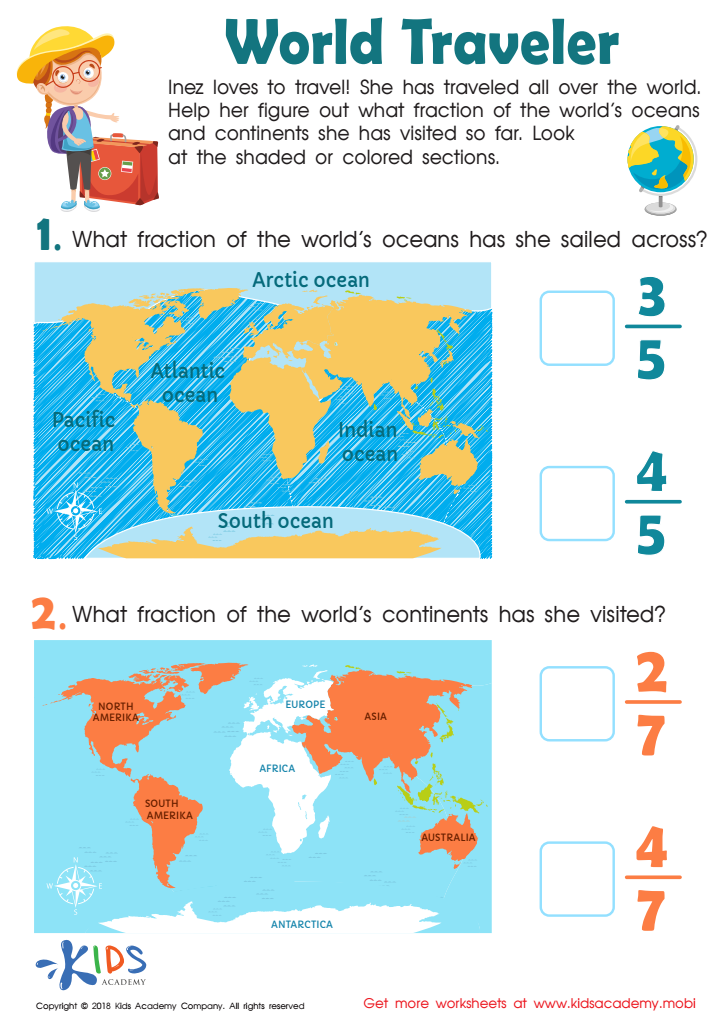
World Traveler Worksheet



.jpg)


Map reading skills are essential for children ages 6-9 because they promote spatial awareness, critical thinking, and independence. At this age, children are naturally curious about the world around them, and maps provide a tangible way to understand complex concepts like distance, scale, and direction. Developing these skills helps youngsters make sense of their environment, whether it's navigating a school, understanding community layouts, or embarking on family trips.
For parents and teachers, instilling map-reading abilities early on can significantly enhance a child's problem-solving skills. Learning to interpret symbols, landmarks, and routes encourages analytical thinking and attention to detail. This not only supports academic subjects like geography and math but also real-world decision-making abilities.
Moreover, proficiency in map reading fosters confidence and self-reliance. Children learn to plan routes, understand their surroundings, and even solve problems if they get lost—all crucial life skills. It's also a fun, engaging way to improve memory and perception.
In the digital age, while GPS technology is prevalent, traditional map-reading remains foundational, serving as a backup when digital devices fail and reinforcing a deeper, more intuitive understanding of spatial relationships. Overall, cultivating these skills offers lifelong benefits, blending cognitive development with practical application.








