Reading development Normal Worksheets for Ages 6-9
5 filtered results
-
From - To
Unlock your child's reading potential with our expertly designed reading development worksheets for ages 6-9. At Kids Academy, we offer a variety of engaging activities that enhance vocabulary, comprehension, and critical thinking skills. Each worksheet is crafted to support progressive learning, fostering confidence and a love for reading in young learners. Our resources align with educational standards, ensuring your child gains essential reading proficiency while having fun. Empower your child with tools that make reading an exciting adventure. Discover our selection and watch your little reader thrive! Visit Kids Academy for innovative learning solutions.
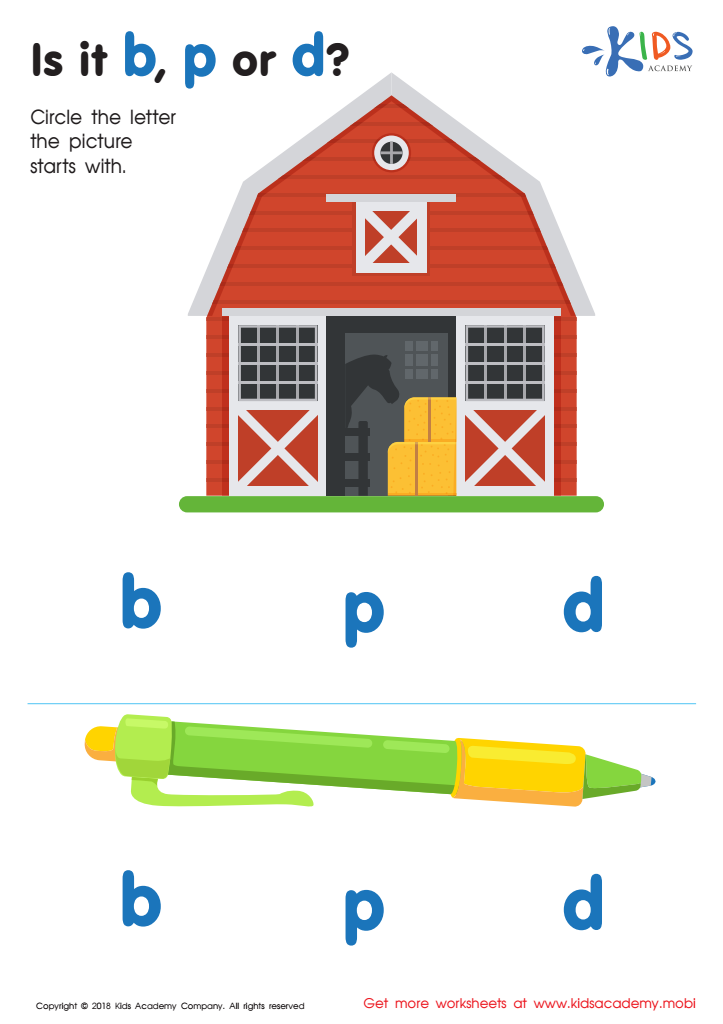
Is it b, p or d? Worksheet
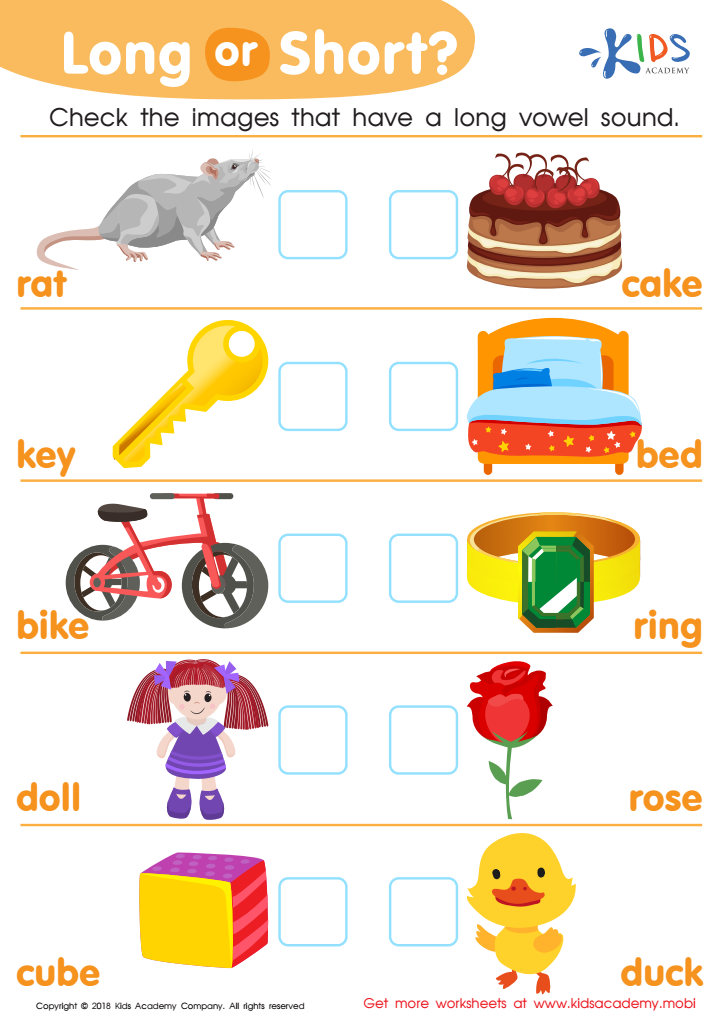
Long or Short Reading Worksheet
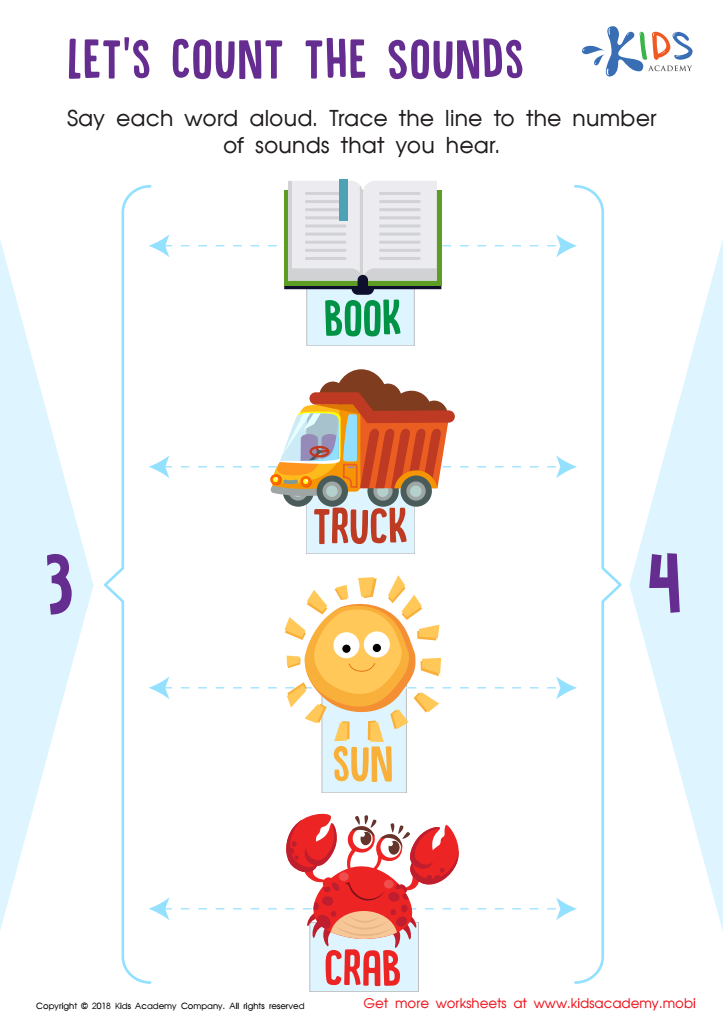
Let's Count the Sounds Worksheet
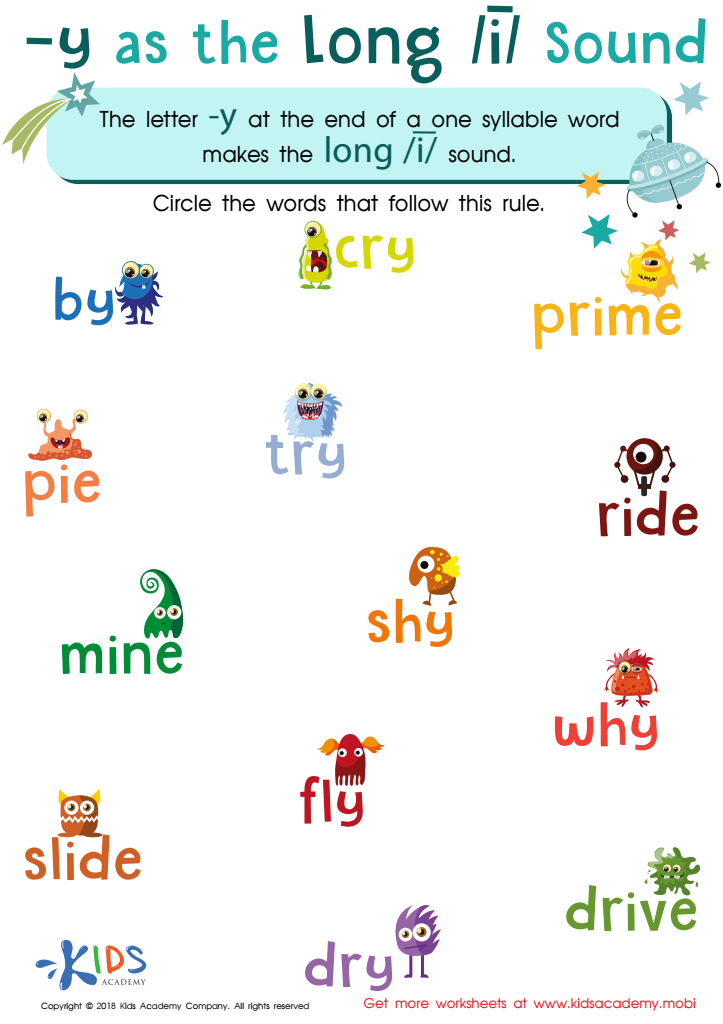
Reading: Y as Long I Worksheet
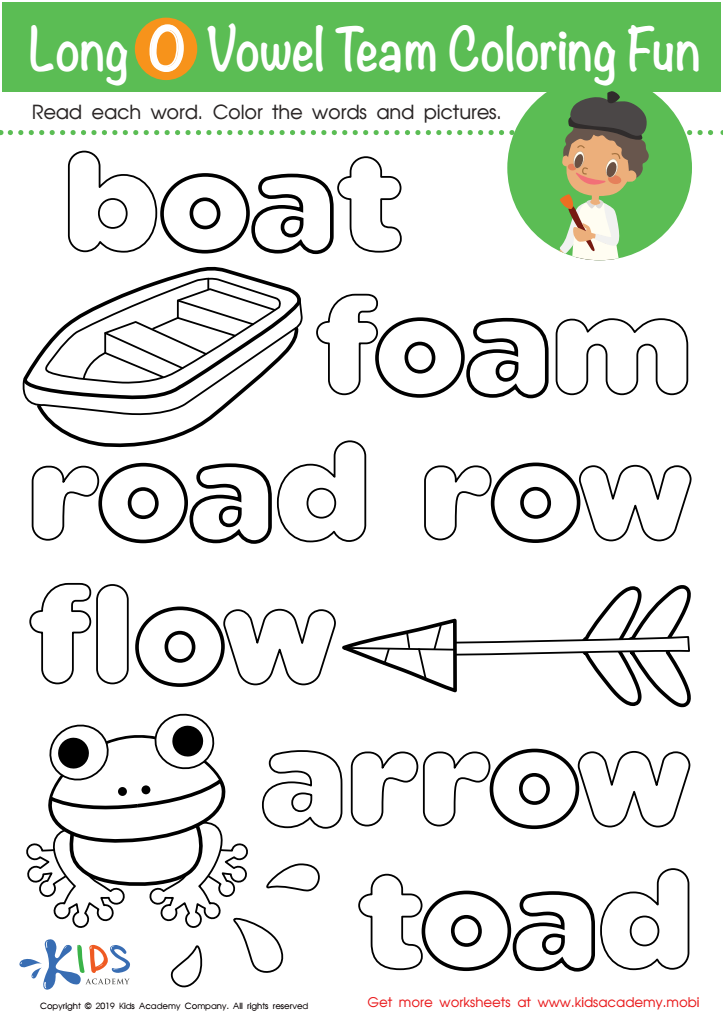
Long O Vowel Team Coloring Worksheet
 Assign to My Students








Reading development is crucial for children aged 6-9 because it lays the foundation for their future academic and personal success. At this age, children transition from "learning to read" to "reading to learn." When parents and teachers foster strong reading skills, they set the stage for the child’s overall cognitive development, enhancing vocabulary, comprehension, and critical thinking skills. Proficient reading is correlated with better performance across all subjects, including math and science, as it supports understanding problem statements and instructions.
Early reading experiences can also foster a lifelong love of learning and curiosity. When children enjoy reading, they are more likely to explore myriad topics independently, which broadens their horizons and develops diverse interests. Moreover, reading enhances empathy and social understanding, as stories generally provide perspectives on different experiences and emotions.
For parents, participating in their child's reading journey offers a unique bonding time and creates positive associations with learning. For teachers, emphasizing reading skills early on helps in identifying and addressing any reading difficulties or learning disabilities promptly, thereby minimizing their long-term impact.
In essence, investing time and attention into reading development during ages 6-9 can significantly influence a child's academic achievements and personal growth, making it a top priority for both educators and parents.








