Sound-letter association Normal Worksheets for Ages 6-9
4 filtered results
-
From - To
Discover our engaging Sound-Letter Association Worksheets designed specifically for kids aged 6-9! These printable resources help young learners develop essential phonemic awareness skills by connecting sounds to the corresponding letters. Ideal for complementing classroom instruction or at-home practice, our worksheets feature fun, interactive activities that promote reading readiness and enhance vocabulary. Children will enjoy identifying sounds in words, matching letters, and fostering a love for reading through colorful illustrations and relatable themes. Encourage your child’s learning journey with our thoughtfully crafted worksheets that lay the foundation for literacy and boost their confidence in reading! Dive into a world of sound-letter discovery today!
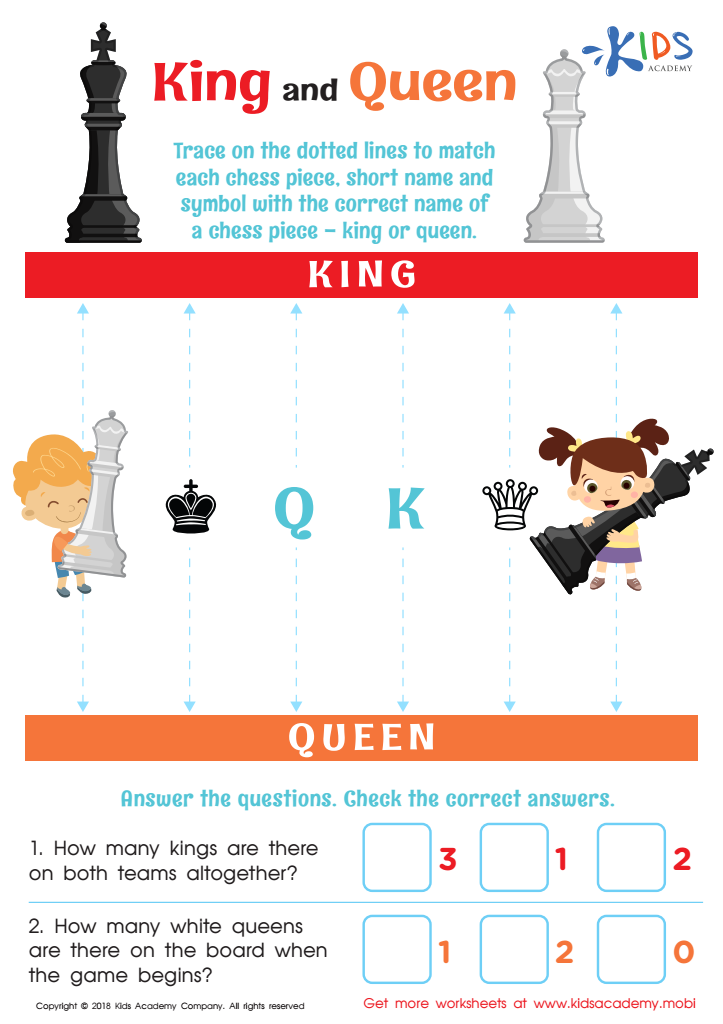
King and Queen Worksheet
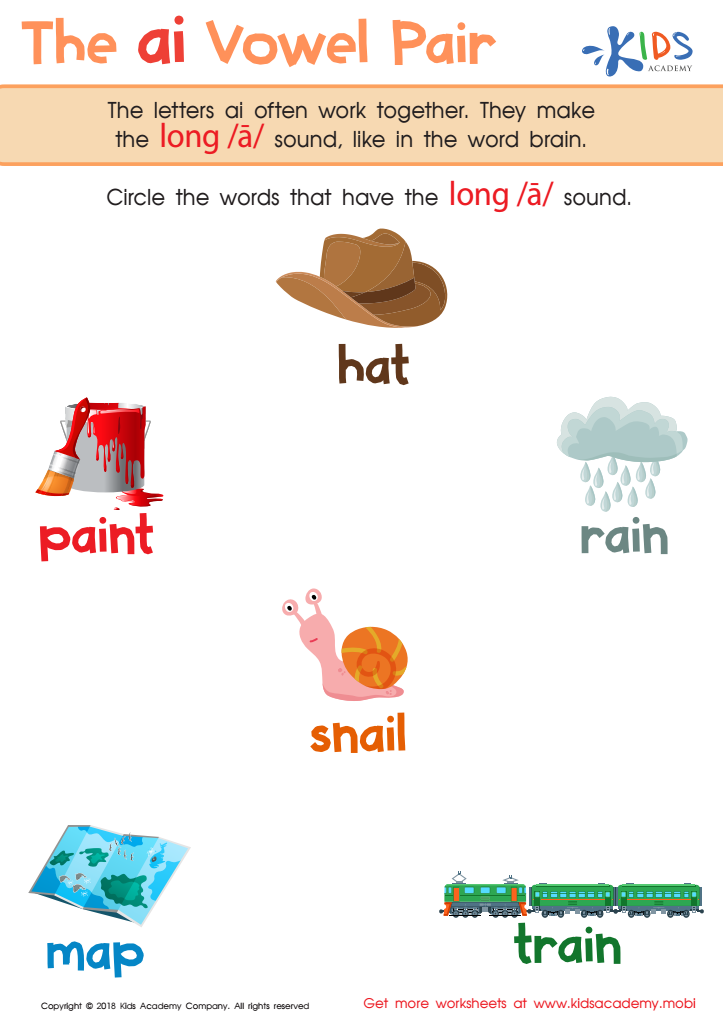
The AI Vowel Pair Worksheet
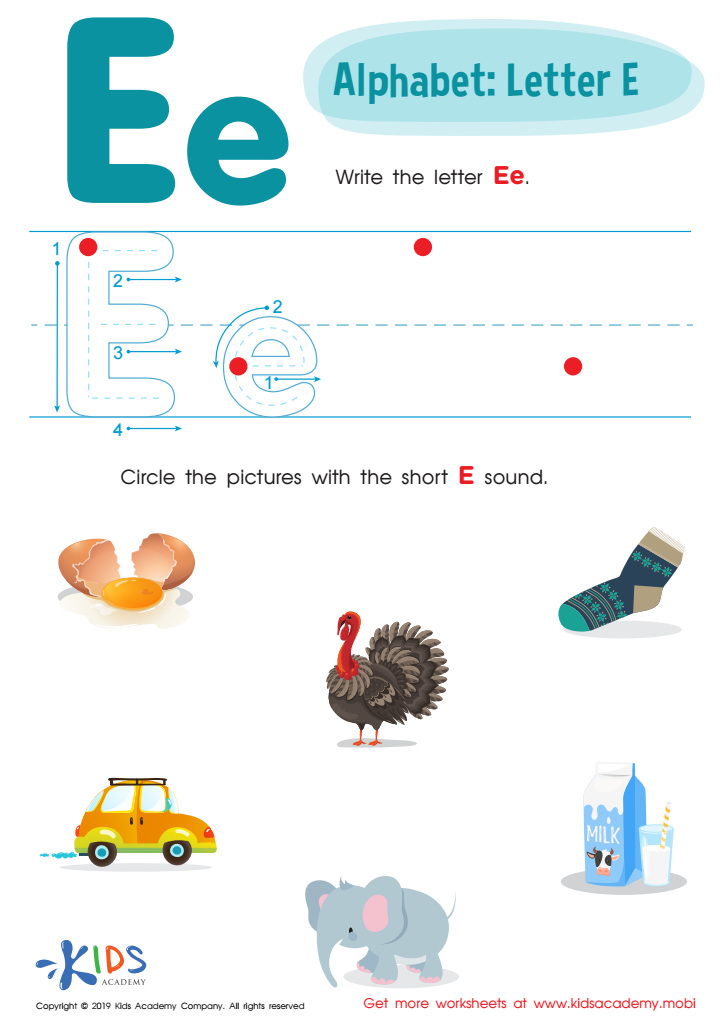
Letter E Tracing Worksheet
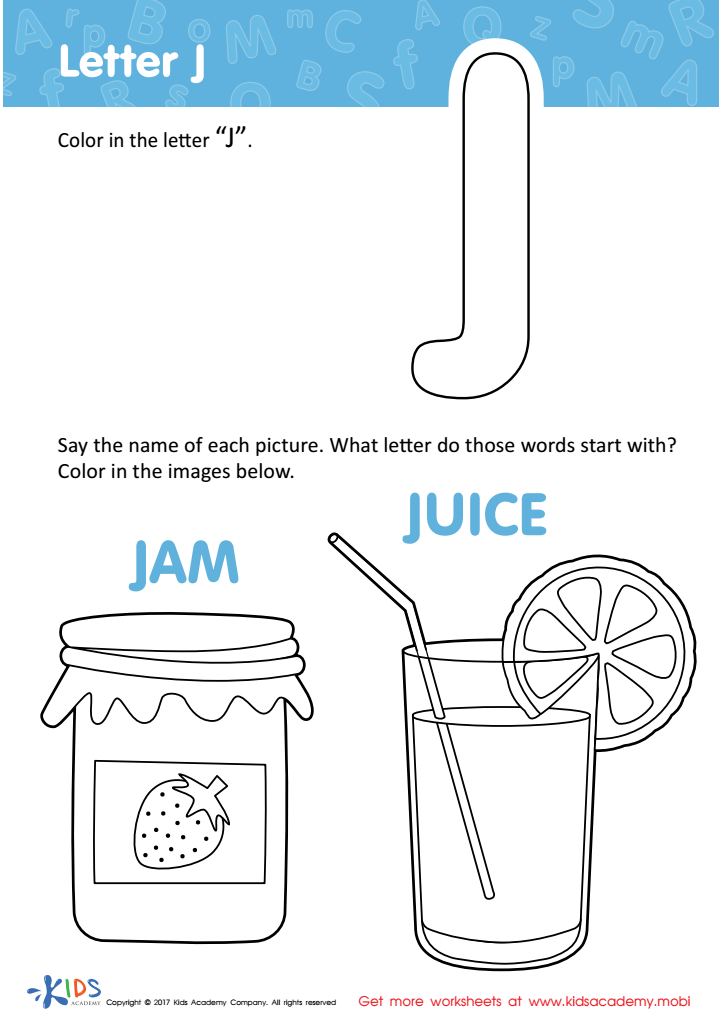
Letter J Coloring Sheet
 Assign to My Students


.jpg)





Sound-letter association, or phonemic awareness, is crucial for children aged 6-9 as it serves as the foundation for reading and writing. During this developmental stage, children are beginning to make connections between the sounds they hear and the letters that represent those sounds. Understanding this relationship helps them decode words, improving their reading fluency and comprehension.
When parents and teachers emphasize sound-letter association, they are nurturing essential literacy skills. Children who grasp these concepts not only perform better in reading tasks but also exhibit greater confidence in their ability to tackle new words. This boosts their motivation to read and learn, creating a positive cycle of literacy development.
Furthermore, early mastery of sound-letter association can enhance spelling and writing abilities. Children who can associate sounds with specific letters are more equipped to express their thoughts clearly and accurately in written form.
In addition, fostering these skills promotes overall academic success. As reading proficiency is closely tied to learning in all subjects, supporting sound-letter association can lead to improved performance across the curriculum. Thus, it's imperative for parents and teachers to prioritize this crucial aspect of literacy development during these formative years.








