Spatial reasoning Normal Worksheets for Ages 6-9
5 filtered results
-
From - To
Enhance your child’s spatial reasoning skills with our engaging worksheets designed for ages 6-9. These normal worksheets focus on developing critical abilities such as visual processing, problem-solving, and spatial awareness through fun and interactive activities. Kids will explore concepts like shape recognition, patterns, and distance estimation while sharpening their cognitive skills. Our carefully crafted exercises are perfect for reinforcing classroom learning and fostering independent practice at home. Help your child build a strong foundation in spatial reasoning with worksheets that promote creativity and logical thinking, ensuring an enjoyable learning experience. Dive into our collection and watch your child’s confidence soar!
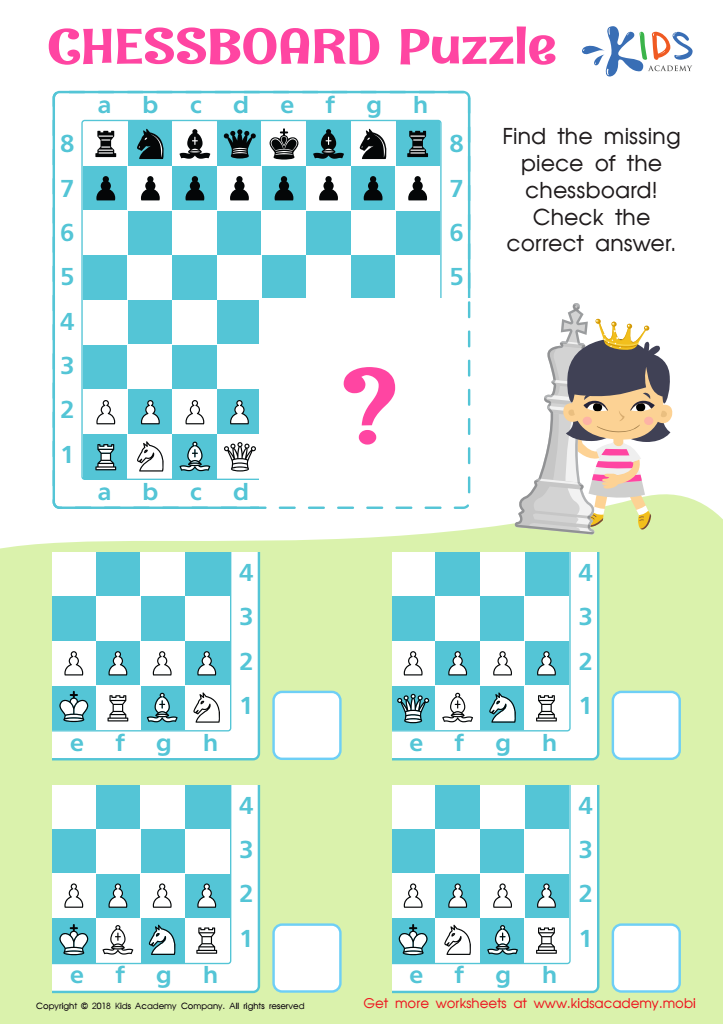
Chessboard Puzzle Worksheet
 Assign to My Students
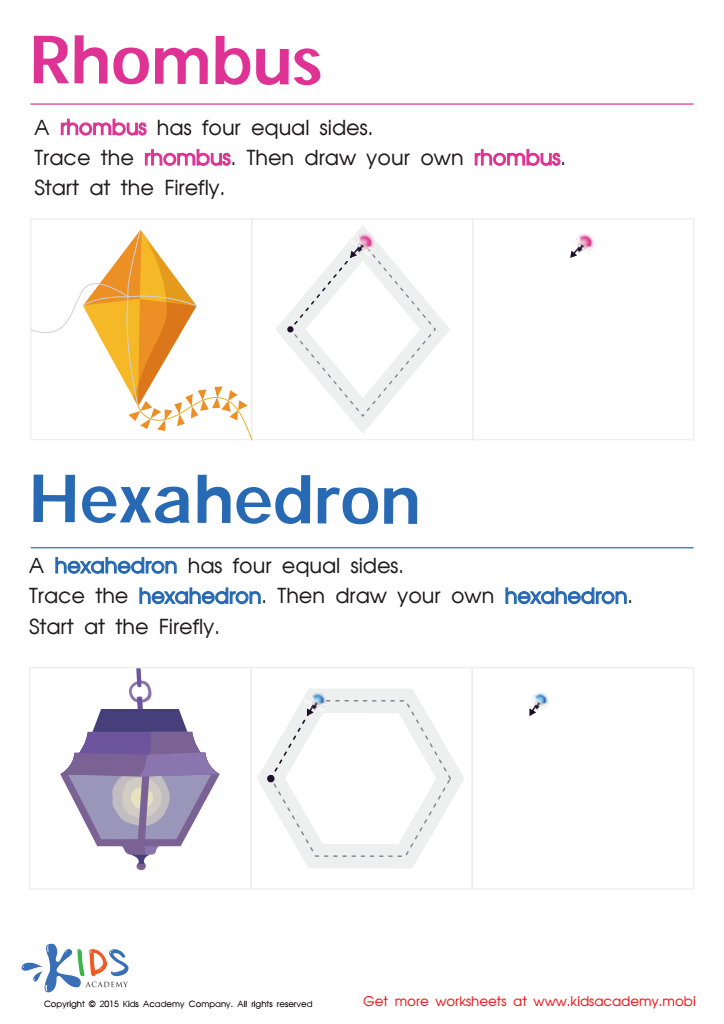
Draw a Rhombus And a Hexahedron Printable
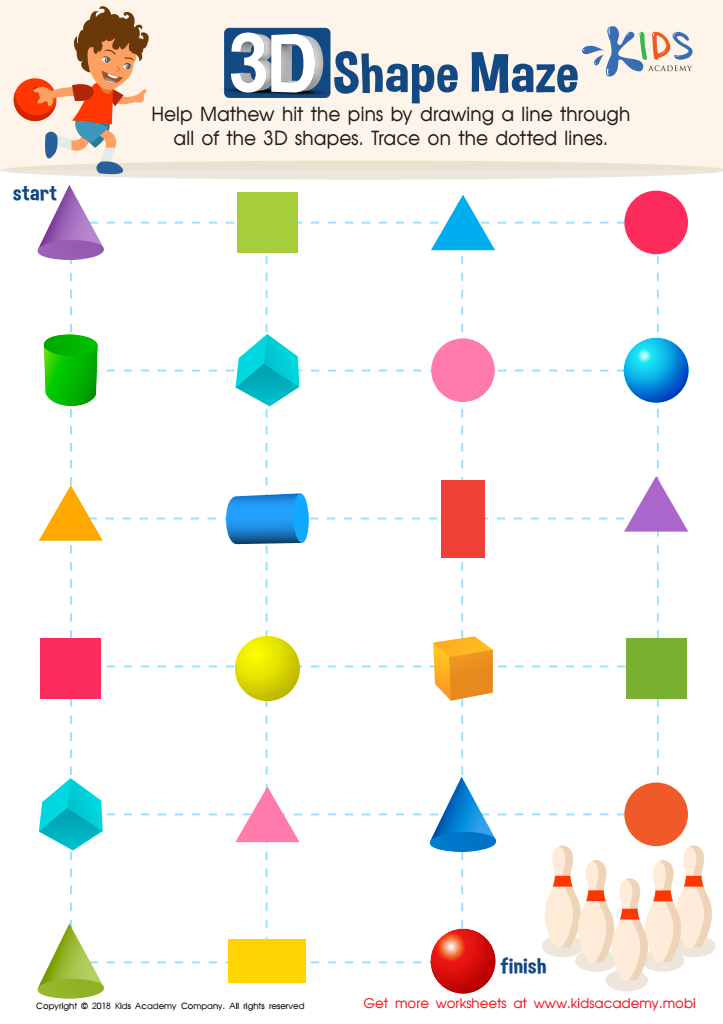
Shapes Maze Geometry Worksheet
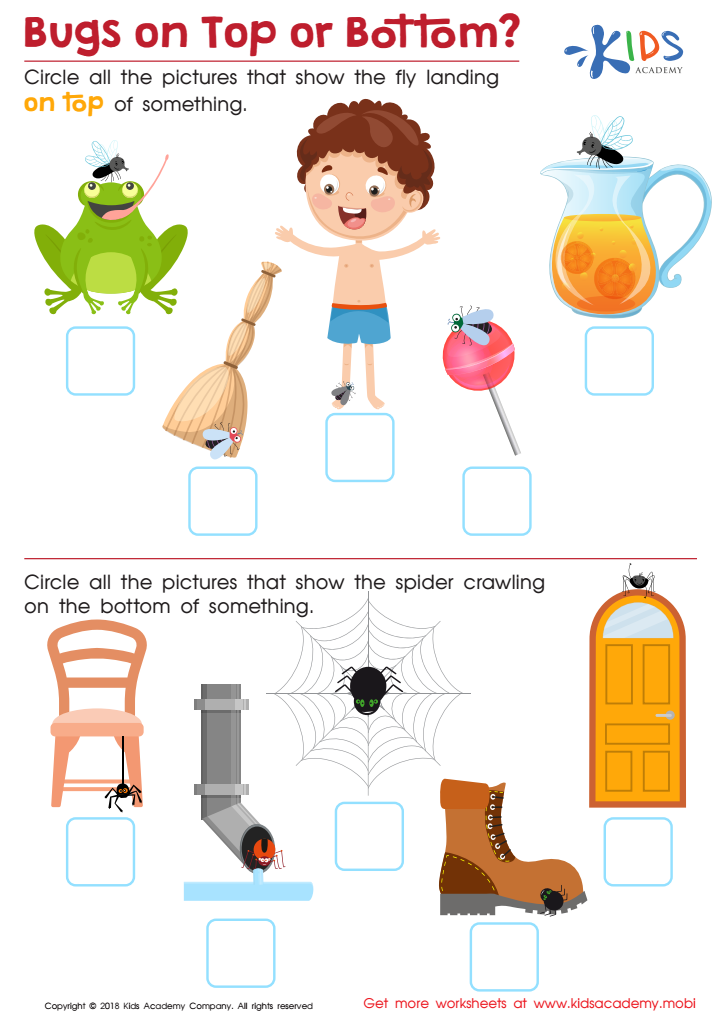
Bugs on Top or Bottom? Worksheet
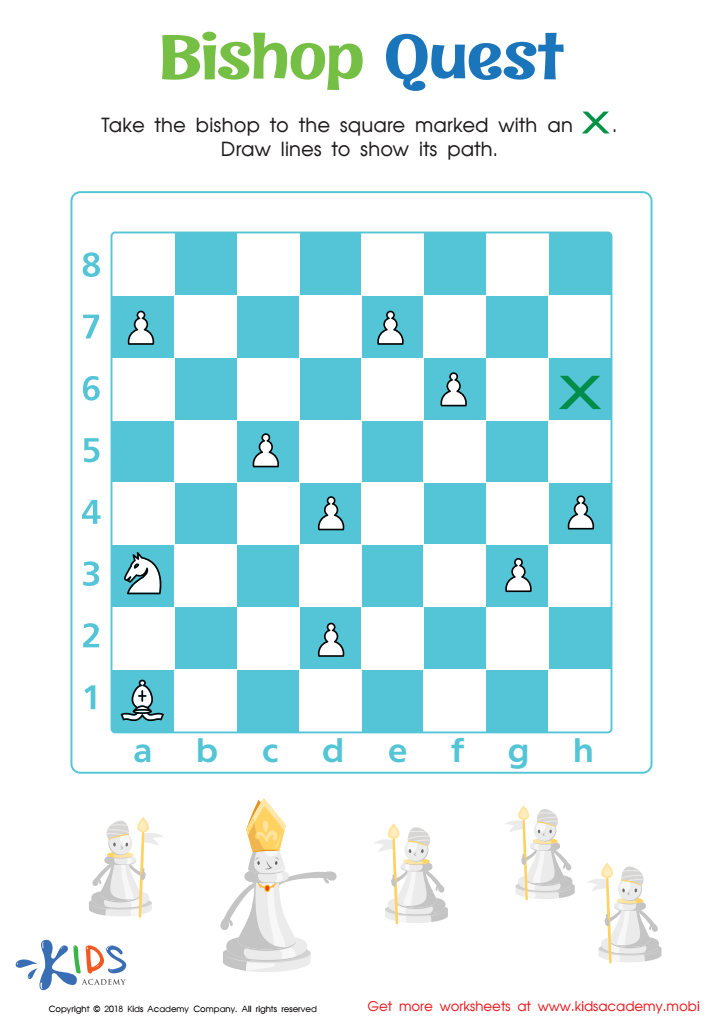
Bishop Quest Worksheet


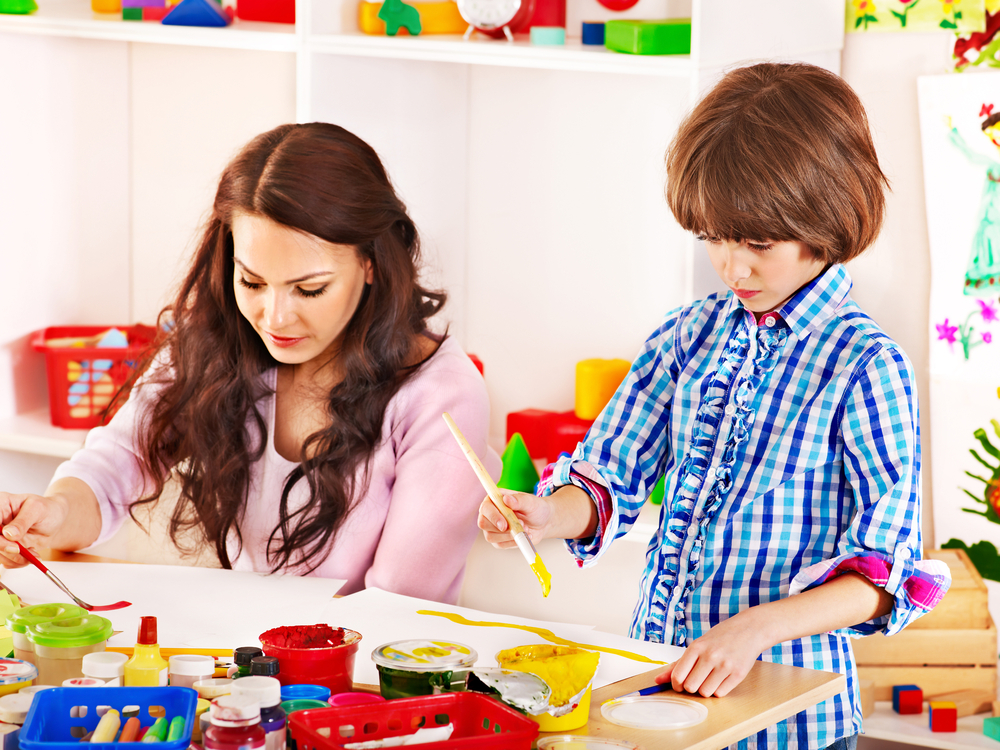



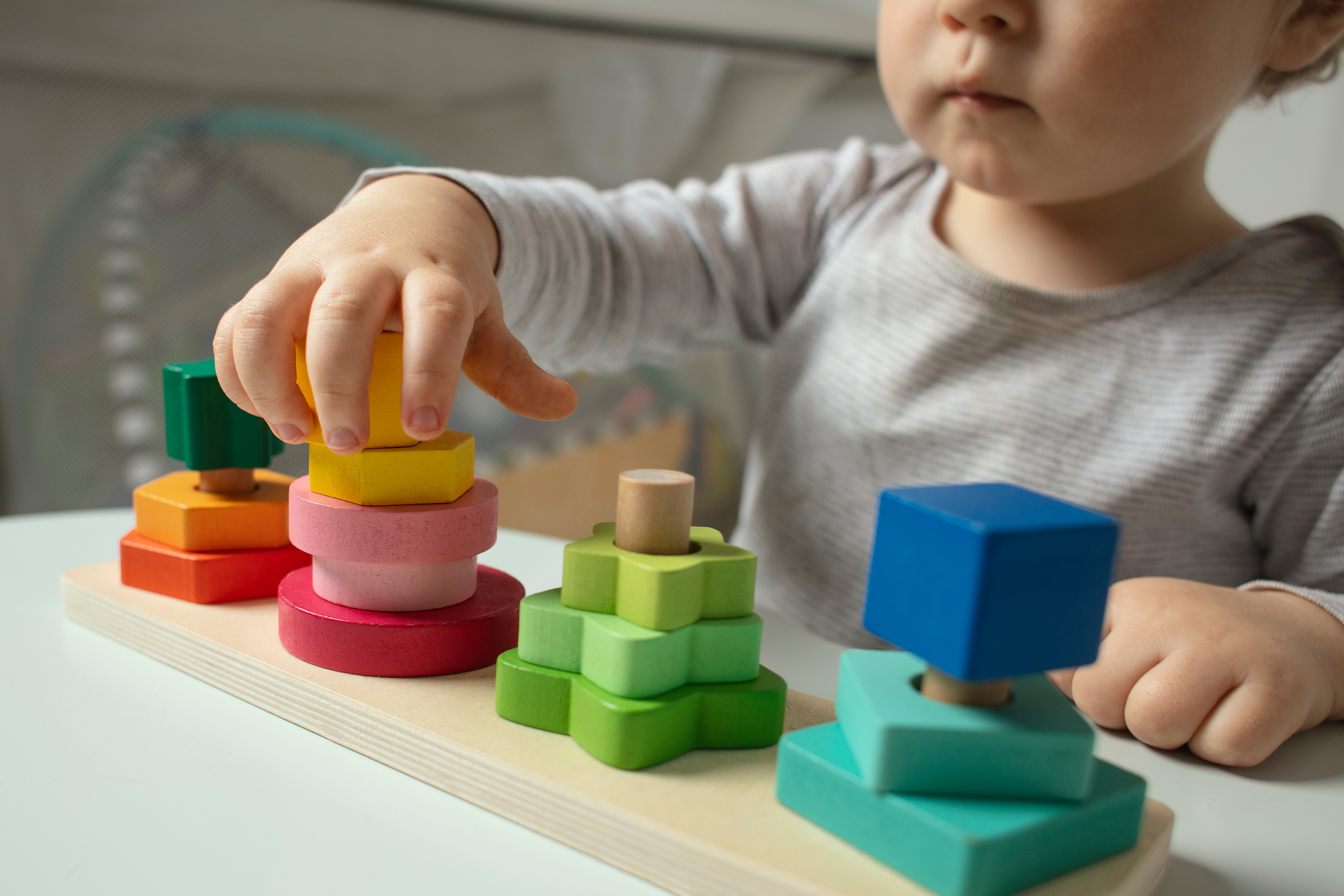

Spatial reasoning is a crucial cognitive skill that refers to the understanding of how different objects relate to each other in space. For children aged 6 to 9, this skill plays an integral role in their overall development, particularly in subjects like math, science, and art. By cultivating spatial reasoning abilities, parents and teachers can help children excel in critical thinking and problem-solving.
At this age, children are naturally exploring their environment and developing foundational skills in geometry and measurement. Supporting spatial reasoning can enhance their ability to visualize shapes, recognize patterns, and manipulate objects mentally. This is particularly important for STEM (Science, Technology, Engineering, Mathematics) learning, where spatial skills can influence performance, understanding of concepts, and future career interests.
Additionally, strong spatial reasoning correlates with improved academic outcomes, self-confidence, and creativity. Parents and teachers play a critical role in fostering these skills through activities like puzzles, building blocks, and engaging in map reading. Providing these experiences can aid in the holistic development of children, preparing them for more complex learning challenges ahead. Recognizing the significance of spatial reasoning empowers adults to be proactive in their children’s educational journeys, setting the foundation for lifelong skills.








