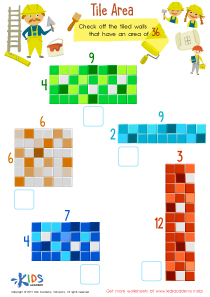
Animal recognition Normal Numbers Worksheets for Ages 6-9
4 filtered results
-
From - To
Discover our engaging Animal Recognition Normal Numbers Worksheets designed for children ages 6-9! These fun and interactive worksheets help young learners develop their number recognition skills while exploring a variety of animals. Perfect for enhancing early math learning, each worksheet combines colorful illustrations and exciting activities that capture children's interest and make learning enjoyable. Students will practice counting, associating numbers with animals, and developing fine motor skills through tracing and coloring. Designed to align with educational standards, our worksheets provide a comprehensive approach to learning numbers in a fun and engaging way, ensuring a strong foundation for future math success! Download today!
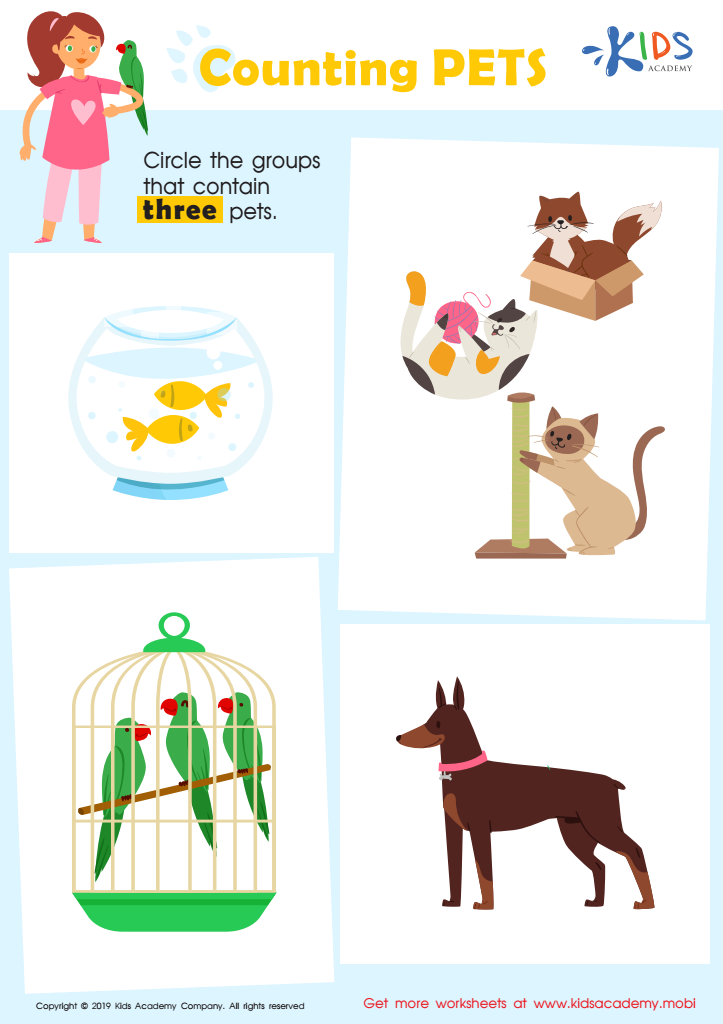
Counting Pets Worksheet
 Assign to My Students
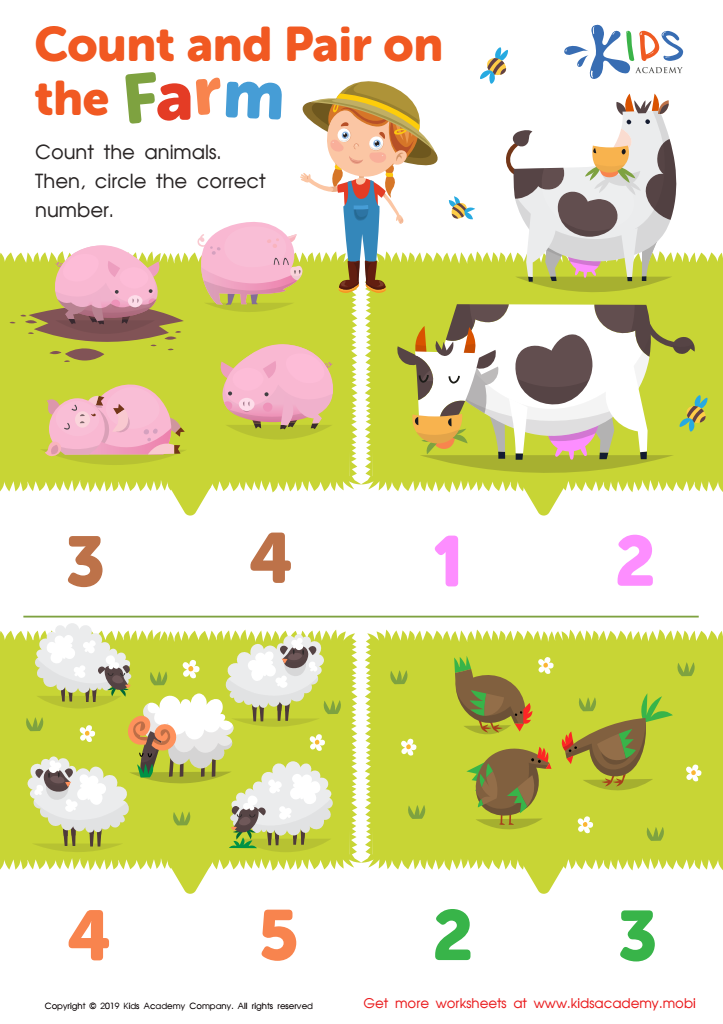
Count and Pair on the Farm Worksheet
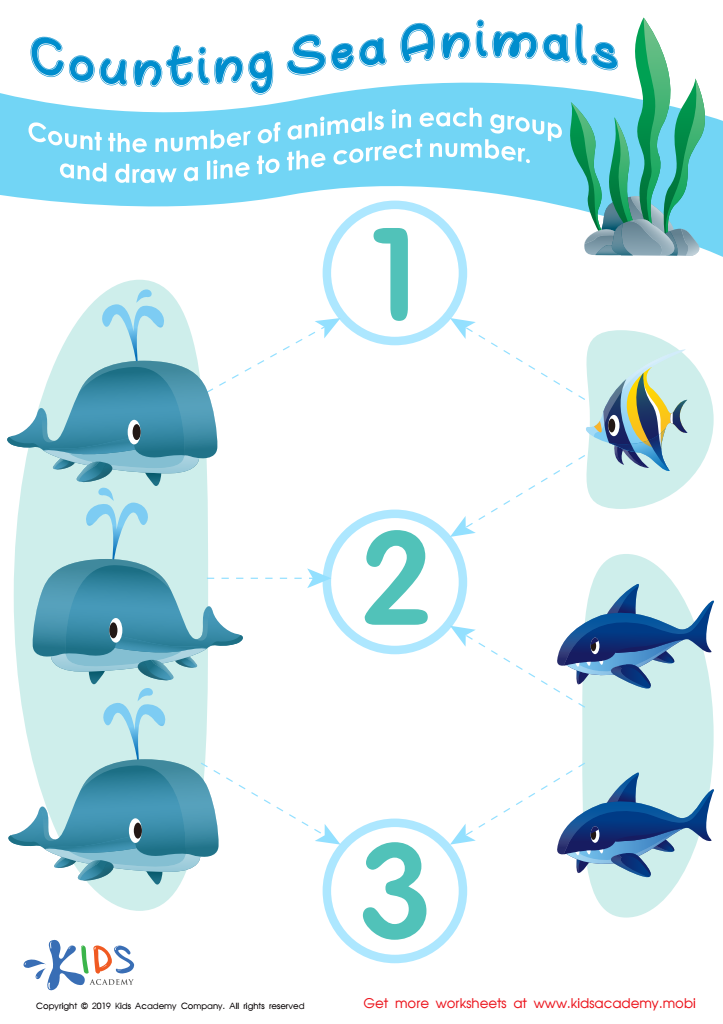
Counting Sea Animals Worksheet
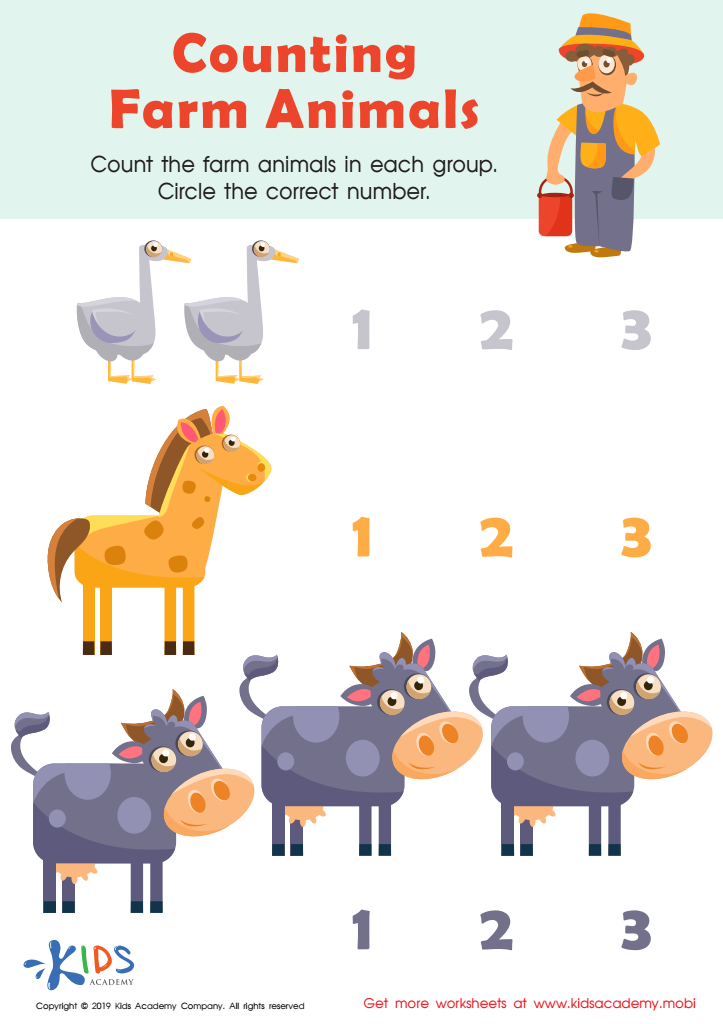
Counting Farm Animals Worksheet








Animal recognition and understanding normal numbers are vital components of early childhood education, especially for children aged 6-9. Parents and teachers should care about these skills for several reasons.
Firstly, animal recognition fosters cognitive development and enhances observational skills. Children learn to identify various animals, which promotes their understanding of biodiversity and fosters empathy towards living beings. This knowledge can spark curiosity about nature and environmental conservation.
Normal numbers, or the understanding of basic numeracy, are crucial as they lay the groundwork for mathematical proficiency. At this stage, children typically learn to count, recognize numbers, and understand basic mathematical concepts. Mastering these skills sets a solid foundation for more advanced numerical operations and problem-solving in the future.
Moreover, integrating animal recognition with numeracy can create engaging and meaningful learning experiences. For example, counting the number of certain animals in a story or a nature-themed counting game can enhance both skills simultaneously.
In summary, parents and teachers should prioritize these areas of learning, as they not only support the essential cognitive and social development of children but also encourage a love for learning that can influence their academic journey.