Counting practice Normal Numbers Worksheets for Ages 6-9
19 filtered results
-
From - To
Explore our engaging Counting Practice Normal Numbers Worksheets, designed specifically for children ages 6-9! These worksheets offer a fun and interactive way for young learners to develop their counting skills and number recognition. Each worksheet includes a variety of activities that encourage kids to practice counting up and down, identifying number sequences, and honing their mathematical abilities. Ideal for classroom use or at-home learning, our resources promote confidence in mathematics and foster a love for learning. Download our counting worksheets today and watch your child's numeracy skills soar as they embark on their exciting math journey!
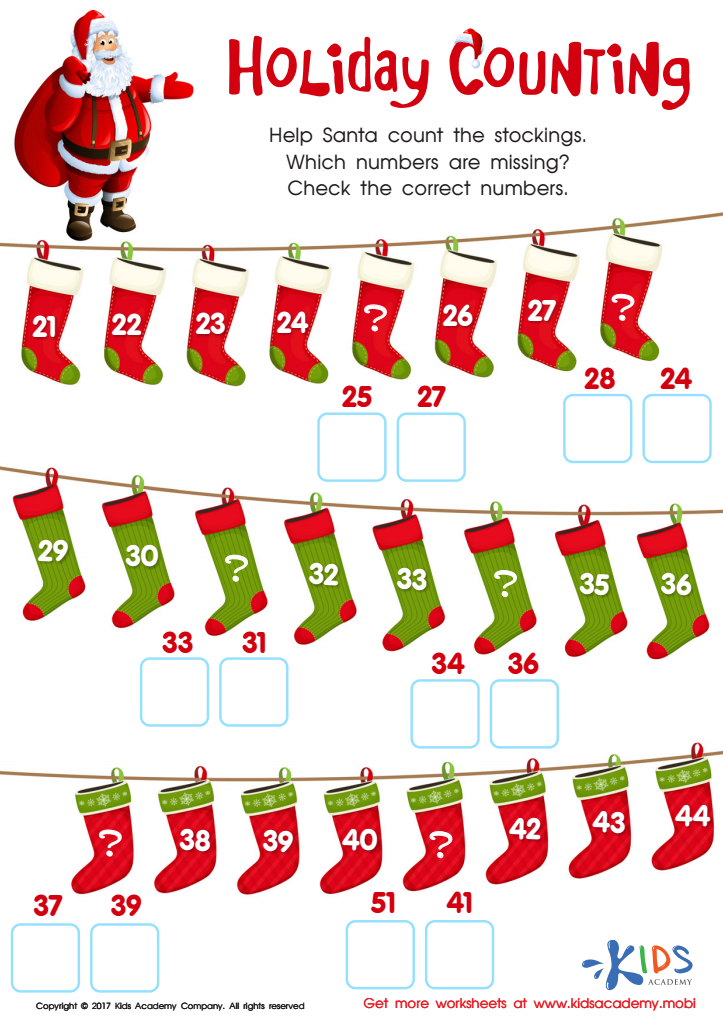
Holiday Counting Worksheet
 Assign to My Students
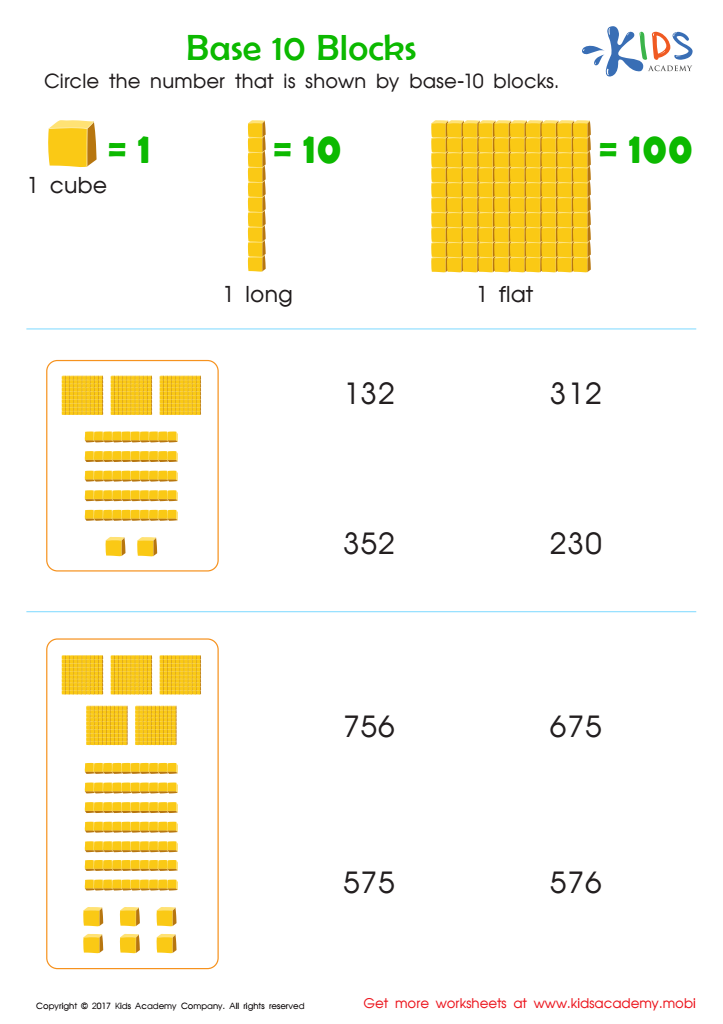
Base Ten Blocks Worksheet
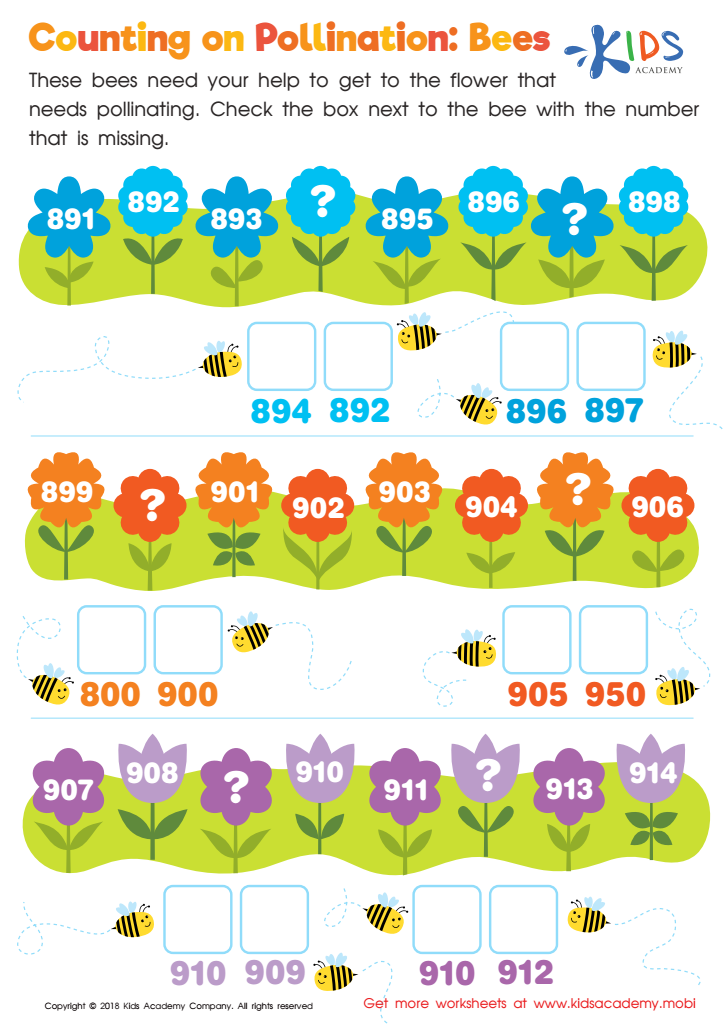
Counting on Pollination: Bees Worksheet
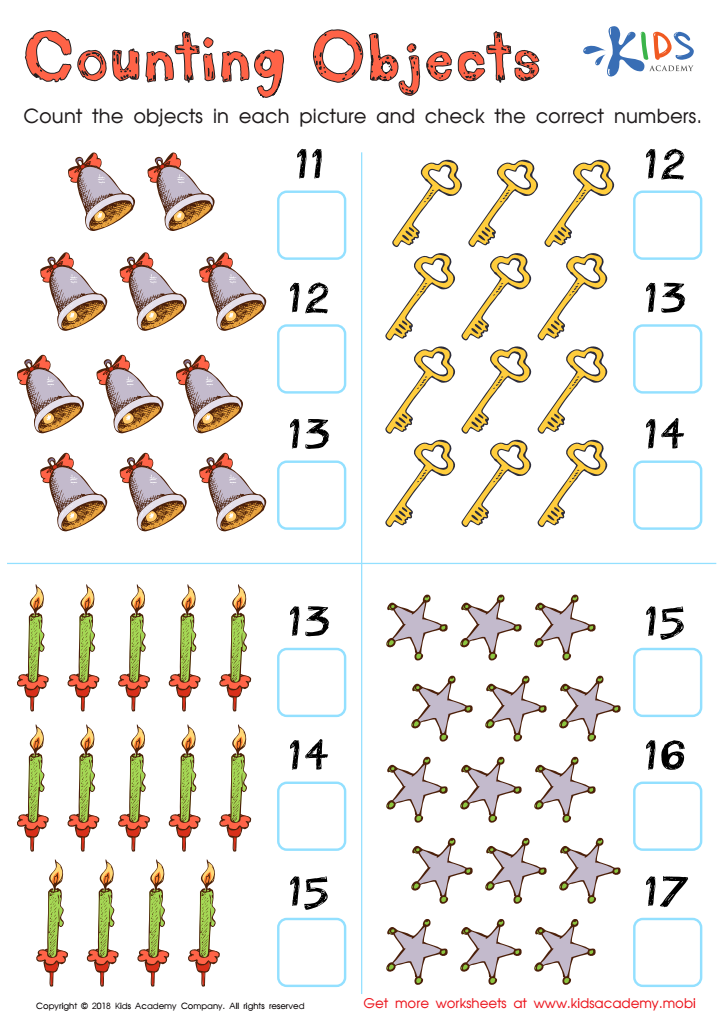
Counting Numbers Worksheet For Kindergarten
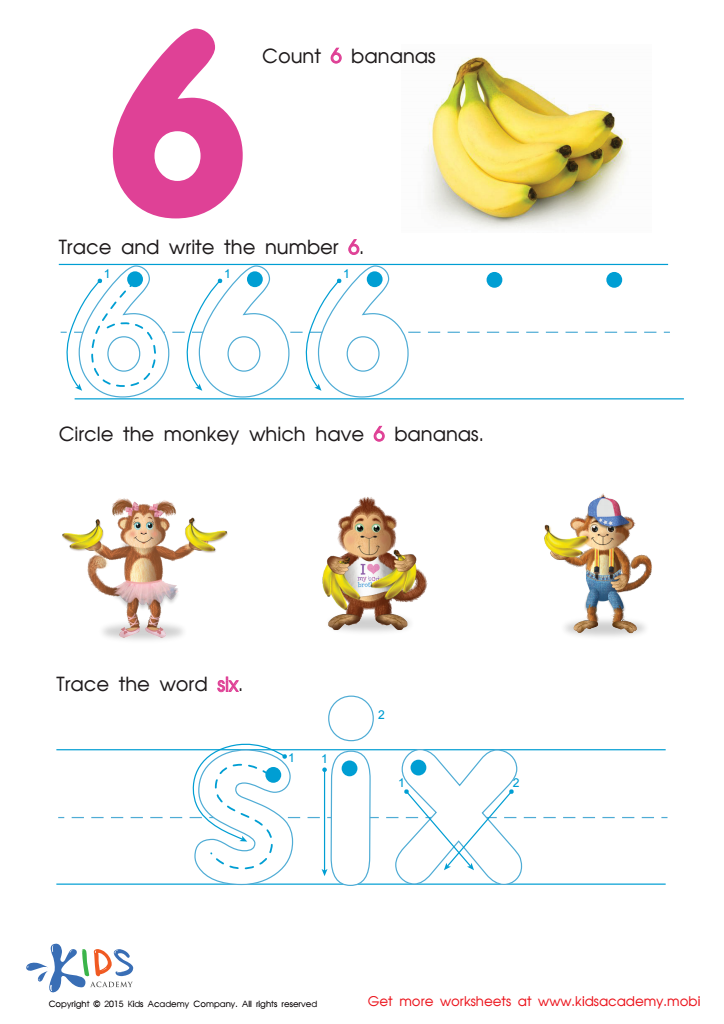
Tracing And Writing Number 6 Worksheet
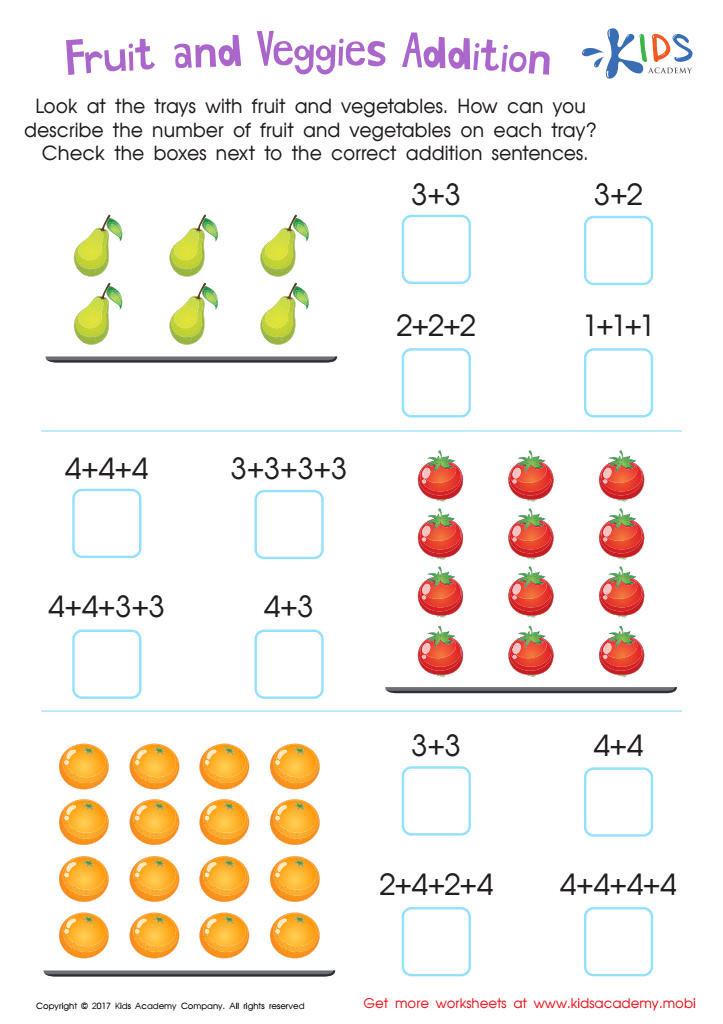
Fruit and Veggies Worksheet
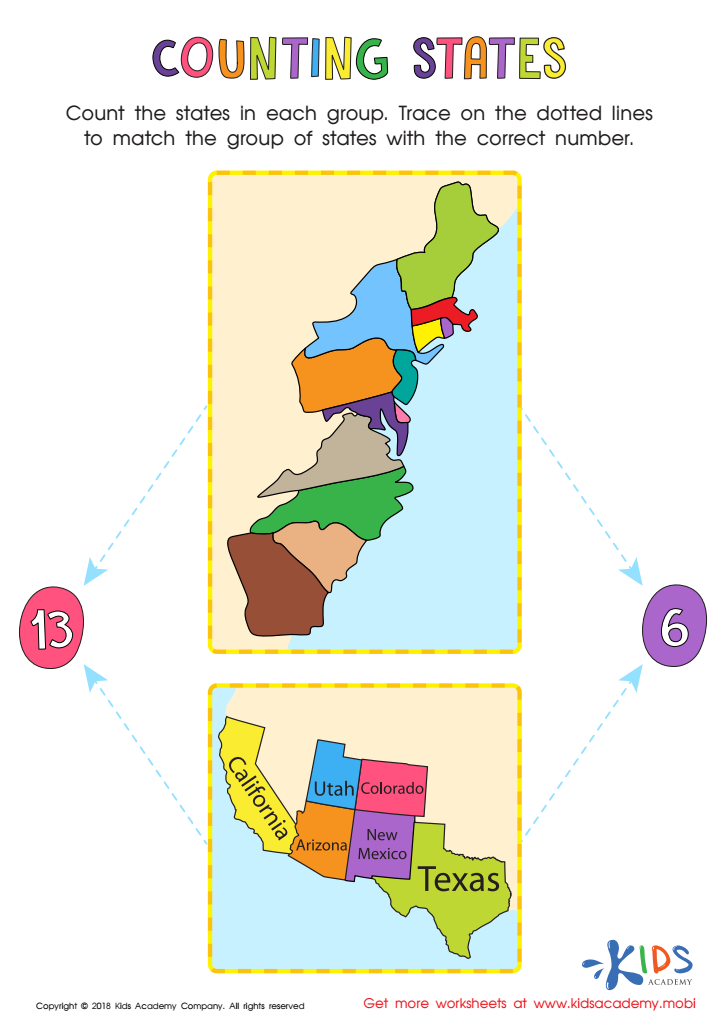
Counting States Worksheet
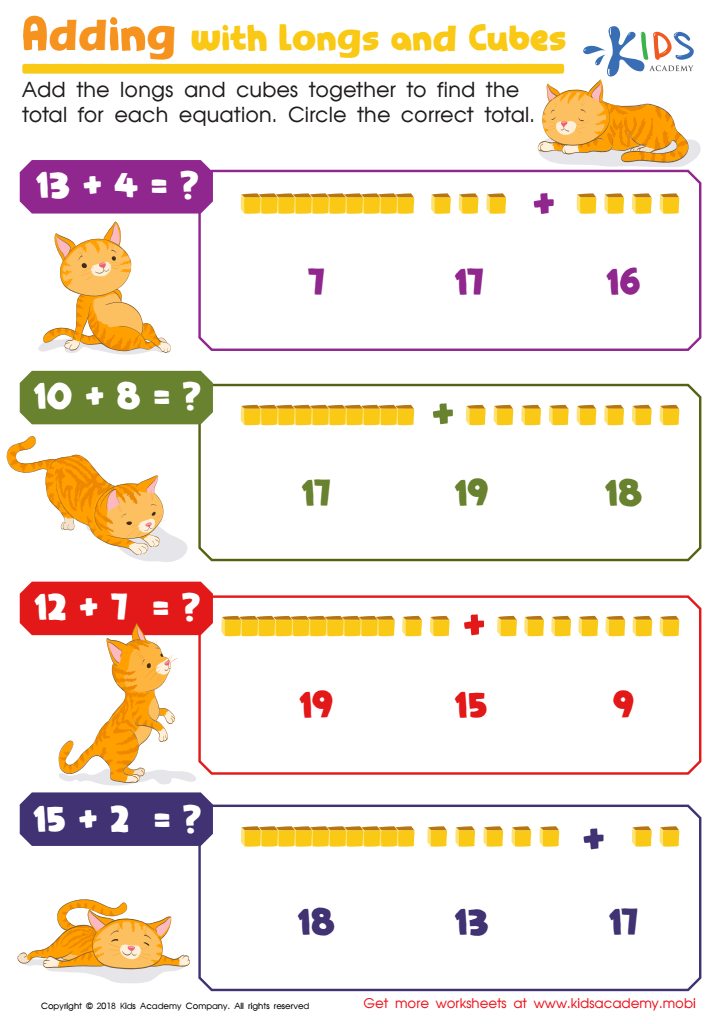
Adding With Longs and Cubes Worksheet
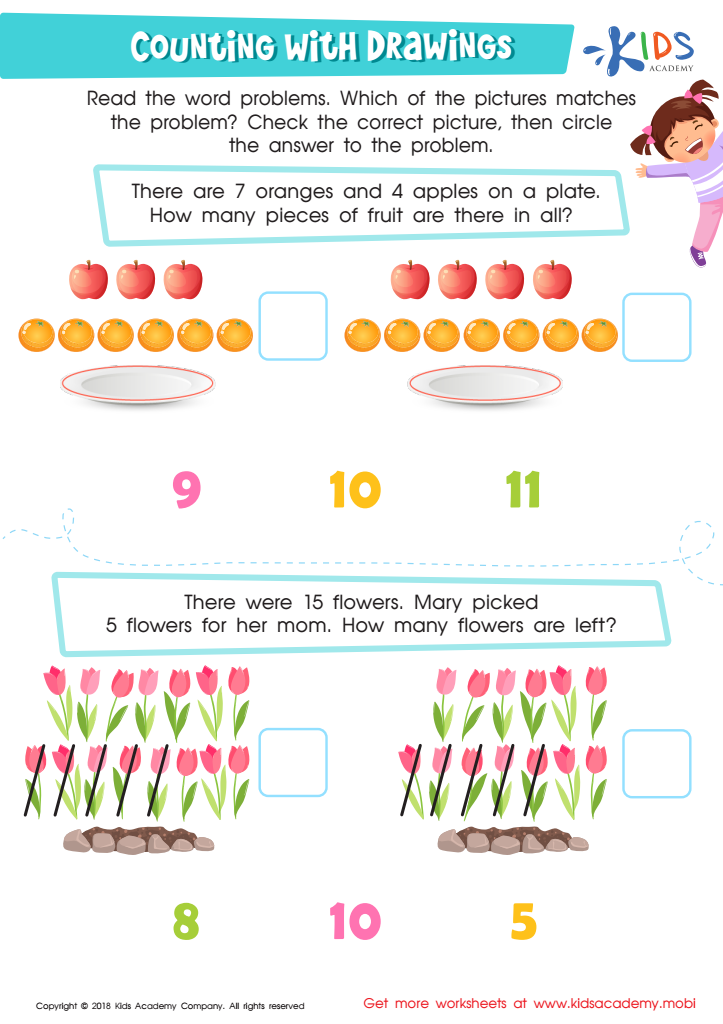
Counting with Drawings: Fruits & Chocolates Worksheet
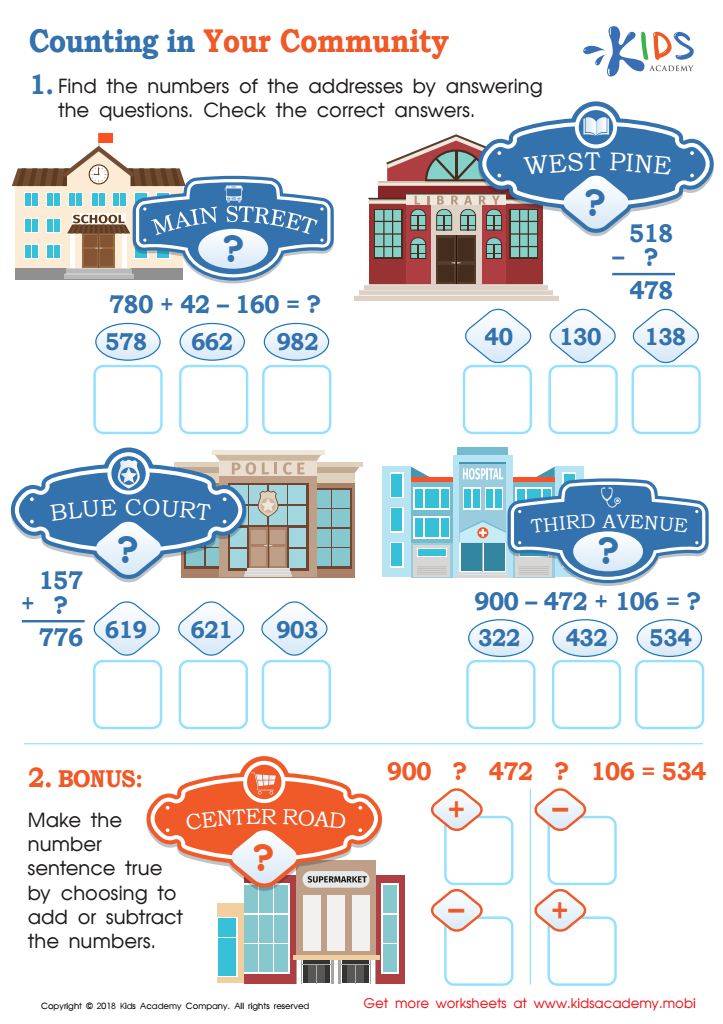
Counting in Your Community Worksheet
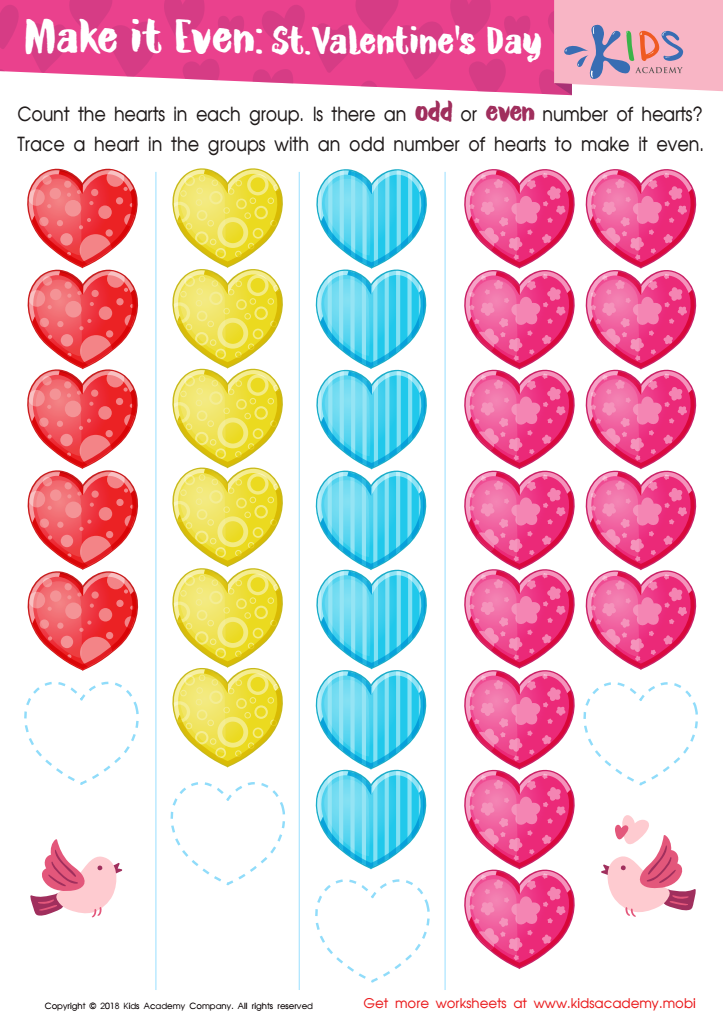
Make it Even: St. Valentine's Day Worksheet
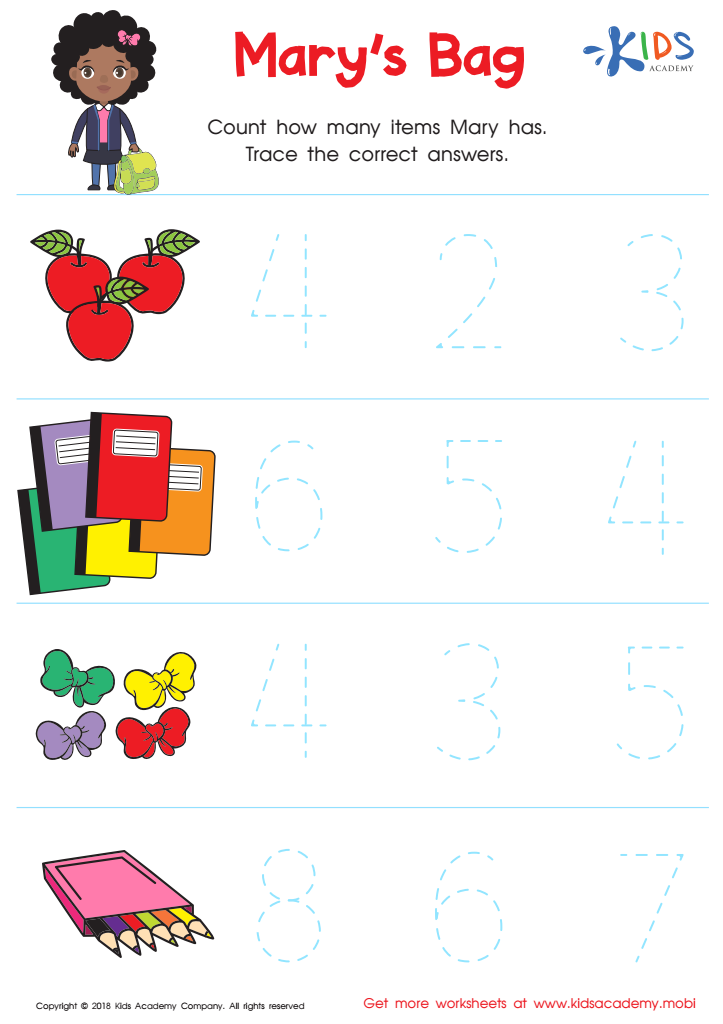
Kindergarten Number Tracing: Mary's Bag Worksheet
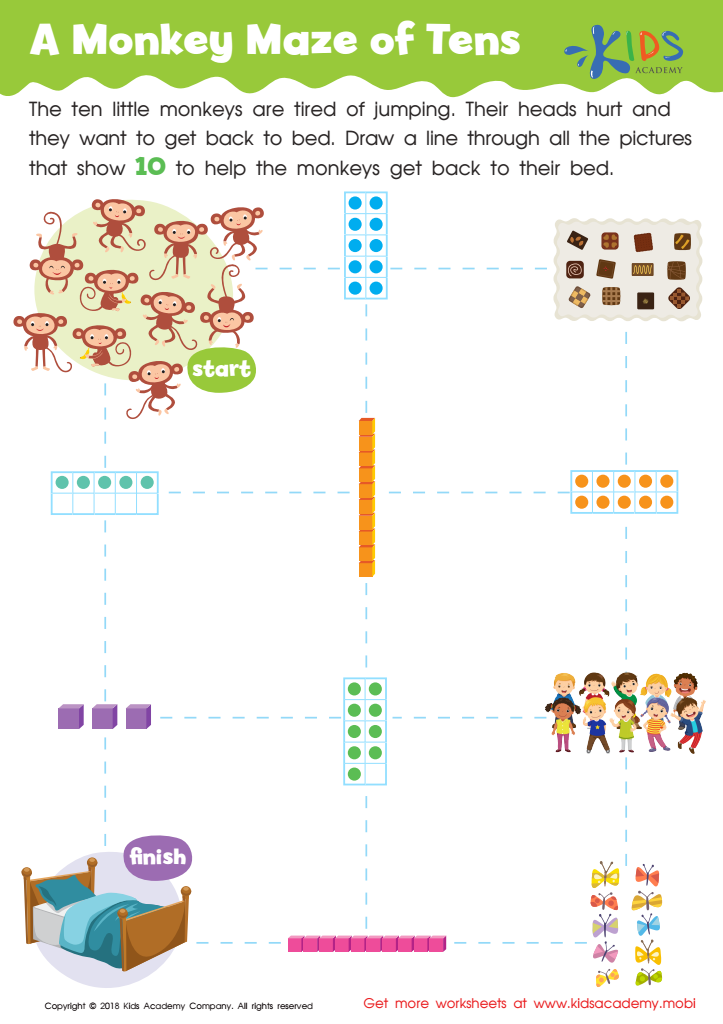
A Monkey Maze of Tens Worksheet
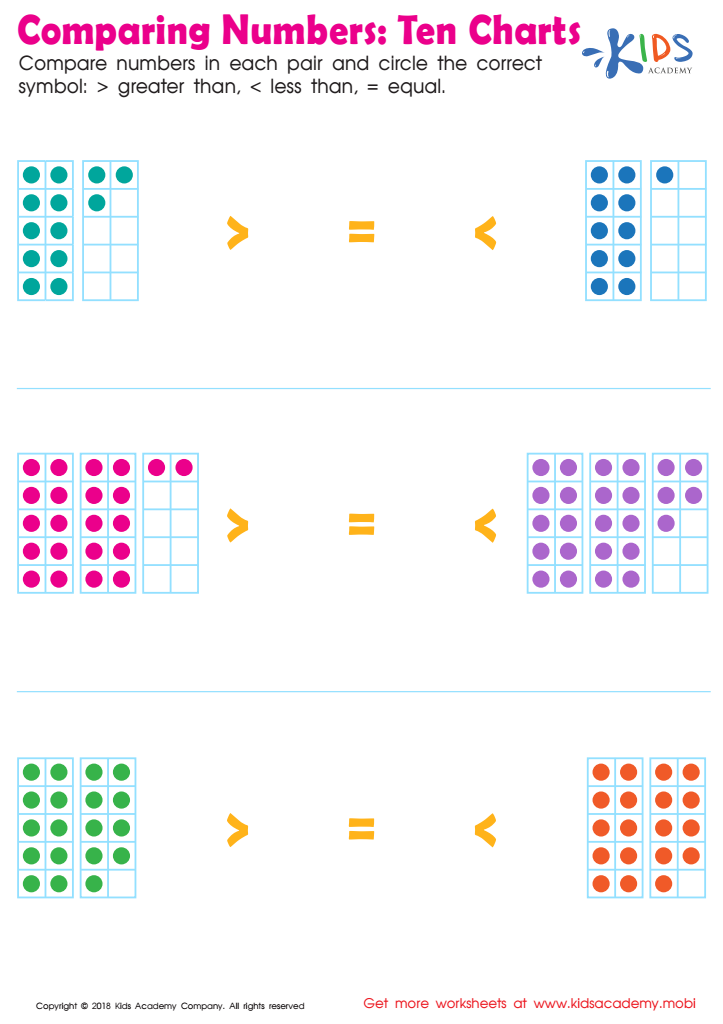
Ten Charts Worksheet
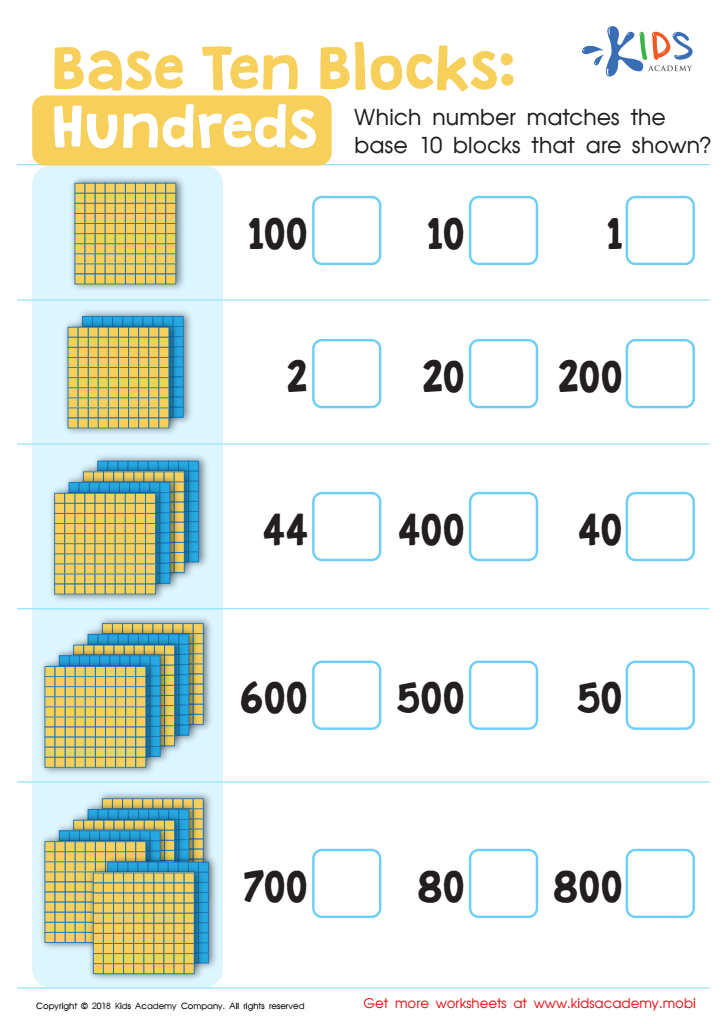
Base Ten Blocks: Hundreds Worksheet
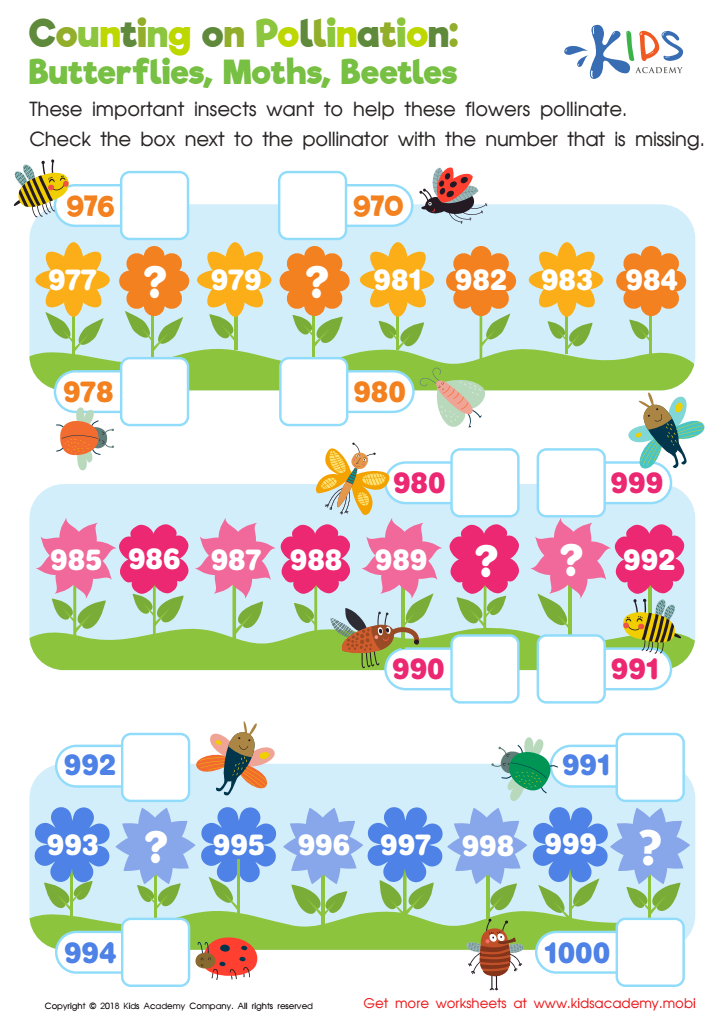
Counting on Pollination: Butterflies, Moths, Beetles Worksheet
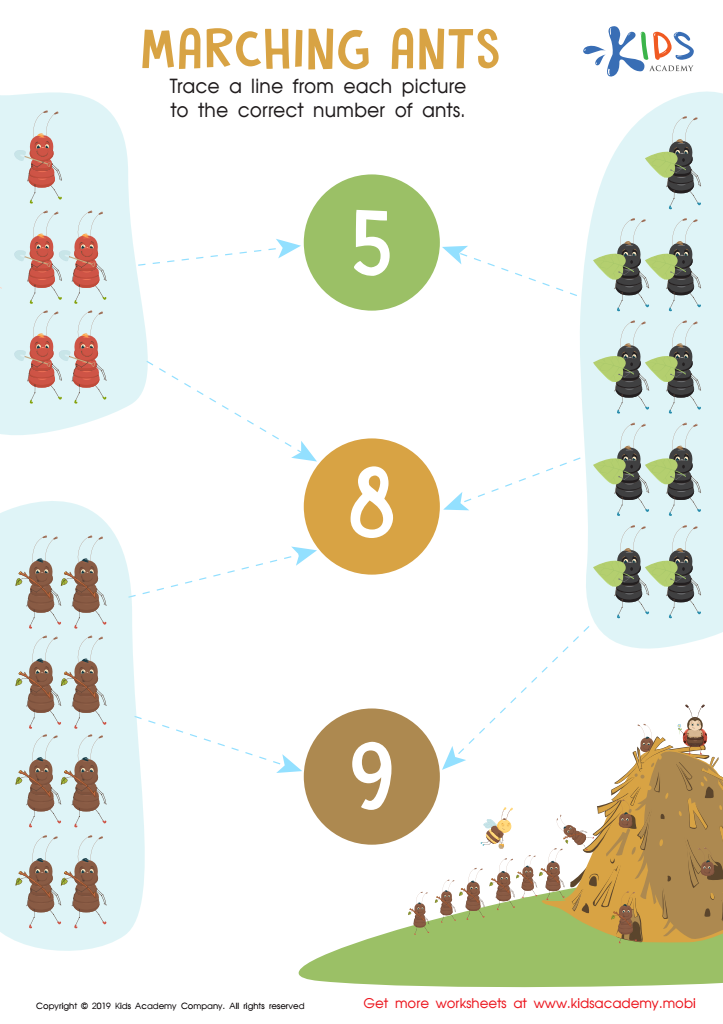
Marching Ants Worksheet
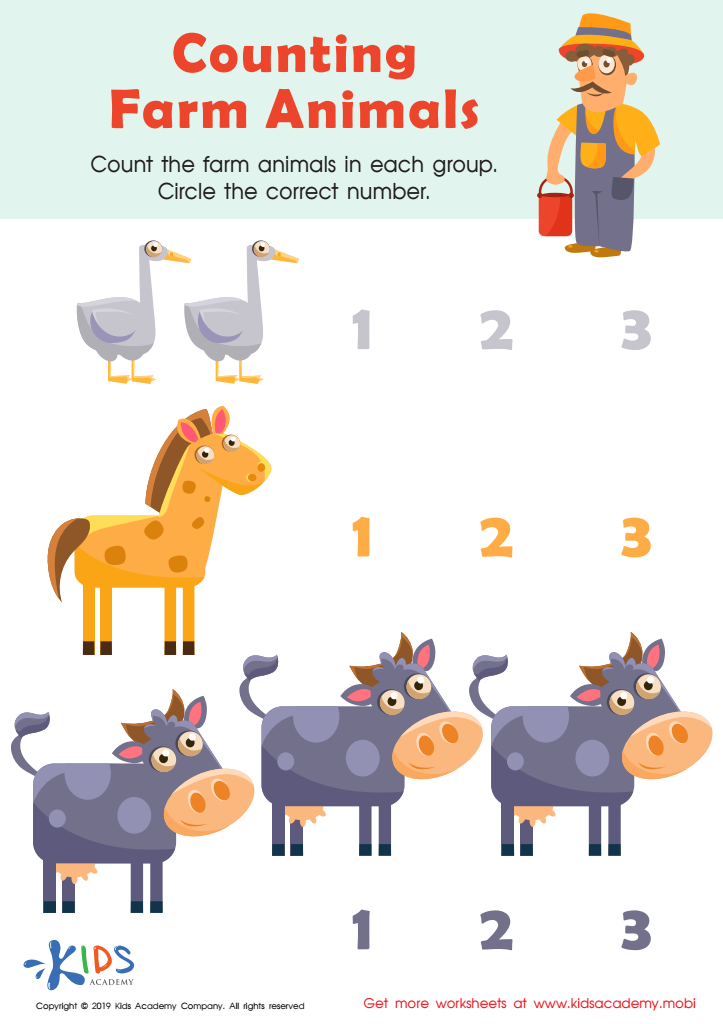
Counting Farm Animals Worksheet
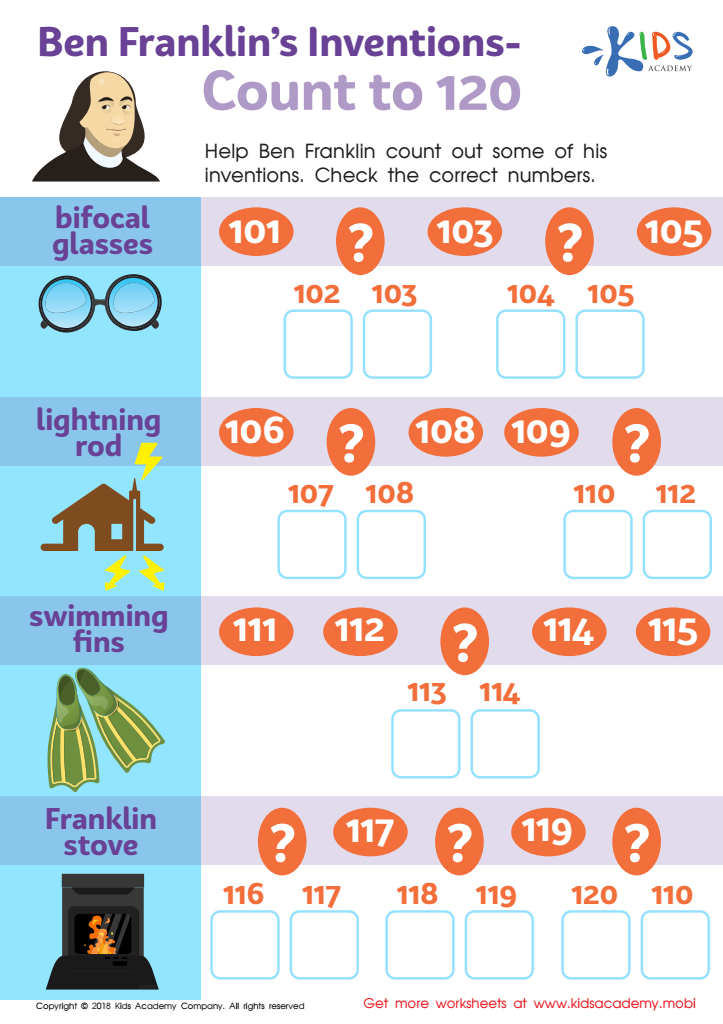
Ben Franklin’s Inventions – Count to 120 Worksheet








Counting practice with normal numbers is vital for children ages 6-9 as it lays the foundation for their mathematical understanding. At this age, children are developing crucial numeracy skills that serve as building blocks for more complex concepts, such as addition, subtraction, and problem-solving. Regular counting practice helps improve their number sense, allowing them to recognize the relationships between numbers, understand sequences, and grasp the concept of quantity.
Additionally, counting practice enhances cognitive development, boosting memory and attention spans. Engaging in counting activities fosters critical thinking and promotes an early love for math, making children more confident and motivated in their learning journey. Parents and teachers can harness a variety of fun activities, such as counting games, songs, and real-world applications, to make learning enjoyable and interactive.
Moreover, early counting skills correlate with academic success. Children who master counting are often better prepared to tackle more advanced math topics in later grades. Therefore, by integrating consistent counting practice into everyday routines, parents and teachers can better equip children with the skills they need for future academic challenges and lifelong learning. This investment in early mathematics pays off significantly in a child’s overall educational development.








