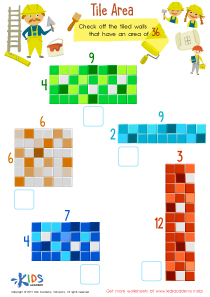
Critical Thinking Normal Numbers Worksheets for Ages 6-9
3 filtered results
-
From - To
Explore our "Critical Thinking Normal Numbers Worksheets" designed for children aged 6-9! These engaging worksheets help young learners enhance their critical thinking and math skills through fun and interactive activities. Featuring a variety of exercises that encourage problem-solving and logical reasoning, students will practice identifying numbers, patterns, and sequences while building essential cognitive abilities. Our user-friendly layout ensures that children can work independently or with minimal guidance. Perfect for classroom use or at-home learning, these worksheets make mastering numbers an exciting challenge. Equip your child with the skills for academic success and foster a lifelong love of learning today!
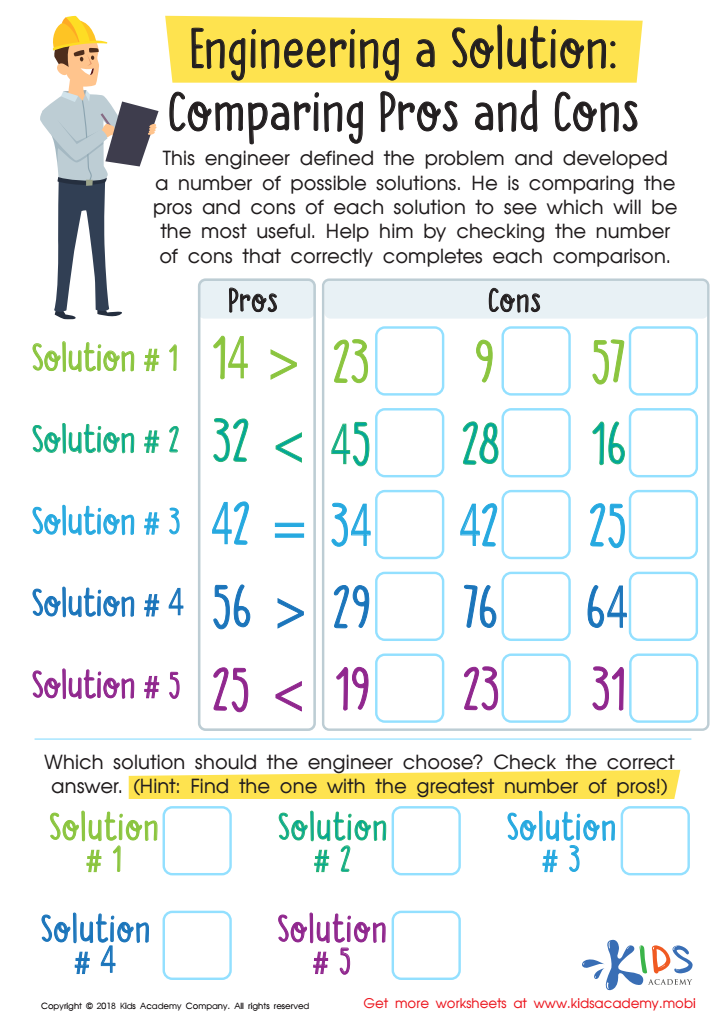
Engineering a Solution: Comparing Pros and Cons Worksheet
 Assign to My Students
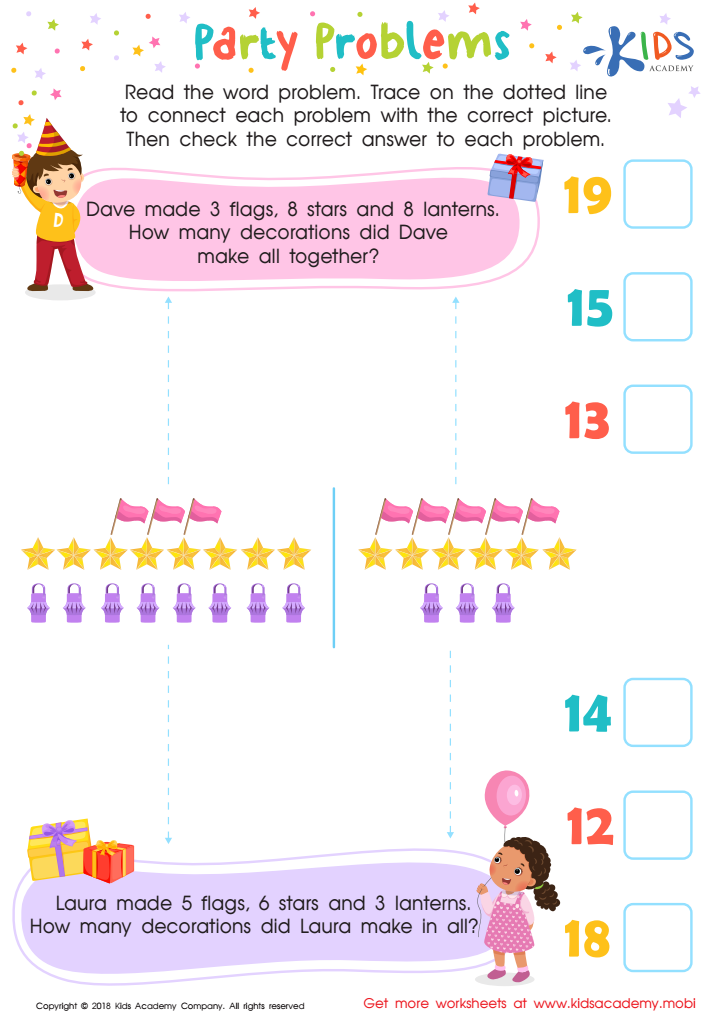
Party Problems Worksheet

World Traveler Worksheet








Critical thinking is essential for children aged 6-9 as it lays the foundation for problem-solving, creativity, and decision-making skills that will benefit them throughout their lives. During these formative years, children engage in developing their cognitive abilities, and incorporating critical thinking exercises into their learning can significantly enhance their understanding of fundamental concepts, such as normal numbers.
Understanding normal numbers—whole numbers that children regularly encounter—is crucial in helping students develop a sense of numeracy and mathematical reasoning. When parents and teachers encourage discussions around these numbers, they empower children to question, reason, and analyze patterns, establishing a deeper grasp of mathematics' relevance in their everyday lives.
Moreover, promoting critical thinking fosters independence and confidence in students; they learn to articulate their thoughts, compare different strategies for problem-solving, and create connections between concepts. This intellectual curiosity sparks a love for learning, motivating children to explore subjects more deeply, not just in mathematics but across various disciplines.
By prioritizing critical thinking related to normal numbers, parents and teachers cultivate resilient, inquisitive learners who are better prepared to tackle complex challenges in the future, both in academia and in life. Emphasizing these skills during early childhood ultimately equips children for success.