Interpreting data Normal Numbers Worksheets for Ages 6-9
3 filtered results
-
From - To
Discover our "Interpreting Data Normal Numbers Worksheets," designed for children ages 6-9. These engaging worksheets help young learners develop essential skills in interpreting data while making math fun! Each activity focuses on understanding numbers and how they relate to daily life, encouraging critical thinking and problem-solving abilities. Students will enjoy interactive exercises that build their ability to analyze simple graphs, charts, and data sets. Perfect for classroom use or at-home practice, our worksheets provide clear instructions and vibrant visuals to maintain children's interest. Equip your child with the confidence to comprehend and interpret data in a playful, educational way!
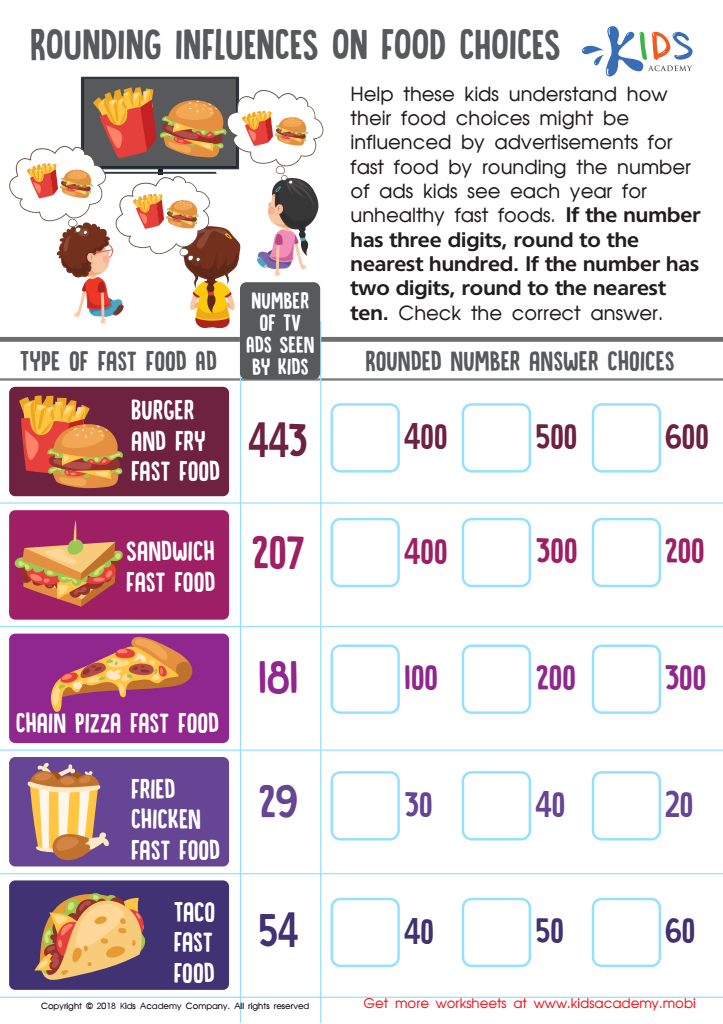
Rounding Influences Food Choices Worksheet
 Assign to My Students
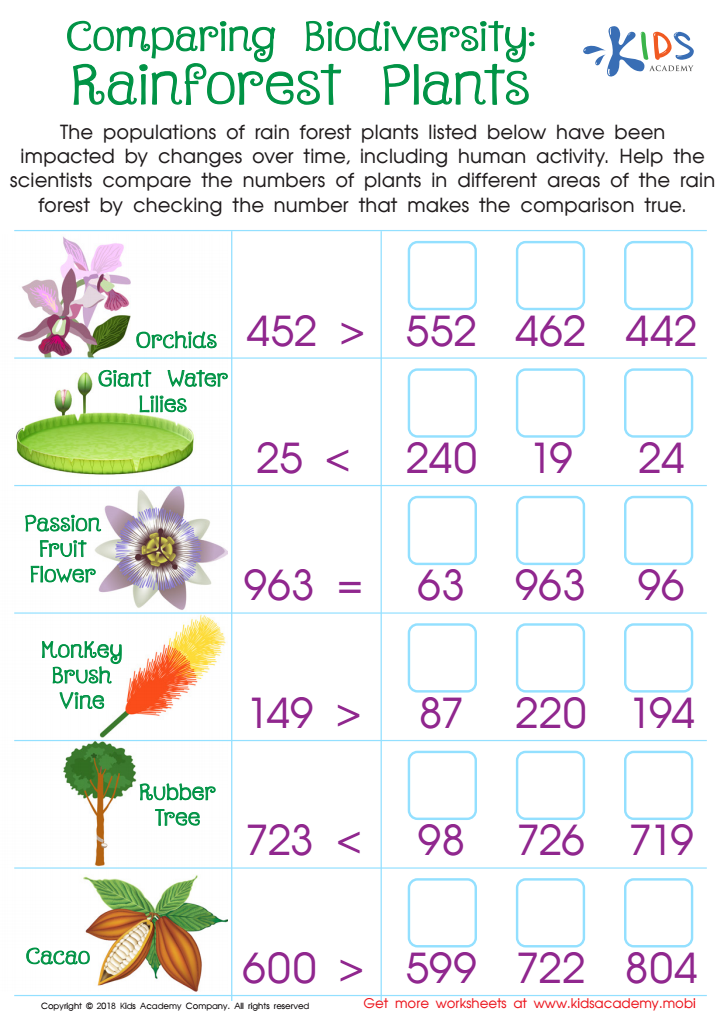
Comparing Biodiversity: Rainforest Plants Worksheet
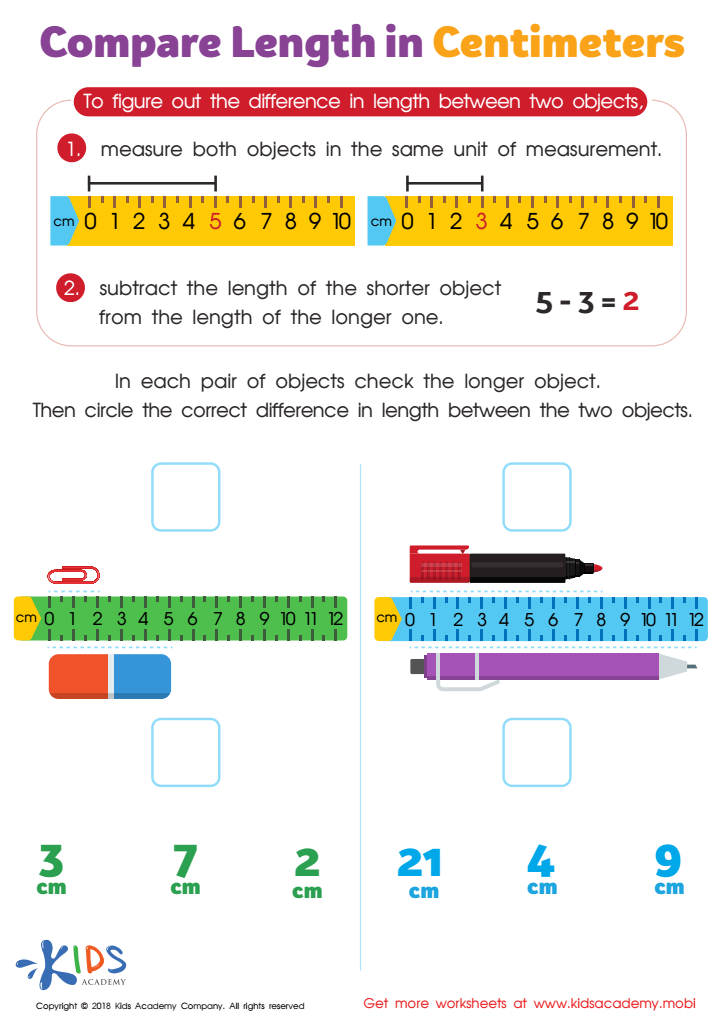
Compare Length in Centimeters Worksheet








Interpreting data, particularly normal numbers, is crucial for children aged 6-9, as it lays the foundation for essential mathematical skills and critical thinking. At this stage, children begin to recognize patterns in data and understand how to make sense of the world around them. When parents and teachers emphasize the importance of data interpretation, they equip children with the ability to gather, analyze, and draw conclusions from information, skills vital in our increasingly data-driven society.
Understanding normal numbers involves recognizing the characteristics of numerical data, such as averages, distributions, and trends. This comprehension aids children in solving real-world problems, whether it be comparing heights of classmates or understanding temperatures over a week. By engaging with data in meaningful ways, children not only enhance their arithmetic skills but also develop critical reasoning and inquiry skills.
Moreover, fostering an early interest in data encourages curiosity and promotes a growth mindset, suggesting that they can improve their skills with practice and persistence. Parents and teachers who prioritize data interpretation are instrumental in preparing children for future academic and life challenges, making it a key focus in early education.