Number writing Normal Numbers Worksheets for Ages 6-9
3 filtered results
-
From - To
Welcome to our "Number Writing Normal Numbers Worksheets for Ages 6-9" page! Designed specifically for young learners, these engaging worksheets provide a fun and interactive way for children to practice writing normal numbers. Catering to different skill levels, our resources help improve number recognition, handwriting, and numerical fluency, ensuring a solid foundation in math. Each worksheet is crafted with colorful graphics and clear instructions to maintain interest and motivation. Perfect for teachers and parents alike, these printables will support your child's learning journey as they master number writing in an enjoyable and effective manner. Explore our collection today!
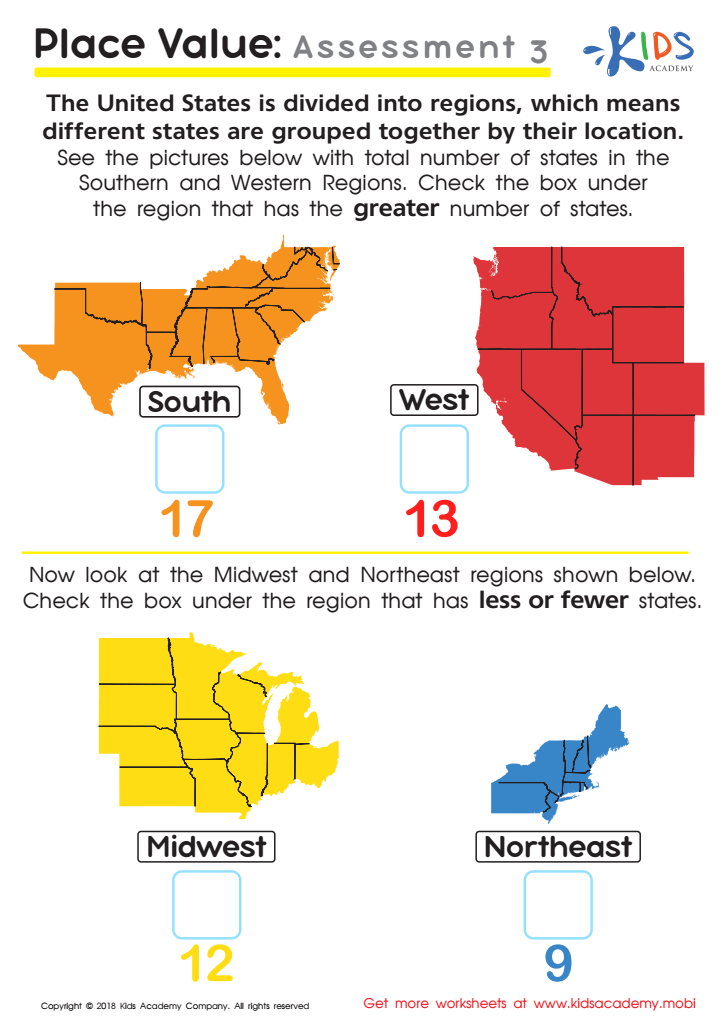
Place Value: Assessment 3 Worksheet
 Assign to My Students
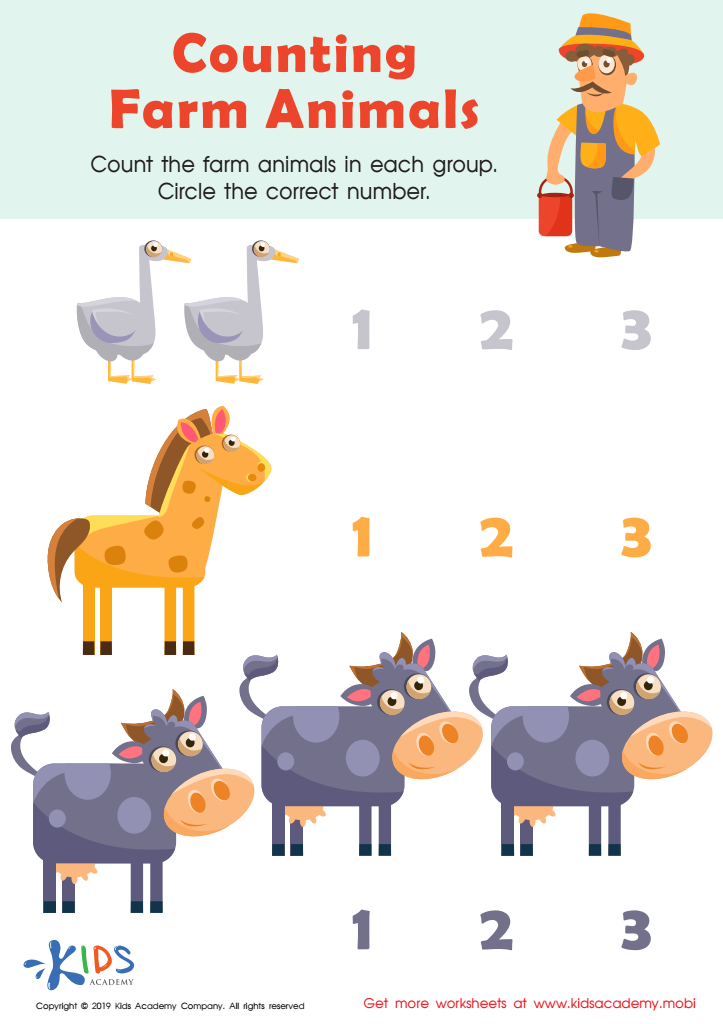
Counting Farm Animals Worksheet
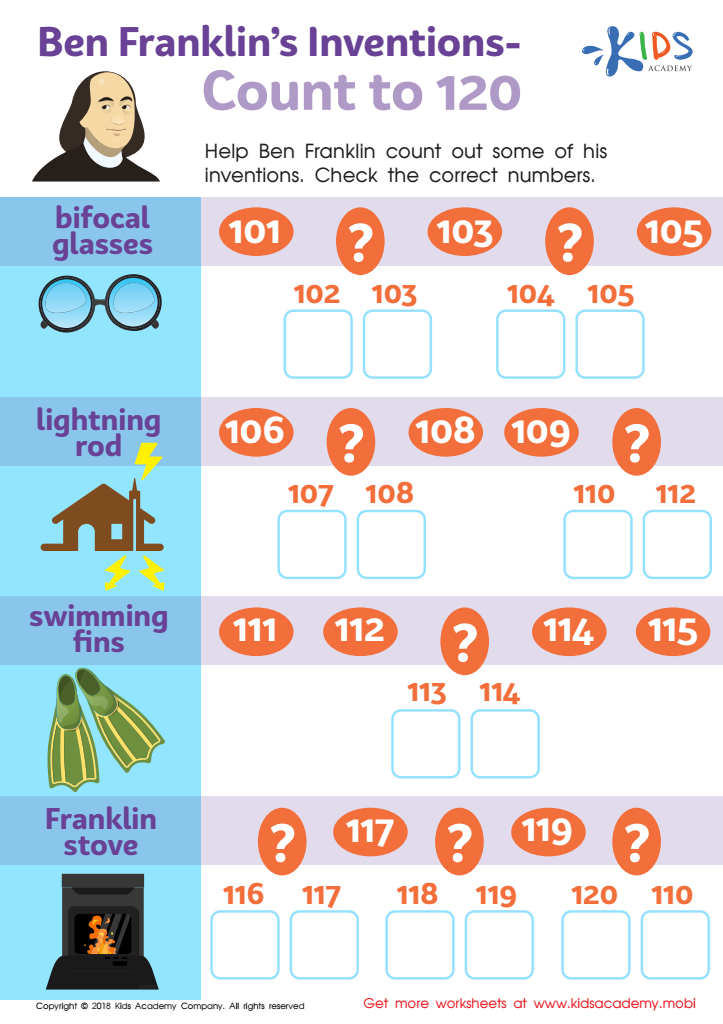
Ben Franklin’s Inventions – Count to 120 Worksheet








Teaching normal number writing to children aged 6-9 is vital for several reasons. At this developmental stage, children are laying the foundation for their mathematical understanding and writing skills. Firstly, mastering normal number writing helps them develop numeral recognition and the ability to read and write numbers accurately. This builds confidence as they engage with basic arithmetic tasks, like addition and subtraction.
Moreover, effective number writing prepares children for more complex mathematical concepts, such as place value, ordering, and measurement. Consistent practice helps them cultivate fine motor skills, enabling them to form numbers legibly and efficiently. In an age where digital devices are prevalent, there is still significant importance in fostering traditional writing skills—a skill that aids in cognitive development and academic achievement.
Additionally, parents and teachers can foster a positive attitude towards mathematics by creating engaging activities that involve number writing—such as games, puzzles, or real-life applications, like shopping or cooking. These experiences can help demystify math, making it more accessible and enjoyable, while reinforcing the practicality of writing numbers. Ultimately, ensuring children are skilled in normal number writing is an essential investment in their academic futures and overall confidence in mathematical endeavors.








