Associative learning Normal Math Worksheets for Ages 6-9
3 filtered results
-
From - To
Discover our Associative Learning Normal Math Worksheets designed specifically for children aged 6-9. These engaging, age-appropriate worksheets help young learners strengthen their understanding of mathematical concepts through associations and connections. By utilizing fun exercises, children will enhance their problem-solving skills while exploring patterns, relationships, and basic operations. Our worksheets provide a well-rounded approach to math that encourages critical thinking and number sense in a playful, interactive format. Foster a love for math in your child and aid their educational journey with our thoughtfully crafted resources. Perfect for home or classroom use, these worksheets make learning math both enjoyable and effective!
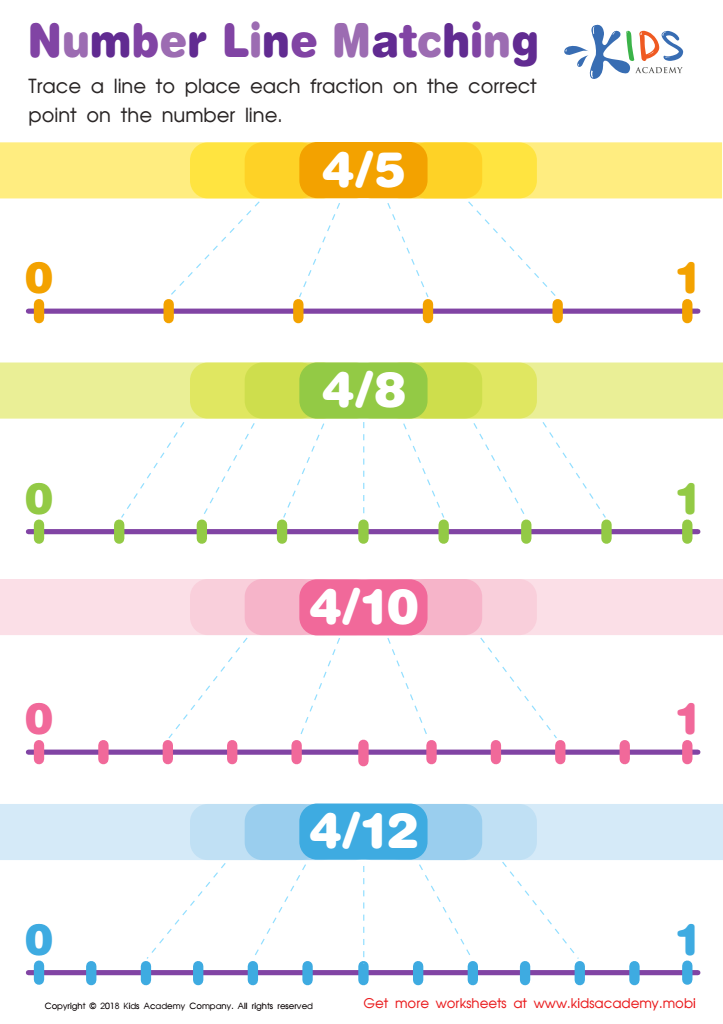
Number Line Matching Worksheet
 Assign to My Students
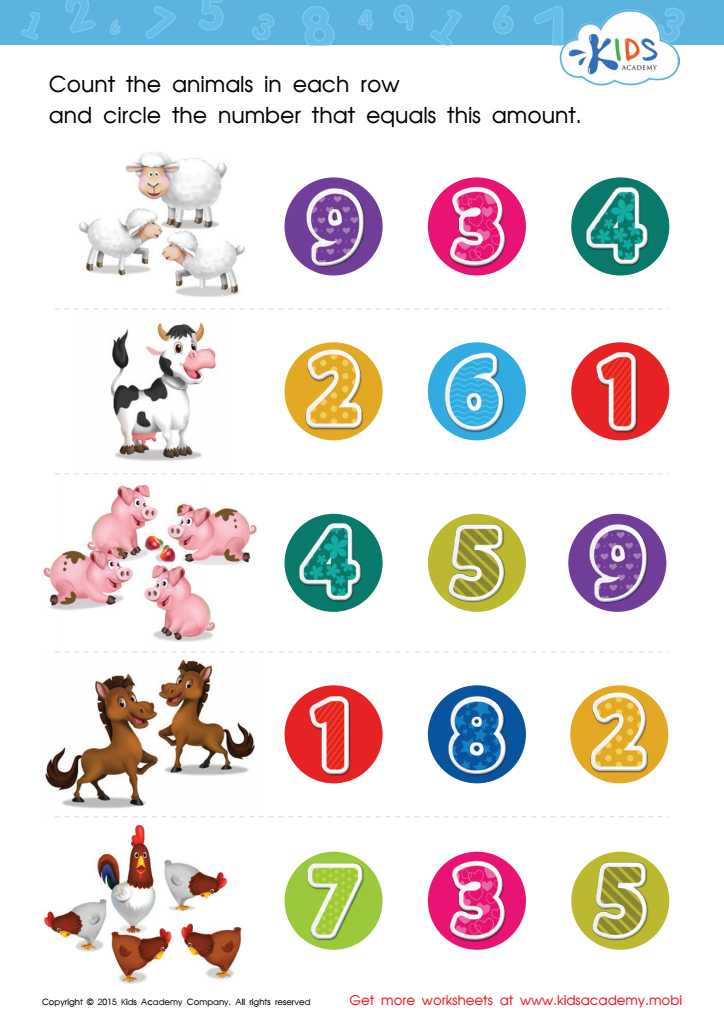
Count and Match 1 – 5 Math Worksheet
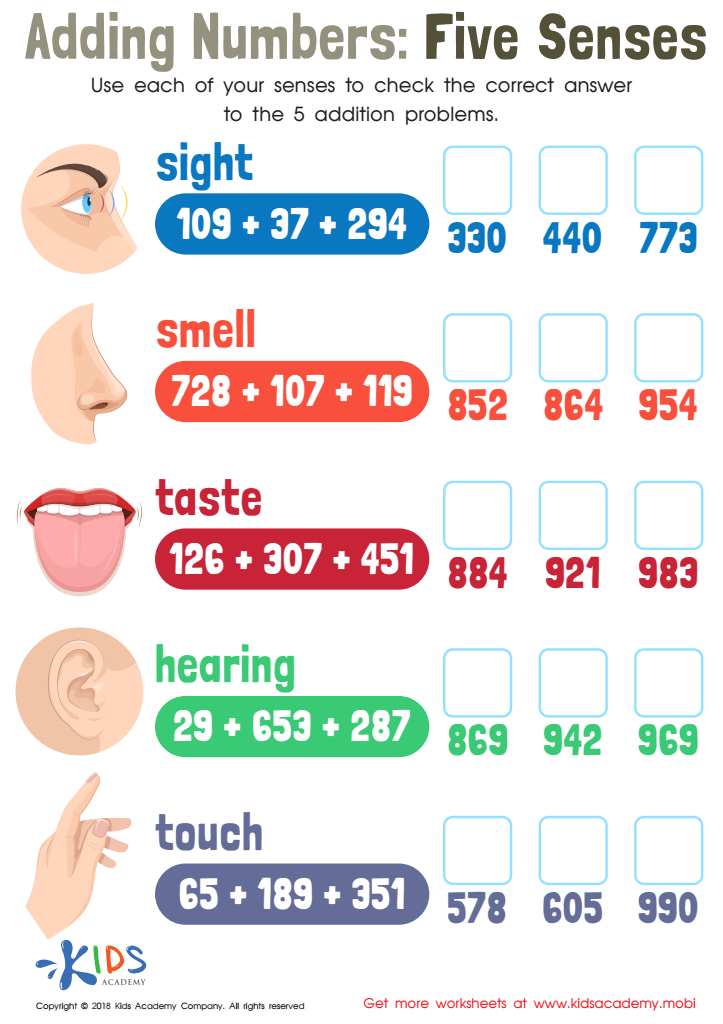
Adding Numbers: Five Senses Worksheet








Associative learning, particularly in the context of normal math for children ages 6-9, is crucial for building a strong mathematical foundation. This type of learning involves connecting new information with existing knowledge, helping children to understand mathematical concepts more deeply. At this age, children are naturally curious and eager to explore, making it an ideal time for integrating associative learning strategies into their education.
Parents and teachers should care about this approach because it enhances problem-solving abilities and critical thinking skills. When children learn to associate numbers with real-world contexts—like counting objects or relating addition to sharing—they can grasp concepts more intuitively. This method not only fosters a positive attitude toward math but also encourages creativity and exploration, leading to a lifelong love of learning.
Moreover, the skills acquired through associative learning, such as pattern recognition and logical reasoning, are transferable across various subjects, enriching the overall educational experience. By supporting this type of learning, adults play a significant role in developing capable, confident learners who are well-equipped to tackle more complex mathematical challenges in the future. Ultimately, prioritizing associative learning in early math education lays a foundation for successful academic growth and personal development.








