Logical Reasoning Normal Math Worksheets for Ages 6-9
13 filtered results
-
From - To
Discover our engaging Logical Reasoning Normal Math Worksheets, designed specifically for ages 6-9. These worksheets help build essential critical thinking and problem-solving skills through a variety of fun math activities. Each printable worksheet encourages kids to explore patterns, sequence events, and solve puzzles, fostering their cognitive development and love for learning. Perfect for home or classroom use, our age-appropriate exercises make mastering logical reasoning an enjoyable and rewarding experience. Dive into our curated collection and set your young learners on a path to math success today! Visit Kids Academy for more educational resources.
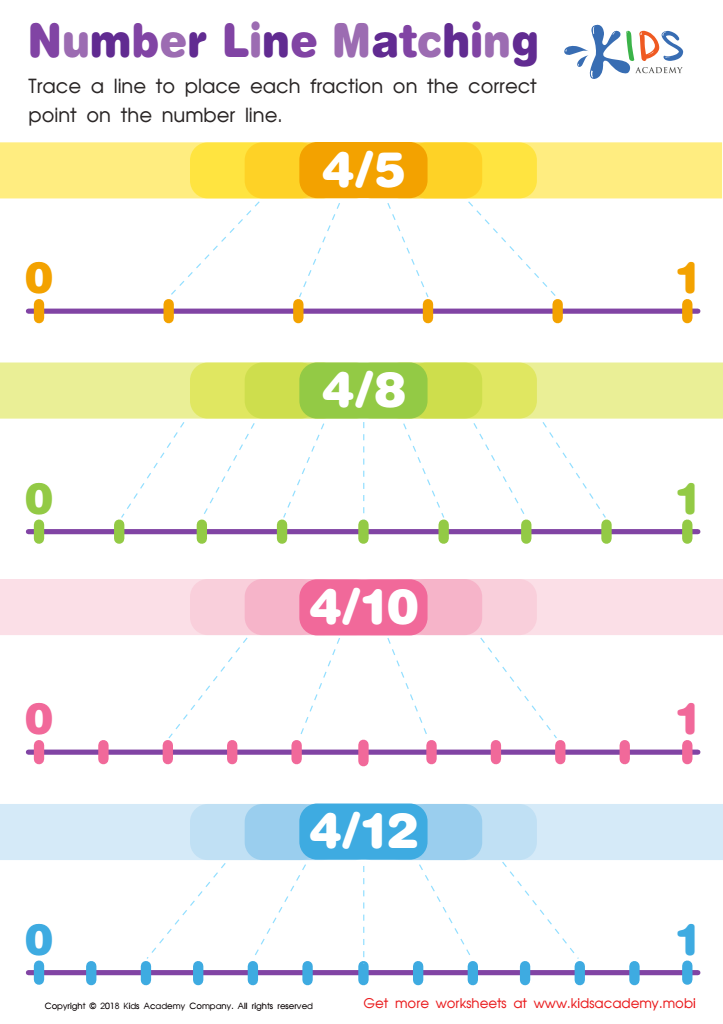
Number Line Matching Worksheet
 Assign to My Students
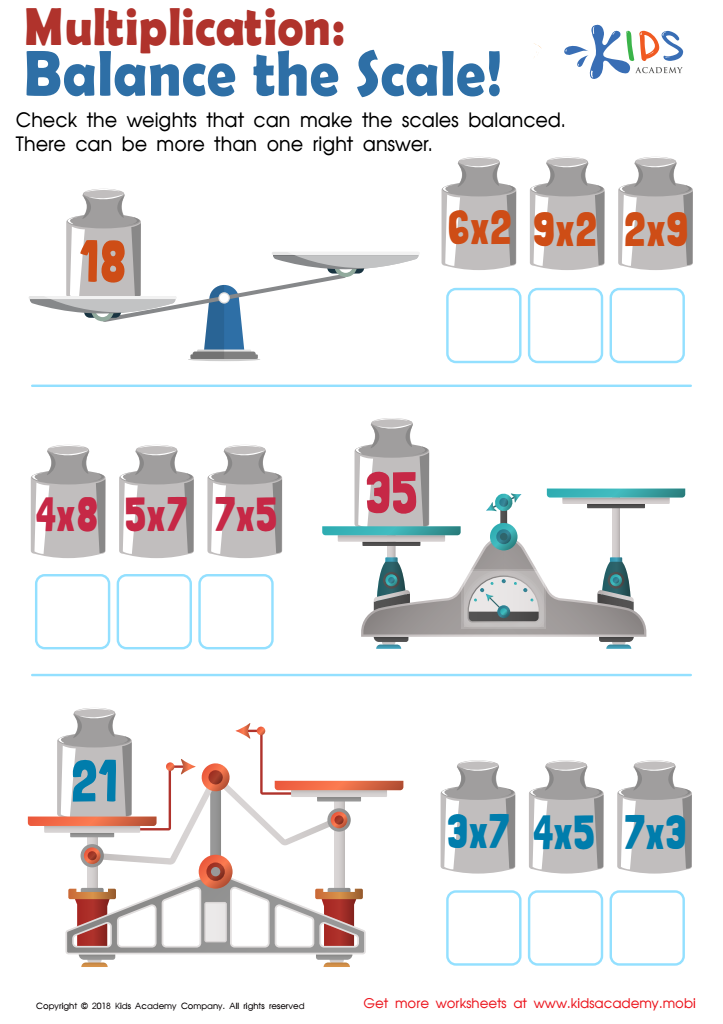
Balance the Scales Multiplication Worksheet
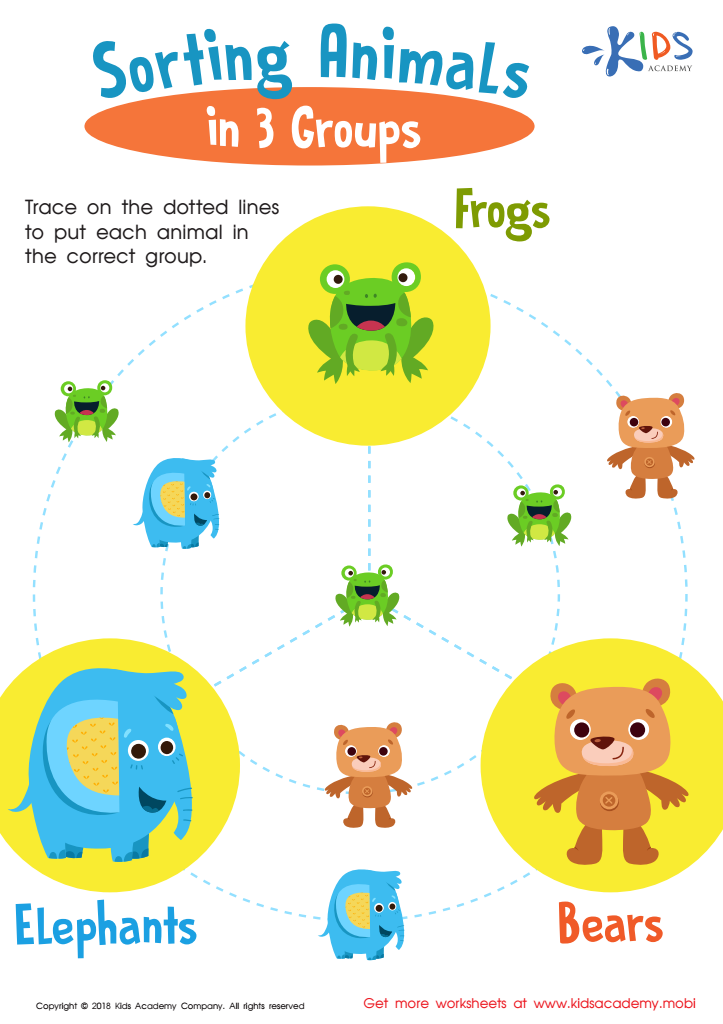
Sorting Animals in 3 Groups Worksheet
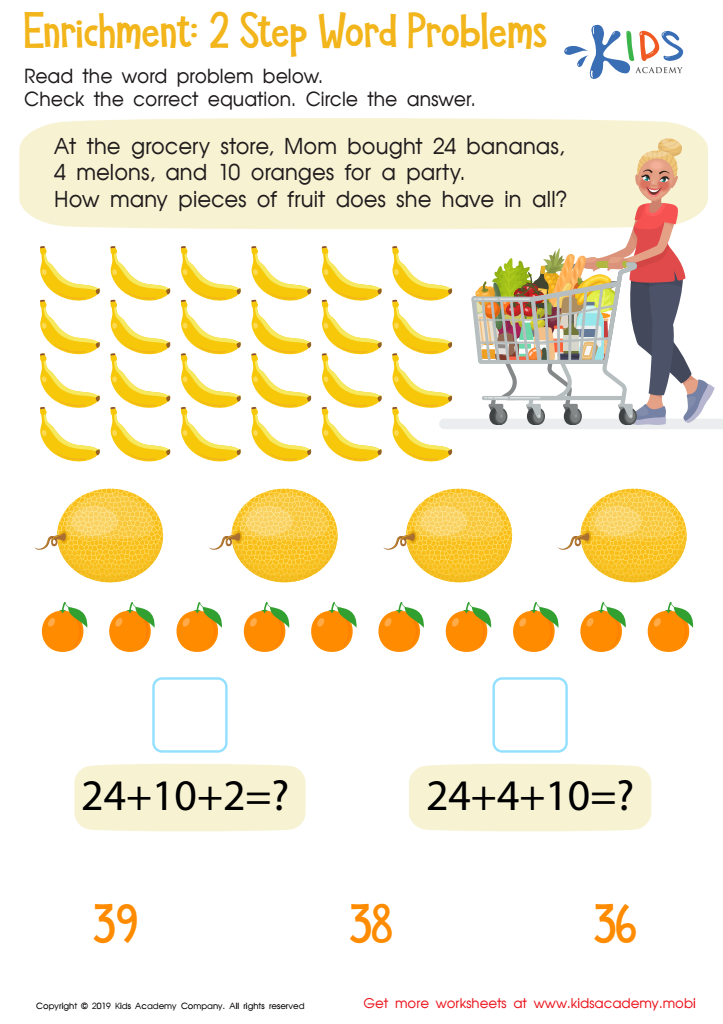
Enrichment -2 Step Word Problems Worksheet
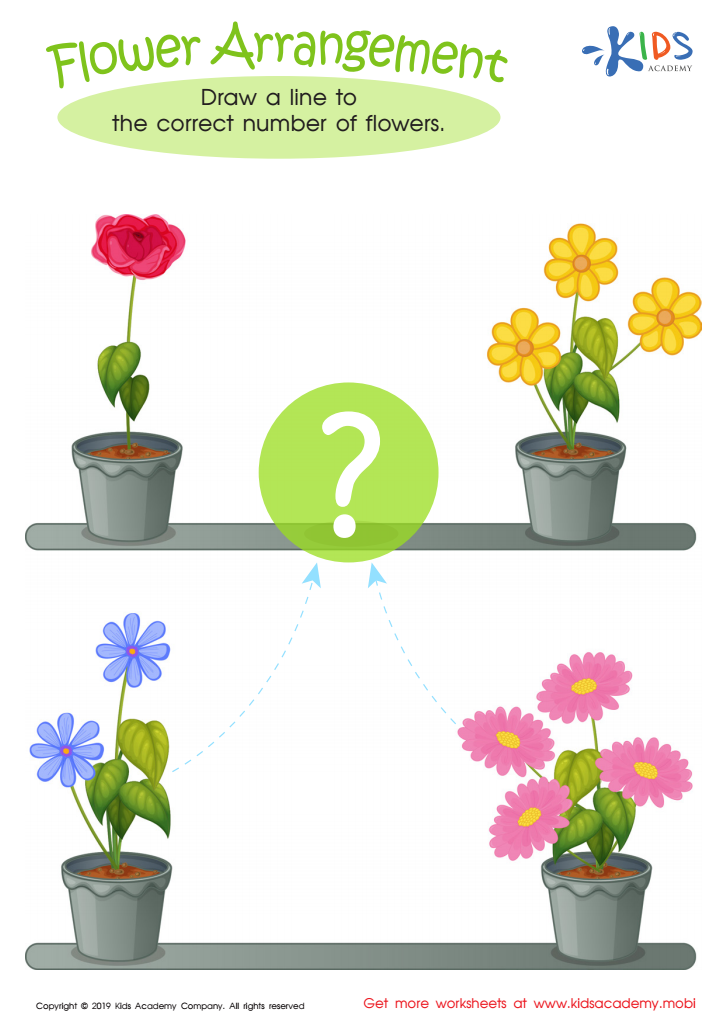
Flower Arrangement Worksheet
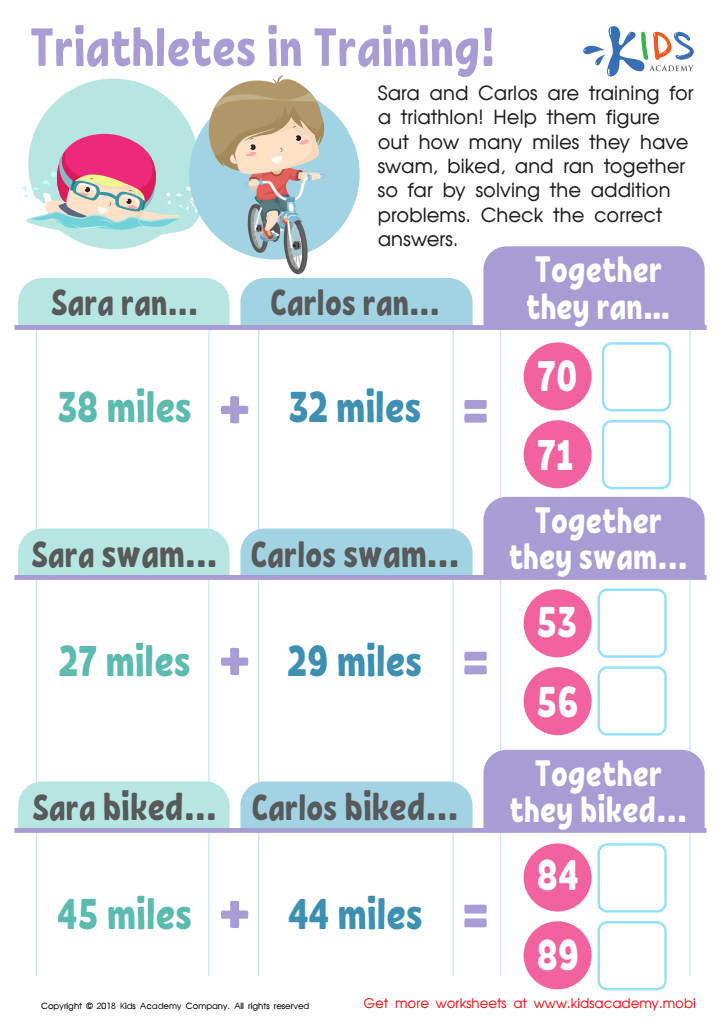
Triathletes in Training Worksheet
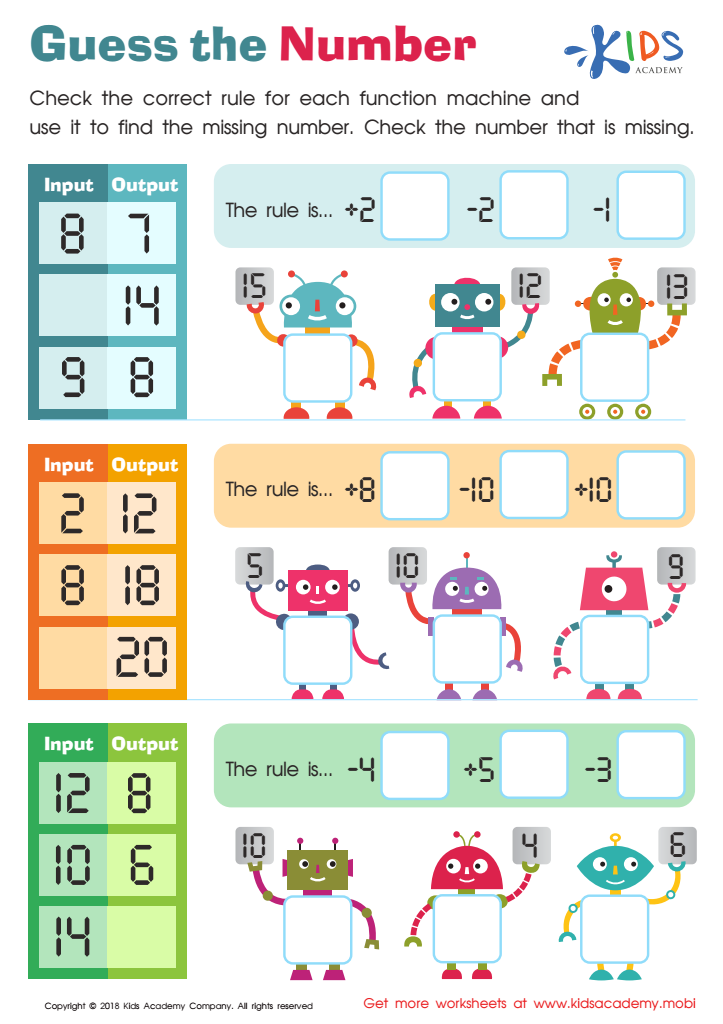
Guess the Number Worksheet
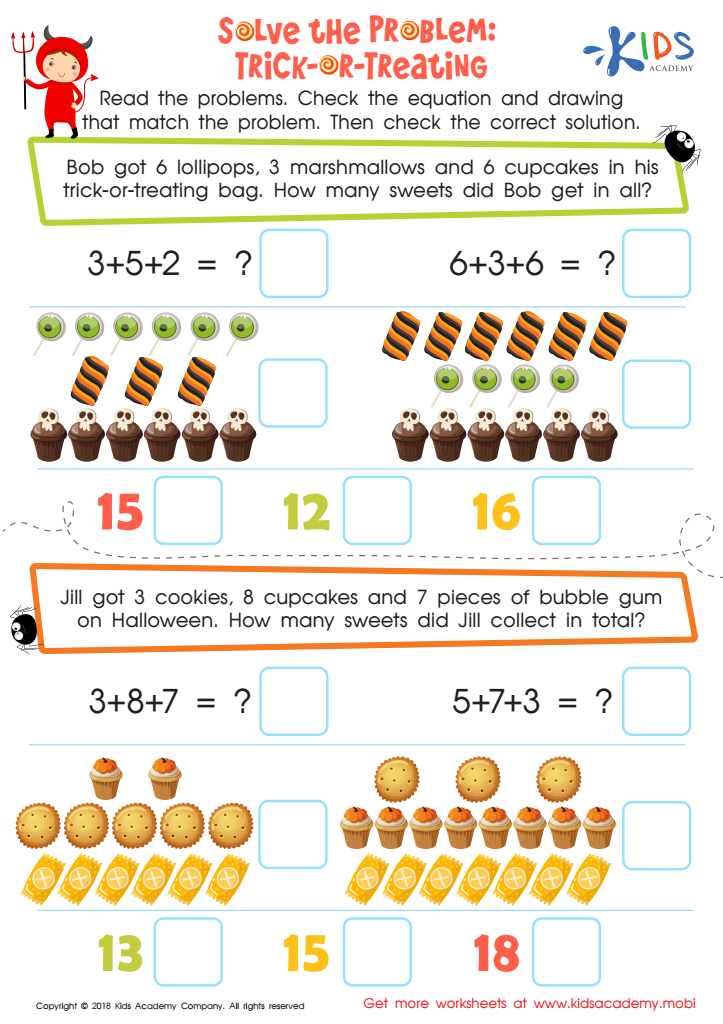
Solve the Problem: Trick–or–treating Worksheet
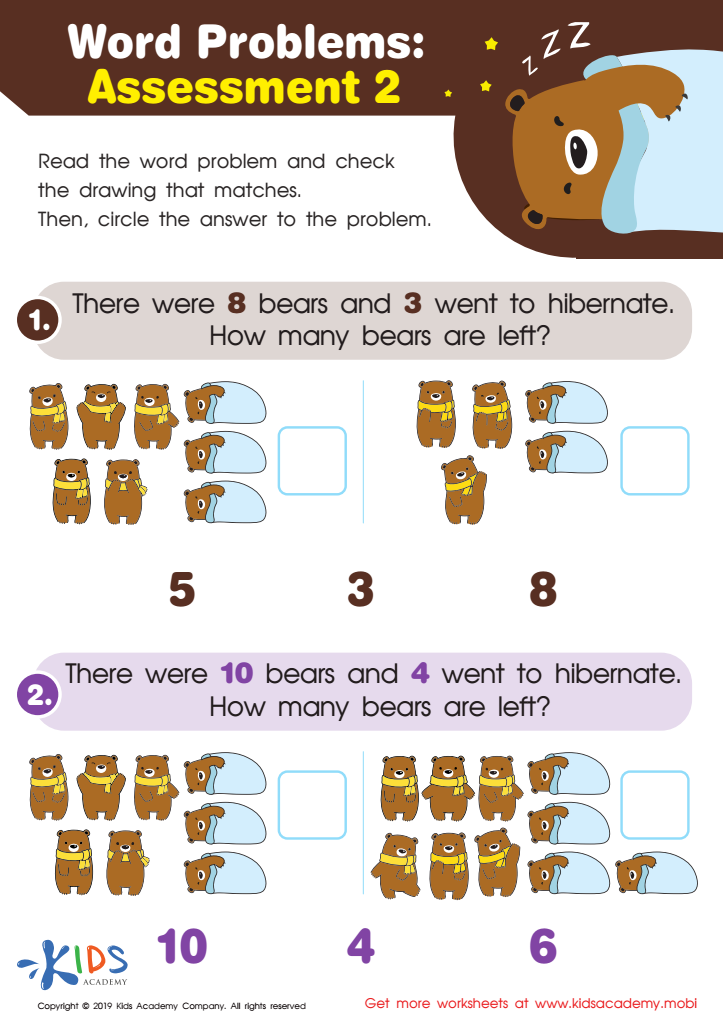
Word Problems: Assessment 2 Worksheet
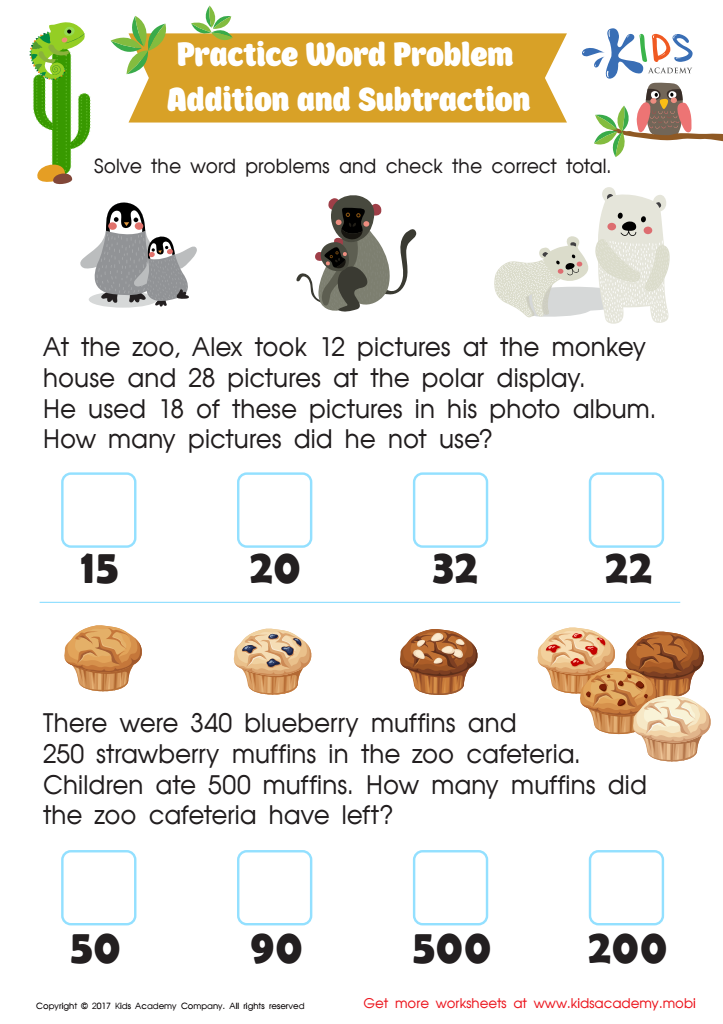
Addition and Subtraction: Word Problems Worksheet
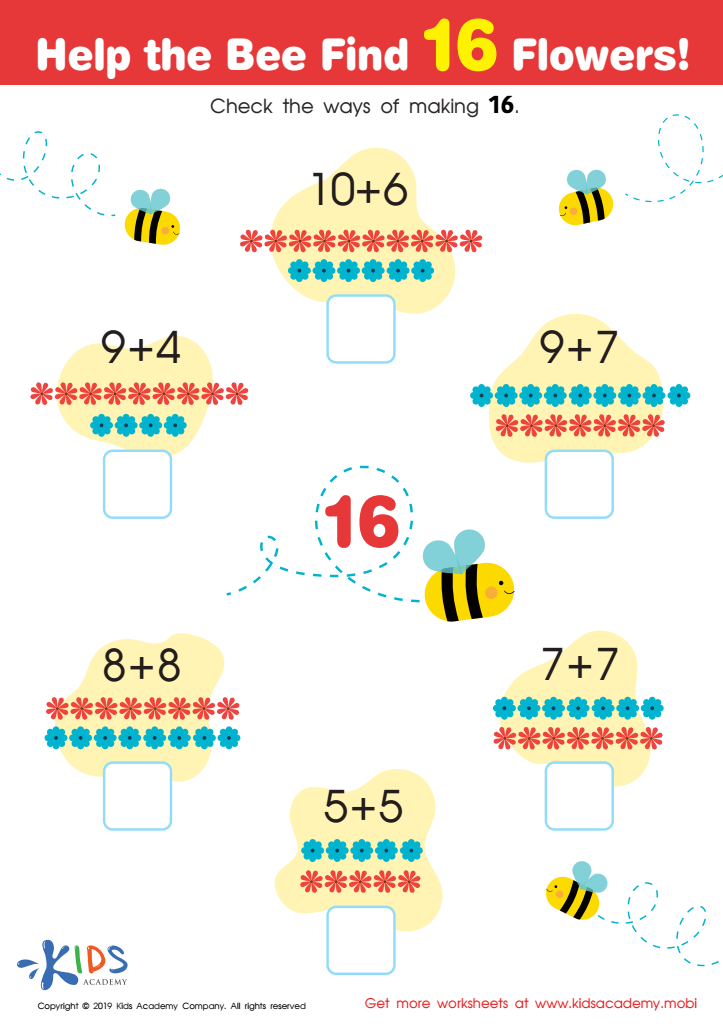
Help the Bee Find 16 Flowers Worksheet
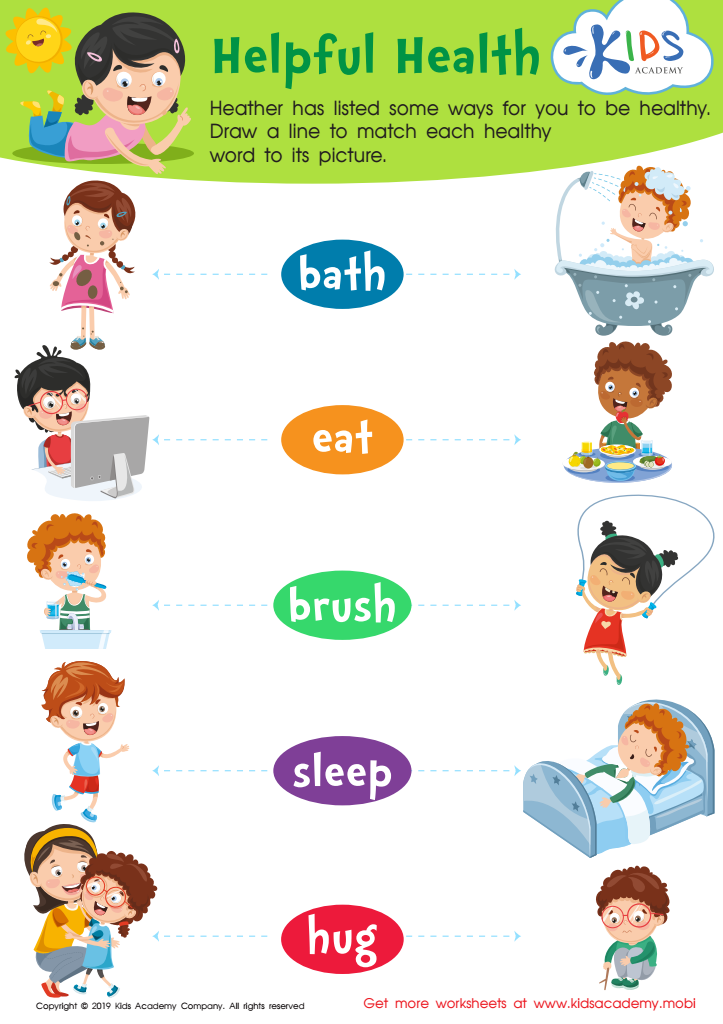
Helpful Health Worksheet
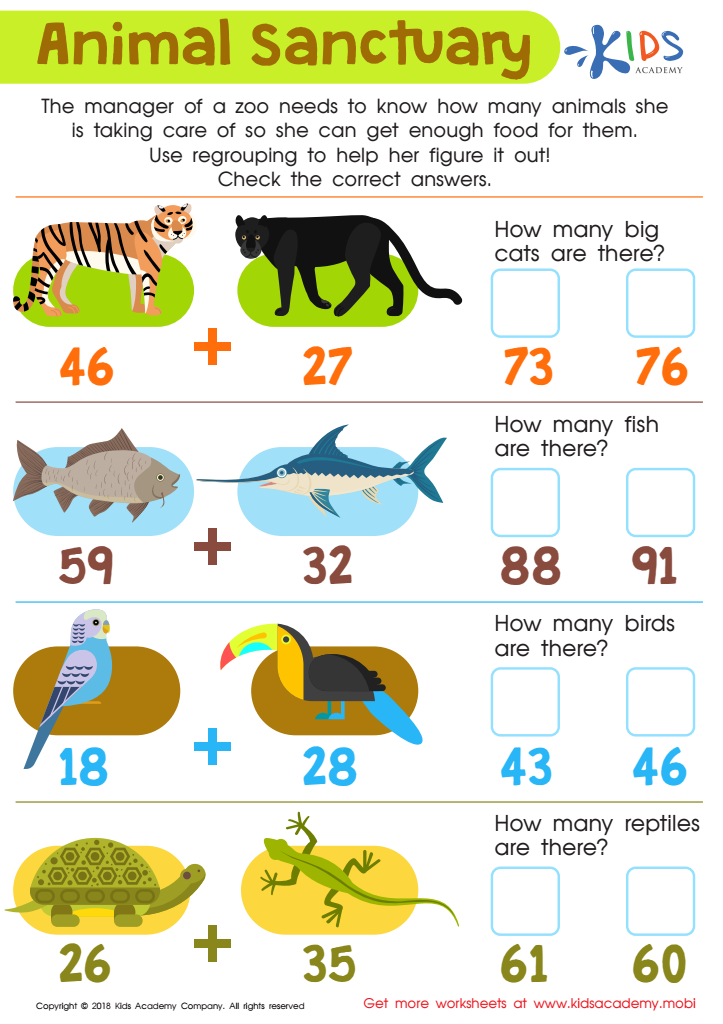
Animal Sanctuary Worksheet








Logical reasoning and normal math skills form the bedrock of effective problem-solving abilities for young children aged 6-9. As primary cognitive cornerstones, these skills offer profound benefits that extend far beyond pure academics.
Incorporating logical reasoning exercises enhances children's abilities to process information, identify patterns, and think systematically. This enables them to approach problems methodically, understanding cause and effect, which are crucial not only in mathematics but in everyday decision-making and critical thinking scenarios.
Similarly, a solid foundation in basic math helps children develop numerical literacy, crucial for everyday life. From understanding simple transactions to calculating time or following a recipe, early math literacy promotes independence and confidence. Being proficient in arithmetic can also boost self-esteem as children no longer shy away from numbers.
Beyond practicality, math and logic exercises foster a growth mindset. Children learn that perseverance leads to success, which cultivates patience and determination. Finally, these skills develop collaborative and communication skills as children often work together to solve problems, fostering teamwork.
Therefore, engaging children in logical reasoning and math from an early age equips them with essential life skills that support academic success, daily functionality, and a positive attitude toward learning independently.








