Understanding Sequences Normal Math Worksheets for Ages 6-9
3 filtered results
-
From - To
Explore our "Understanding Sequences Normal Math Worksheets for Ages 6-9" and support your child's mathematical development by mastering sequences! These carefully designed worksheets help young learners recognize patterns and sequences, providing the foundation for future success in math. With engaging activities and clear instructions, children will develop critical thinking and problem-solving skills while having fun. Perfect for classroom use or at-home practice, our worksheets align with educational standards to ensure a robust learning journey. Make math enjoyable and effective with our expertly crafted resources. Visit our page today to boost your child's sequence skills!
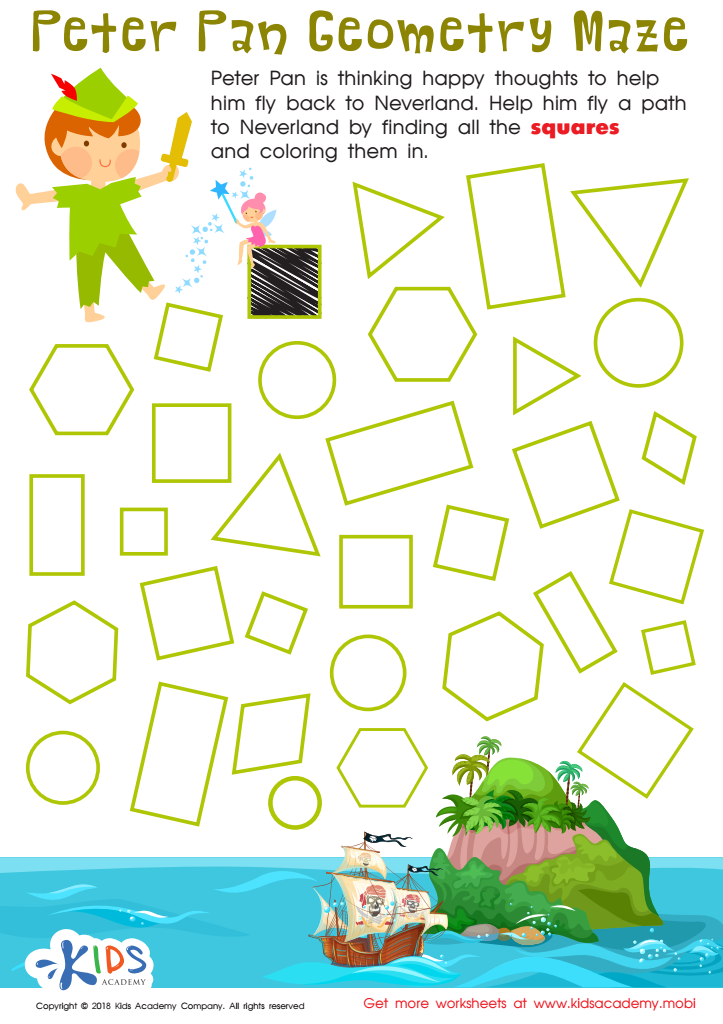
Peter Pan Worksheet
 Assign to My Students
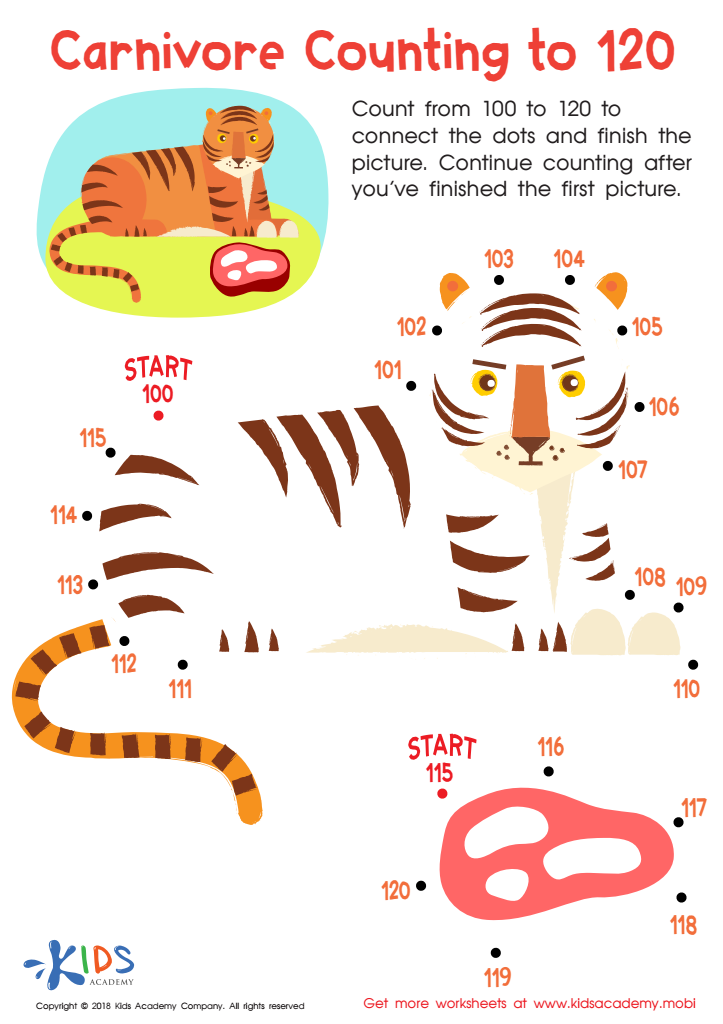
Carnivore Counting to 120 Worksheet
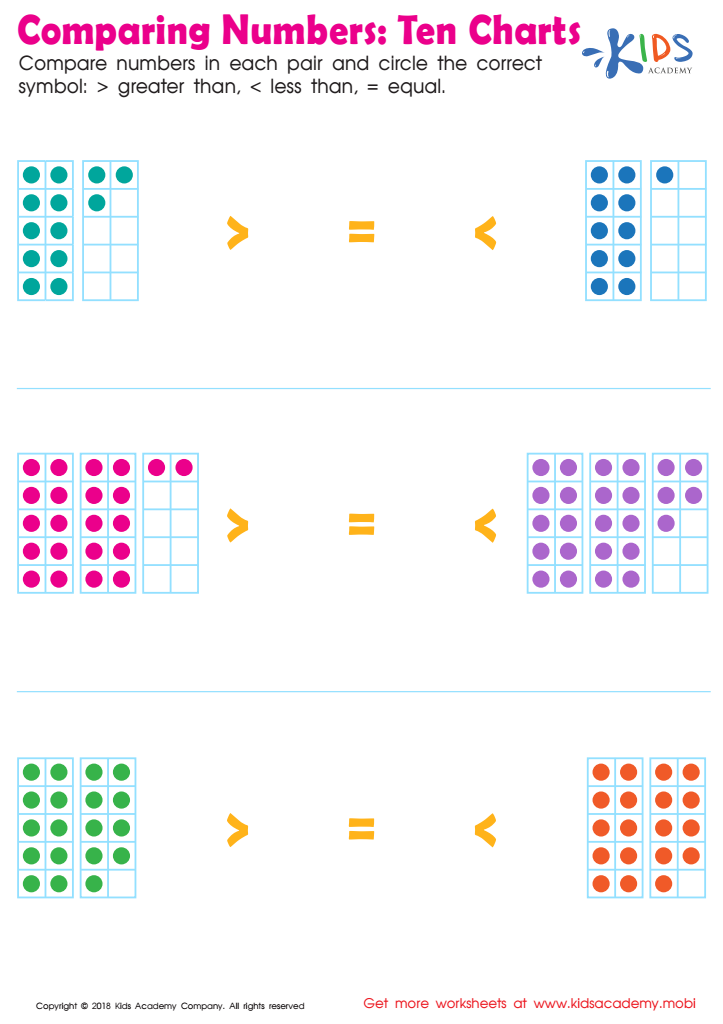
Ten Charts Worksheet








Understanding sequences in mathematics is foundational for young learners aged 6-9 because it cultivates critical thinking and problem-solving skills. Sequences are essentially patterns, and recognizing patterns is a fundamental part of human cognition. When children learn to identify and extend sequences, they are engaging in logical thinking, which helps them grasp more complex mathematical concepts later on, such as multiplication, fractions, and algebra.
Teaching sequences at an early age helps children develop numerical fluency by reinforcing counting skills and number sense. For instance, skip-counting by 2s, 5s, or 10s not only fortifies their understanding of addition and multiplication but also introduces the concept of regular intervals, which is crucial for more advanced arithmetic and geometric progressions.
Additionally, sequences are all around us, from daily routines to nature. By learning about sequences, children can better understand the structured world they live in. For example, recognizing the sequence of the days of the week, the months of the year, or a pattern in a story helps children apply mathematical thinking to everyday experiences.
For teachers and parents, encouraging an understanding of sequences helps lay a strong mathematical foundation, fostering a positive attitude towards math and enhancing a child's ability to think analytically and systematically. It’s an investment in their academic growth and critical life skills.








