
Sequencing Skills Normal Reading Comprehension Worksheets for Ages 6-9
4 filtered results
Difficulty Level
Grade
Age
-
From - To
Subject
Activity
Standards
Enhance your child's reading comprehension with our Sequencing Skills Worksheets tailored for ages 6-9. These engaging and interactive worksheets are designed to help young learners develop their ability to understand the order of events in stories, crucial for grasping narratives. Each worksheet features age-appropriate texts, vibrant illustrations, and a variety of exercises that promote critical thinking and sequencing skills. As children identify, arrange, and retell stories, they build confidence in their reading abilities while improving comprehension. Perfect for classroom use or at-home learning, our worksheets make learning fun and effective. Dive into exciting adventures and watch your child's skills soar!
Favorites
With answer key
Interactive
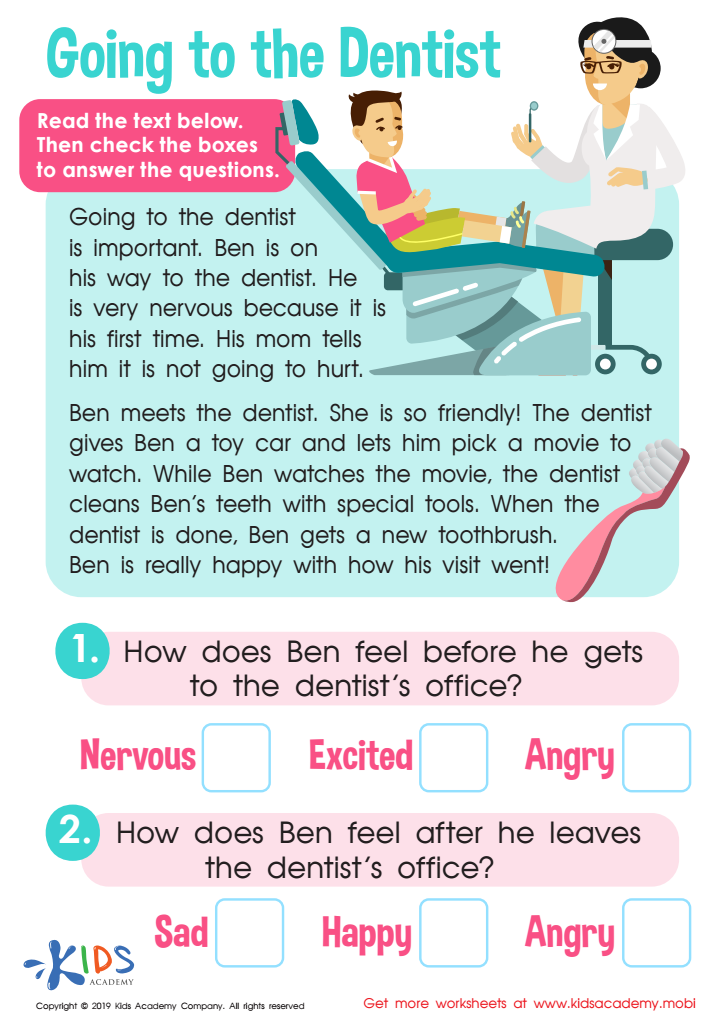
Going to the Dentist Worksheet
Kids can feel anxious when going to the dentist, but understanding why they go helps them cope. This free text helps them learn, as they read and answer questions about Ben's visit. They'll gain insight into Ben's emotions, while honing their critical thinking skills.
 Assign to My Students
Going to the Dentist Worksheet
Worksheet
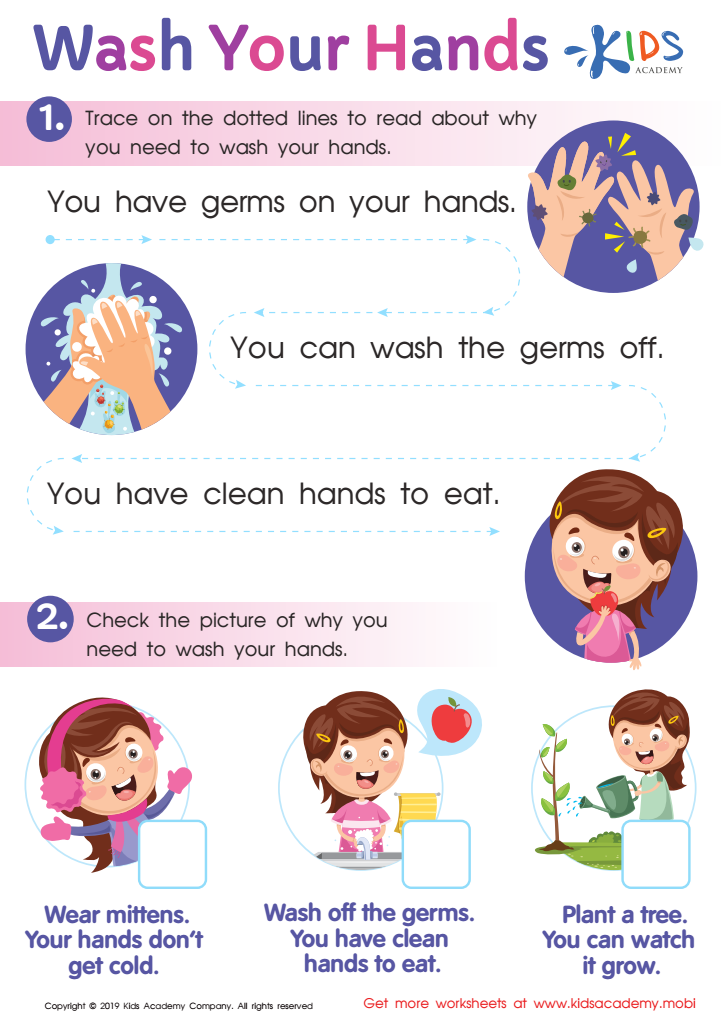
Wash Your Hands Worksheet
Kids learn best when they understand why they need to do something. This free worksheet uses traceable lines and pictures to teach them about germs and why washing hands is important. The child follows a left-to-right sequence and must check the correct picture to show they understand.
Wash Your Hands Worksheet
Worksheet
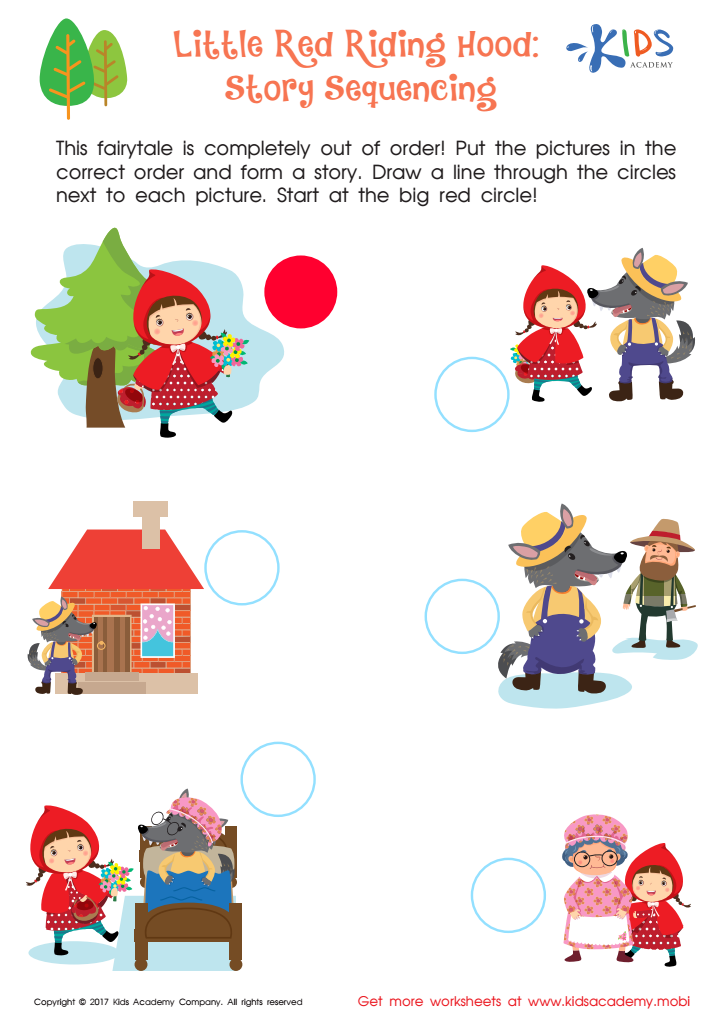
Story Sequencing Printable
Children must identify story events in sequential order to build a better understanding of plot.
Help your child learn how to understand plot with this fun comprehension worksheet: Little Red Riding Hood! Guide them to identify story events and order them correctly to boost their reading skills.
Story Sequencing Printable
Worksheet
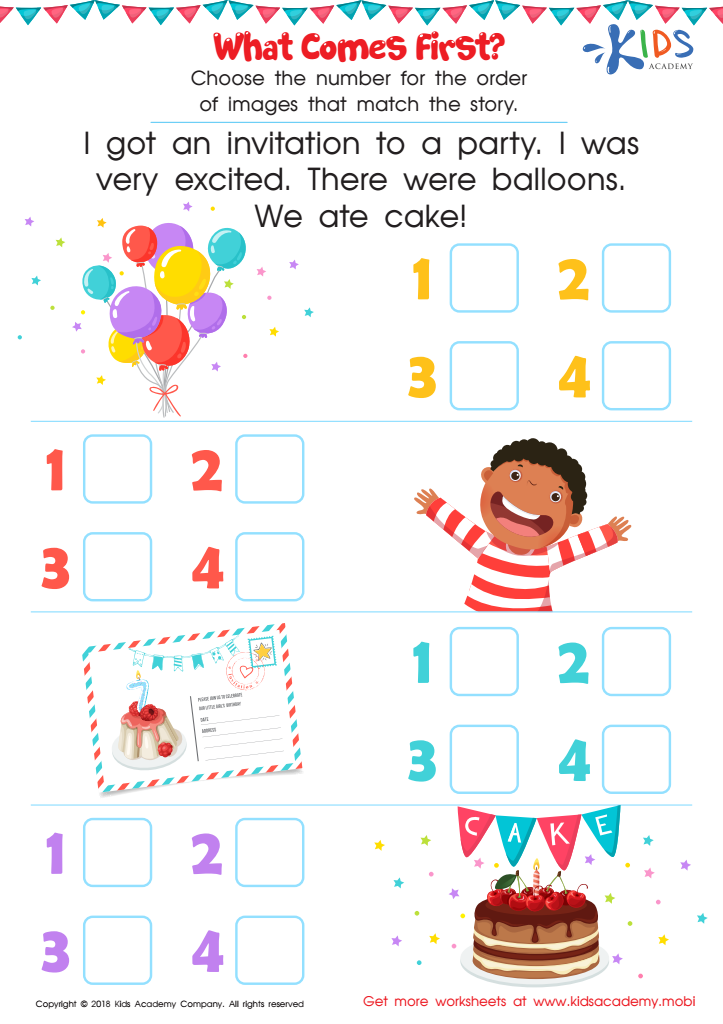
What Comes First Worksheet
Before you start, ask your child what they see in the picture. Read the story aloud together, then show them the images in order, numbered 1-5. Ask them to choose the numbers that match the story. Have fun and enjoy this party worksheet with your little one! (80 words)
What Comes First Worksheet
Worksheet
Join Kids Academy for Free
Who is primarily going to use this learning content?







Sequencing skills are critical for normal reading comprehension, especially for children aged 6-9. At this developmental stage, young readers begin to process information more deeply and understand the structure of stories. Being able to identify the order of events helps them grasp the storyline, enhancing their overall comprehension.
When children learn to sequence, they establish a framework for organizing thoughts and ideas, which is essential not only in reading but in everyday problem-solving. This skill allows them to predict outcomes, infer meanings, and make connections between events. It also supports their ability to summarize a story, which further solidifies their understanding and retention of material.
Furthermore, sequencing fosters critical thinking and analytical skills, essential for academic success. Parents and teachers can enhance these skills through engaging activities such as retelling stories, using visual aids like story maps, or completing sequencing exercises.
As children master sequencing, they become more confident readers, transforming reading into an enjoyable and fulfilling activity. Investing time in developing these skills supports a strong literacy foundation, enabling children to tackle more complex texts and ideas in the years to come. Ultimately, strong sequencing abilities correlate with improved academic performance and lifelong learning skills.








