Vocabulary Building Normal Reading Comprehension Worksheets for Ages 6-9
14 filtered results
-
From - To
Discover our engaging Vocabulary Building Normal Reading Comprehension Worksheets designed for children ages 6 to 9. These worksheets blend fun and learning, helping young learners expand their vocabulary while improving reading skills. Each worksheet features age-appropriate texts accompanied by exciting questions that promote critical thinking and retention. Tailored to cater to diverse learning styles, our resources ensure children grasp new words effectively, enhancing both their comprehension and confidence. Perfect for home or classroom use, our worksheets are a valuable tool for fostering a love of reading and supporting literacy development. Unlock the power of words with our comprehensive materials today!
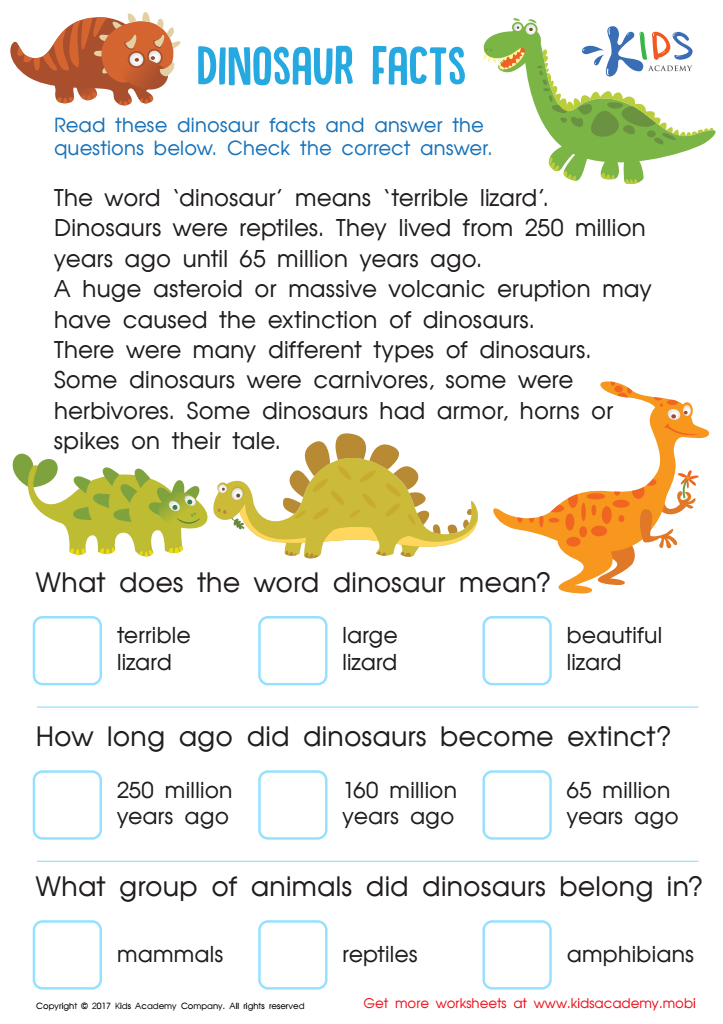
Dinosaur Facts Worksheet
 Assign to My Students
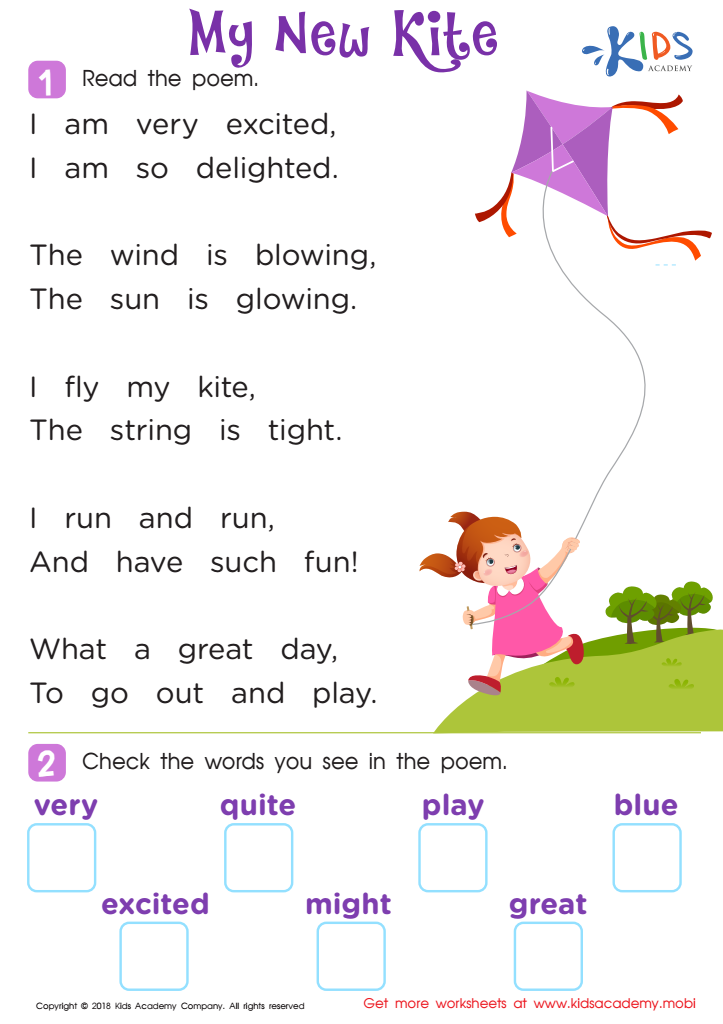
Poem: My New Kite Worksheet
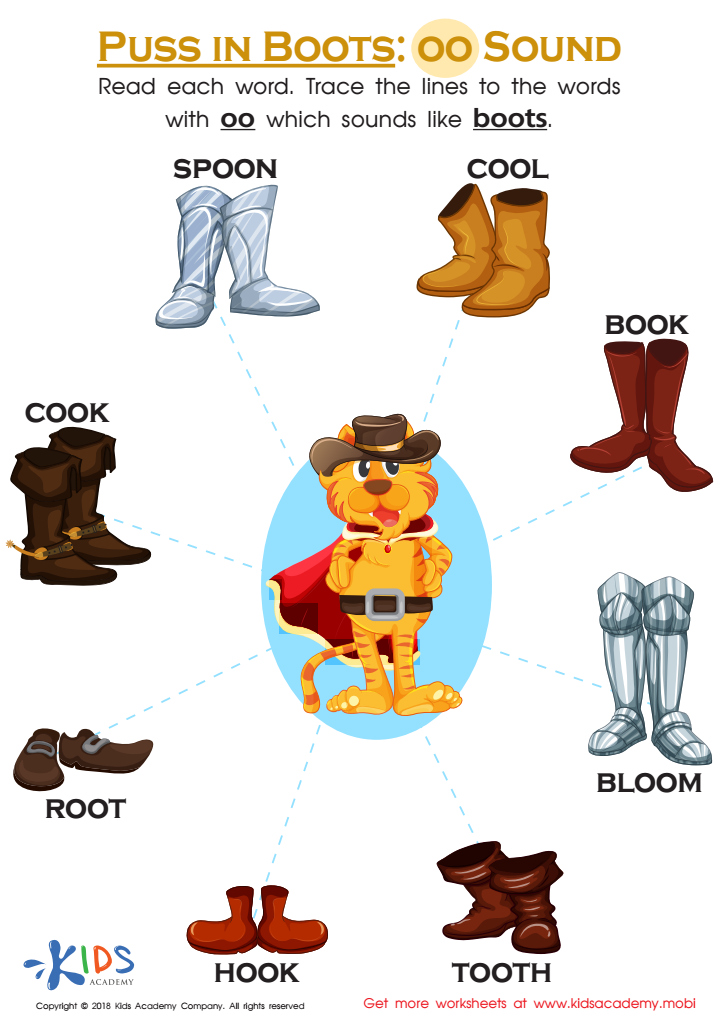
Puss in Boots: OO Sound Worksheet
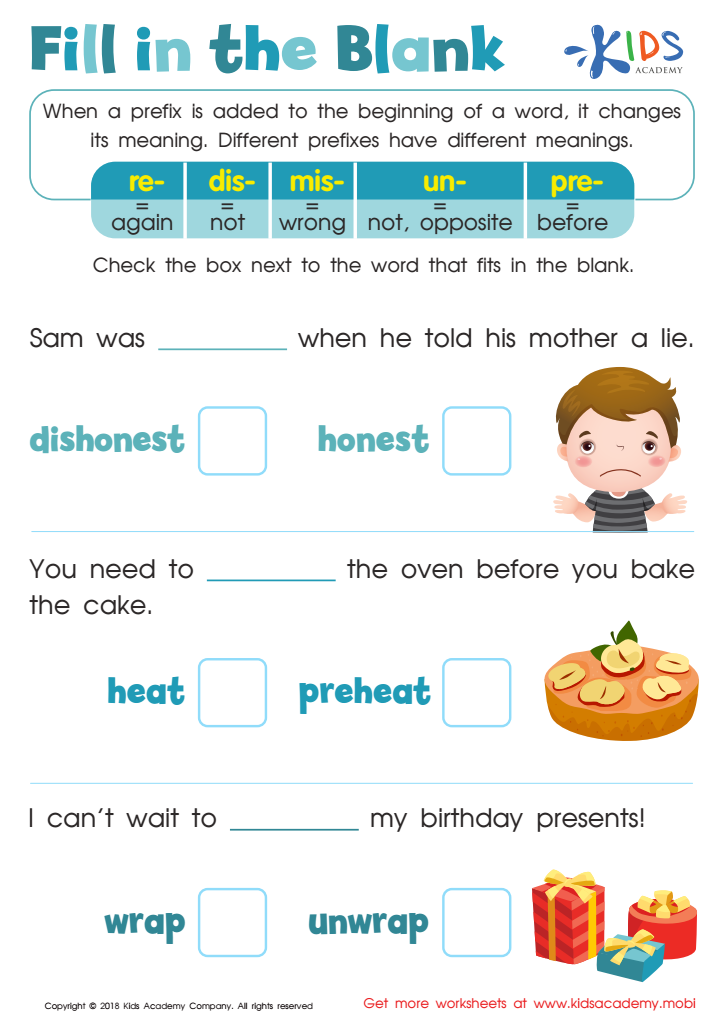
Reading: Fill in the Blank Worksheet
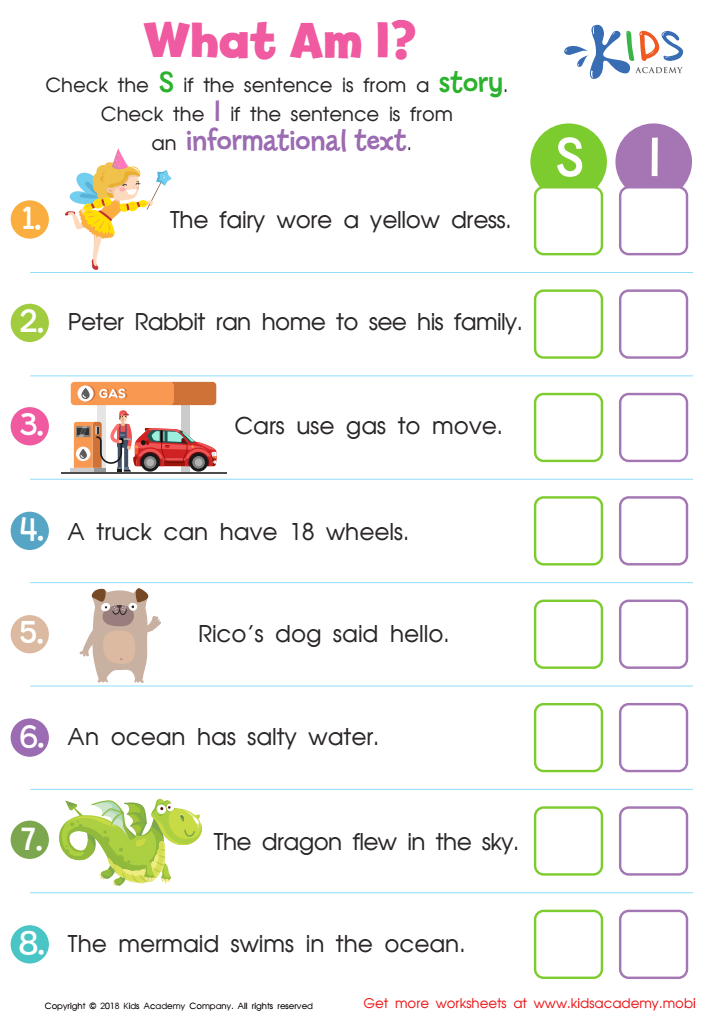
What Am I? Worksheet
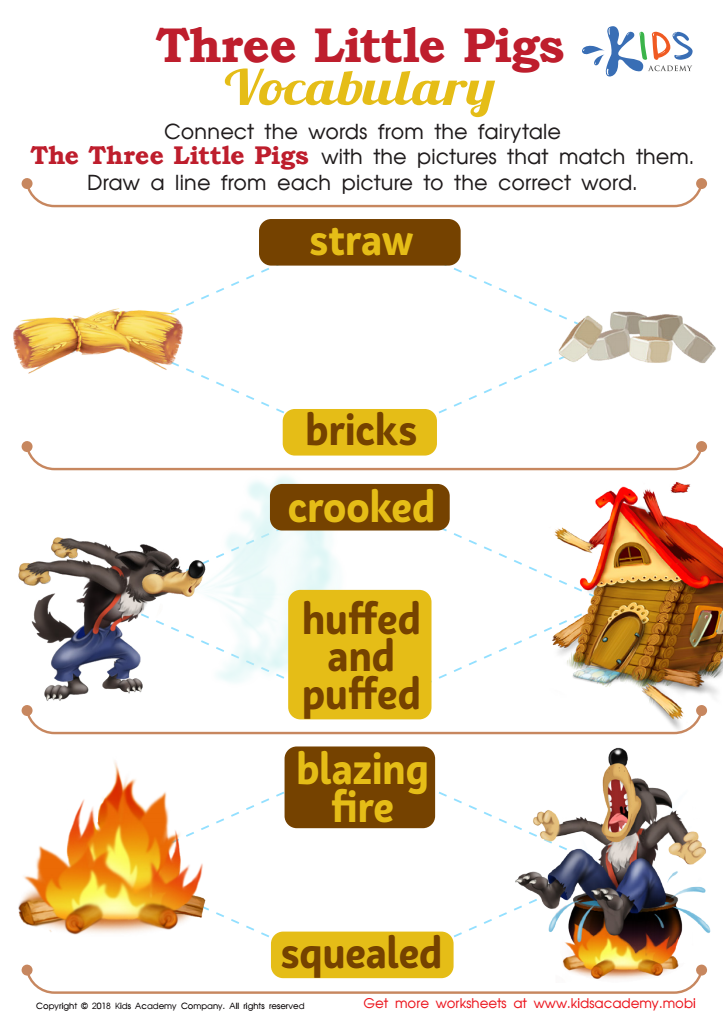
Three Little Pigs Vocabulary Worksheet
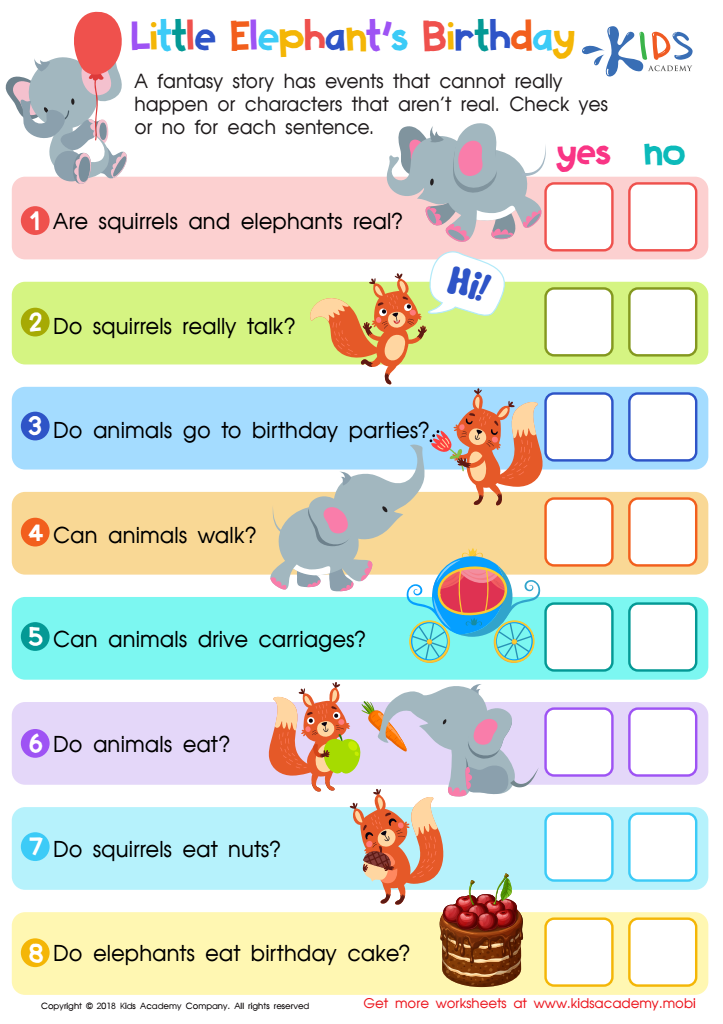
Little Elephant's Birthday Worksheet
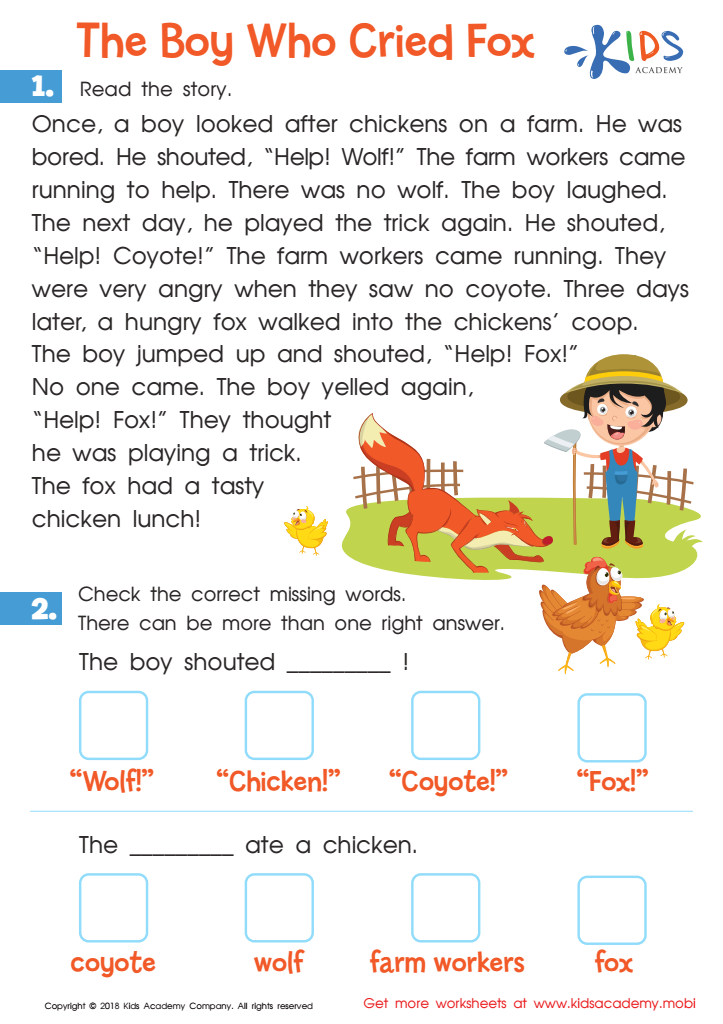
The Boy Who Cried Fox Worksheet

Golden Eagles Worksheet
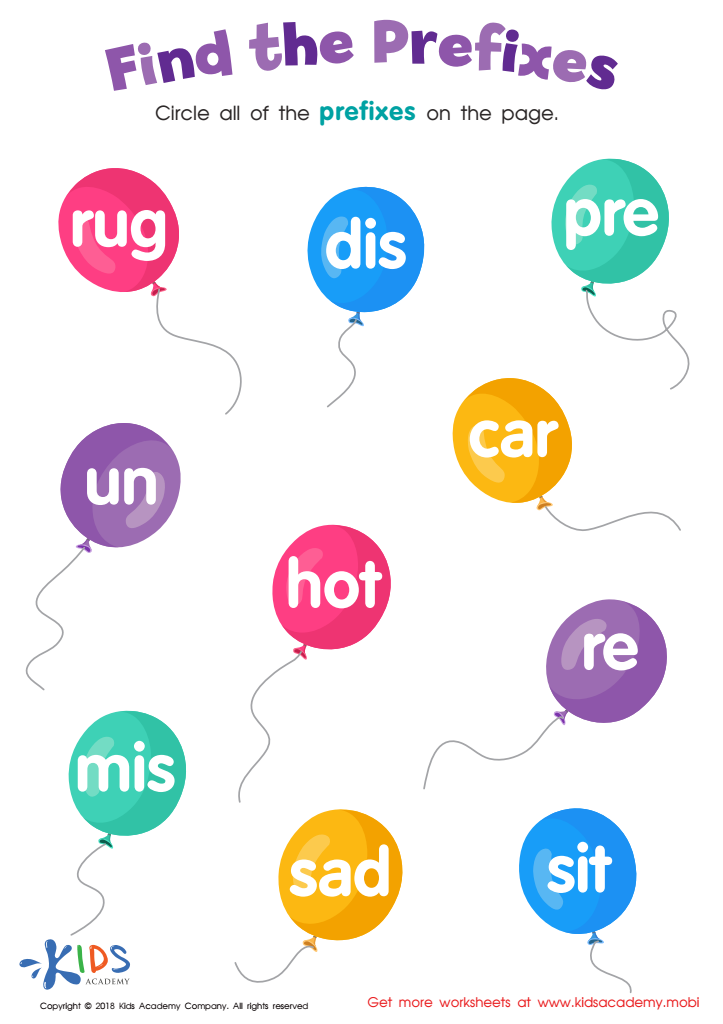
Reading: Find the Prefixes Worksheet
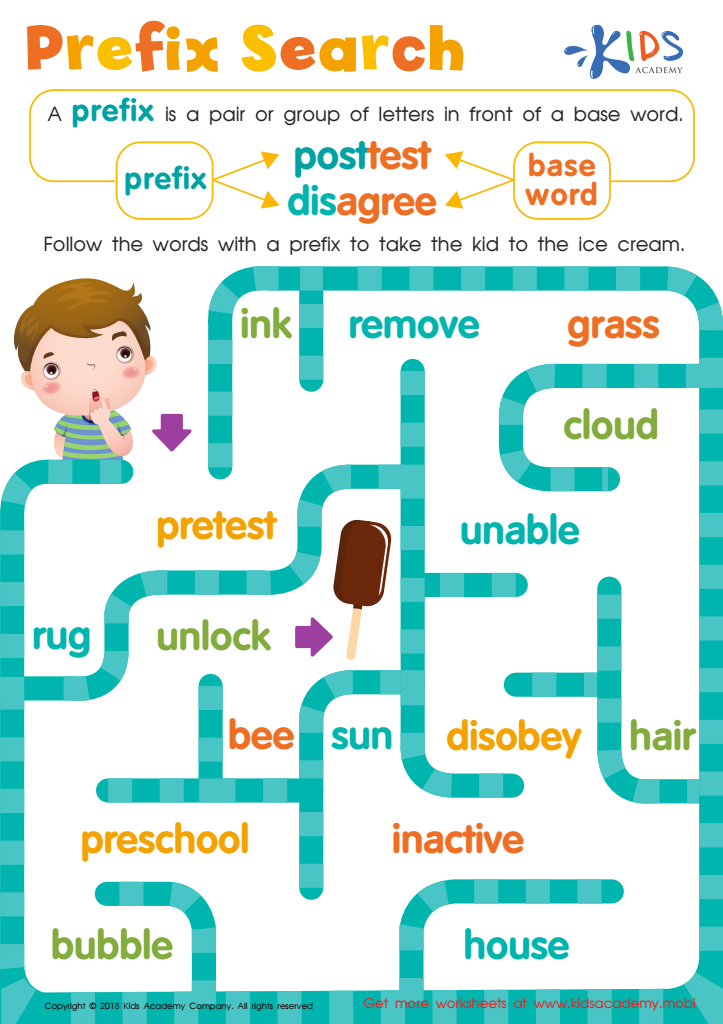
Reading: Prefix Search Worksheet
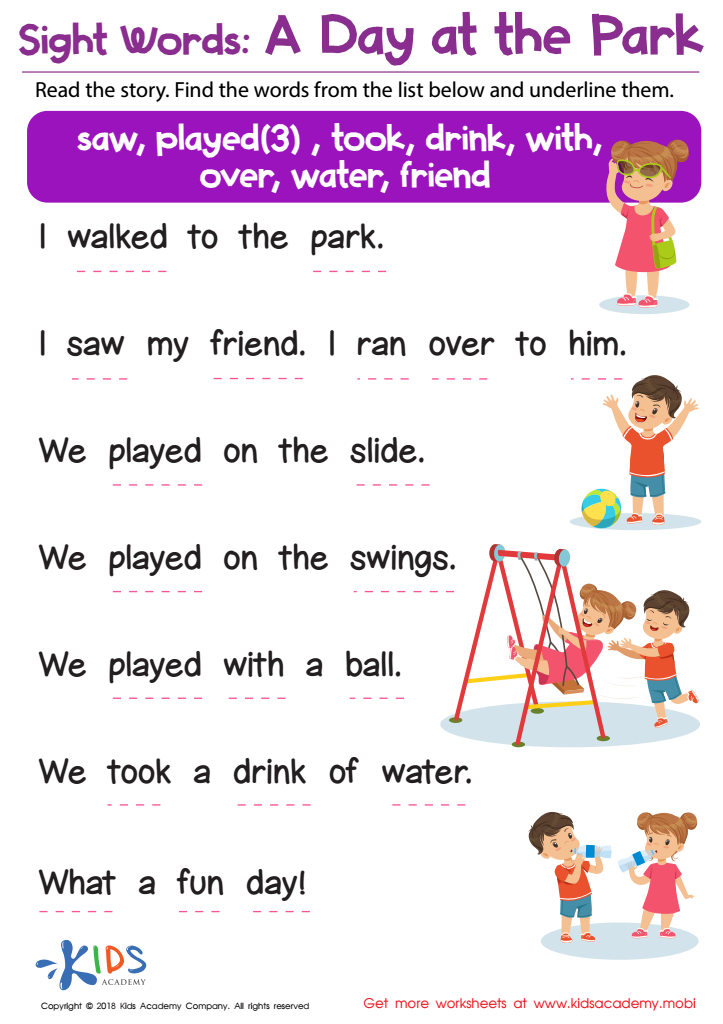
Sight Words: A Day at the Park Worksheet
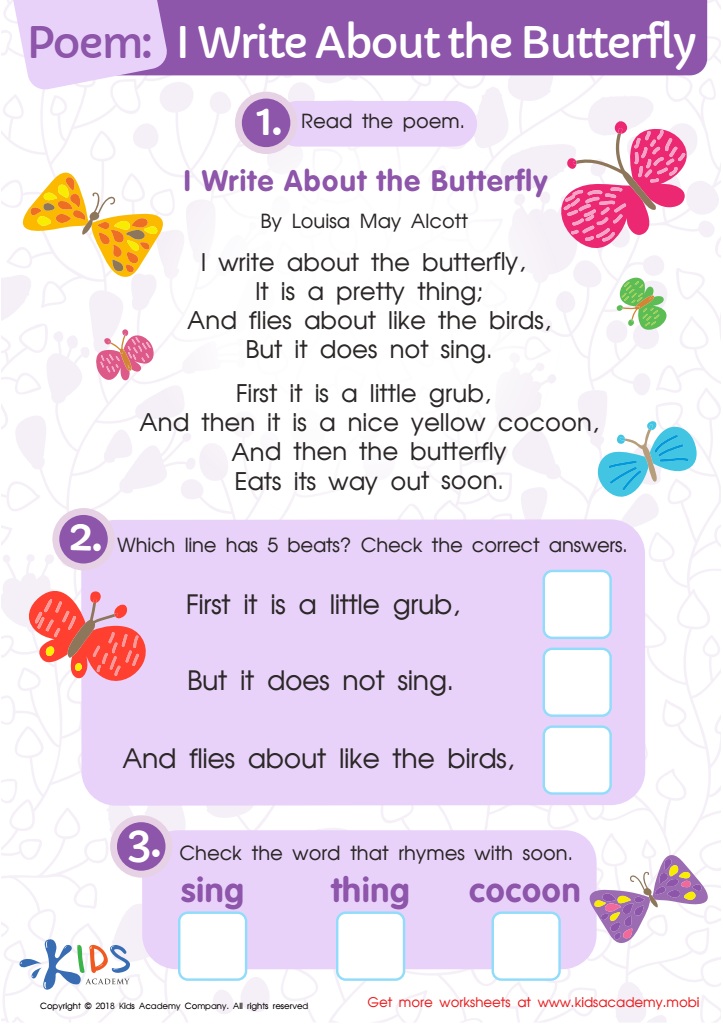
Poem: I Write About The Butterfly Worksheet
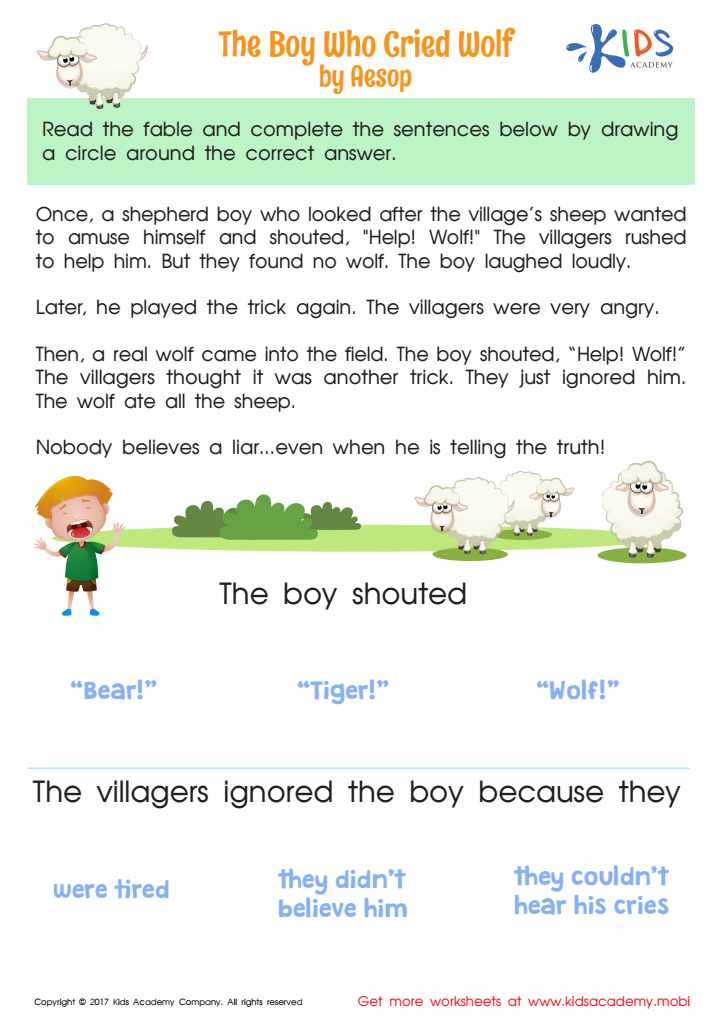
The Boy Who Cried Wolf Worksheet








Vocabulary building is essential for children aged 6-9 because it lays the foundation for effective reading comprehension, a critical skill for academic success. During this developmental stage, children are rapidly expanding their language skills. A robust vocabulary enables them to understand and engage with texts, enhancing their ability to follow narratives and grasp concepts. When children encounter unfamiliar words, a limited vocabulary can hinder their reading comprehension, leading to misunderstandings and frustration.
Moreover, a strong vocabulary contributes to improved communication skills. As children learn new words, they become more adept at expressing their thoughts and feelings, which is crucial not only in school but also in social interactions. Teachers and parents should focus on vocabulary enrichment through engaging readings, discussions, and games that introduce new words in context.
Additionally, vocabulary building fosters critical thinking skills. When students can articulate their ideas clearly, they are better equipped to analyze information and evaluate different perspectives. Ultimately, investing in vocabulary development supports not just reading proficiency but also overall cognitive growth and lifelong learning. For these reasons, parents and teachers play a critical role in nurturing a love for words, ensuring children are well-prepared for the complexities of literacy as they progress in their education.








