Counting skills Normal Science Worksheets for Ages 6-9
7 filtered results
-
From - To
Enhance your child's numeracy and scientific understanding with our "Counting Skills Normal Science Worksheets" tailored for ages 6-9. Designed to blend fundamental counting practice with fascinating science activities, these worksheets not only improve math skills but also spark curiosity in young minds. Through engaging exercises, children will master counting, recognize patterns, and develop problem-solving abilities, all while exploring various scientific concepts. Perfect for classroom and homeschool settings, these printable worksheets provide a fun, educational experience that supports early learning and encourages a lifelong love of science and math. Download today and watch your child's confidence soar!
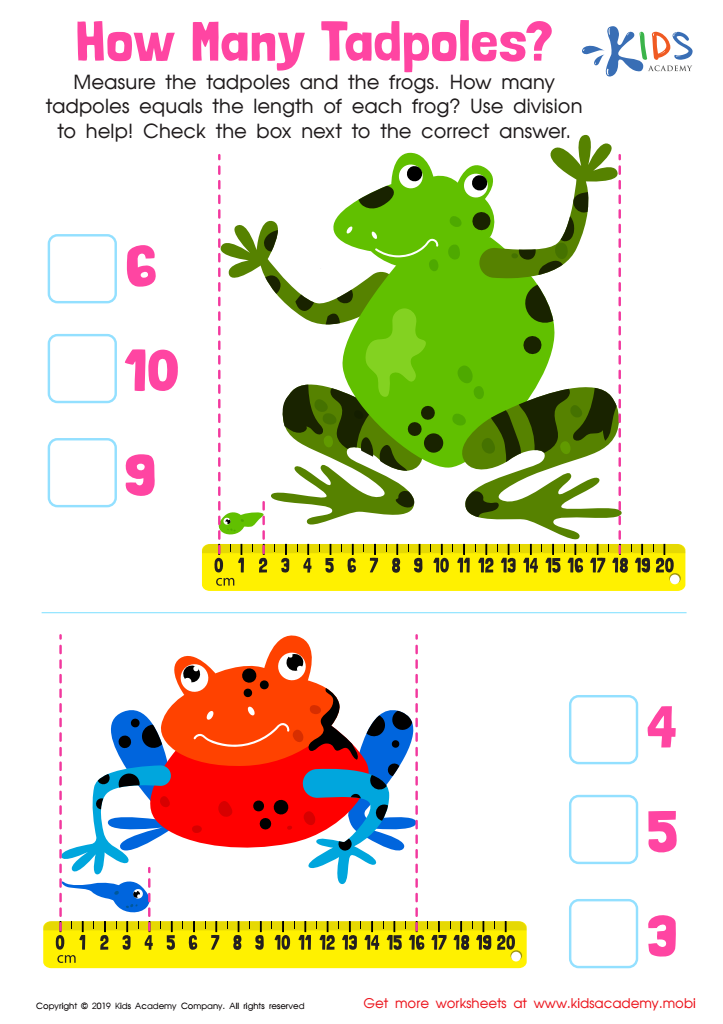
How Many Tadpoles Worksheet
 Assign to My Students
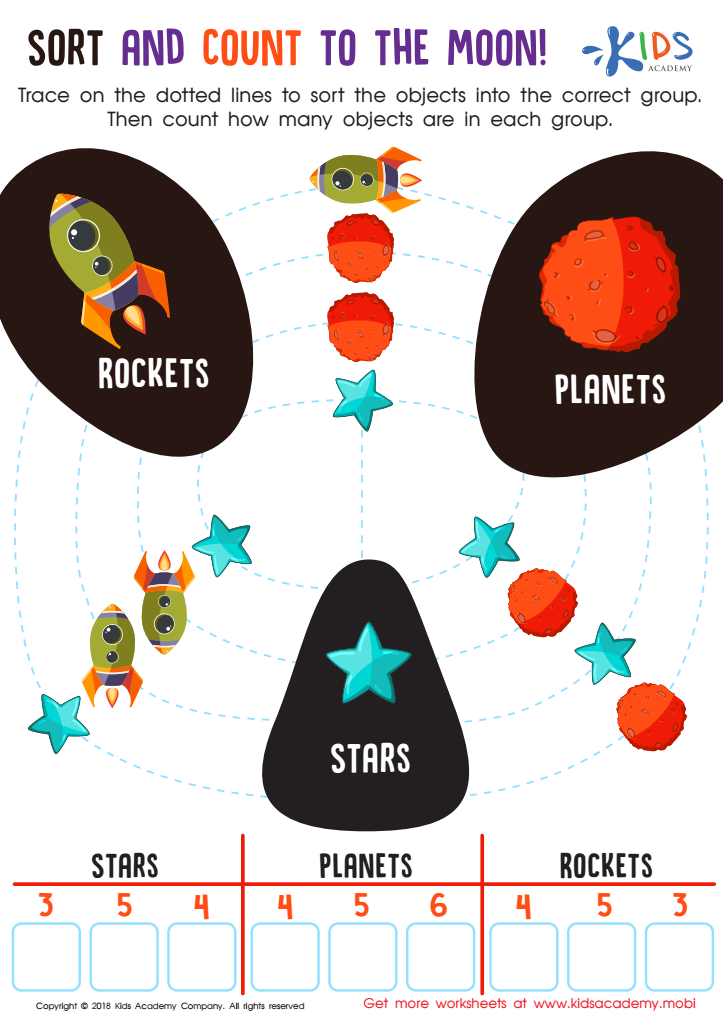
Sort and Count to the Moon Worksheet
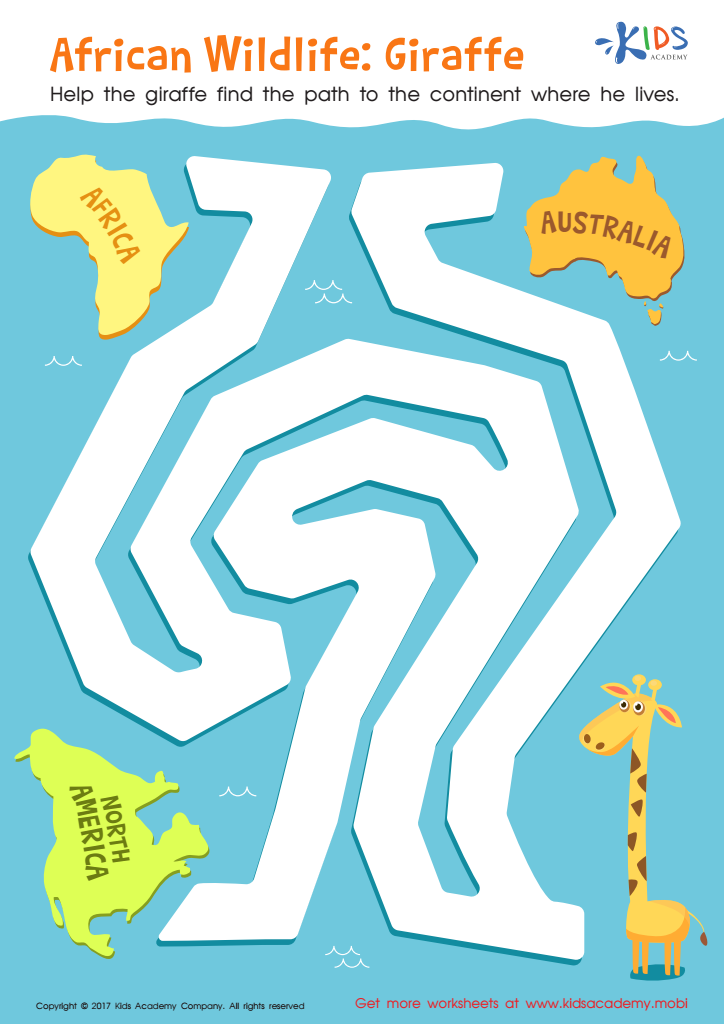
African Wildlife: Giraffe Worksheet
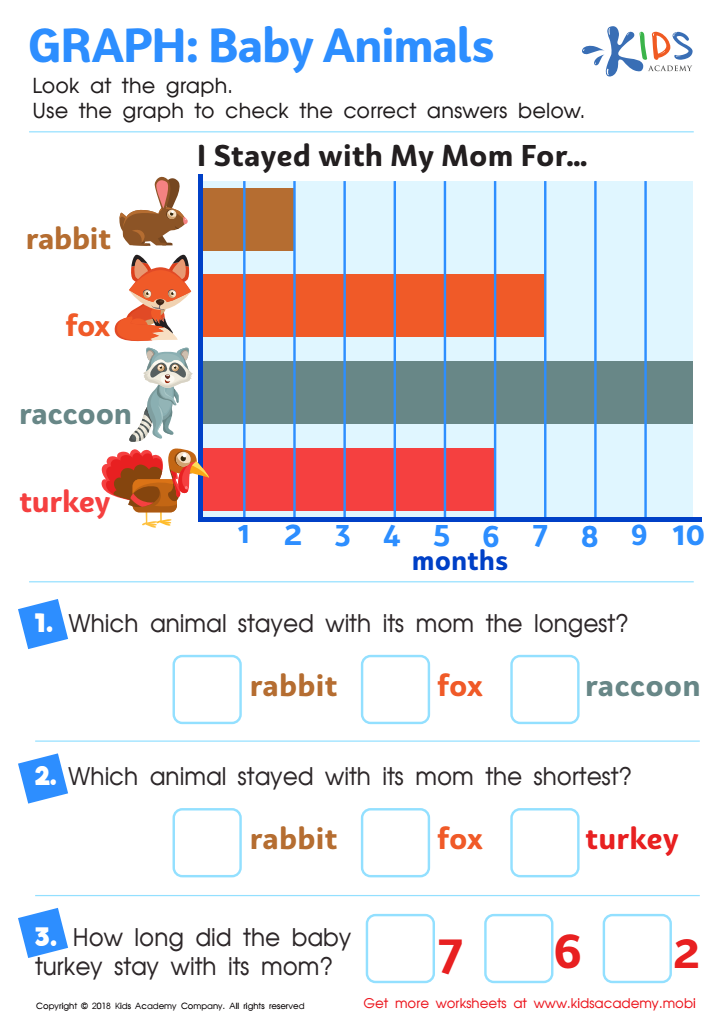
Graph: Baby Animals Worksheet
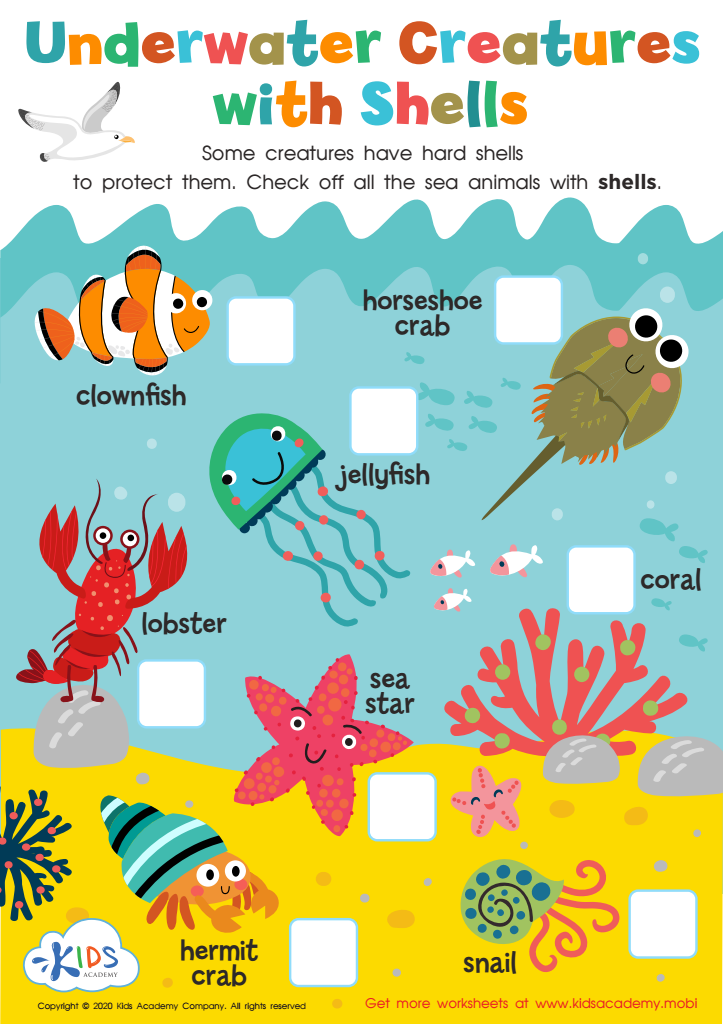
Underwater Creatures with Shells Worksheet
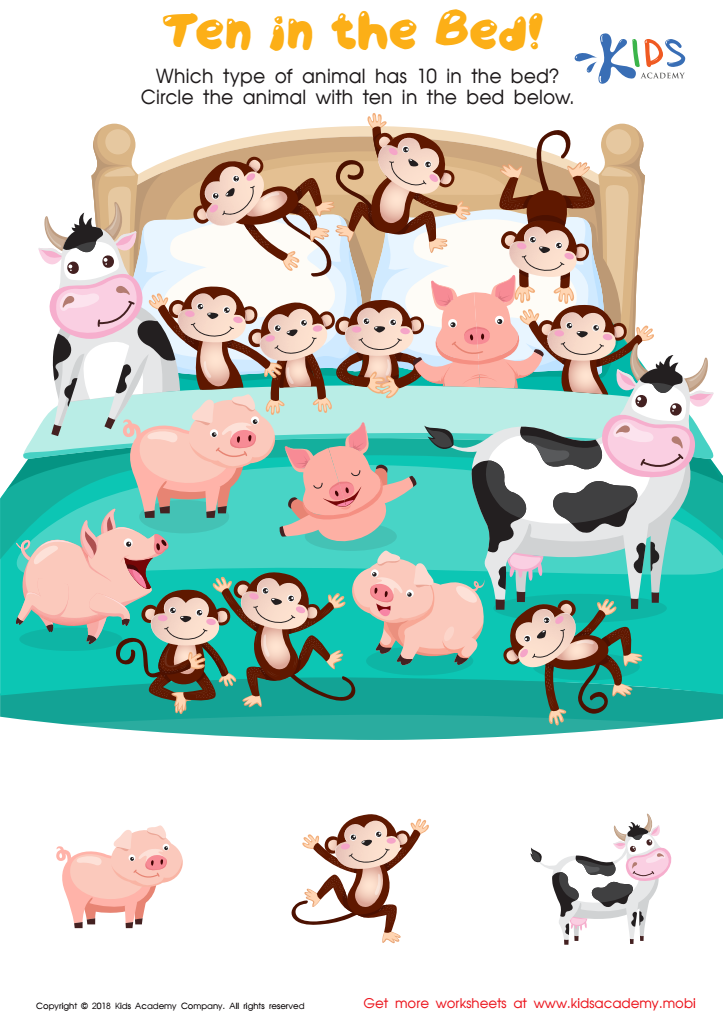
Ten in the Bed Worksheet
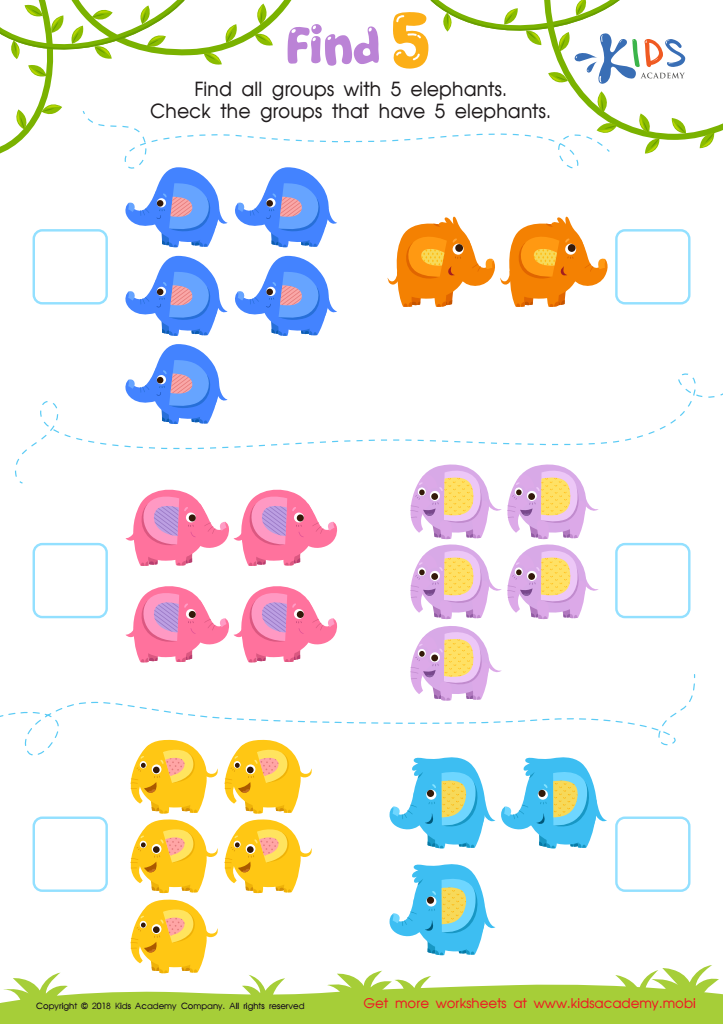
Find 5 Worksheet


.jpg)




Counting skills serve as the foundation for broader mathematical concepts and are crucial for children aged 6-9. At this stage, children transition from simply reciting numbers to understanding their meanings and how they relate to the world around them. Mastery of counting provides a stepping stone to arithmetic operations such as addition, subtraction, multiplication, and division.
When parents and teachers focus on developing strong counting skills, they set students on a path toward mathematical competence. These skills encourage logical thinking, problem-solving abilities, and an understanding of numerical relationships. Counting also enhances memory, attention span, and fine motor skills when objects or fingers are used.
Apart from academics, counting has practical life applications. Whether measuring ingredients for a recipe, calculating time and distance, or managing money, counting forms part of everyday activities. It integrates concepts such as weight, volume, and time, intertwining with natural science topics and fostering a holistic learning environment.
Furthermore, engaging children in counting through fun activities strengthens the parent-child and teacher-student relationships, providing emotional benefits and creating pleasant learning experiences. Investing in counting skills thus prepares children for future academic success and everyday tasks, making it a critical component of early education.







