Fine Motor Skills Normal Science Worksheets for Ages 6-9
4 filtered results
-
From - To
Discover our engaging "Fine Motor Skills Normal Science Worksheets" designed for children aged 6-9. These educational resources integrate science concepts while enhancing fine motor abilities through fun, hands-on activities. Worksheets feature a variety of tasks such as tracing, cutting, and coloring, promoting dexterity and coordination as kids explore topics like the environment, animals, and simple experiments. These printables are perfect for classroom use or at-home learning, ensuring that children develop essential skills while enjoying the wonders of science. Support your child's growth with dynamic worksheets that make learning both effective and exciting! Browse our collection today to inspire young minds.
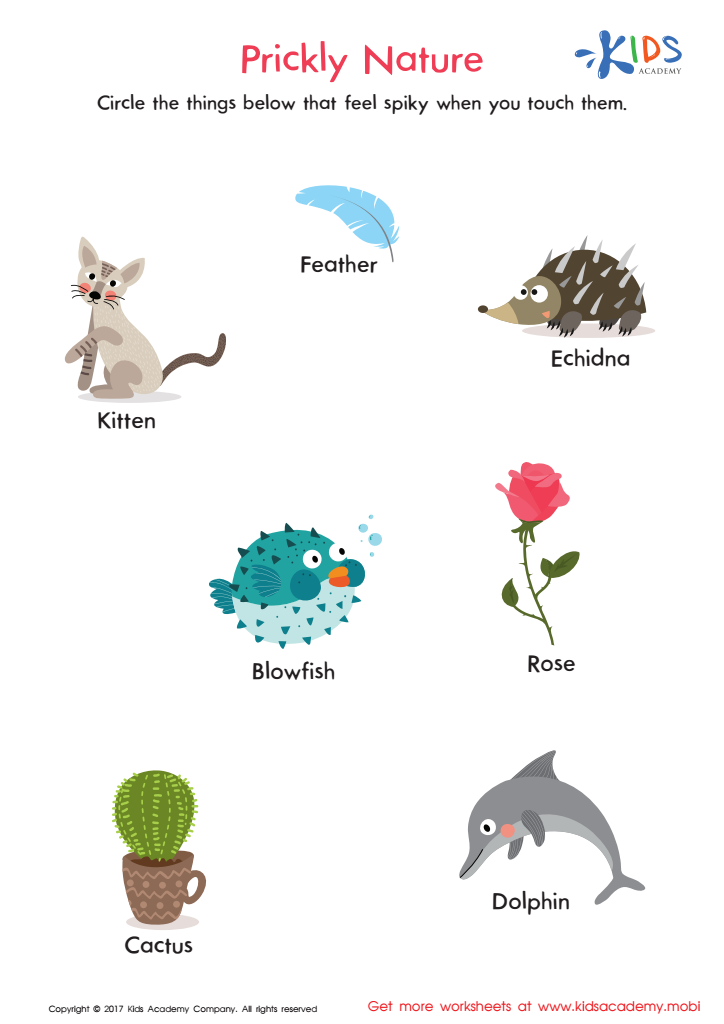
Prickly Nature Worksheet
 Assign to My Students
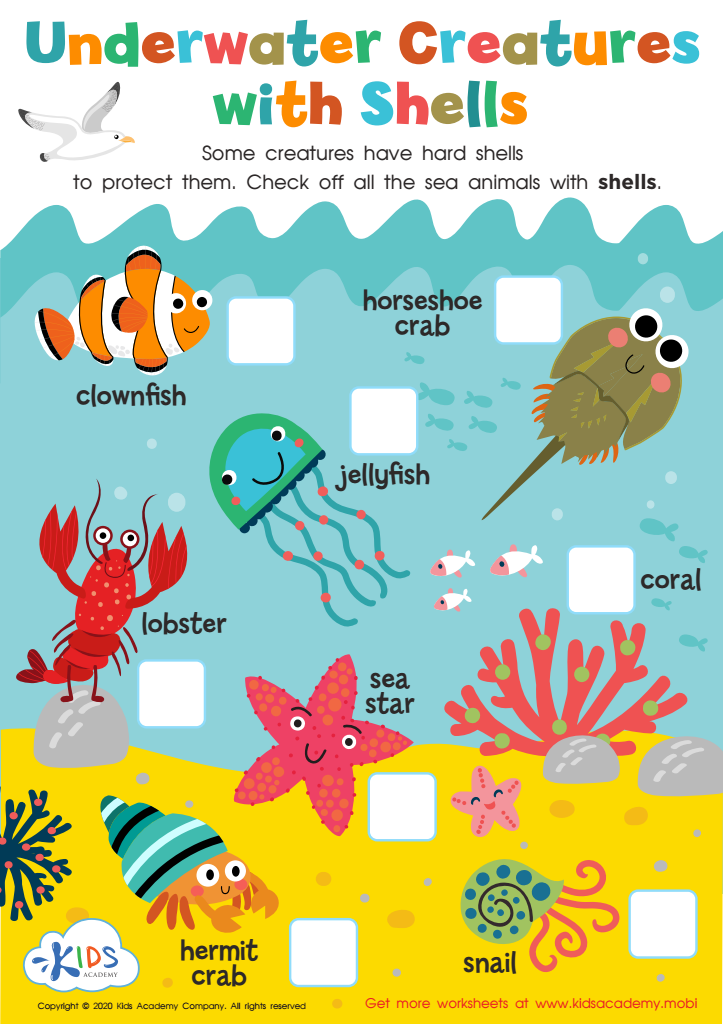
Underwater Creatures with Shells Worksheet

Astronomer Maze: Telescope Worksheet
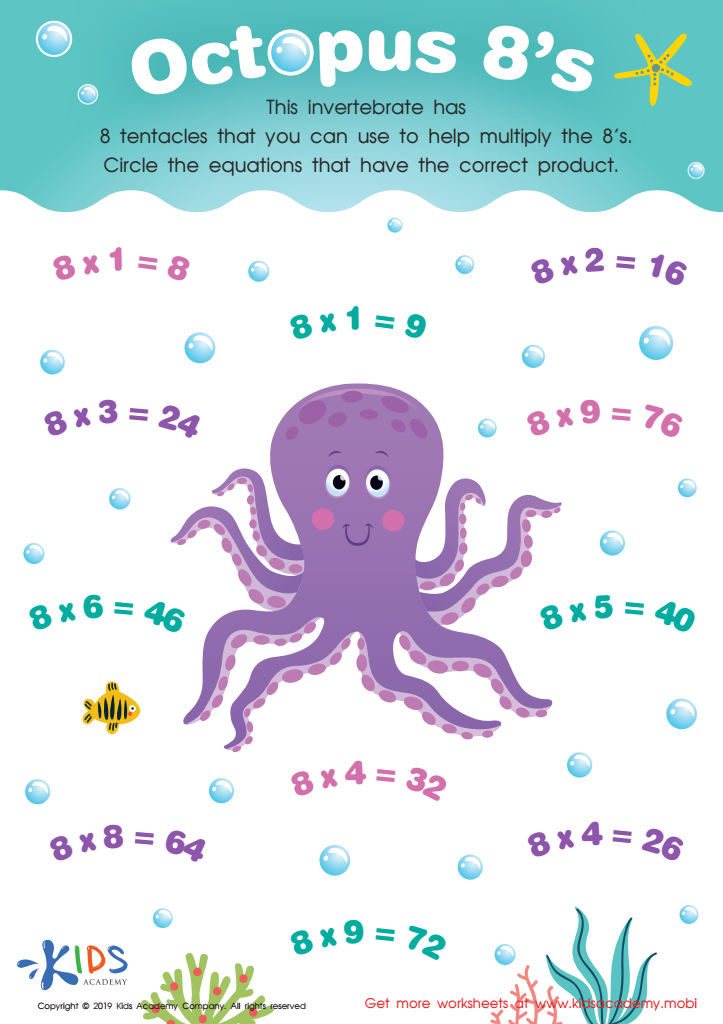
Octopus 8’s Worksheet








Fine motor skills are essential for children aged 6-9 as they play a crucial role in their overall development and learning. These skills involve the smaller muscles in the hands and fingers, enabling children to perform precise movements needed for everyday tasks like writing, drawing, cutting, and manipulating small objects. Developing fine motor skills enhances a child's ability to express themselves artistically and academically, laying the groundwork for effective communication.
Moreover, proficiency in fine motor tasks contributes to a child’s confidence. As they successfully master skills like tying shoelaces or holding a pencil, it promotes a sense of accomplishment, encouraging further exploration and learning. These skills are also foundational for later academic success, especially in subjects such as science and math, where tactile manipulation of tools and materials is vital.
Parents and teachers should prioritize activities that promote fine motor development, like crafting, building with blocks, or playing with Play-Doh, as these not only improve dexterity but also stimulate cognitive skills and creativity. By fostering fine motor skills, caregivers are investing in a child's future, equipping them with the necessary tools to tackle more complex tasks in higher grades and everyday life. Supporting this development is an investment in a child's growth and independence.







