Science vocabulary expansion Normal Science Worksheets for Ages 6-9
3 filtered results
-
From - To
Enhance your child's understanding of science with our engaging Normal Science Worksheets, designed specifically for ages 6-9. These worksheets focus on expanding science vocabulary, introducing young learners to essential terms and concepts in a fun and interactive way. Packed with age-appropriate activities, students will explore topics such as plants, animals, and their environments while developing critical literacy skills. Each worksheet encourages creativity and critical thinking, making science both accessible and enjoyable. Perfect for at-home learning or classroom use, our science vocabulary expansion worksheets are a fantastic resource to nurture your child’s curiosity and love for science!
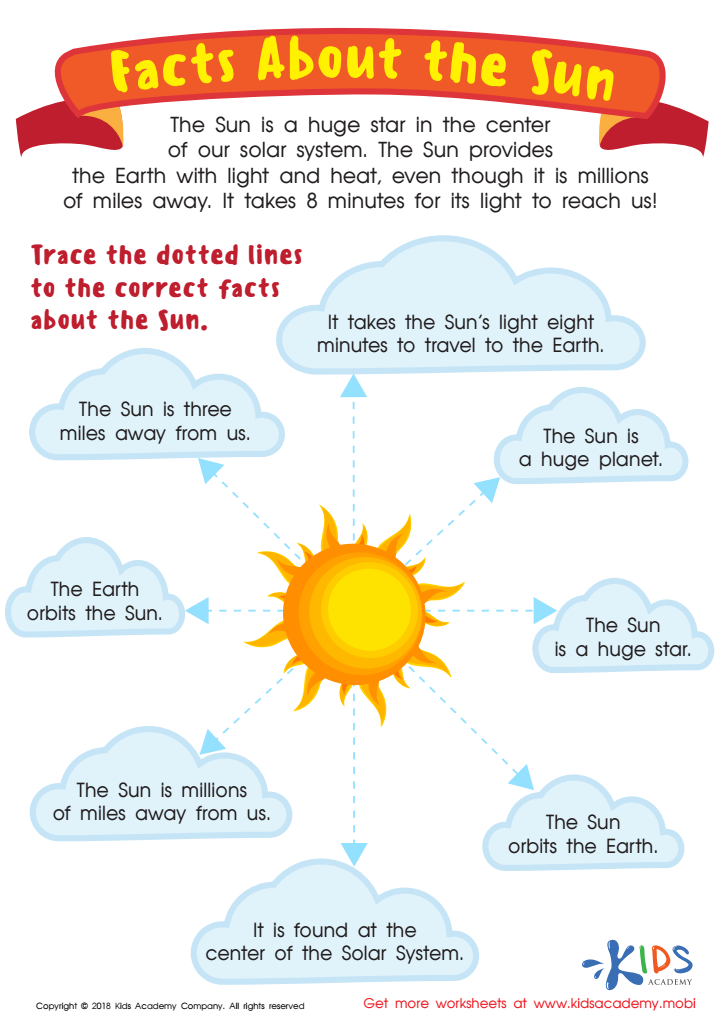
Facts About the Sun Worksheet
 Assign to My Students
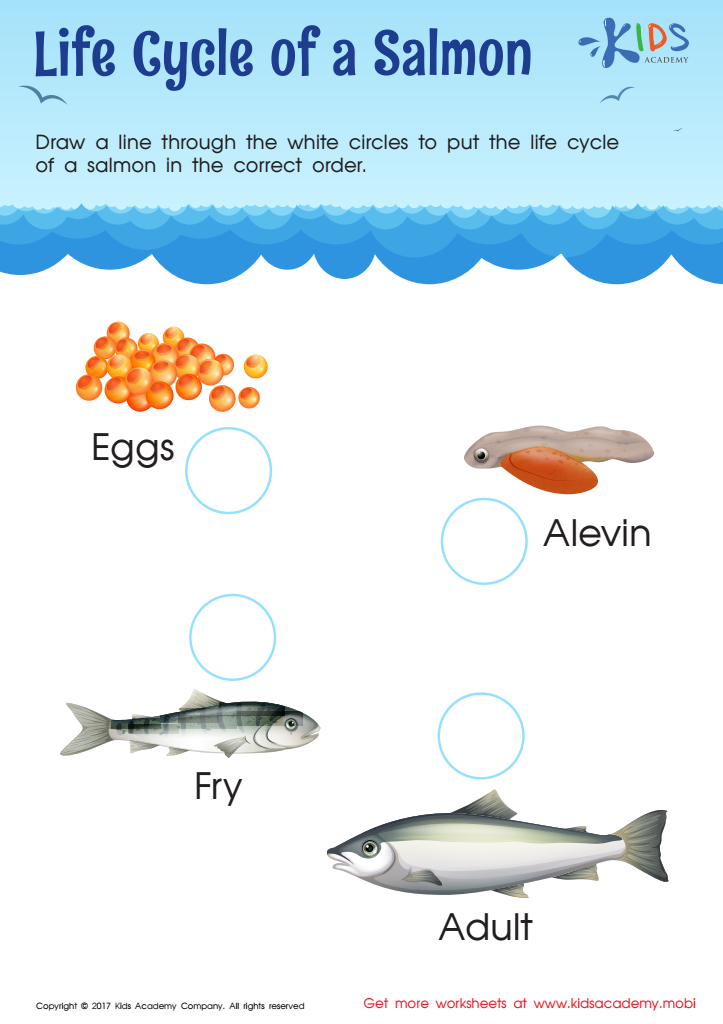
Cycle Of Salmon Worksheet
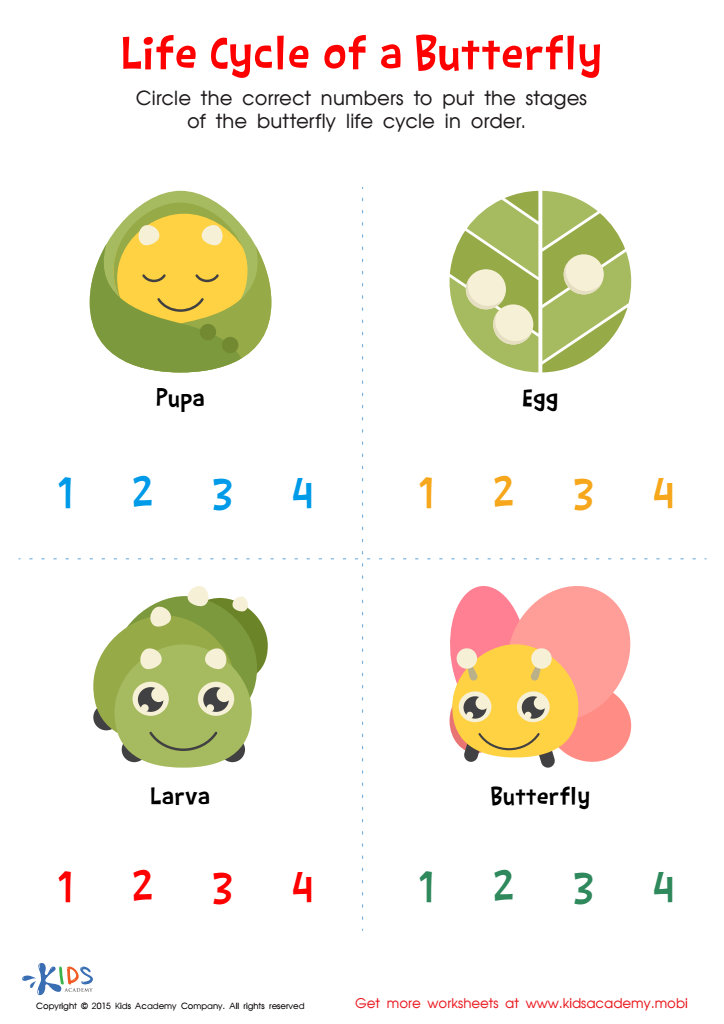
Life Cycle of Butterfly Printable








Parents and teachers should prioritize the expansion of science vocabulary for children aged 6-9 because a strong foundation in scientific language fosters curiosity and critical thinking. At this age, children's cognitive abilities are blossoming, making it an ideal time for them to develop a robust vocabulary that connects to real-world phenomena. When children understand terms like “ecosystem," “habitat," and “phenomenon,” they are better equipped to explore and engage with scientific concepts, which enhances their learning experience.
Furthermore, a well-rounded science vocabulary aids in comprehension and communication, empowering children to articulate their discoveries and questions more effectively. This not only prepares them for future academic endeavors but also fosters a lifelong love for science.
Additionally, learning science vocabulary encourages interdisciplinary connections, allowing children to see the relevance of science in everyday life. It helps them realize the importance of observation, inquiry, and experimentation, shaping their approach to problem-solving. Parents and teachers play a crucial role by creating enriching language experiences, engaging in conversations that incorporate scientific terms, and utilizing resources that promote vocabulary expansion. Emphasizing science vocabulary in early education ultimately cultivates informed, inquisitive young minds ready to tackle the complexities of the world.







