Vocabulary enhancement Normal Science Worksheets for Ages 6-9 - Page 2
39 filtered results
-
From - To
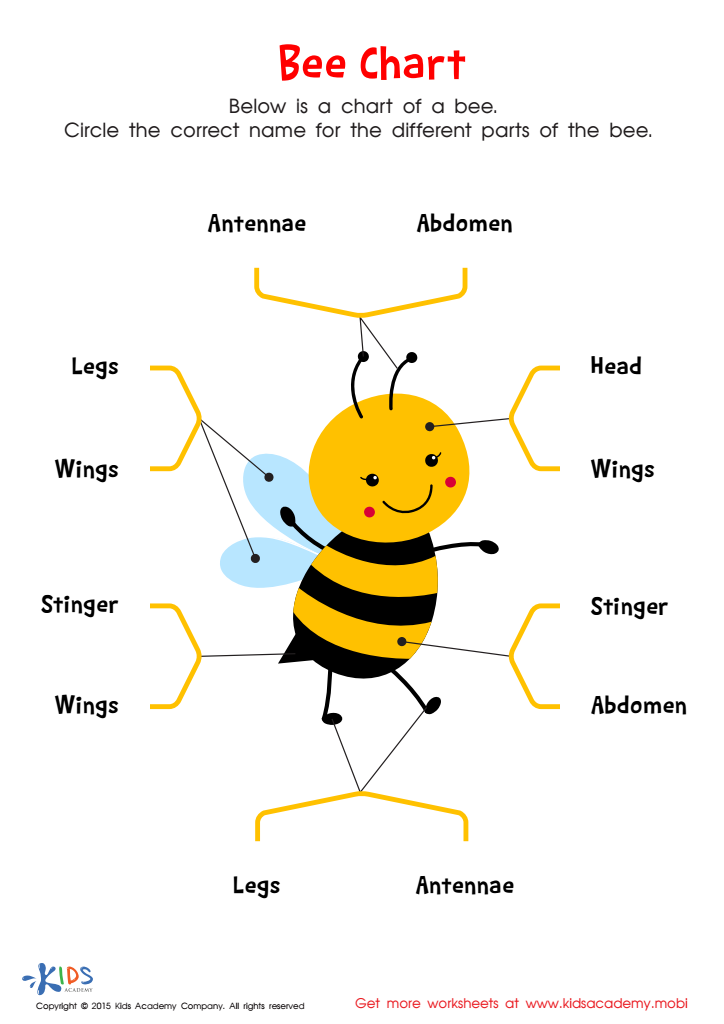
 Assign to My Students
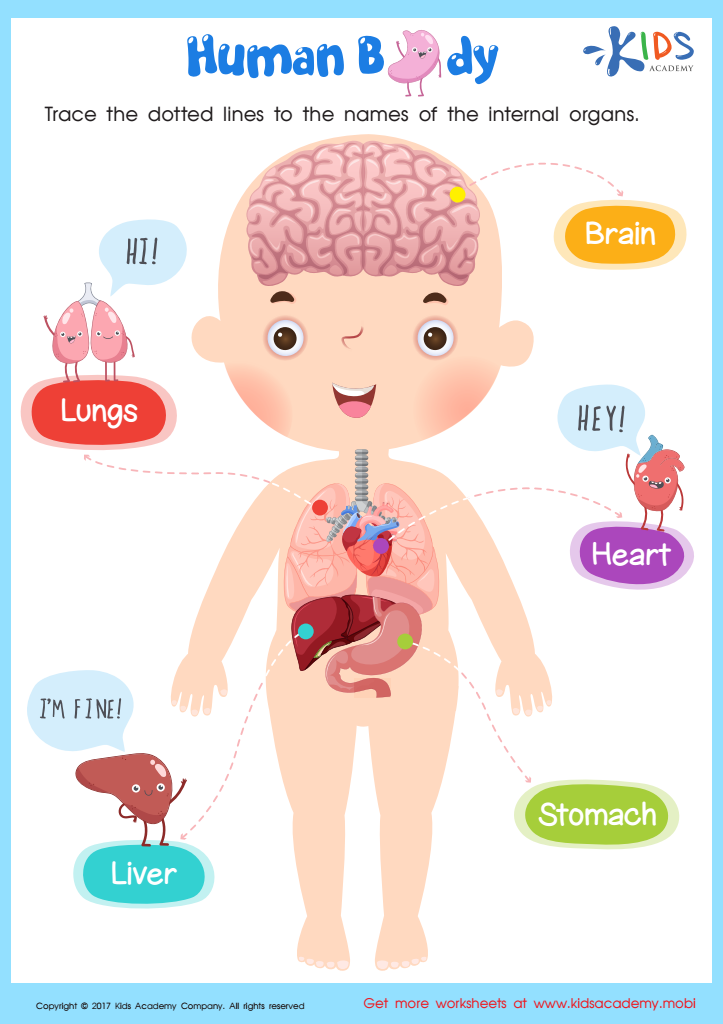
Human Body Worksheet
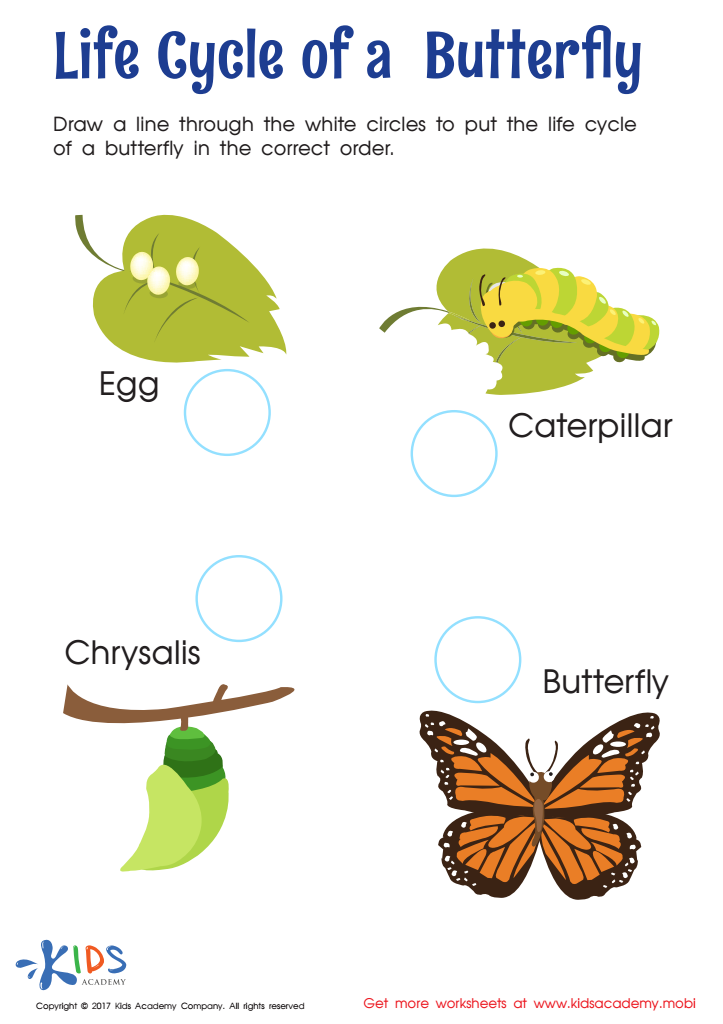
Life Cycle of Butterfly Worksheet
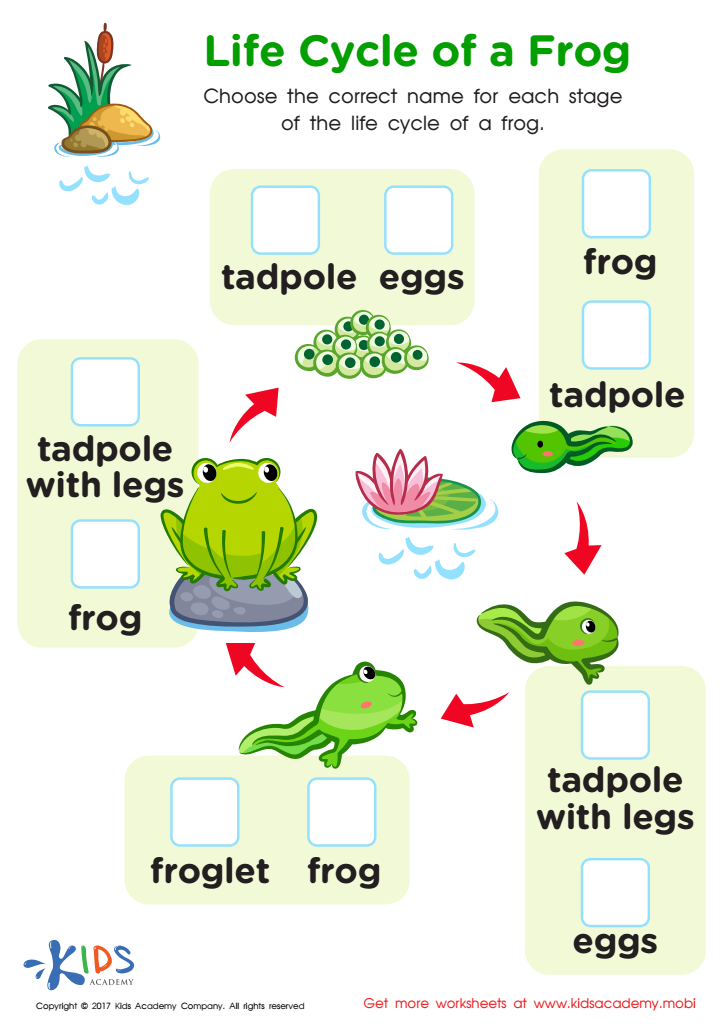
Life Cycle Frog Printable
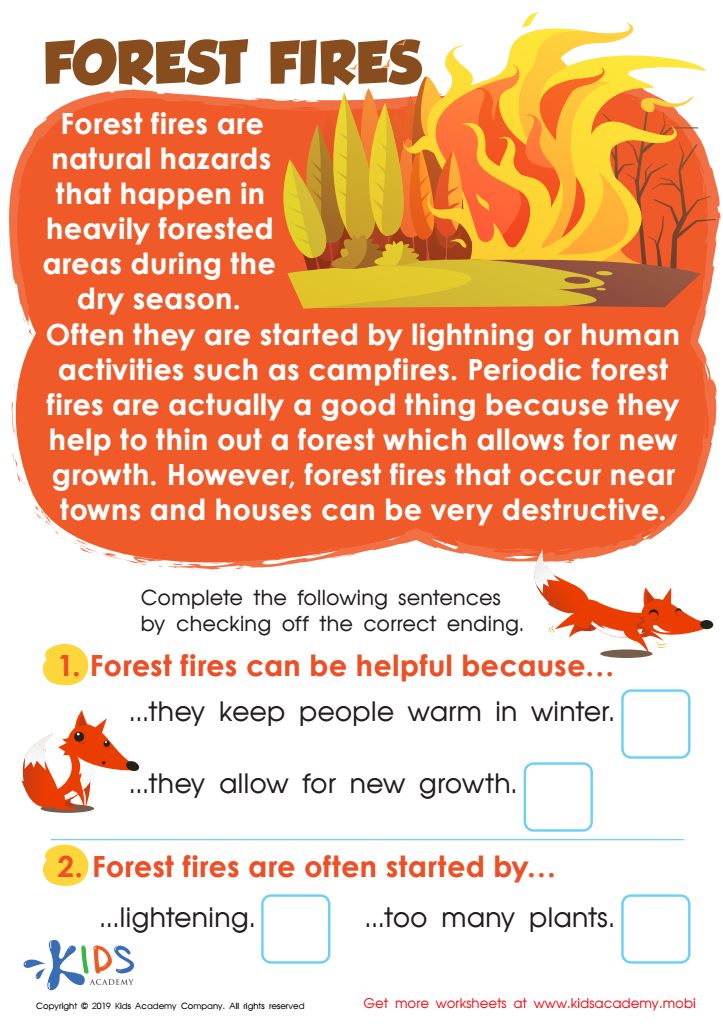
Forest Fires Worksheet
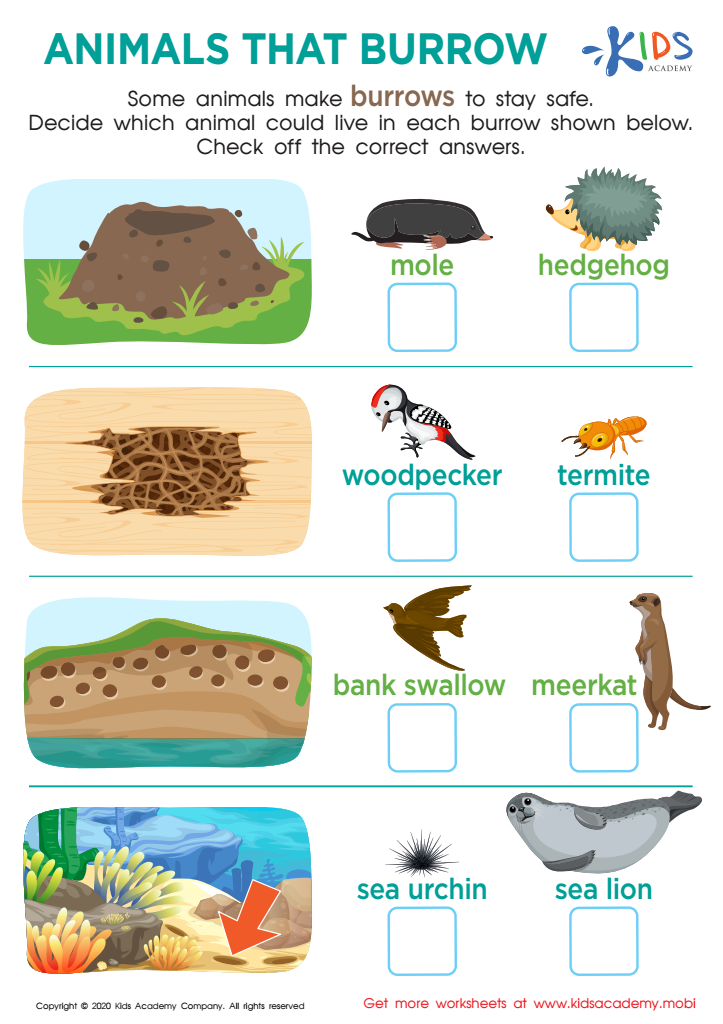
Animals That Burrow Worksheet
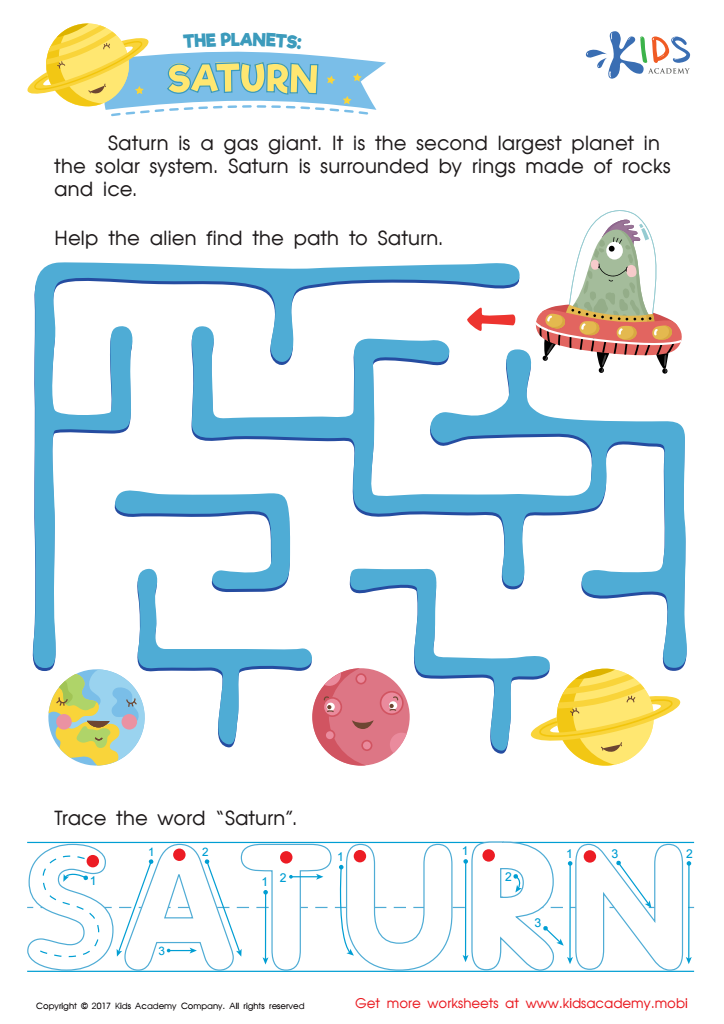
The Planets: Saturn Printable
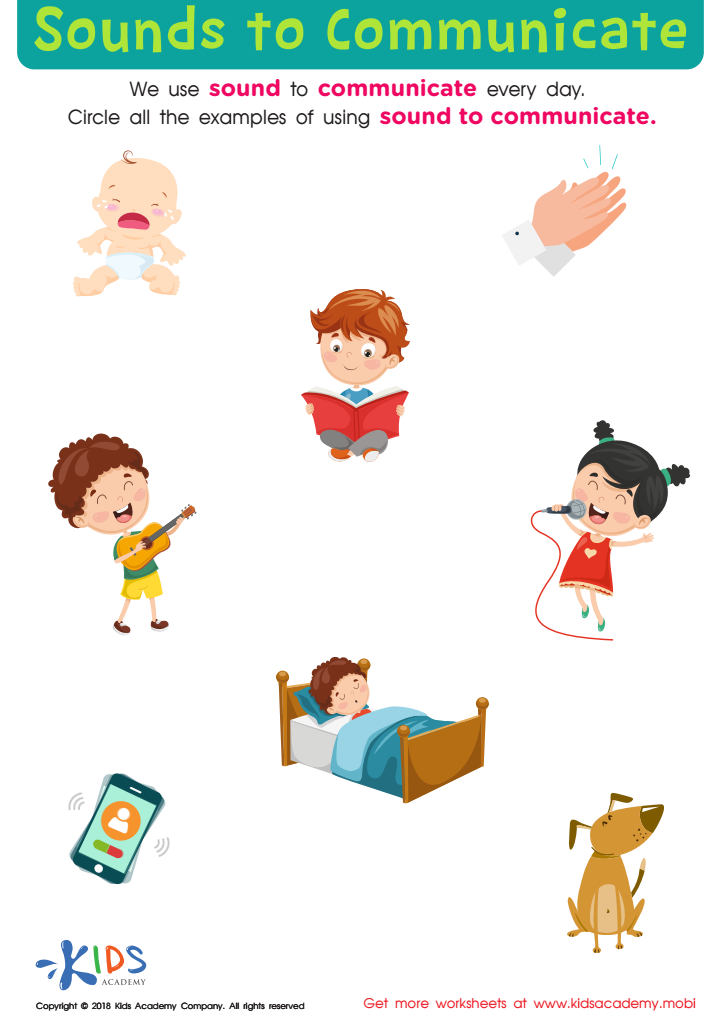
Sounds to Communicate Worksheet
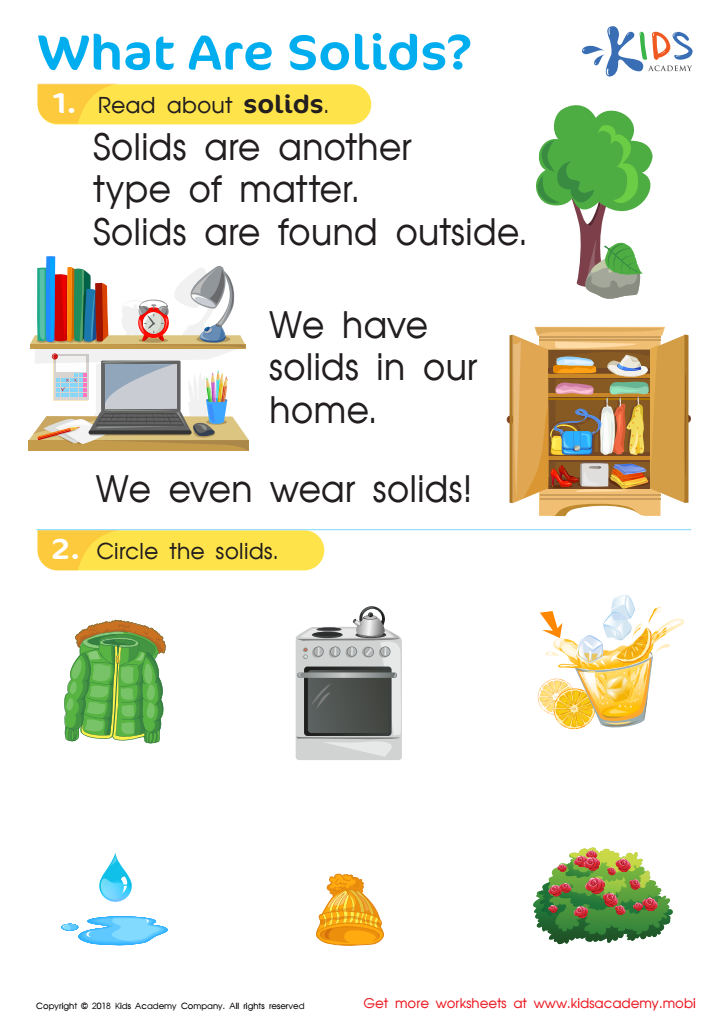
What Are Solids? Worksheet
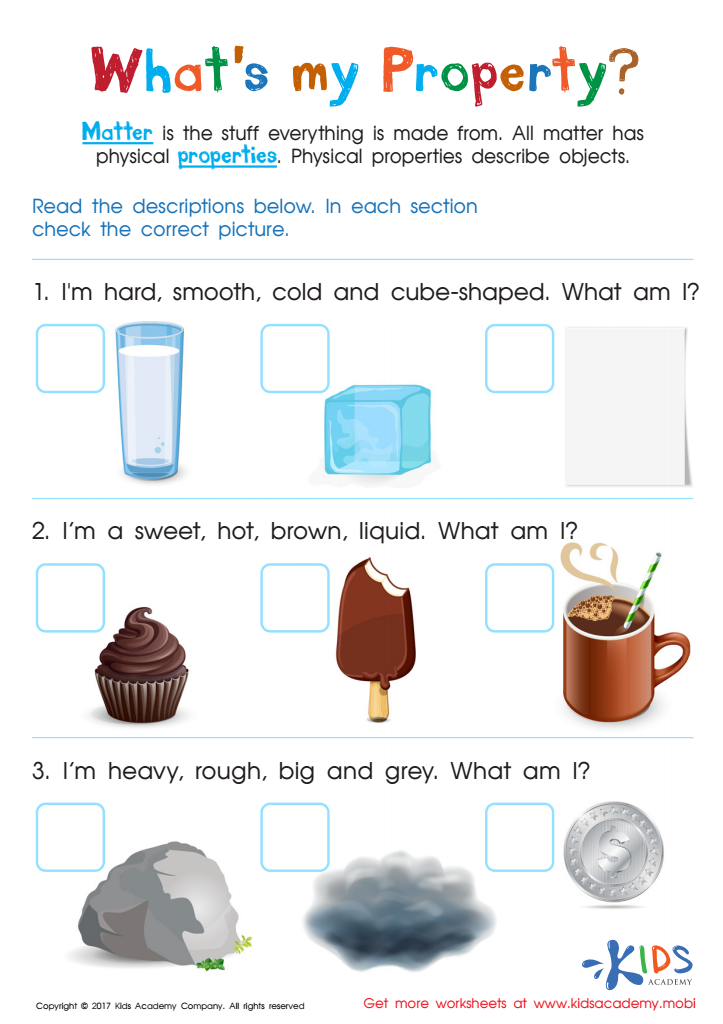
Physical Properties Of Matter Worksheet
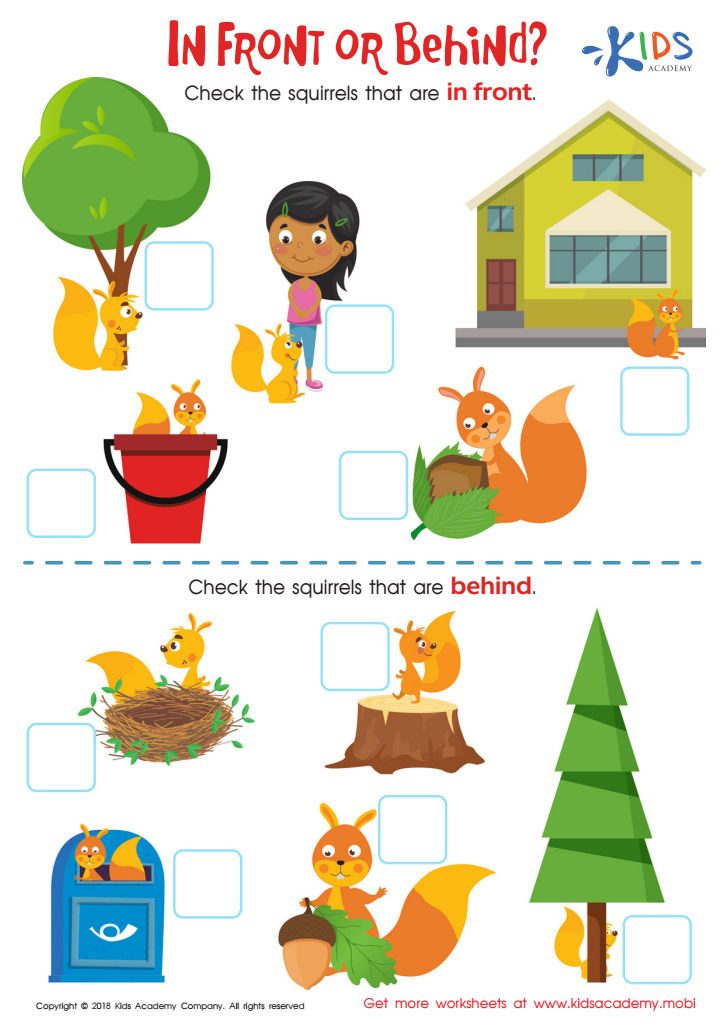
In Front or Behind: Part 2 Worksheet
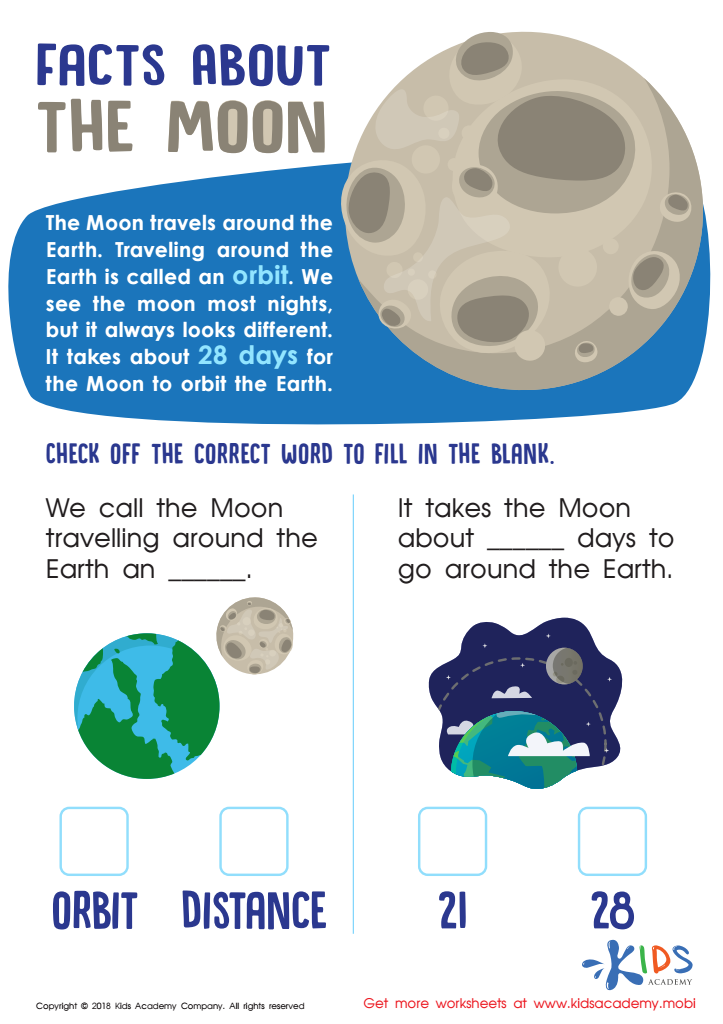
Facts About the Moon Worksheet
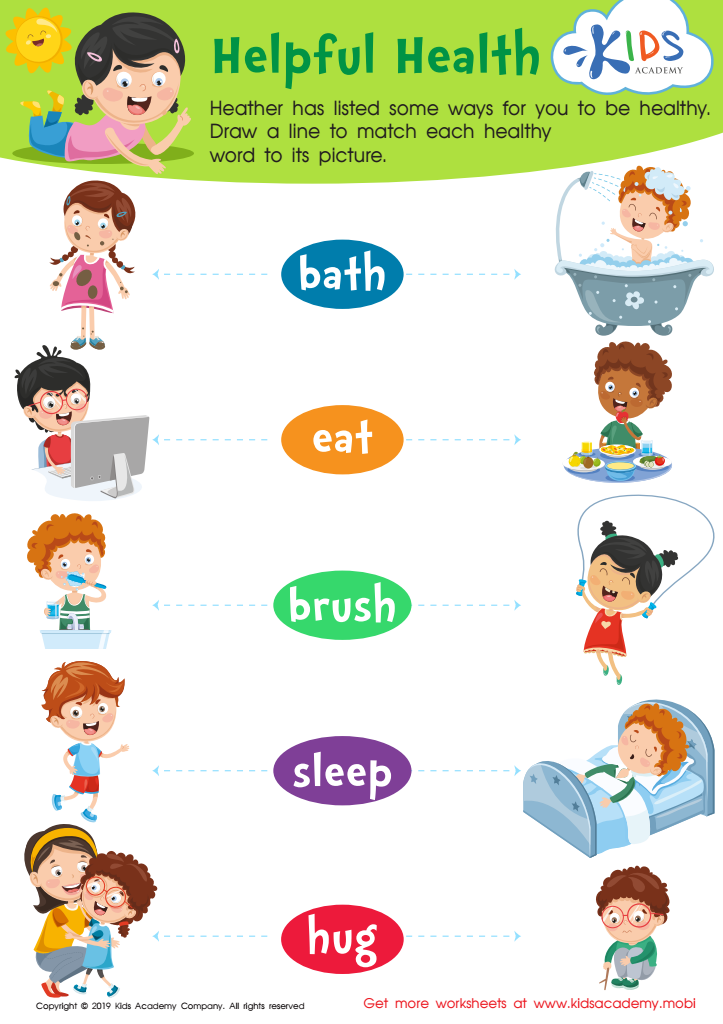
Helpful Health Worksheet
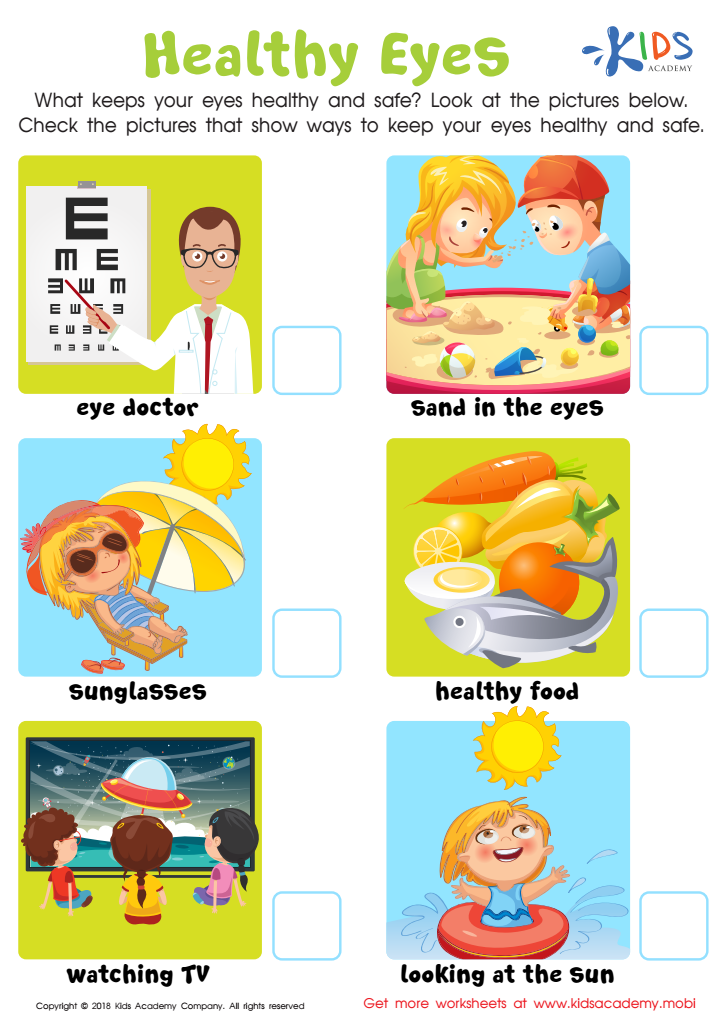
Healthy Eyes Worksheet






Vocabulary enhancement is critical for children aged 6-9, particularly in the realm of normal science, for several substantial reasons. During this developmental phase, children are rapidly expanding their language and cognitive capabilities. A robust vocabulary allows them to grasp scientific concepts more effectively, facilitating a deeper understanding of the world around them. When parents and teachers emphasize vocabulary in normal science contexts, they directly contribute to foundational skills in critical thinking, problem-solving, and comprehension.
Science education often involves complex terms and ideas that can be simplified and gradually introduced through age-appropriate vocabulary. Enhancing children’s vocabulary in this field helps demystify scientific concepts, making them more approachable and less intimidating. This approach fosters curiosity and encourages a lifelong interest in learning and investigation.
Moreover, strong vocabulary skills are closely linked to literacy development. Understanding scientific terms and their applications aids in reading comprehension, enabling children to engage more profoundly with texts and written instructions. Such skills are not only essential for academic transitions but also for effective communication and collaboration, both in and outside the classroom. By prioritizing vocabulary enhancement in normal science, parents and teachers provide children with tools that contribute to their overall academic success and intellectual growth.







