Learning about ecosystems Normal Plants and Animals Worksheets for Ages 6-9
3 filtered results
-
From - To
Dive into the fascinating world of ecosystems with our "Learning about Ecosystems: Normal Plants and Animals Worksheets for Ages 6-9." Designed to foster curiosity and understanding, these engaging worksheets help young learners explore the diversity of plants and animals in various habitats. Through fun activities and vivid illustrations, children will learn how organisms coexist and rely on each other within their environment. Perfect for enhancing science skills in an enjoyable and interactive manner, our printable worksheets cater specifically to the cognitive and developmental needs of kids aged 6-9, making learning about nature both entertaining and educational.
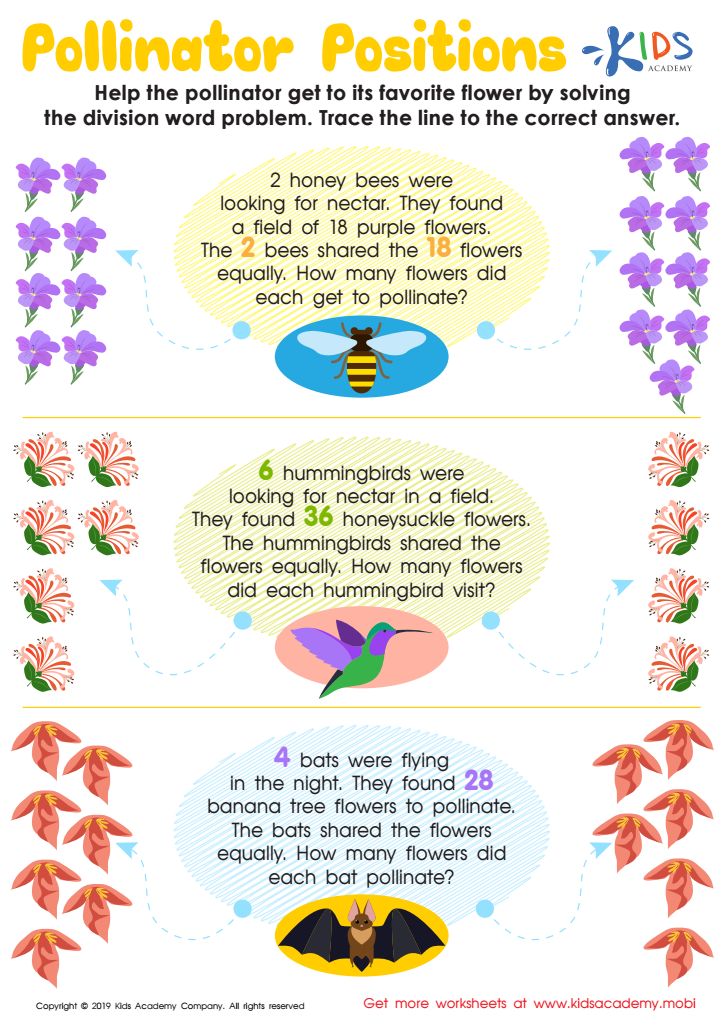
Pollinator Positions Worksheet
 Assign to My Students

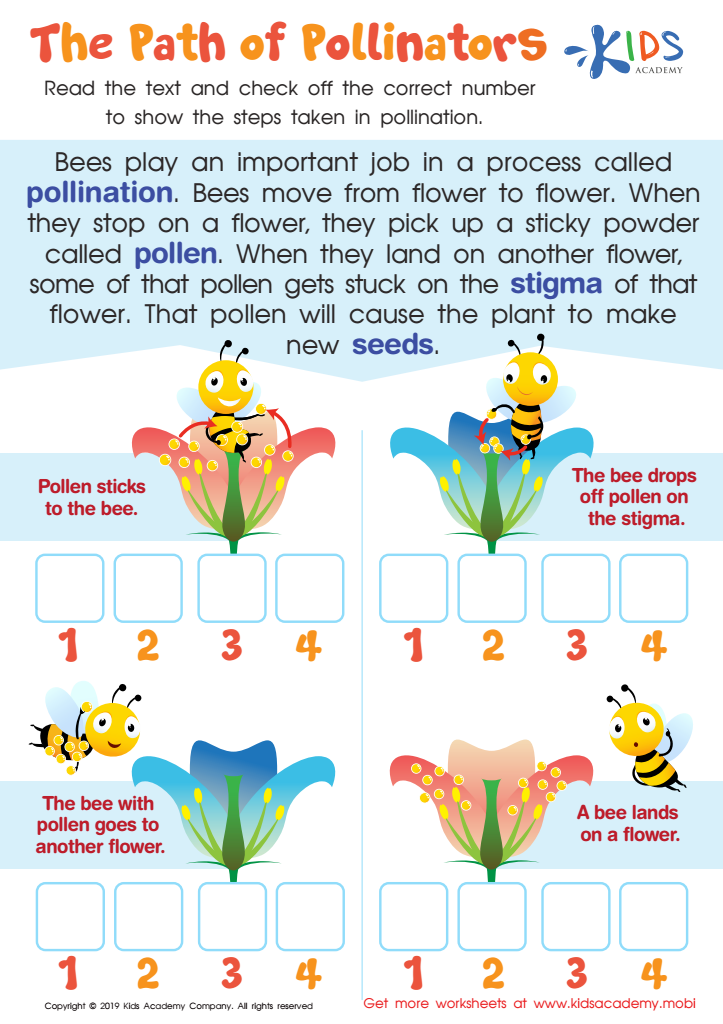
The Path of Pollinators Worksheet
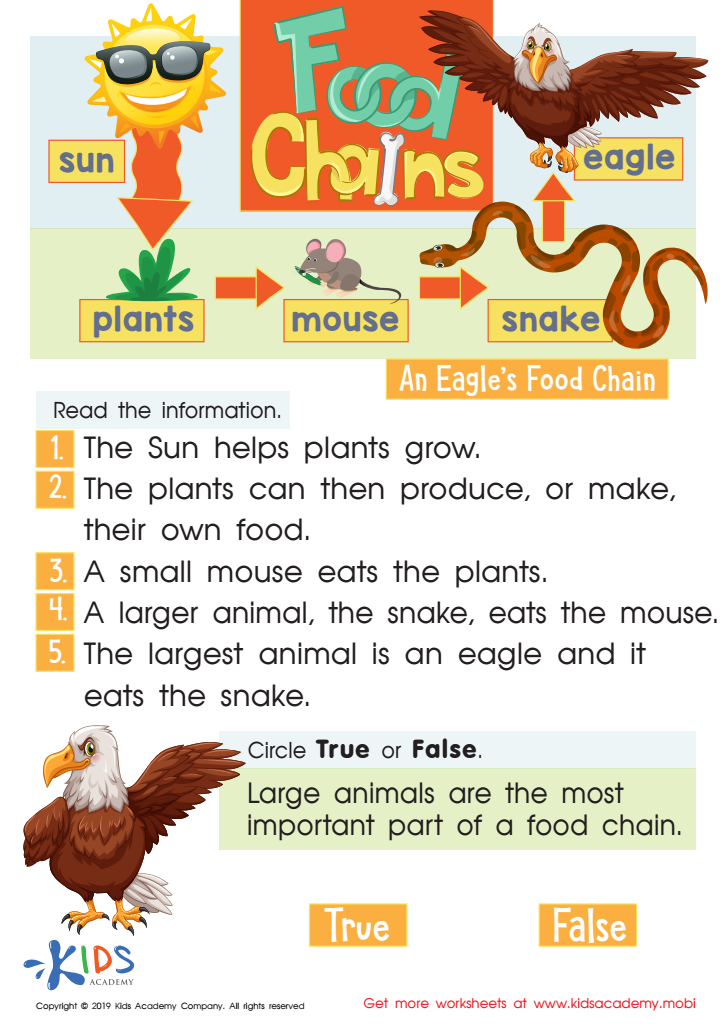
Food Chains Worksheet







Learning about ecosystems, plants, and animals is crucial for children aged 6-9 for several reasons, and it's important that both parents and teachers recognize this. Firstly, understanding ecosystems nurtures a sense of environmental awareness. At a young age, children are highly receptive, and learning about the intricate relationships among plants, animals, and their habitats fosters a sense of respect and appreciation for the natural world.
Additionally, engaging with these concepts enhances critical thinking skills. Children learn to observe differences and similarities in species, understand food chains, and grasp basic ecological principles, which lays a foundation for scientific learning. This knowledge promotes curiosity and encourages scientific exploration, both in and outside the classroom.
Socially, eco-literacy cultivates a sense of responsibility and stewardship for the planet. As children learn about the importance of biodiversity and conservation, they become more conscientious about their role in preserving ecosystems. This can lead to sustainable habits and ultimately, a generation more committed to addressing environmental challenges.
Moreover, hands-on activities like planting trees or visiting nature reserves can be enjoyable and educational, fostering a love of nature and outdoor activities. By integrating ecosystem education early, parents and teachers equip children with the necessary tools to recognize and address future environmental issues, ensuring a more environmentally literate and conscious society.







