Understanding ecosystems Normal Plants and Animals Worksheets for Ages 6-9
4 filtered results
-
From - To
Explore the fascinating world of ecosystems with our "Understanding Ecosystems: Normal Plants and Animals Worksheets" designed for ages 6-9. Each engaging worksheet offers interactive activities that help young learners identify and understand the relationships between different plants and animals in their habitats. Eye-catching illustrations and simple explanations make complex concepts accessible and fun! These resources support the development of critical thinking and environmental awareness while aligning with educational standards. Perfect for classrooms and home learning, these worksheets encourage children to observe, compare, and appreciate the interconnectedness of life. Start your journey into the amazing ecosystems around us today!
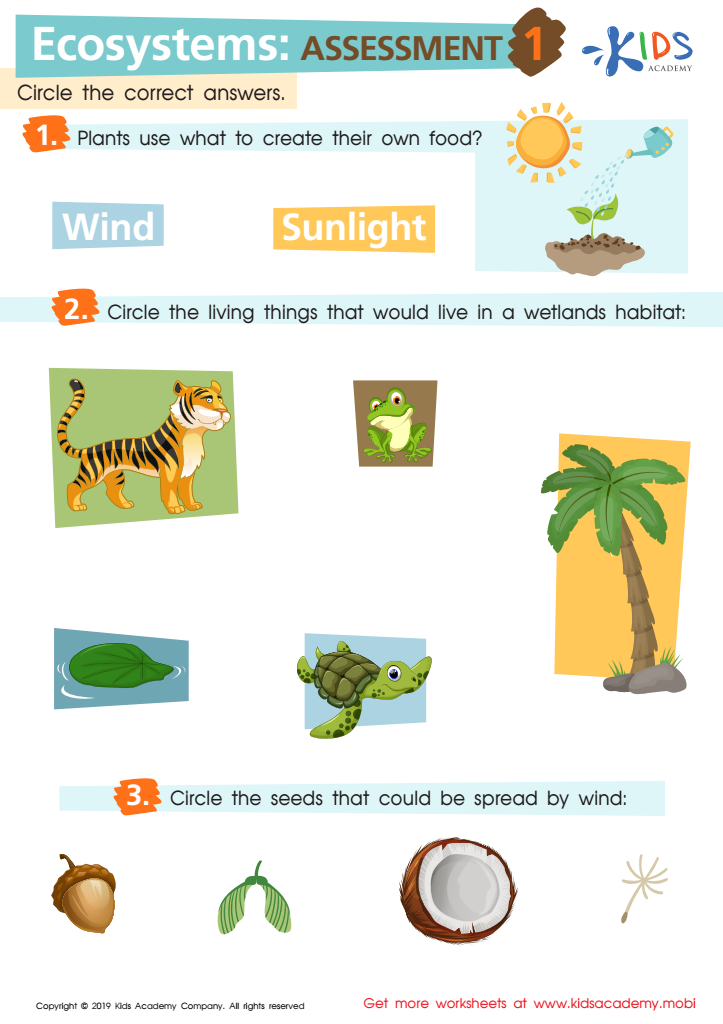
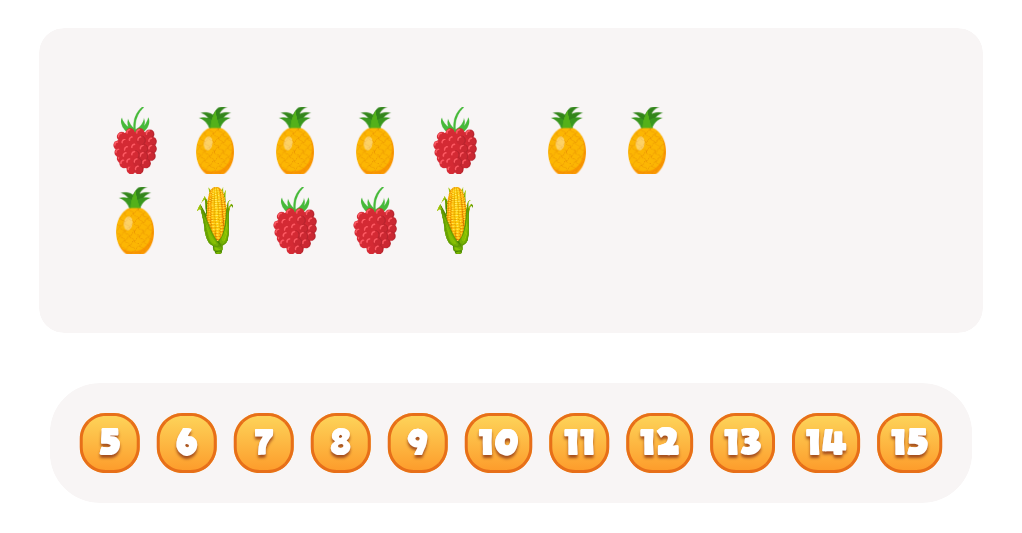
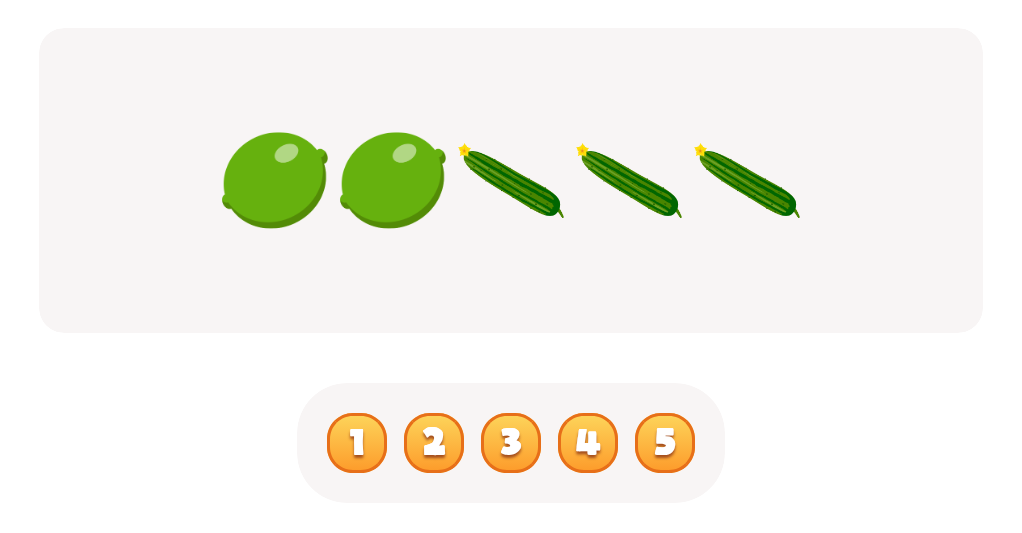
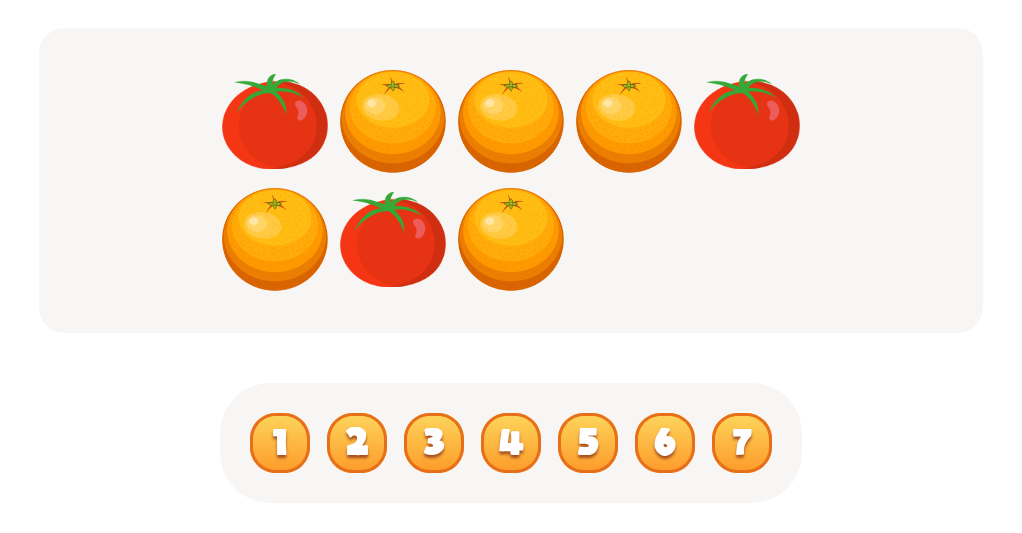
Ecosystems: Assessment 1 Worksheet
 Assign to My Students

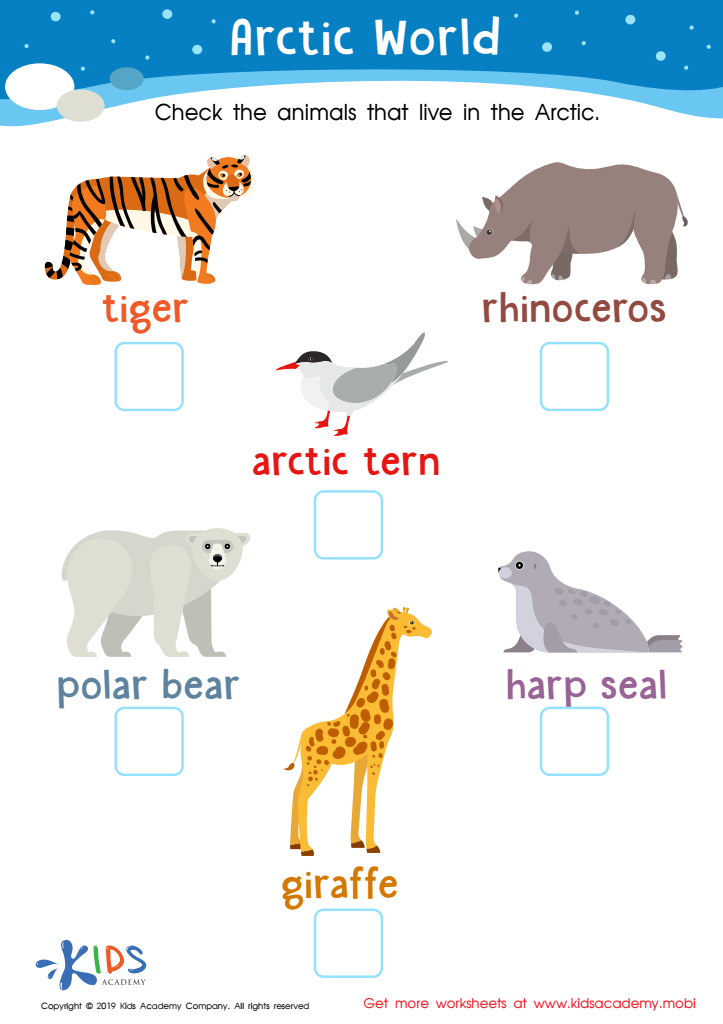
Arctic World Worksheet
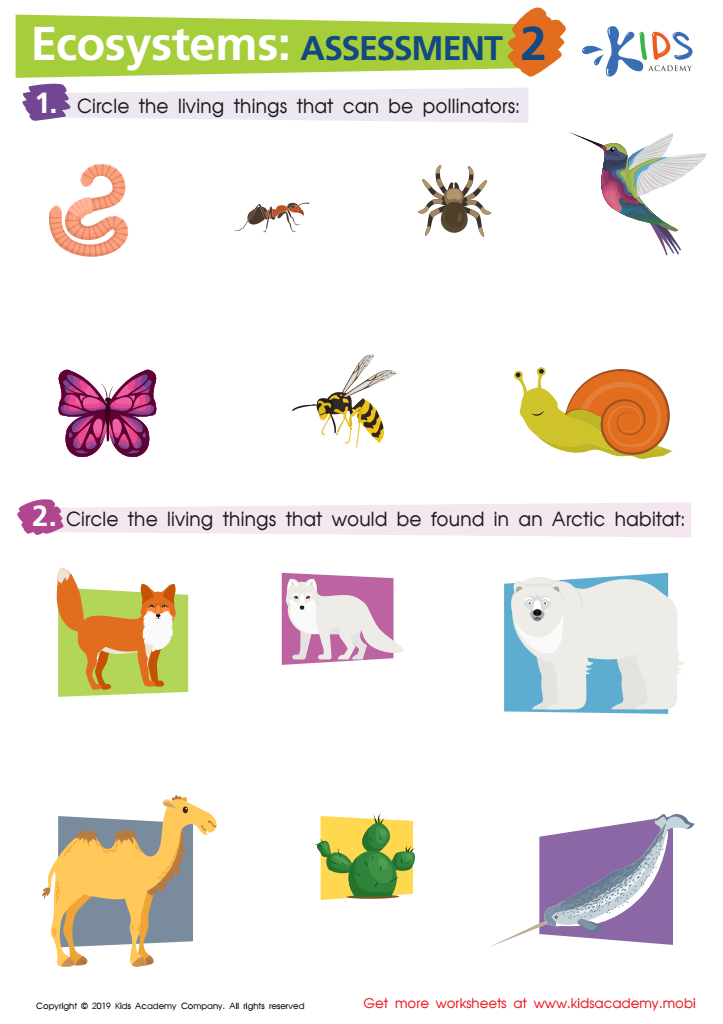
Ecosystems: Assessment 2 Worksheet
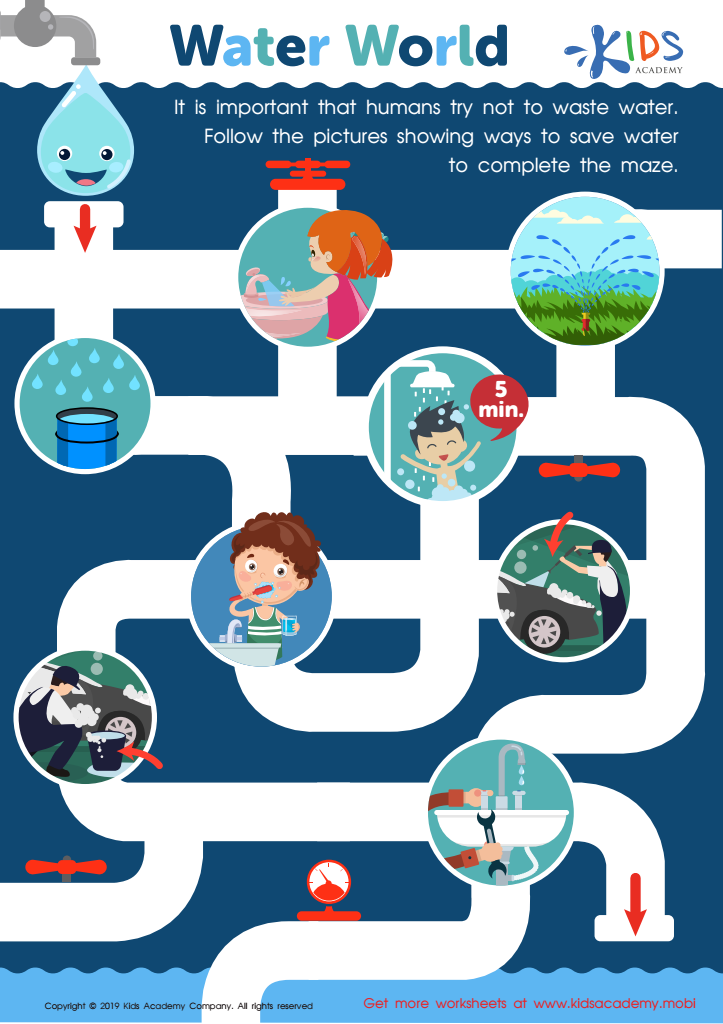
Water World Worksheet







Understanding ecosystems, including normal plants and animals, is crucial for children aged 6-9, and here's why parents and teachers should care. At this age, children are naturally curious about the world around them, and learning about ecosystems taps into that curiosity. By understanding how plants and animals interact within ecosystems, children develop a foundational appreciation for biodiversity and environmental stewardship.
Learning about ecosystems fosters critical thinking and observational skills as children explore how different organisms depend on each other and their environments. This knowledge encourages them to ask questions: How do plants grow? What role do animals play in their habitats? Such inquiries promote scientific thinking and inquiry-based learning.
Additionally, fostering an appreciation for the natural world at a young age can lead to lifelong environmentally conscious behaviors. When children understand the balance of ecosystems and the importance of conservation, they’re more likely to become responsible adults who care for the planet.
Moreover, ecosystems are interconnected with social studies and health education, providing a multi-disciplinary approach to teaching that integrates science with lessons on cooperation, community, and well-being. Overall, caring about this subject is essential for nurturing informed, engaged, and responsible future citizens.







