Developing analytical skills Normal Community Worksheets for Ages 6-9
3 filtered results
-
From - To
Developing analytical skills is crucial for young learners, and our Normal Community Worksheets for Ages 6-9 provide an engaging platform for children to enhance these essential abilities. Designed by educational experts, these worksheets encourage critical thinking through interactive activities that explore community themes. Children will analyze relationships, identify roles, and engage in problem-solving tasks that deepen their understanding of the social environment. With a variety of fun exercises that captivate young minds, this resource promotes essential skills needed for academic success and everyday decision-making. Empower your child’s analytical prowess today with our carefully crafted community worksheets!
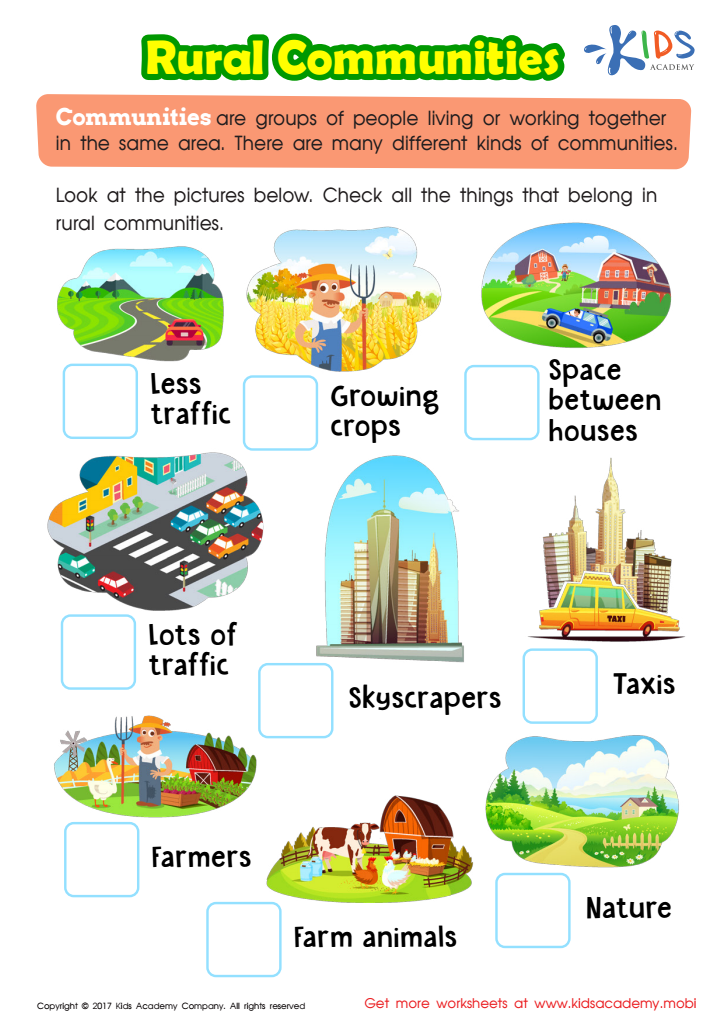
Rural Communities Printable
 Assign to My Students
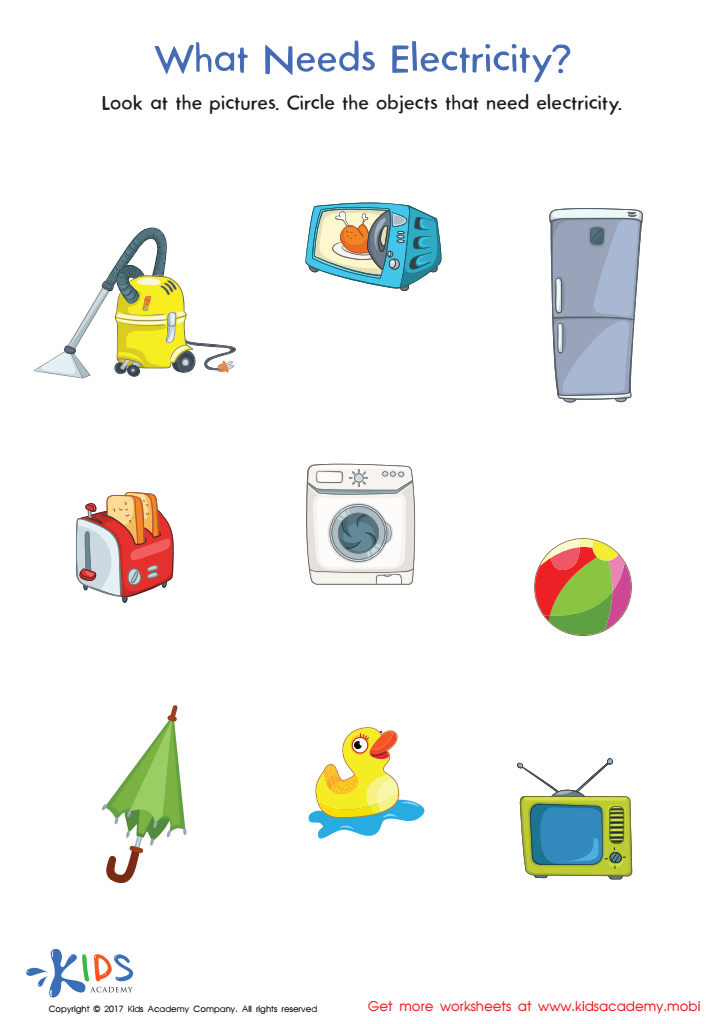
What Needs Electricity Printable
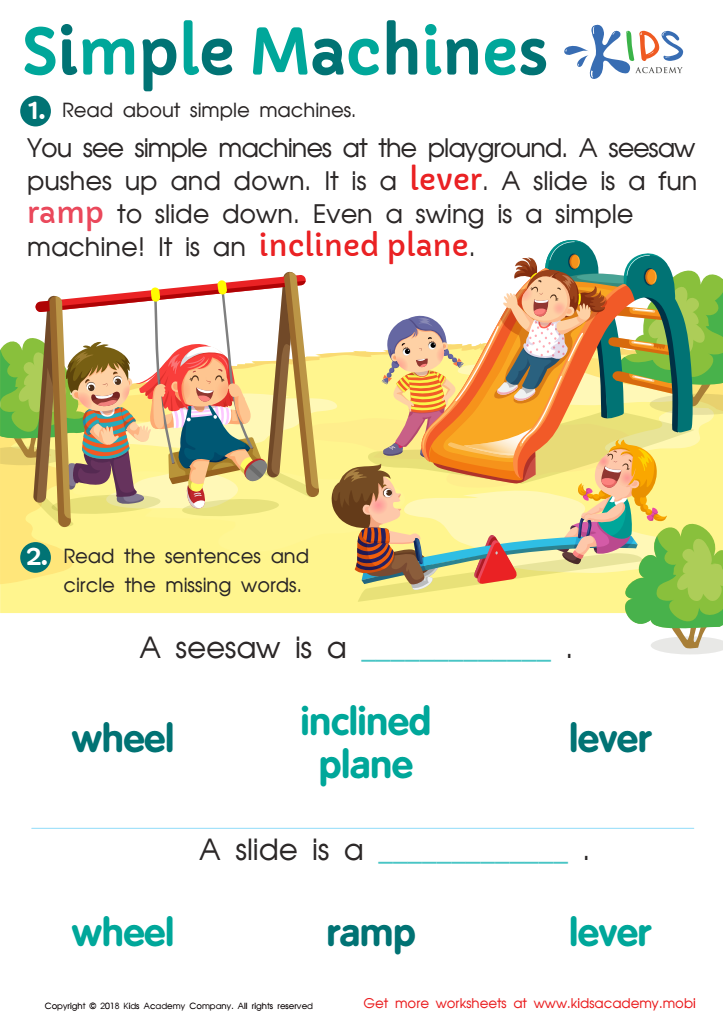
Simple Machines Worksheet








Developing analytical skills in children aged 6-9 is crucial for their overall growth and success. At this stage, children are naturally curious and eager to explore, making it an ideal time for them to enhance their critical thinking abilities. Analytical skills allow children to assess situations, solve problems, and make informed decisions, all of which are foundational for future learning.
Parents and teachers should care about fostering these skills because they empower children to navigate a complex world. Analytical thinking encourages children to question information, compare and contrast different ideas, and identify patterns, paving the way for lifelong learning and resilience. In a normal community setting, analytical skills also promote effective collaboration, as children learn to value diverse perspectives and ideas in discussions with peers.
Additionally, nurturing these skills in young learners supports emotional development and self-confidence. Children who learn to think analytically are more likely to express their thoughts and opinions clearly, helping them form their identity and build relationships. Ultimately, focusing on developing analytical skills in early education provides children with the tools they need to thrive academically and socially, ensuring they become well-rounded, capable individuals.








