Color recognition Normal Social Studies Worksheets for Ages 6-9
3 filtered results
Difficulty Level
Grade
Age
-
From - To
Subject
Activity
Standards
Explore our engaging Color Recognition Normal Social Studies Worksheets designed for children ages 6-9. These vibrant educational resources help young learners identify and distinguish colors while integrating essential social studies topics. Each worksheet captivates kids with interactive activities, encouraging hands-on learning and reinforcing color knowledge through puzzles, matching games, and creative tasks. Perfect for classroom or home use, our worksheets support cognitive development, critical thinking, and early academic skills. Boost your child's color recognition abilities while exploring the exciting world of social studies. Visit Kids Academy to download these fun, educational worksheets today!
Favorites
With answer key
Interactive
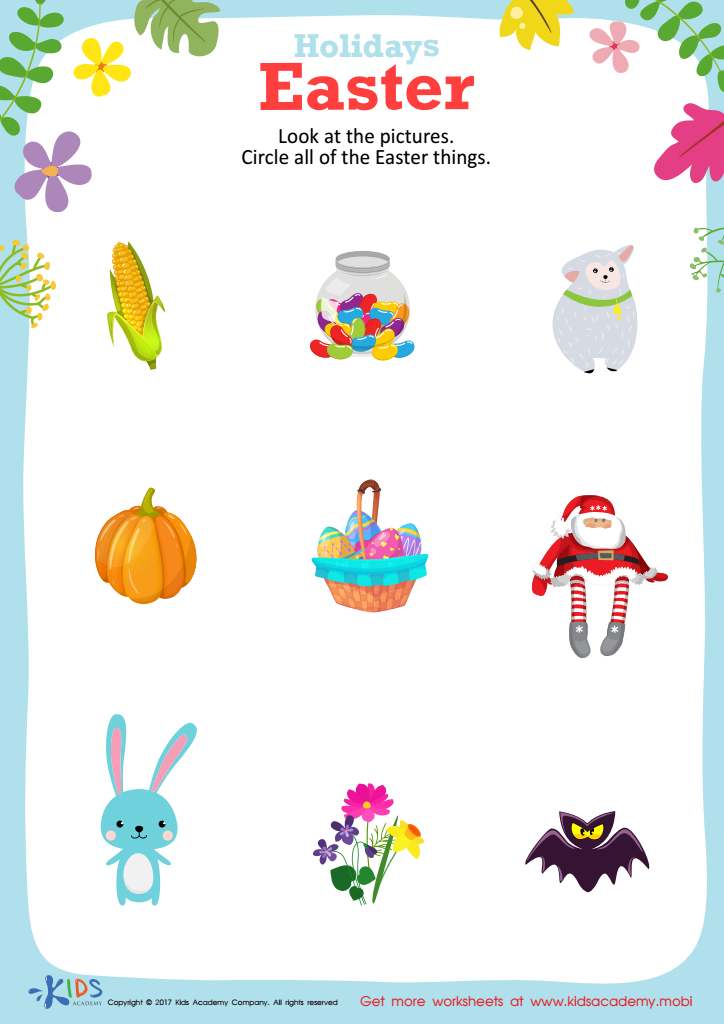
Easter Holiday Printable
This printable Easter worksheet helps your child identify symbols associated with the holiday. Pick out the pictures that usually signify Easter and your little one will gain an understanding of the holiday's meaning. With this free activity, springtime just got more exciting!
Easter Holiday Printable
Worksheet
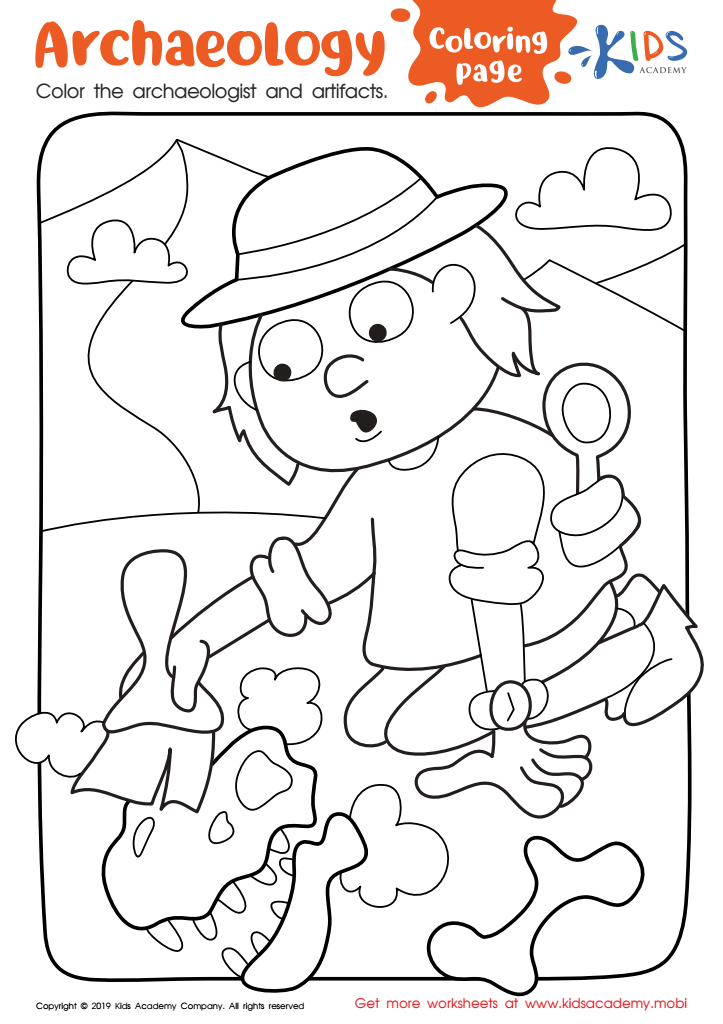
Archaelogy Coloring Page Worksheet
Colour and learn with this fun sheet! It's a great way for kids to find out what archeologists do; from digging for artifacts, to learning about their tools, to discovering what makes something an artifact. They'll have a blast while learning about history, honing their creativity and imagination.
Download (PDF)
 Assign to My Students
Assign to My Students
Archaelogy Coloring Page Worksheet
Worksheet
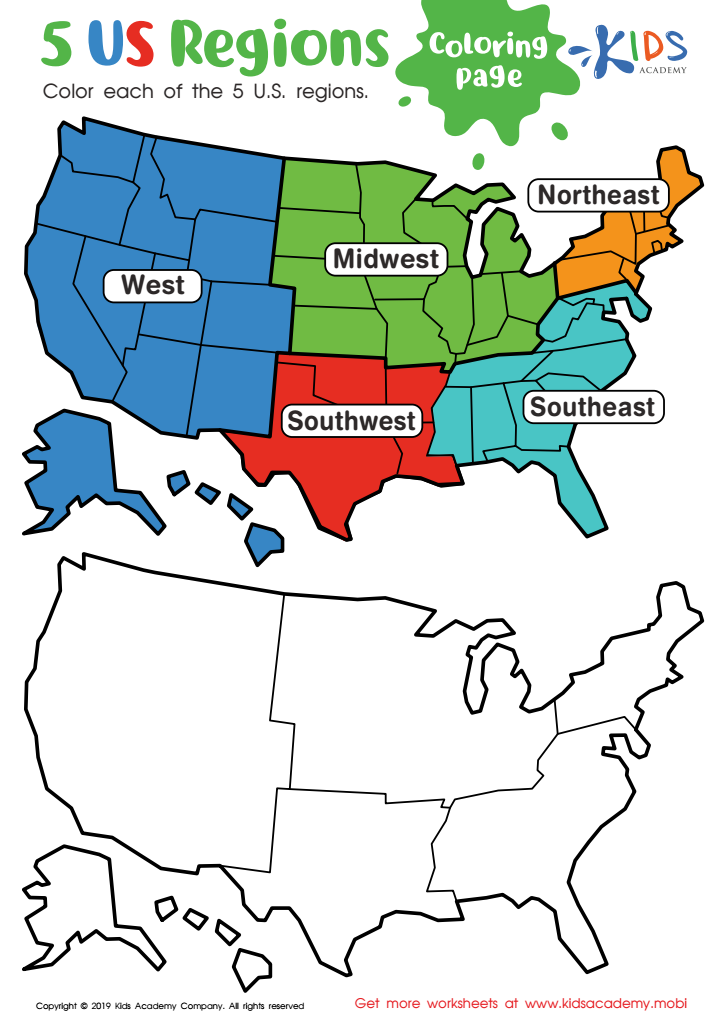
US Regions Coloring Page Worksheet
Our great nation is split into five distinct regions: Southeast, Southwest, West, Midwest, and Northeast. Each is known for its own special offerings and states. Let your kids have fun learning about the regions with a coloring activity! It's a great way for them to understand where each region stands on the map.
Download (PDF)
Assign to My Students
Assign to My Students
US Regions Coloring Page Worksheet
Worksheet
Join Kids Academy for Free
Who is primarily going to use this learning content?






Understanding color recognition is fundamental for young children aged 6-9 because it supports their cognitive, emotional, and social development. Color recognition skills are essential across various subjects, including social studies, where they play a crucial role. Here's why parents and teachers should care:
-
Cognitive Development: Recognizing and naming colors enhances visual perception and memory. It improves children’s ability to categorize and differentiate between objects, which is a critical skill as they learn more complex concepts.
-
Language Skills: Discussing colors enriches vocabulary and language skills. Using descriptive words tied to colors can help children articulate their thoughts more clearly and elaborate on their ideas.
-
Connection to Social Studies: In social studies, color is often used to convey important information. Maps, graphs, and timelines use color coding to explain geography, historical events, or cultural practices. For example, understanding why certain nations have specific flags can open conversations about history and cultural identity.
-
Social and Emotional Learning: Connecting colors to emotions can help young children express their feelings more effectively. For example, understanding that "red" might be associated with anger or "blue" with sadness can help children communicate their moods.
-
Engagement and Motivation: Coloring activities and visually stimulating educational materials keep children engaged and excited about learning.
By fostering color recognition, adults pave the way for more profound learning experiences in social studies and beyond.