Vocabulary development Normal Social Studies Worksheets for Ages 6-9
8 filtered results
-
From - To
Discover engaging vocabulary development worksheets tailored for children aged 6-9, designed to enhance their social studies understanding. These worksheets feature fun and interactive activities that help kids build essential vocabulary skills while exploring key social studies concepts. With a focus on real-world applications, each worksheet encourages critical thinking and fosters a love for learning. The variety of exercises, including matching, fill-in-the-blanks, and word searches, keeps students motivated and interested. Ideal for classroom use or home learning, our vocabulary development worksheets provide an excellent foundation for young learners to express themselves confidently while deepening their knowledge of the world around them.
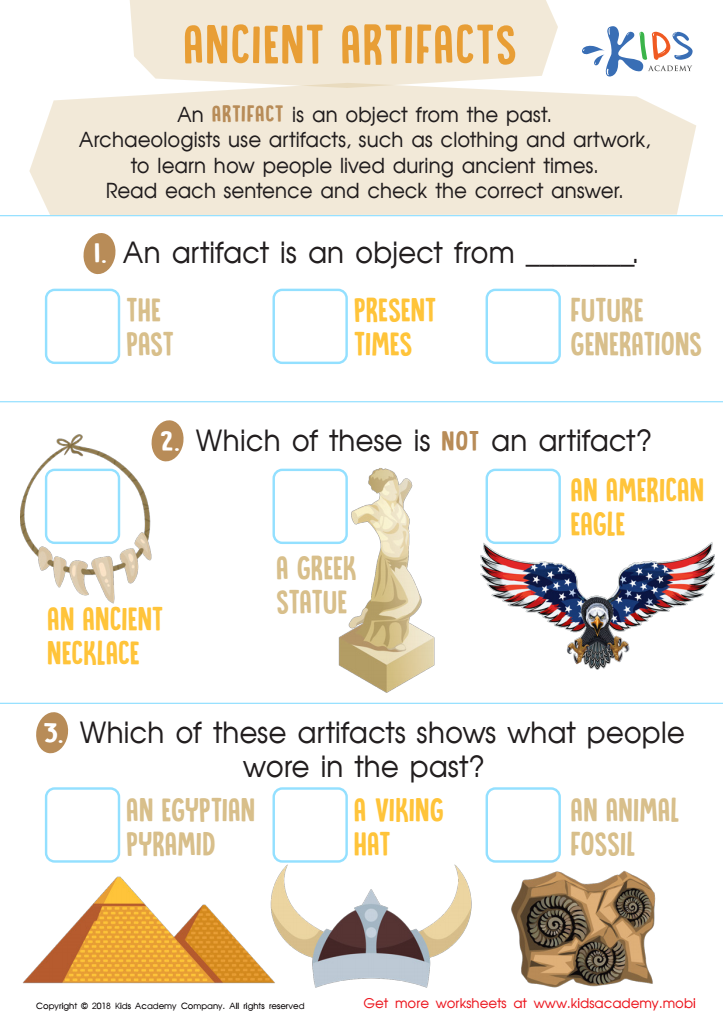
Ancient Artifacts Worksheet
 Assign to My Students
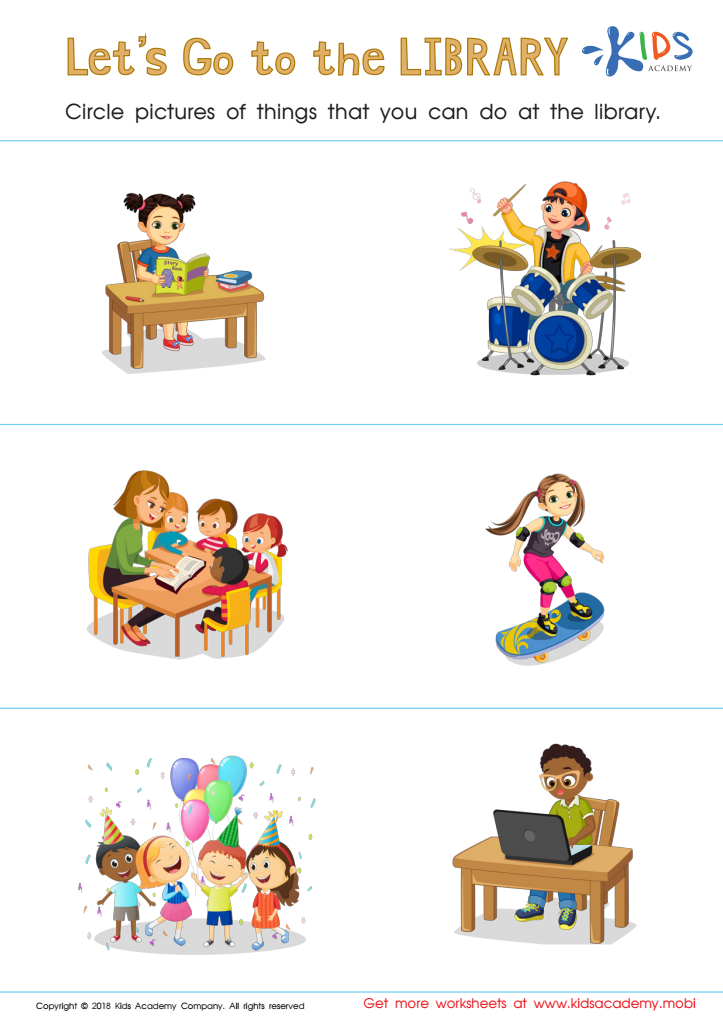
Let's Go to the Library! Worksheet
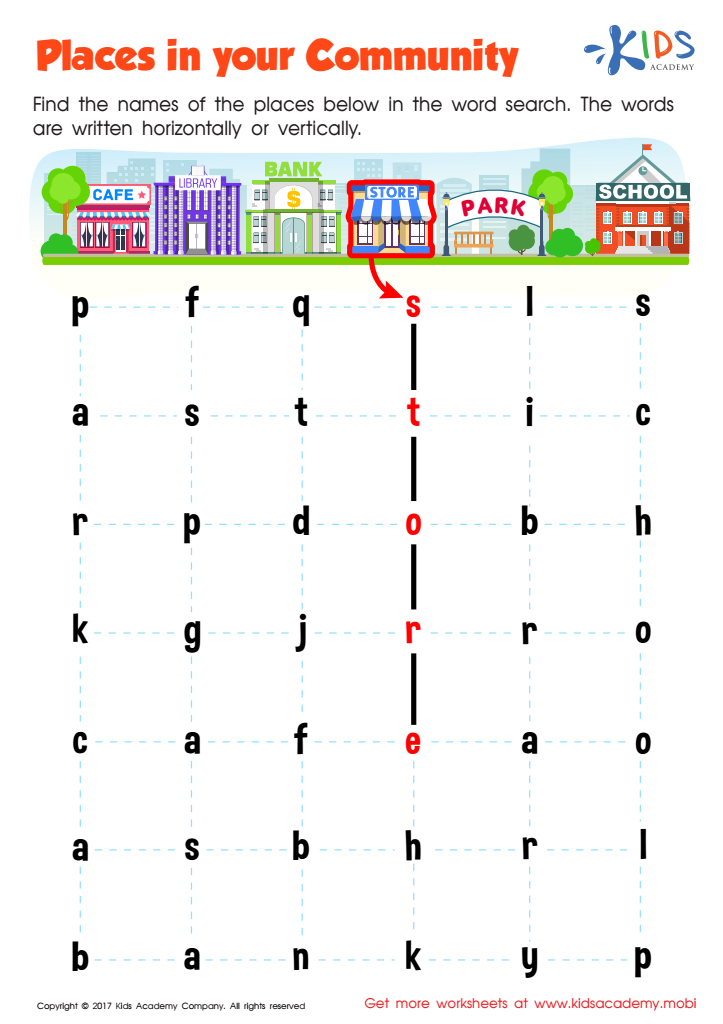
Places in Your Community Worksheet
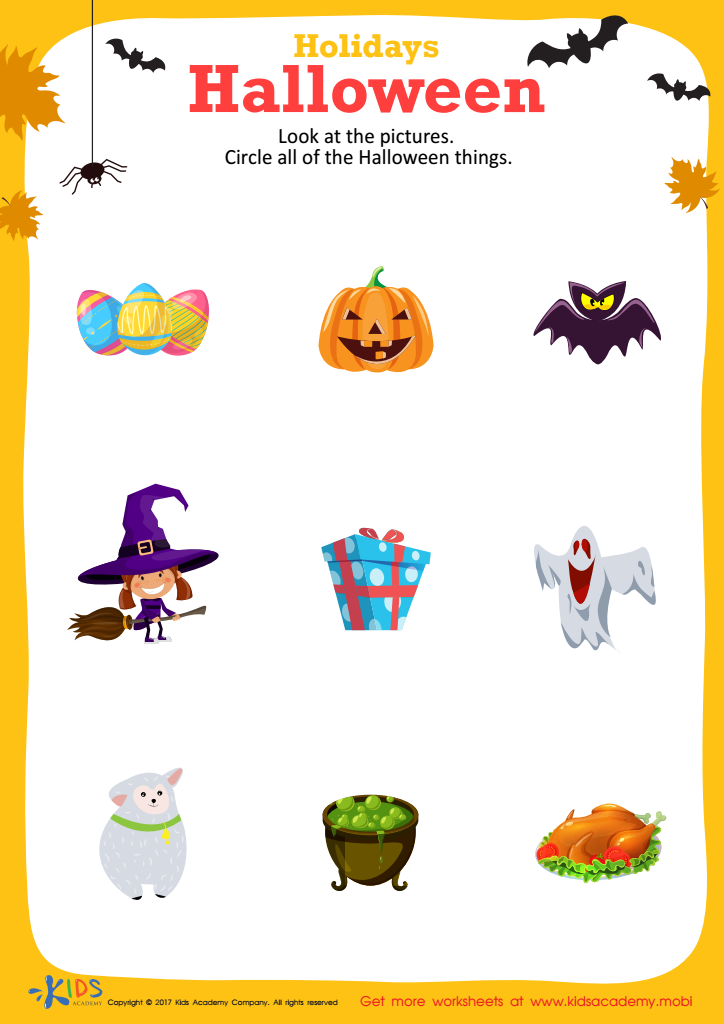
Halloween Holiday Worksheet
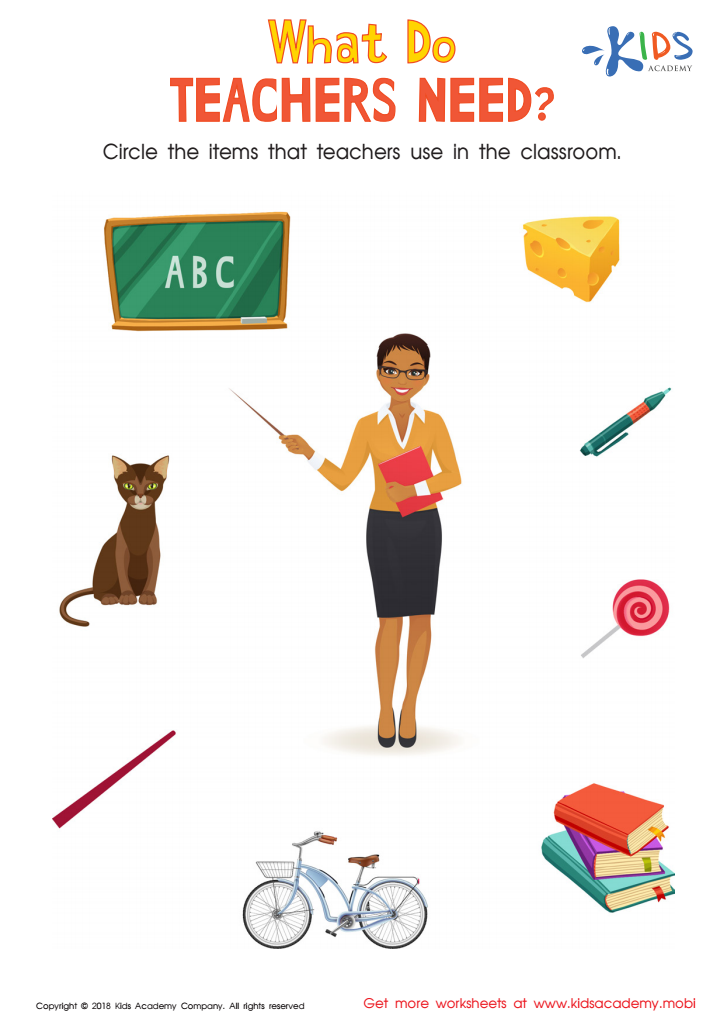
What Do Teachers Need Worksheet
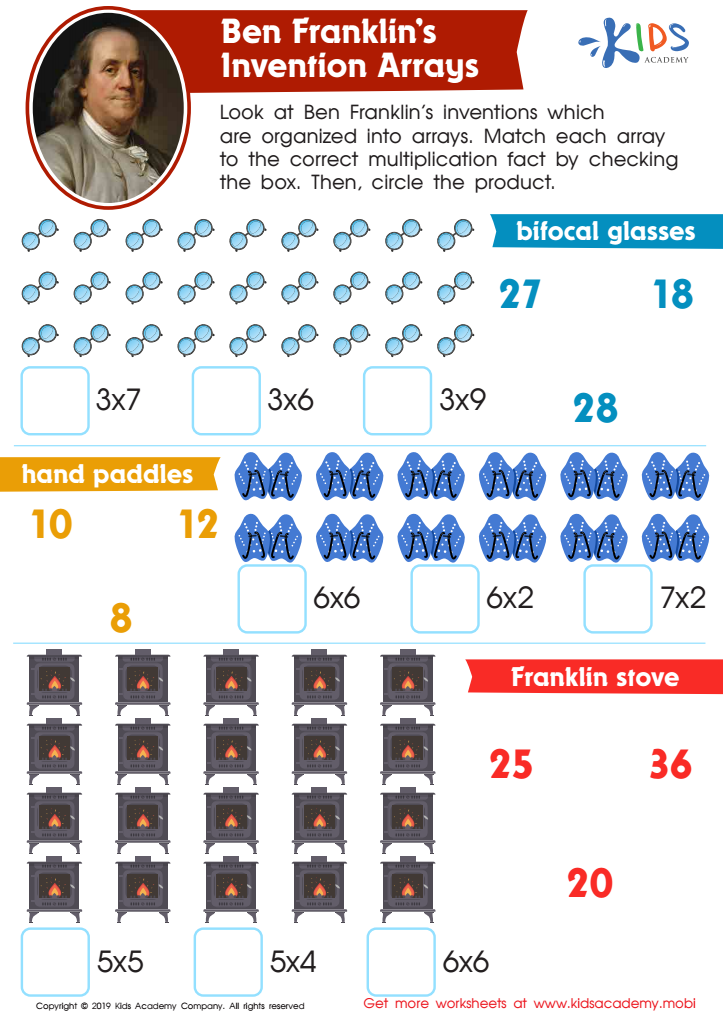
Ben Franklin’s Invention Arrays Worksheet
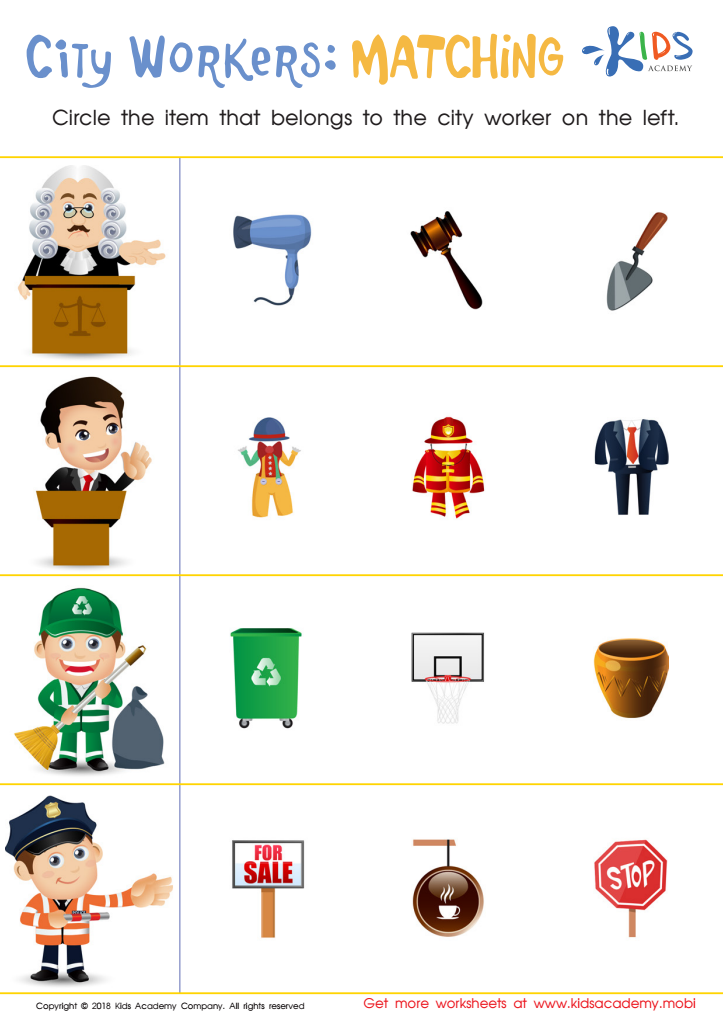
City Workers: Matching Worksheet
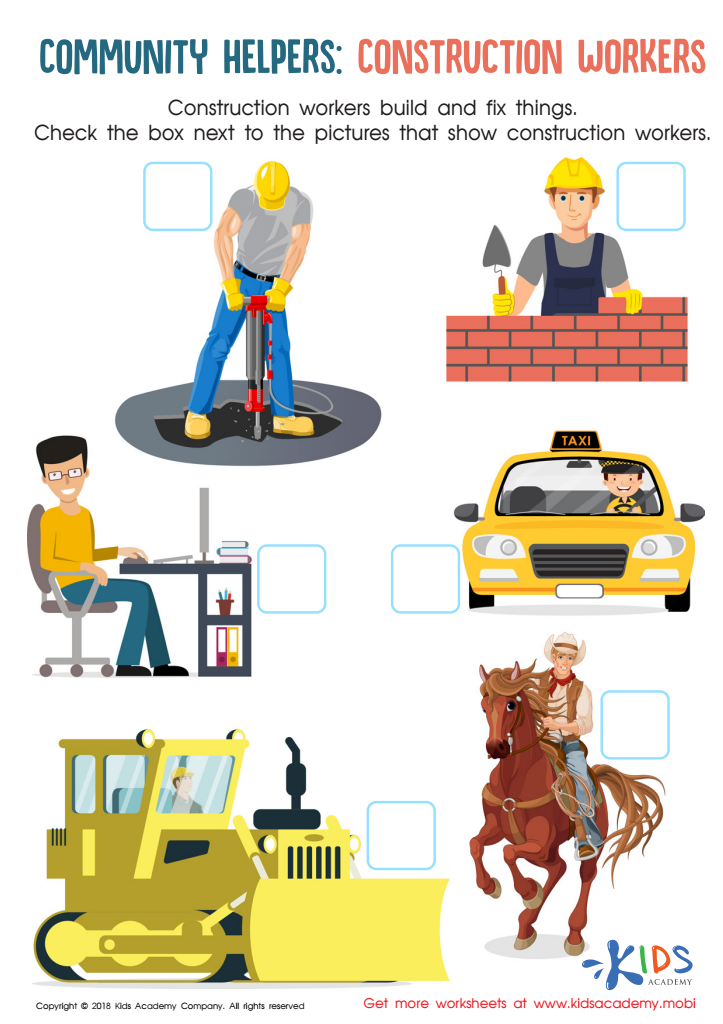
Construction Workers Community Helpers Worksheet






Vocabulary development is crucial for young learners, particularly in subjects like Social Studies for ages 6-9. This age group is at a pivotal point in their language and cognitive development, where exposure to new words and concepts forms the foundation for more complex learning in the future. In Social Studies, children encounter terms related to history, geography, culture, and government. Mastering this vocabulary enhances their comprehension, enabling them to understand themes and concepts that shape their world.
Parents and teachers should prioritize vocabulary development as it promotes critical thinking and enhances communication skills. A robust vocabulary not only aids in academic achievement but also fosters active participation in discussions about societal issues, encouraging children to express their thoughts and opinions confidently.
Moreover, a strong vocabulary aids in reading comprehension, allowing kids to engage meaningfully with Social Studies texts. This enhance their ability to draw connections between the content and their own lives, fostering a deeper interest in social sciences. Side by side, enriching vocabulary promotes emotional intelligence; when children can articulate their feelings and thoughts, they feel more empowered and connected to their communities, fundamentally shaping their future as informed citizens.








