Phonics Skills Normal Phonics Worksheets for 6-Year-Olds - Page 2
34 filtered results
-
From - To
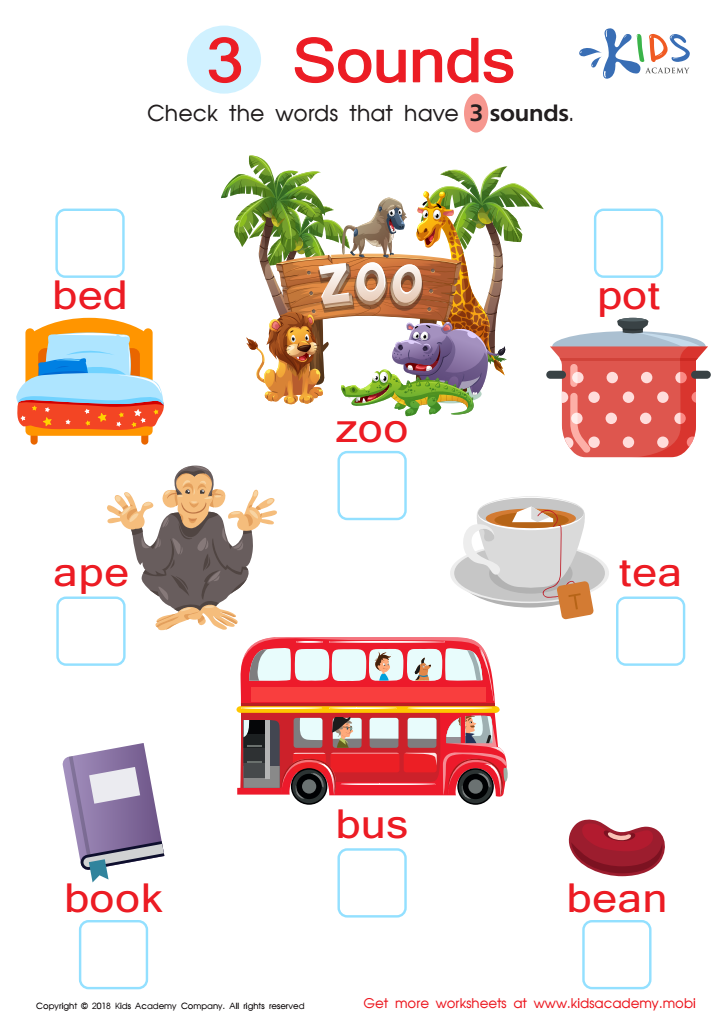
3 Sounds Worksheet
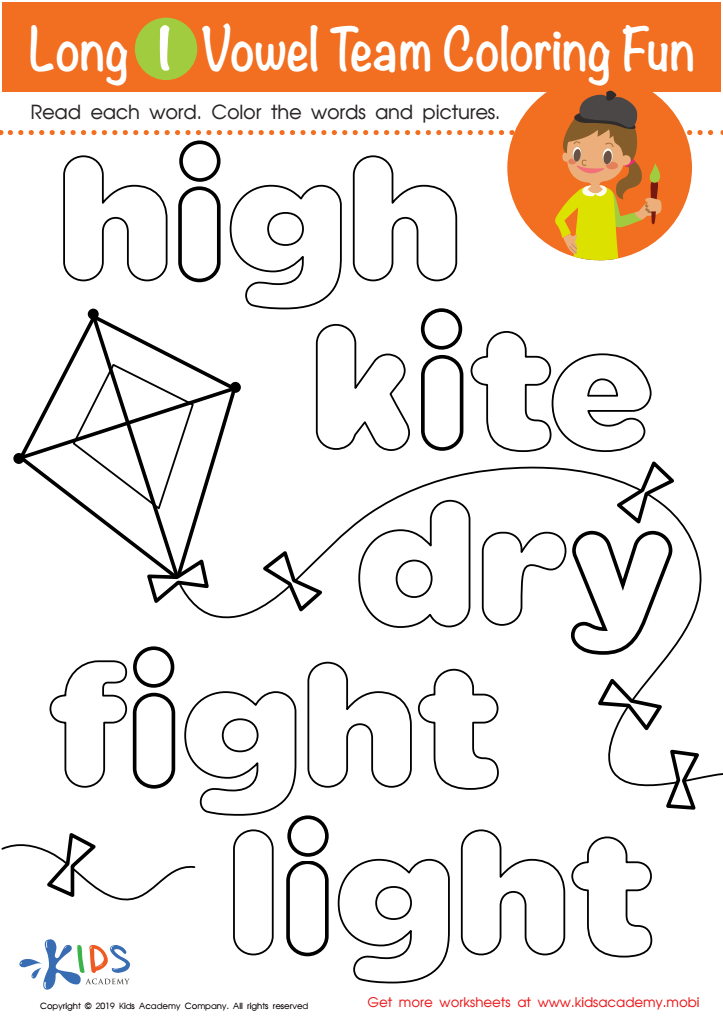
Long I Vowel Team Coloring Worksheet
 Assign to My Students
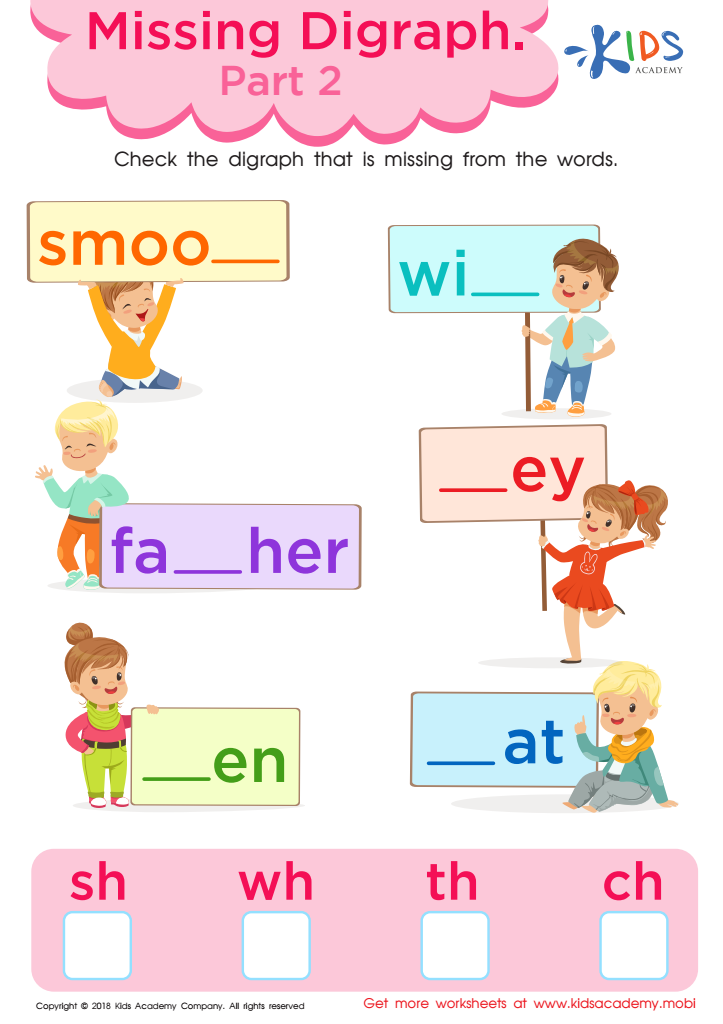
Missing Digraph: Part 2 Worksheet
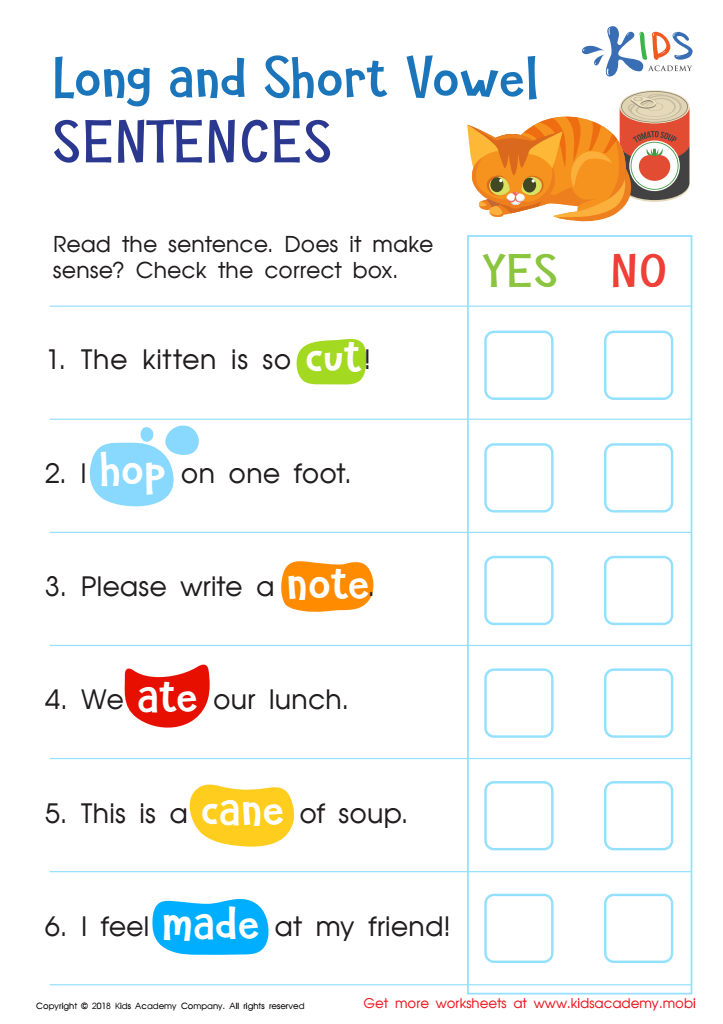
Long and Short Vowel Sentences: Assessment Worksheet
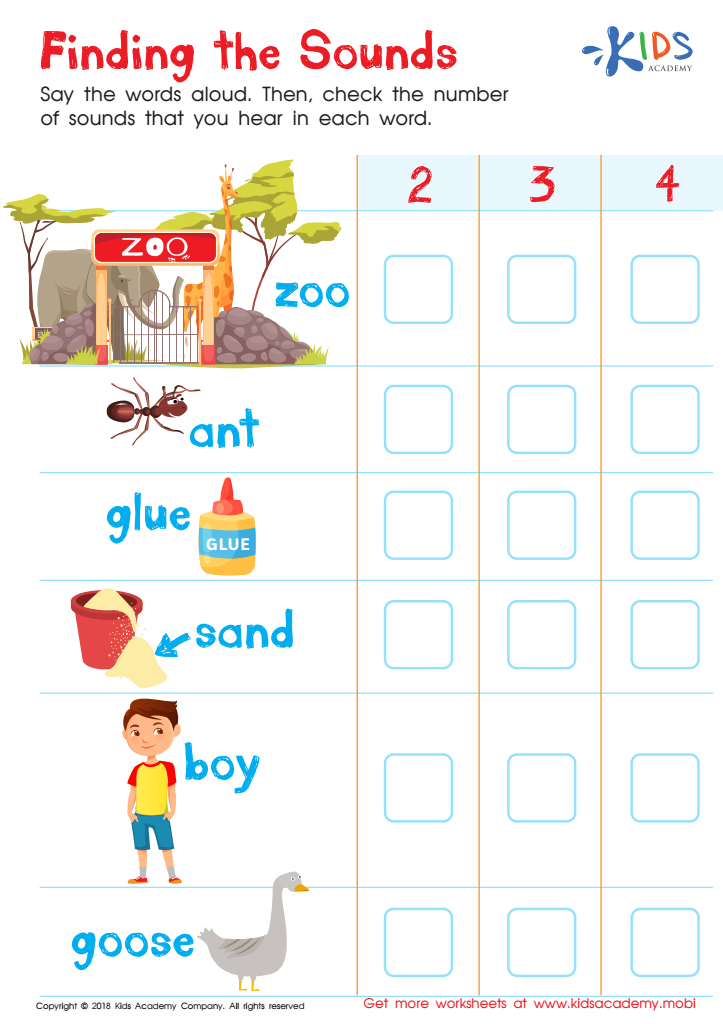
Finding the Sounds Worksheet
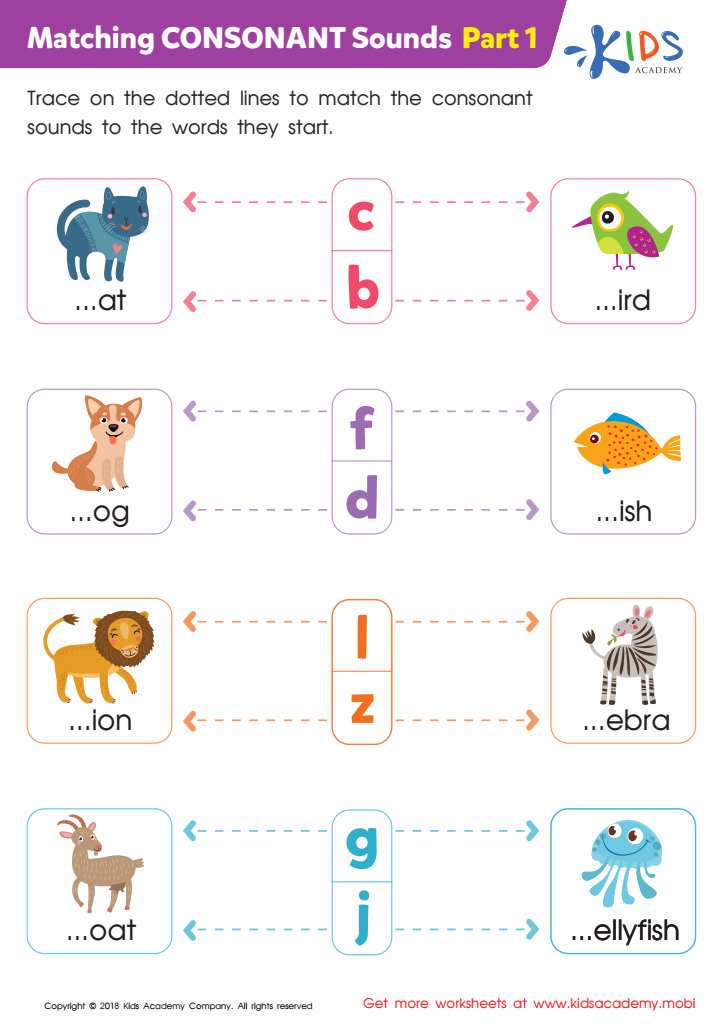
Matching Consonant Sounds: Part 1 Worksheet
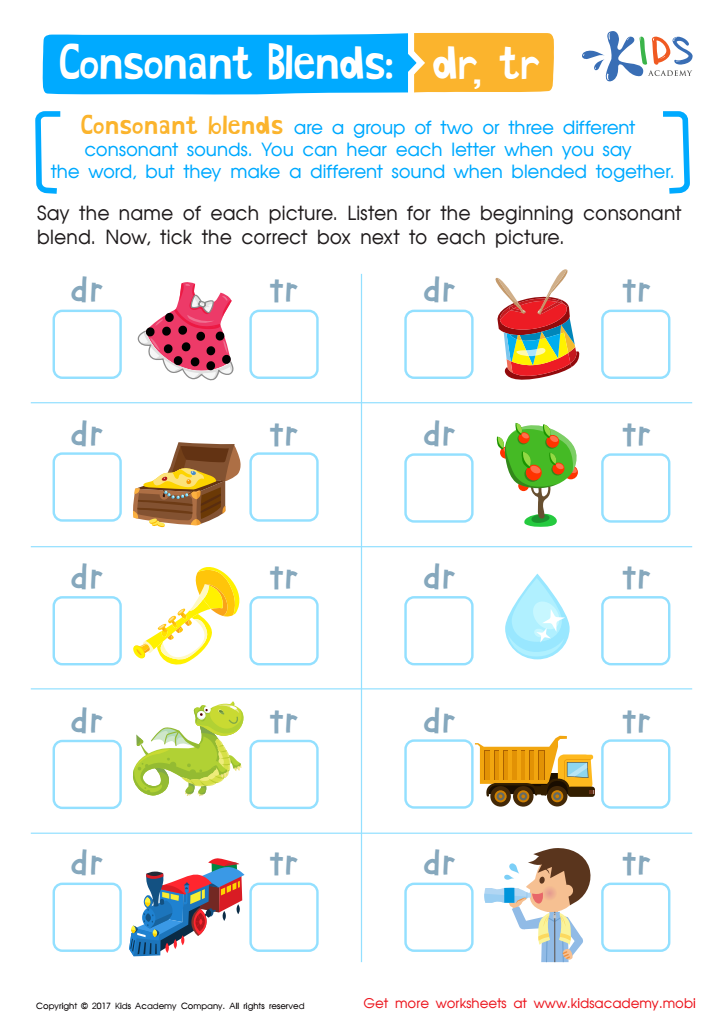
Consonant Blends: "Dr" and "Tr" Printable
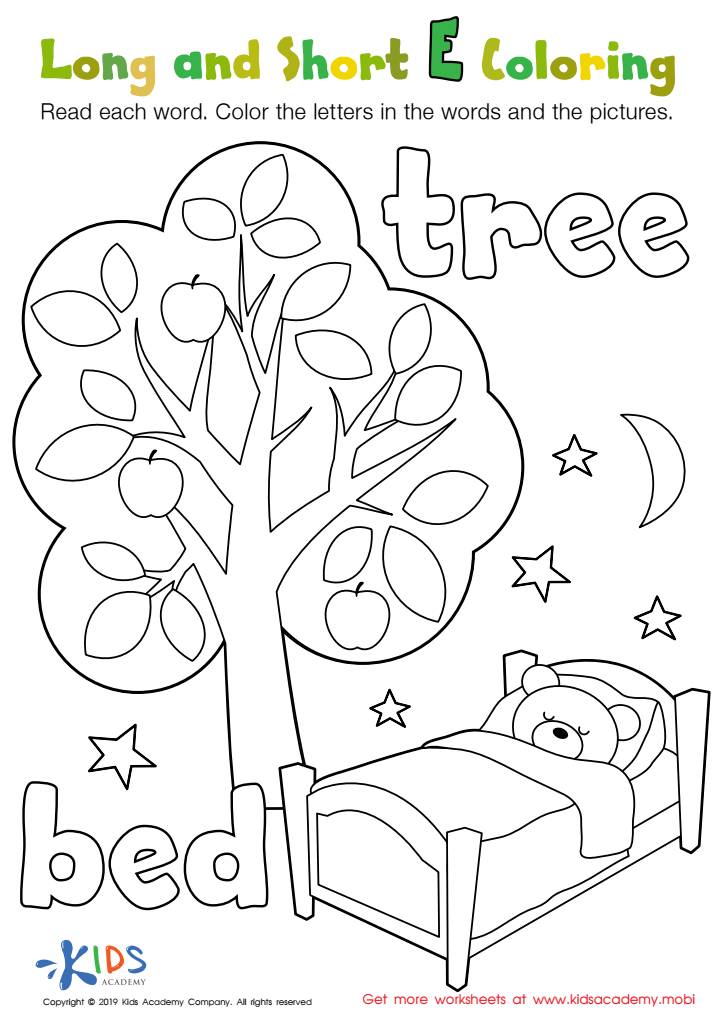
Long and Short E Worksheet
Assign to My Students
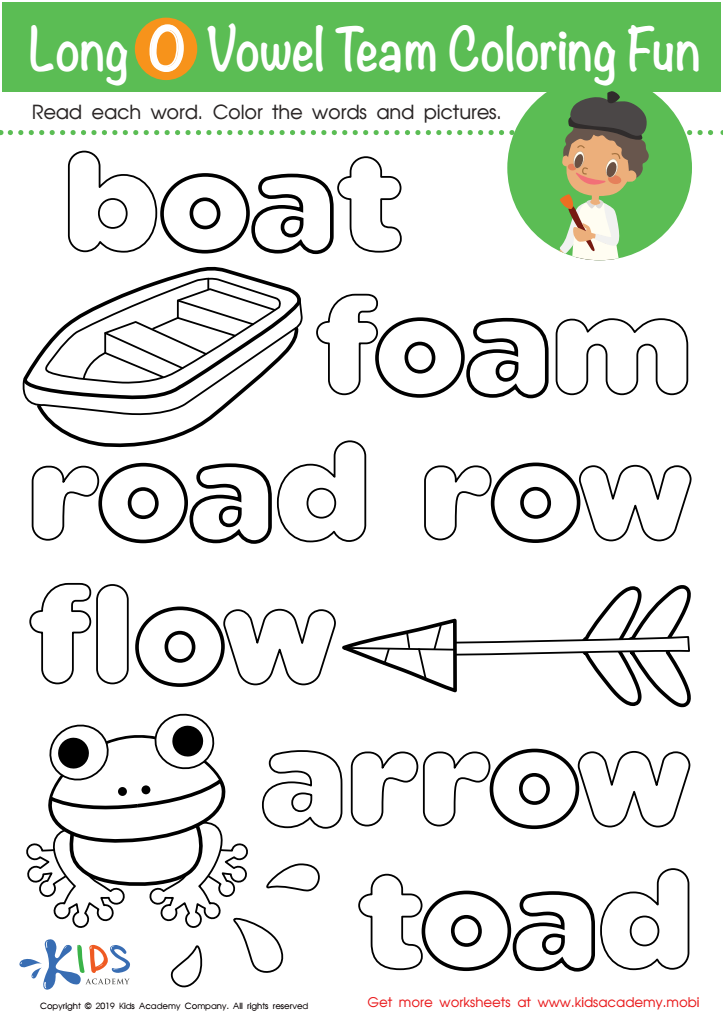
Long O Vowel Team Coloring Worksheet
Assign to My Students
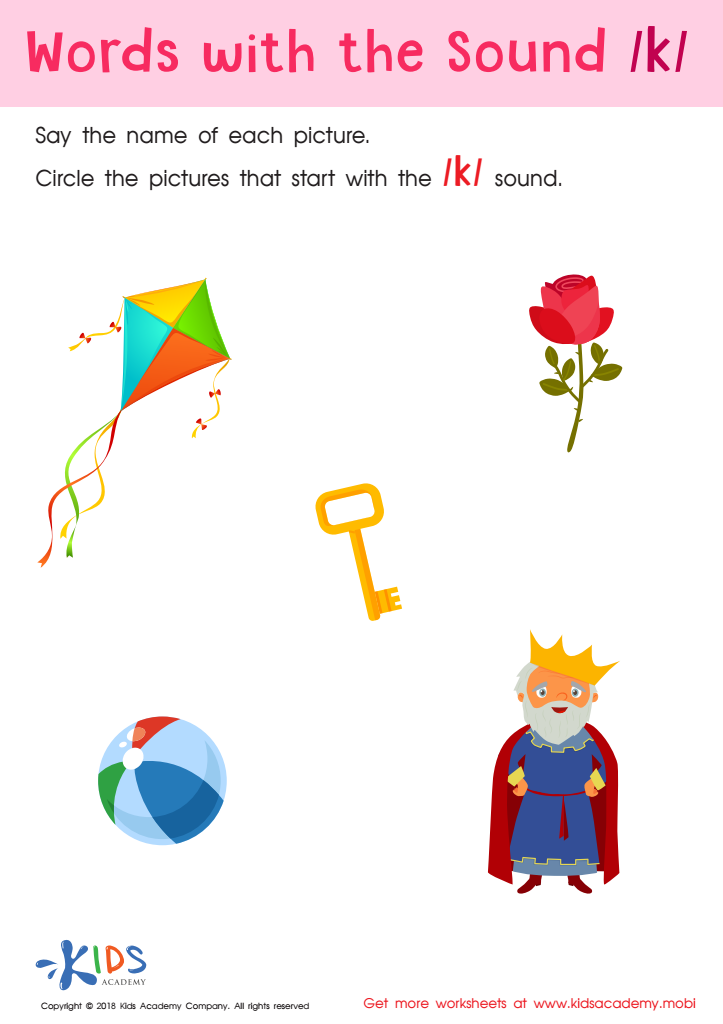
Words with sound k Reading Worksheet








Phonics skills are fundamental building blocks for early reading and writing proficiency. For six-year-olds, these skills are essential because they form the foundation for lifelong literacy. Phonics teaches children to recognize the relationship between letters and sounds, enabling them to decode words independently. This decoding ability is crucial as it enhances reading fluency, comprehension, and spelling accuracy.
Parents and teachers should particularly care about phonics for several reasons. Firstly, fostering strong phonics skills at a young age boosts a child's confidence and motivation to read, making learning an enjoyable experience. Secondly, research suggests that early phonics instruction significantly reduces the risk of reading difficulties. Students with a robust phonics foundation tend to perform better academically across subjects, as literacy is integral to all areas of learning.
Moreover, phonics aids in language development and vocabulary expansion. When children understand how words are constructed, they can decode new words, enriching their language usage. Early mastery of phonics also prepares children for more complex literacy skills, such as reading comprehension and writing coherence, which become increasingly important as they advance in their education.
Therefore, attention to phonics skills at the age of six sets the stage for academic success, helping children become proficient, confident, and enthusiastic readers and writers.







