Handwriting practice Normal Tracing Letters Worksheets for 6-Year-Olds
15 filtered results
-
From - To
Enhance your child’s handwriting skills with our Normal Tracing Letters Worksheets tailored for 6-year-olds. Perfect for young learners, these worksheets focus on developing fine motor skills and letter recognition through engaging tracing activities. Children will practice writing uppercase and lowercase letters, building confidence as they improve their penmanship. Each worksheet is designed to be fun and interactive, helping kids stay motivated while learning. Parents and educators can easily access and print these resources to support at-home learning. Foster a love for writing early on—download our tracing letters worksheets today and watch your child's skills flourish!
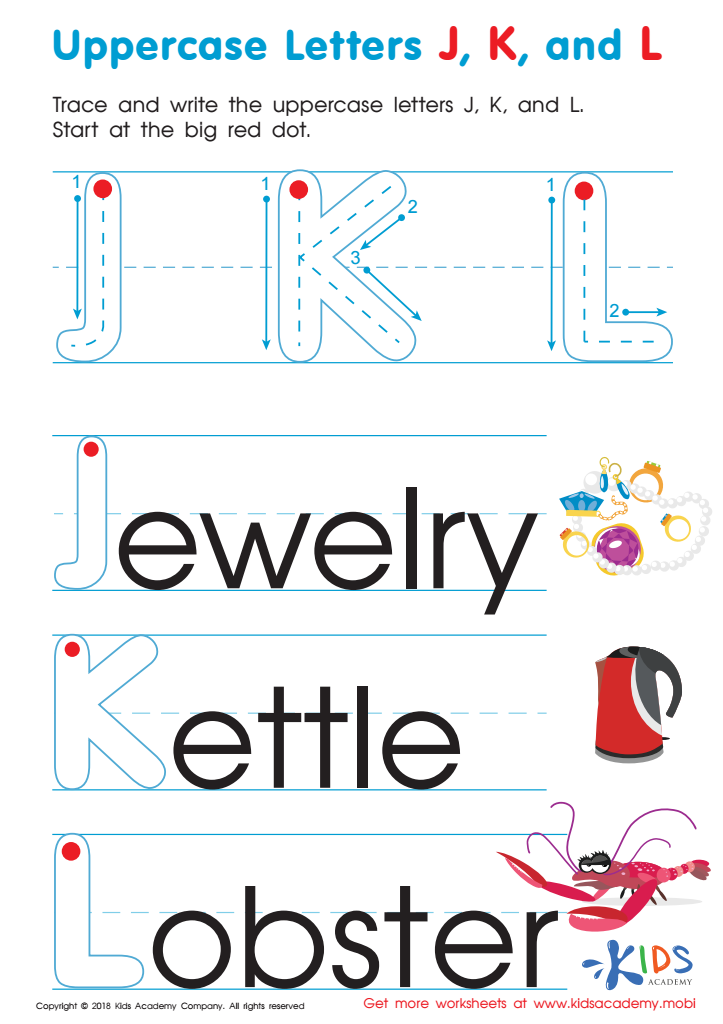
Uppercase Letters J, K, and L Worksheet
 Assign to My Students
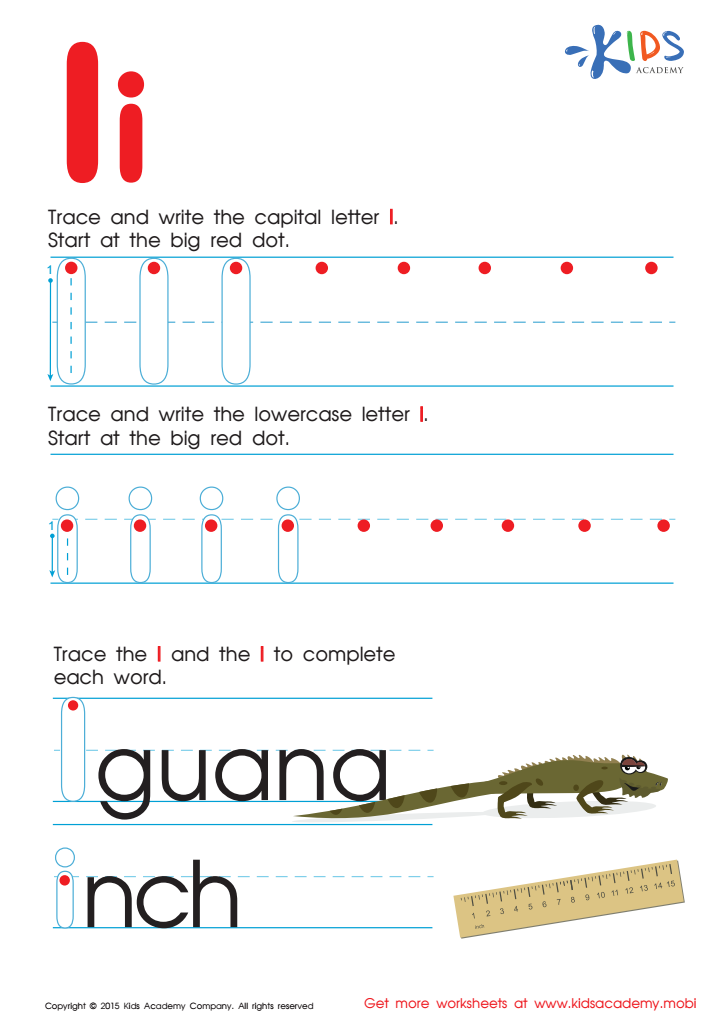
Letter I Tracing Page
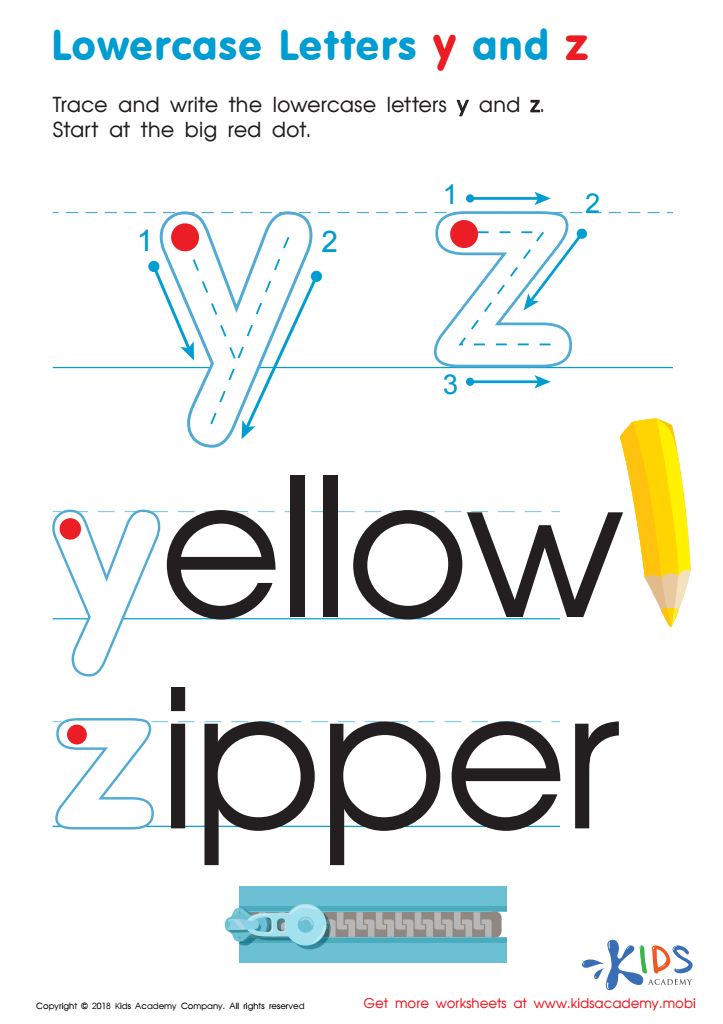
Lowercase Letters y z Worksheet
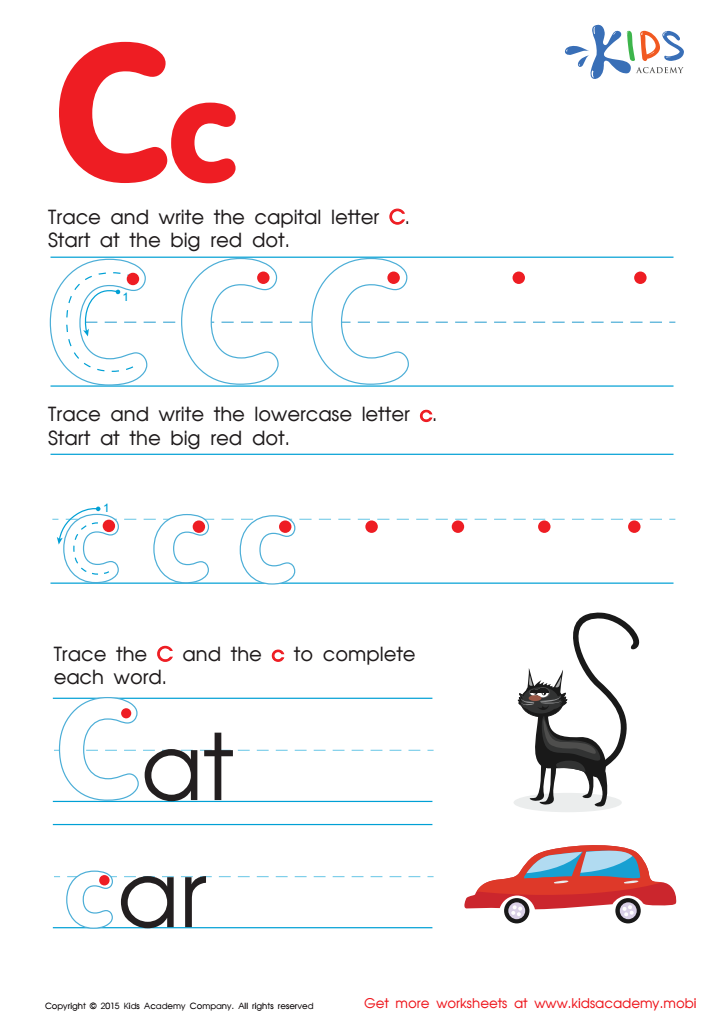
Letter C Tracing Page
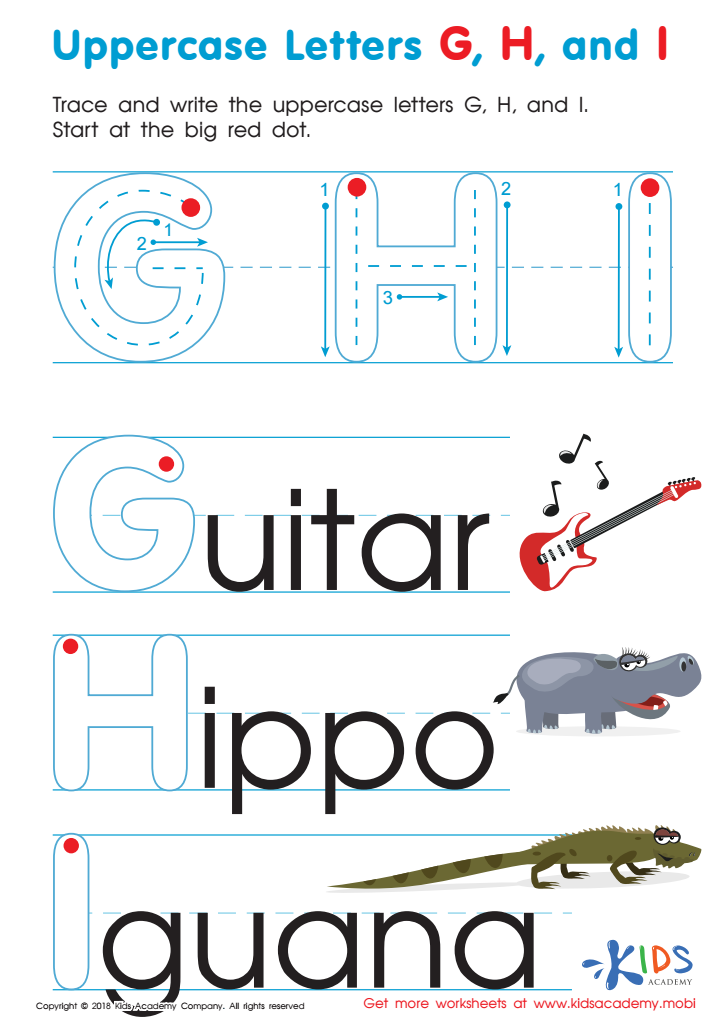
Uppercase Letters G, H, and I Worksheet

Letter G Tracing Page
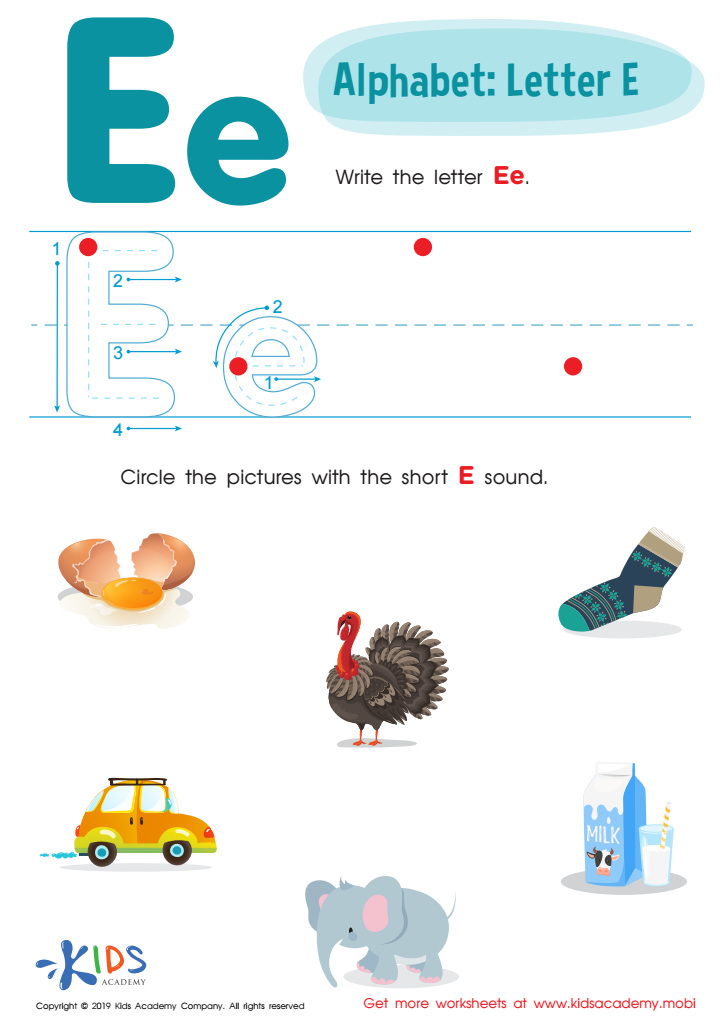
Letter E Tracing Worksheet
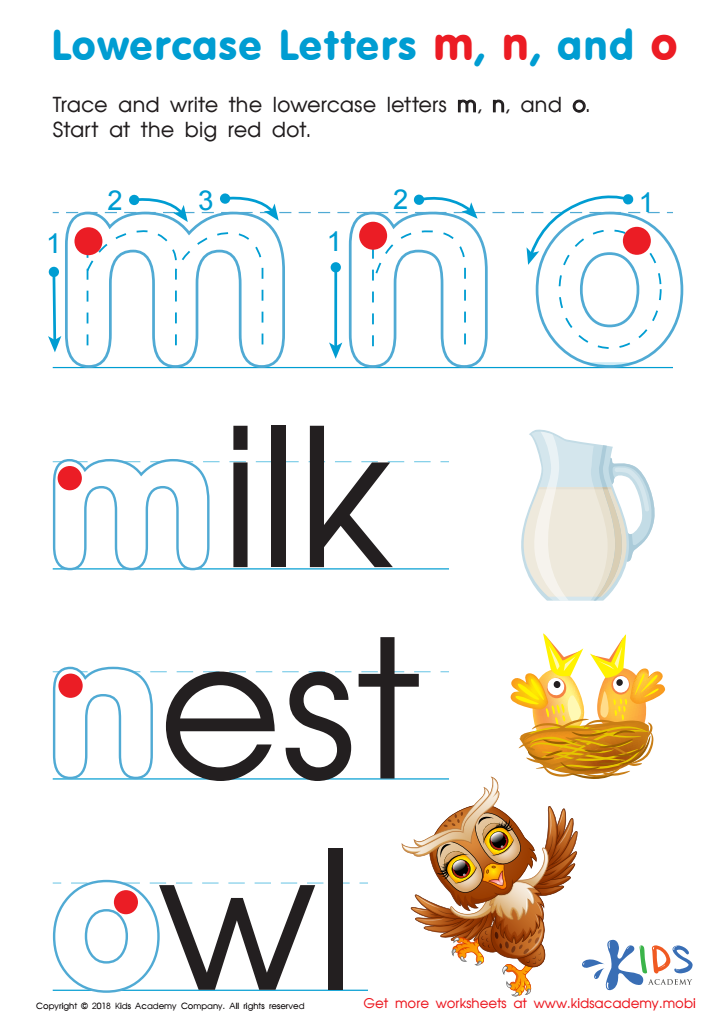
Lowercase Letters m n o Worksheet
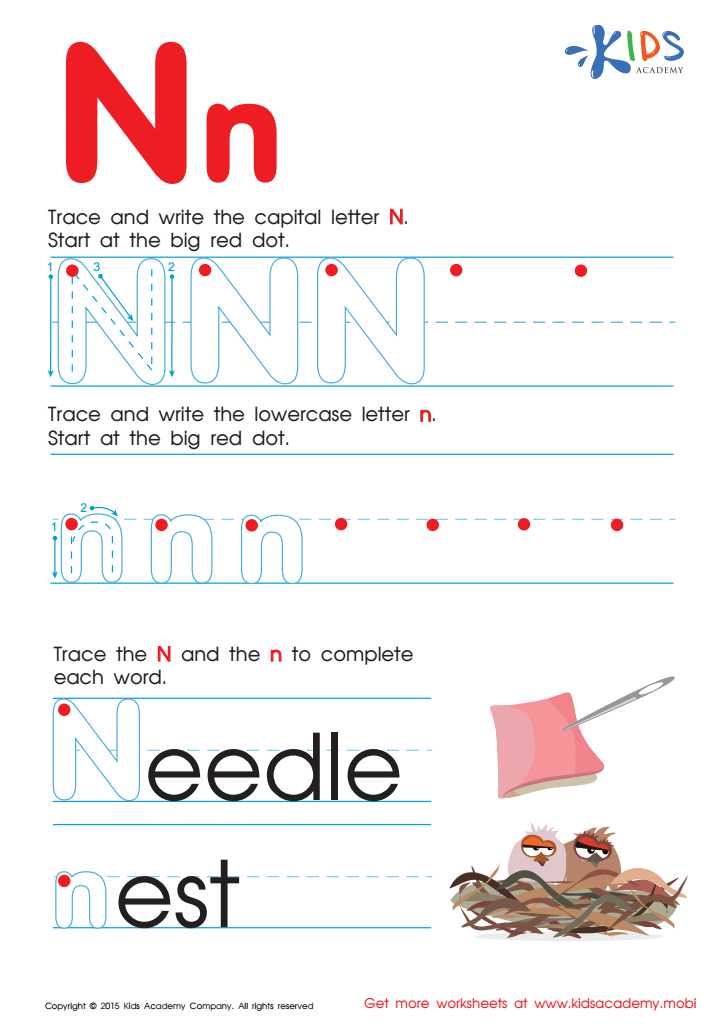
Letter N Tracing Page
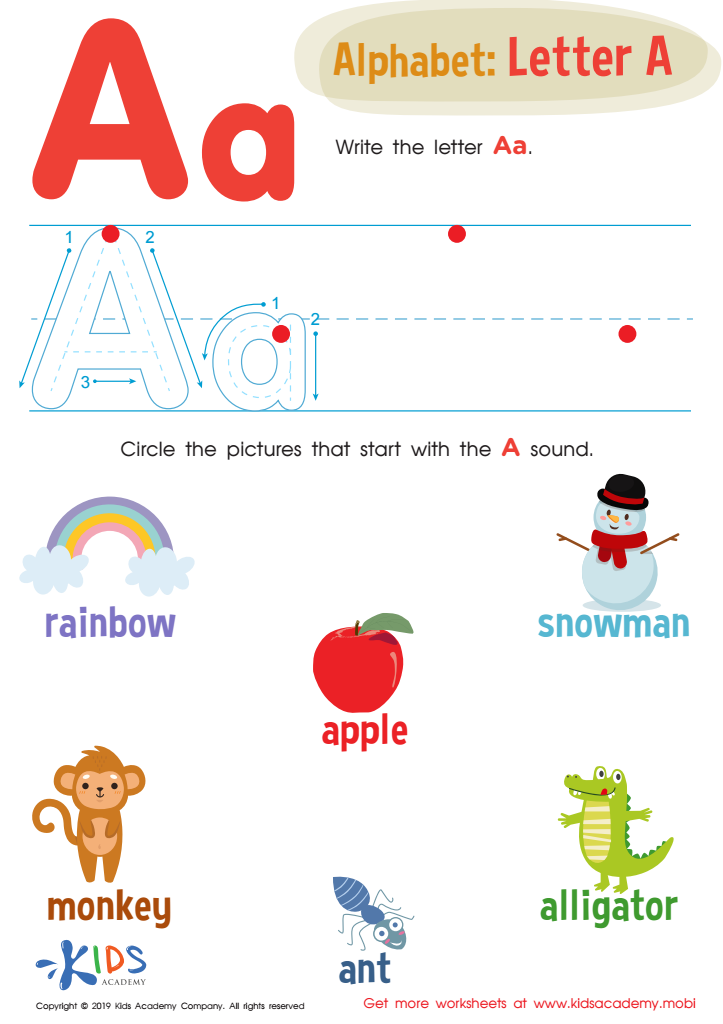
Letter A Tracing Worksheet
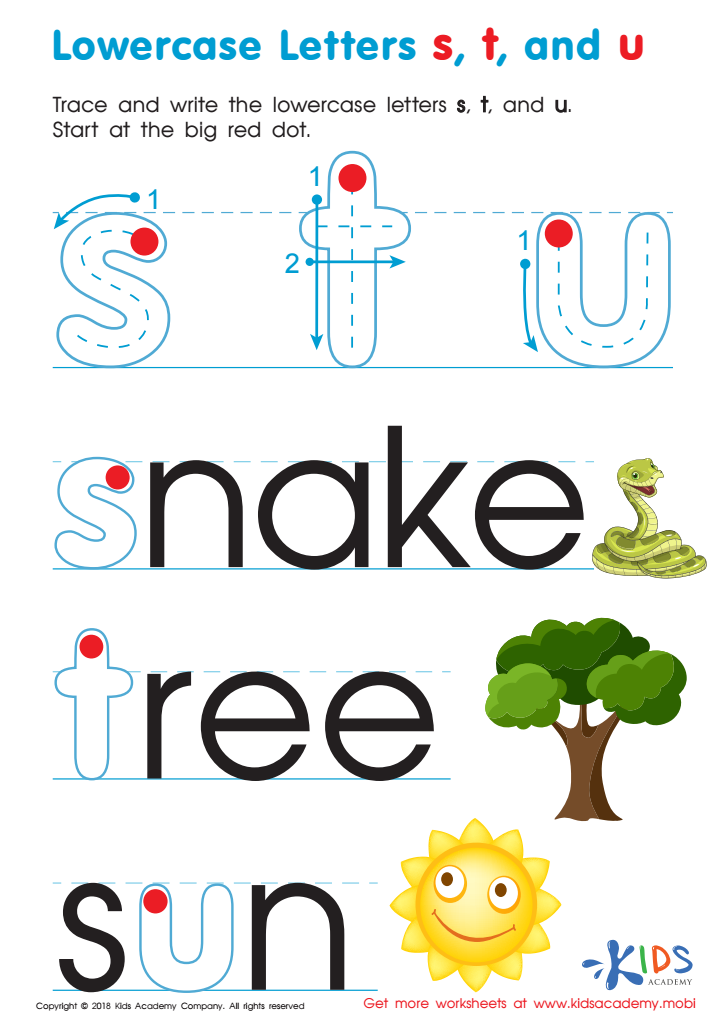
Lowercase Letters s t u Worksheet
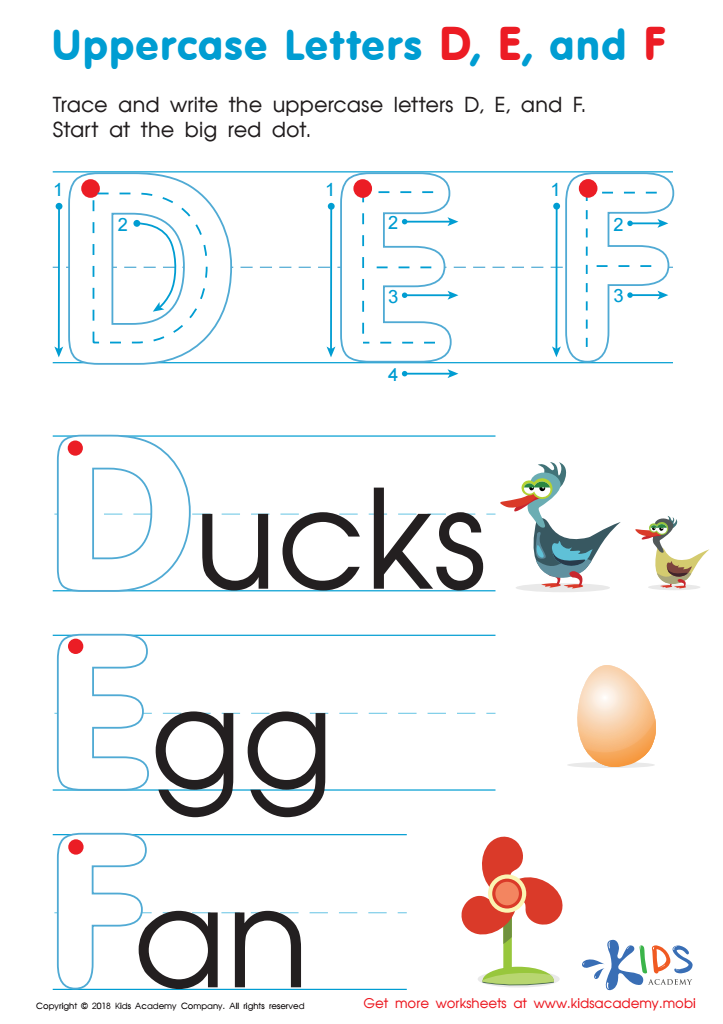
Uppercase Letters D, E, and F Worksheet

Uppercase Letters Y Z Worksheet
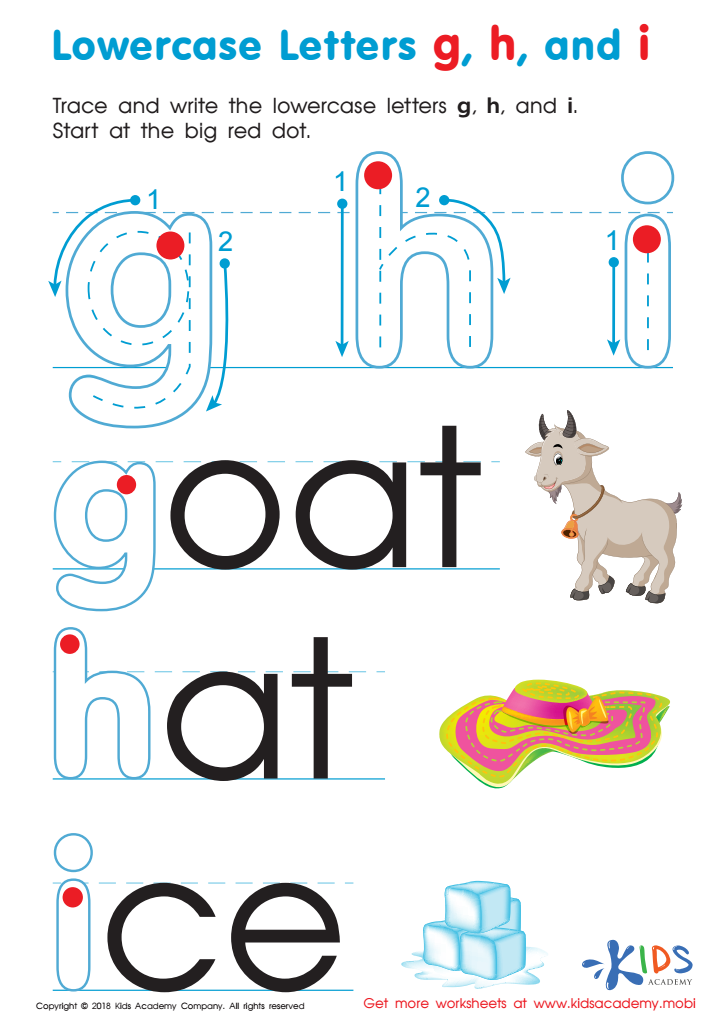
Lowercase Letters g h i Worksheet
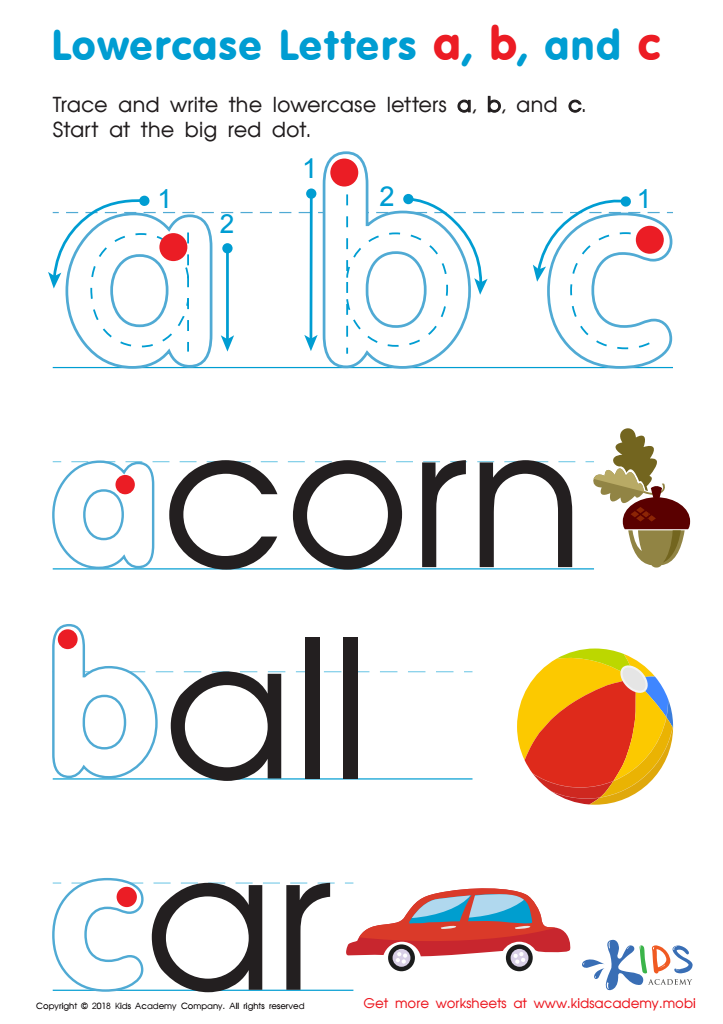
Lowercase Letters a b c Worksheet







Handwriting practice, particularly tracing letters for 6-year-olds, holds significant value for both parents and teachers. At this age, children's fine motor skills are still developing, and tracing helps them gain control over their hand movements, essential for writing proficiency. Engaging in regular handwriting practice aids in the formation of letters, ensuring children learn proper techniques, which can enhance their overall writing speed and legibility as they progress in their academic journey.
Moreover, handwriting is intricately linked to literacy development. When children actively engage with letters by tracing, they reinforce their recognition and memory, supporting reading skills and phonetic awareness. This foundational literacy connection is crucial as it sets the stage for future learning.
Additionally, handwriting practice provides a platform for developing spatial awareness and hand-eye coordination, which serve broader educational purposes. Encouraging this practice fosters discipline and perseverance in young learners, teaching them the value of routine and focus.
Beyond academics, positives like improved self-esteem and confidence emerge when children see their writing skills progress. Thus, parents and teachers investing time in normal tracing letters recognize its holistic benefits, impacting not only writing but overall cognitive and motor skill development in young learners.








