Alphabet Recognition Normal Worksheets for 6-Year-Olds
42 filtered results
-
From - To
Unlock your child's potential with our Alphabet Recognition Normal Worksheets designed specifically for 6-year-olds! These engaging worksheets make learning the alphabet fun and interactive. Perfect for reinforcing letter identification, sound recognition, and writing practice, our resources cater to young learners' developmental needs. With vibrant illustrations and varied activities, children will enjoy tracing, matching, and coloring while enhancing their literacy skills. Our worksheets are easy to print and are ideal for home or classroom use. Start nurturing your child's love for learning today and watch them confidently recognize and use letters in their everyday communication! Explore our collection now!
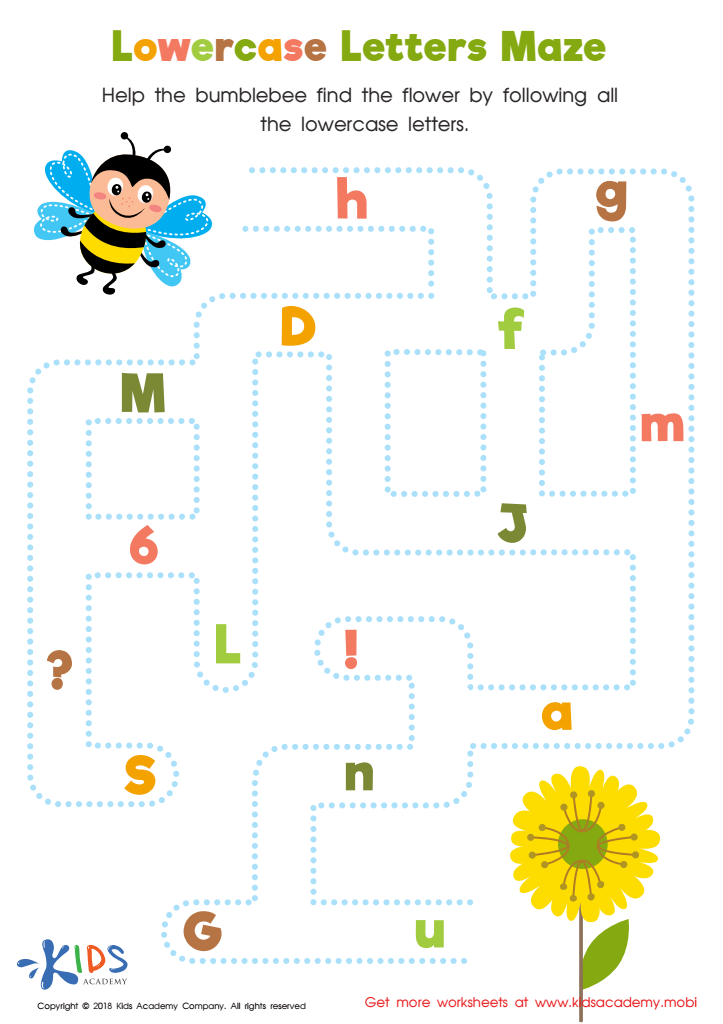
Lowercase Letters Maze Worksheet
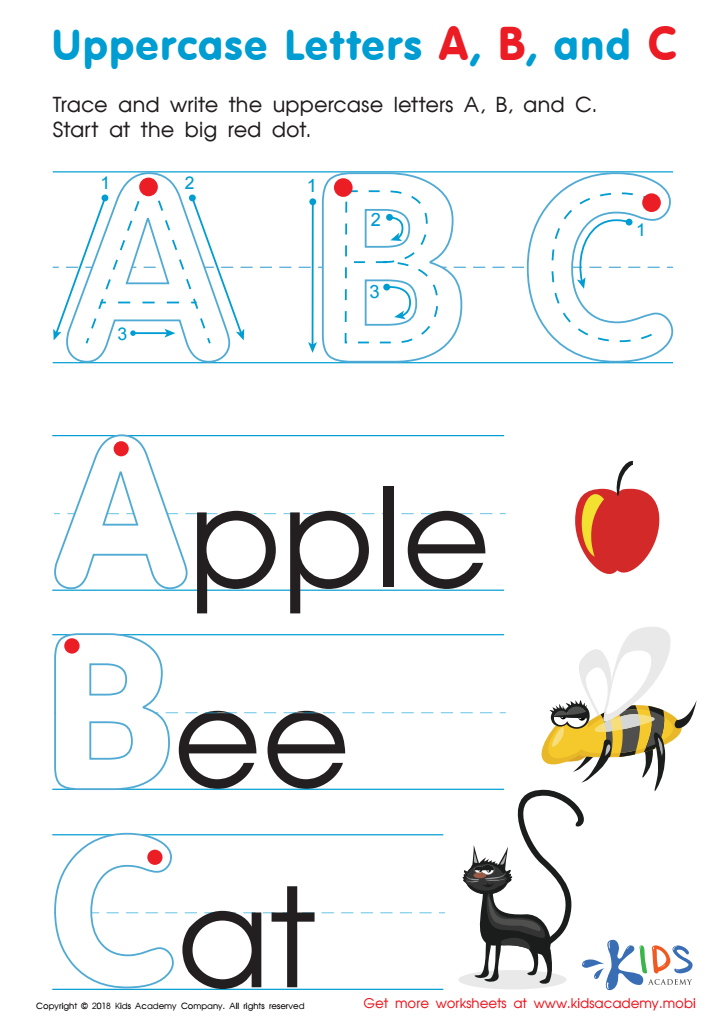
Uppercase Letters A, B, and C Worksheet
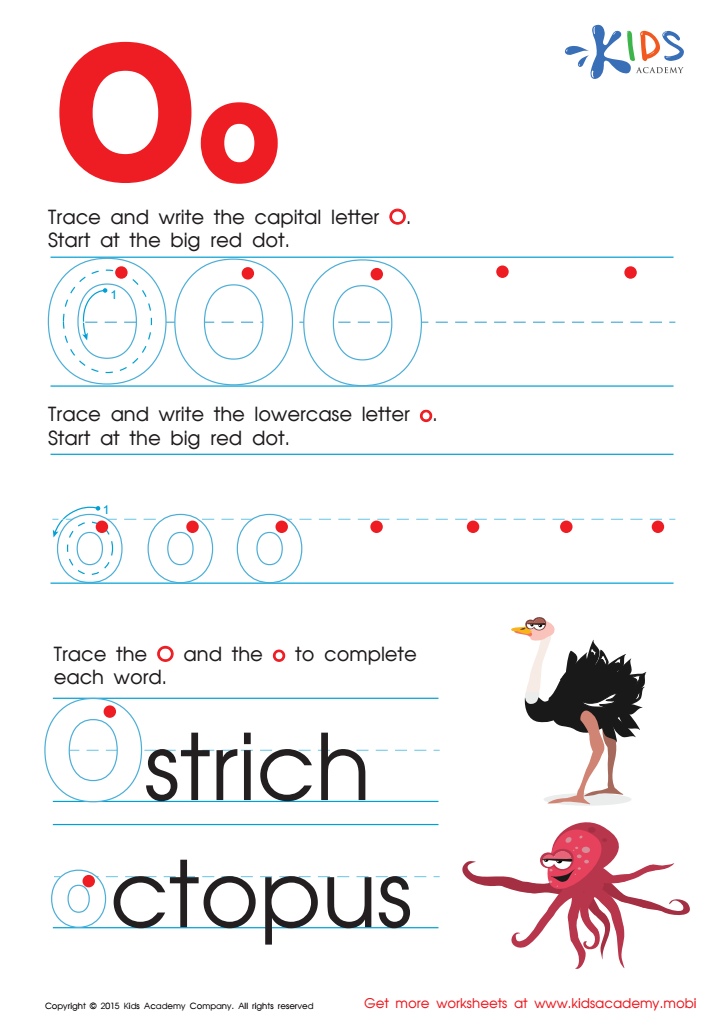
Letter O Tracing Page
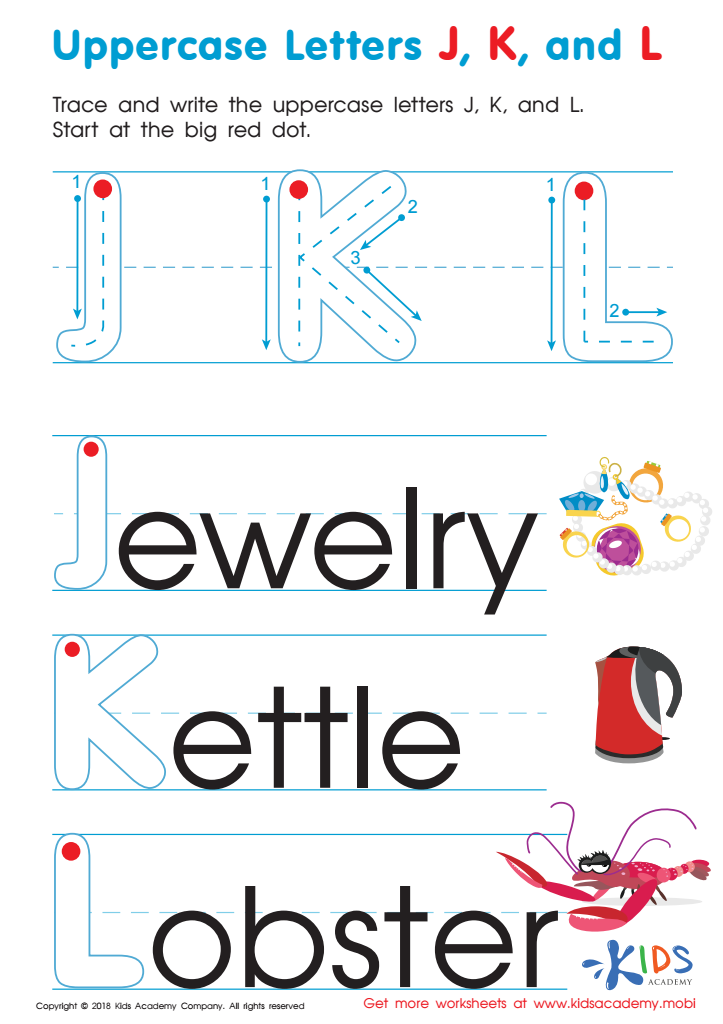
Uppercase Letters J, K, and L Worksheet
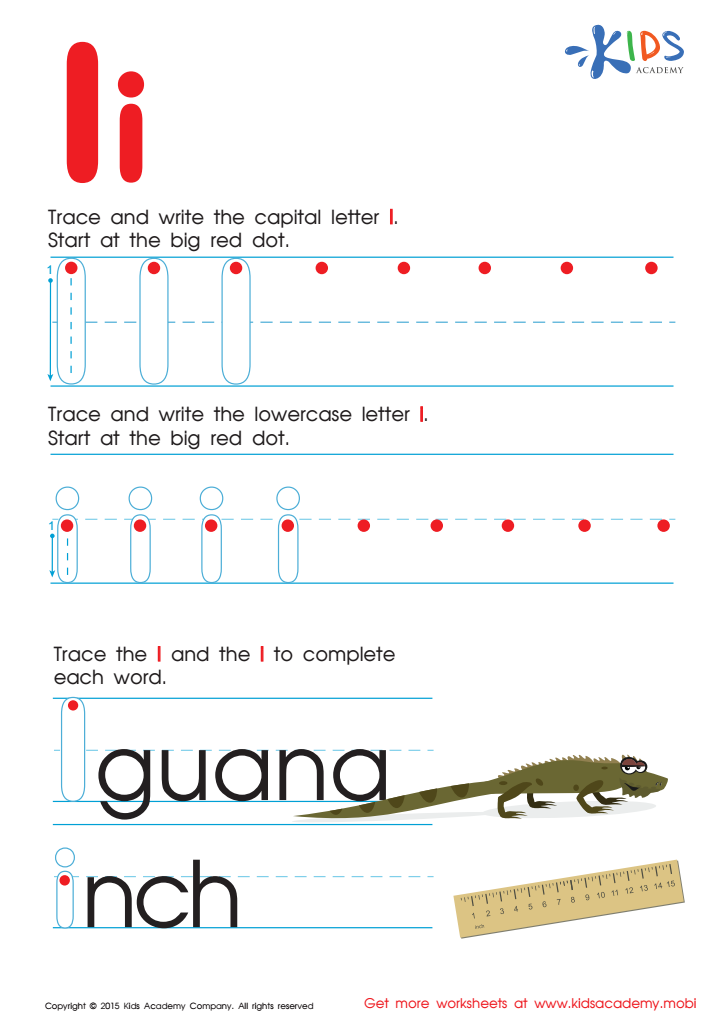
Letter I Tracing Page
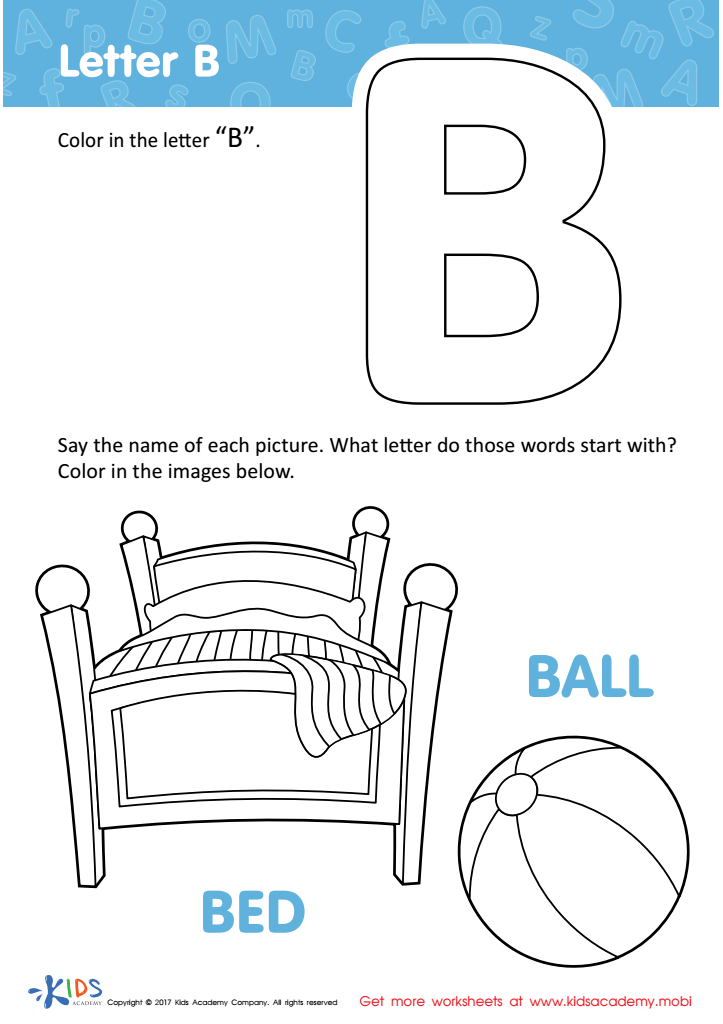
Letter B Coloring Sheet
 Assign to My Students
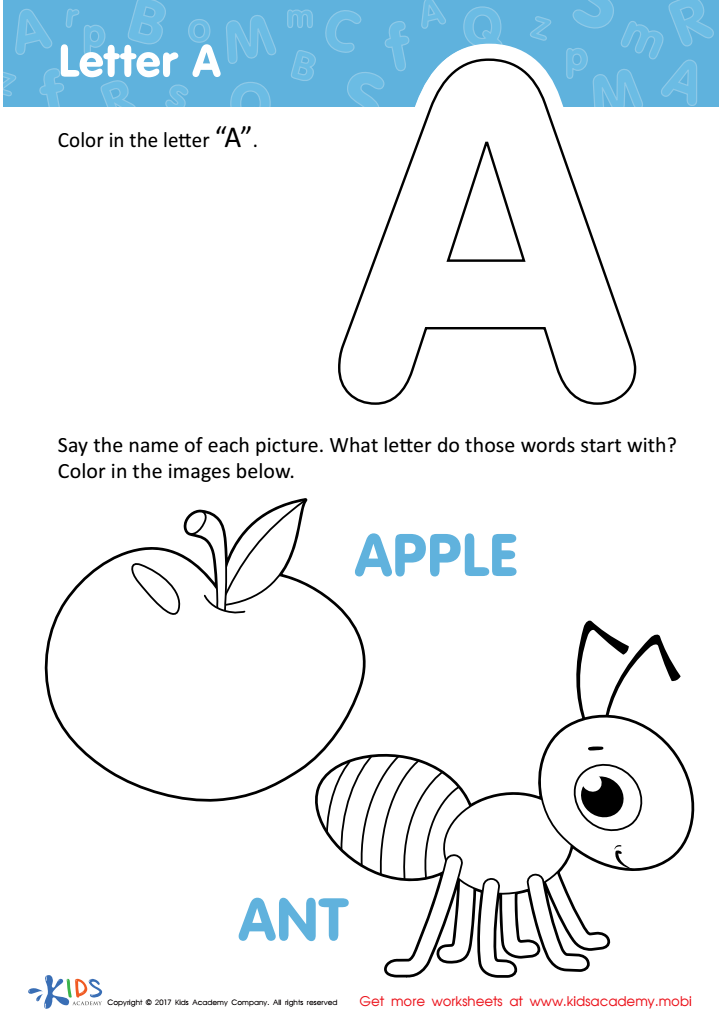
Letter A Coloring Sheet
Assign to My Students
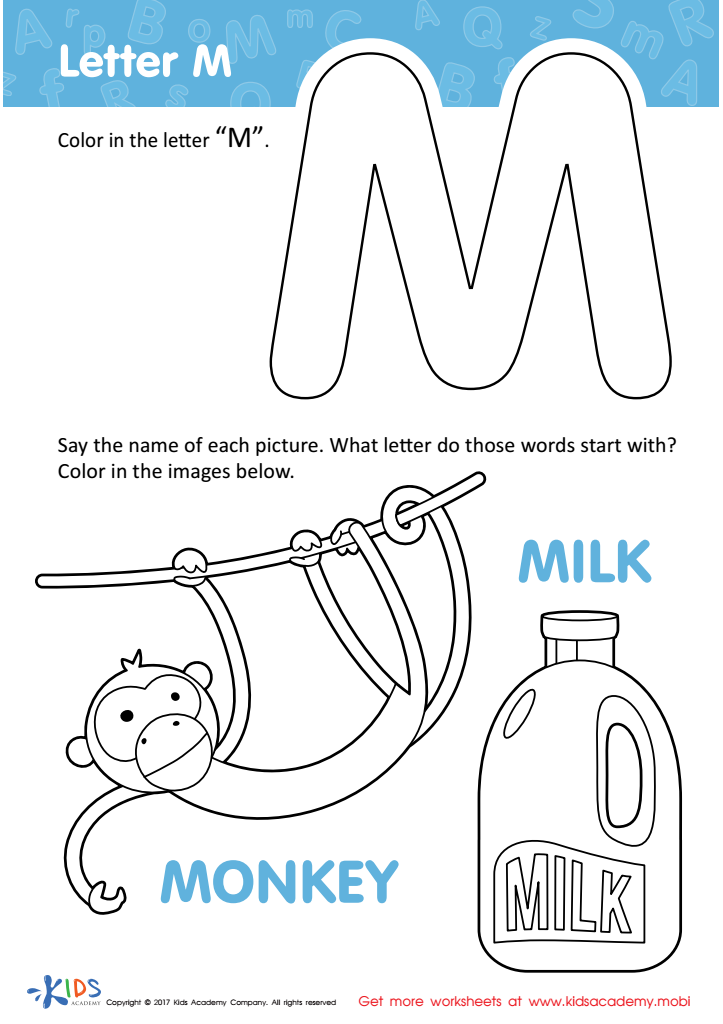
Letter M Coloring Sheet
Assign to My Students
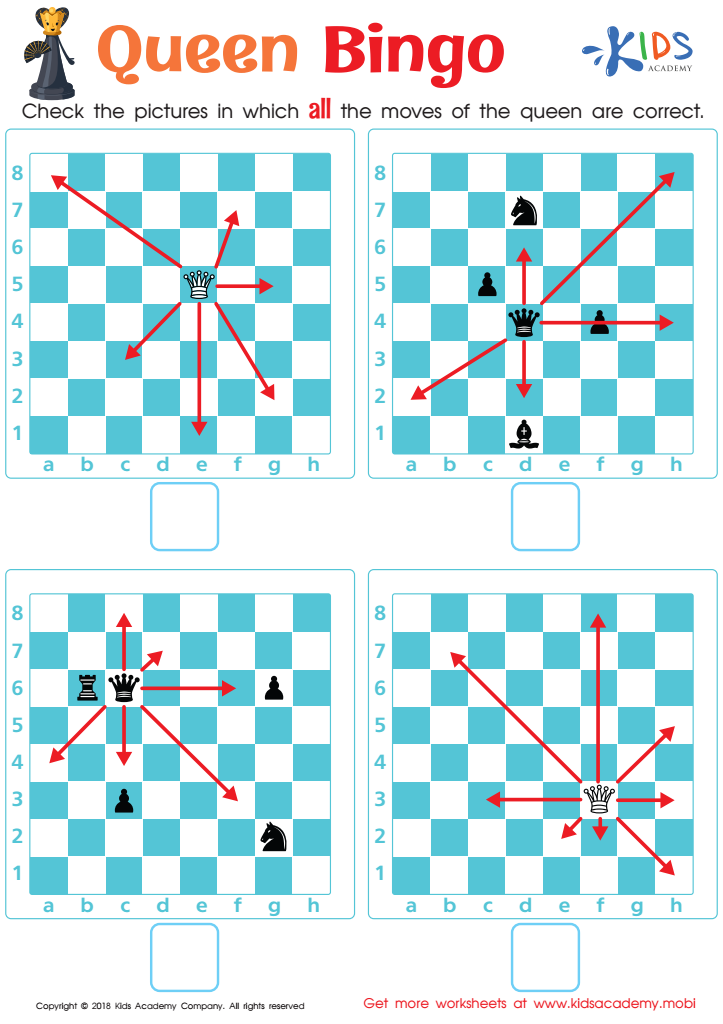
Queen Bingo Worksheet
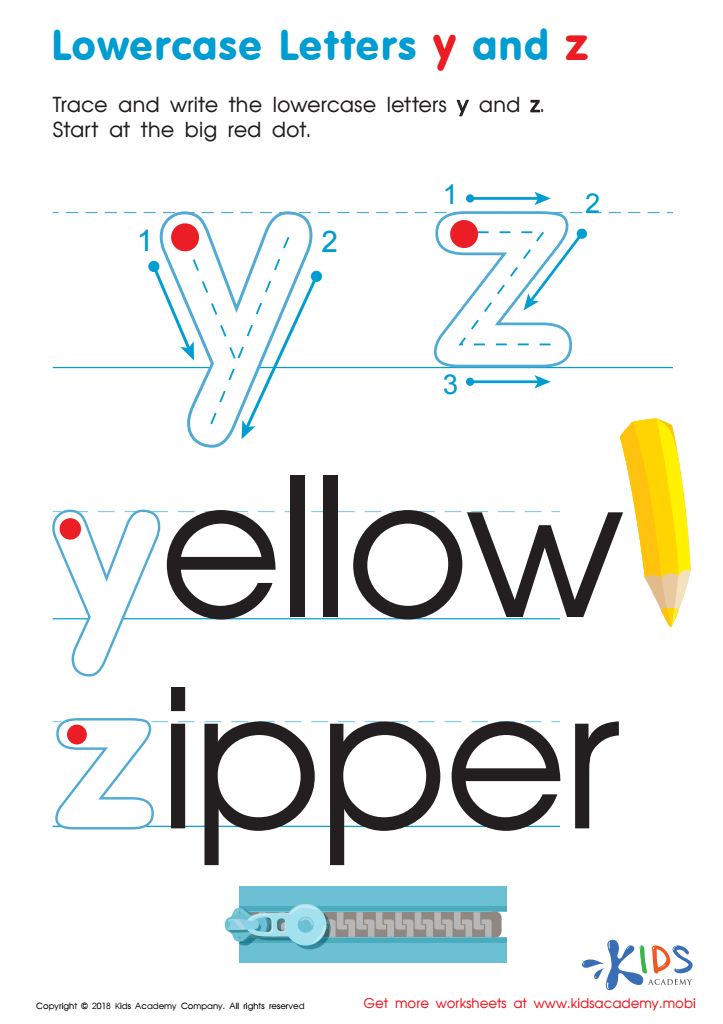
Lowercase Letters y z Worksheet
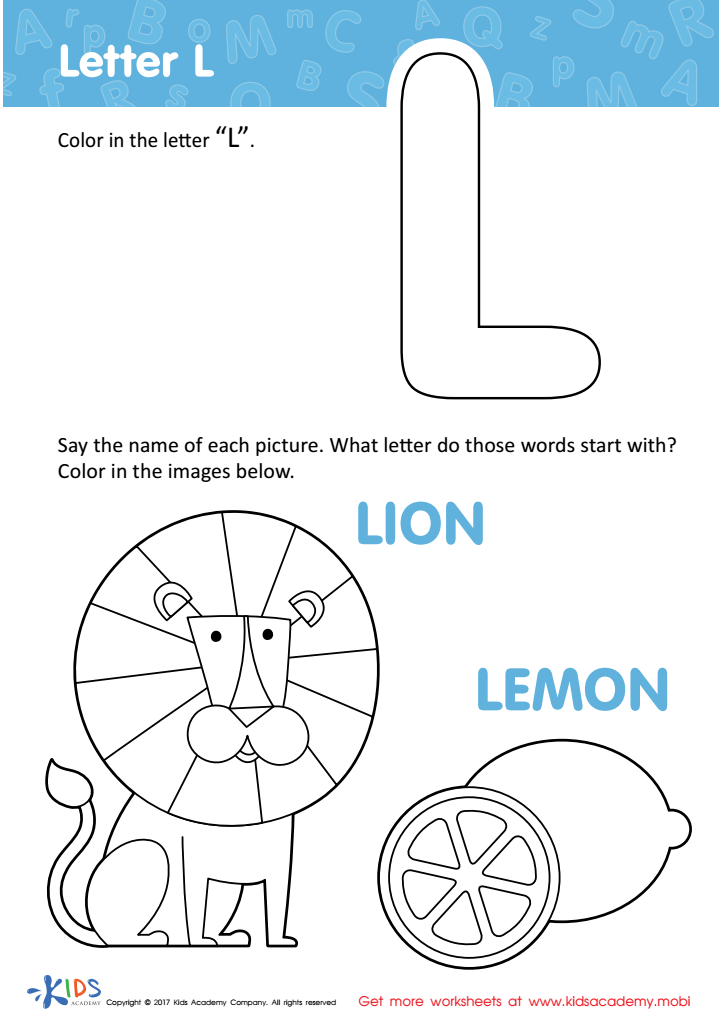
Letter L Coloring Sheet
Assign to My Students
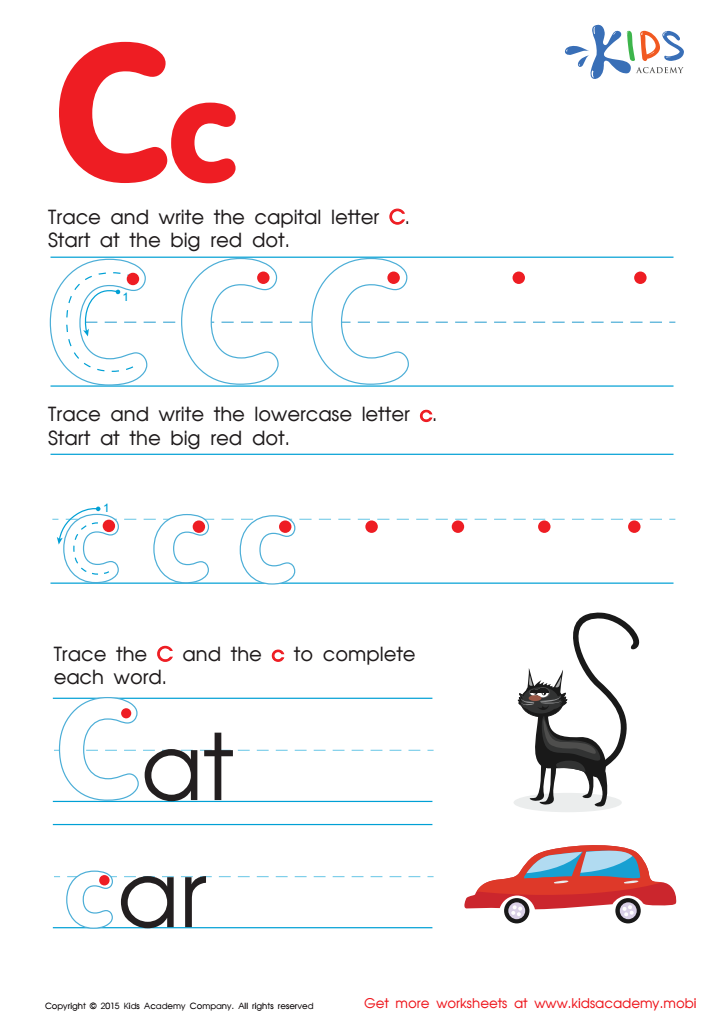
Letter C Tracing Page
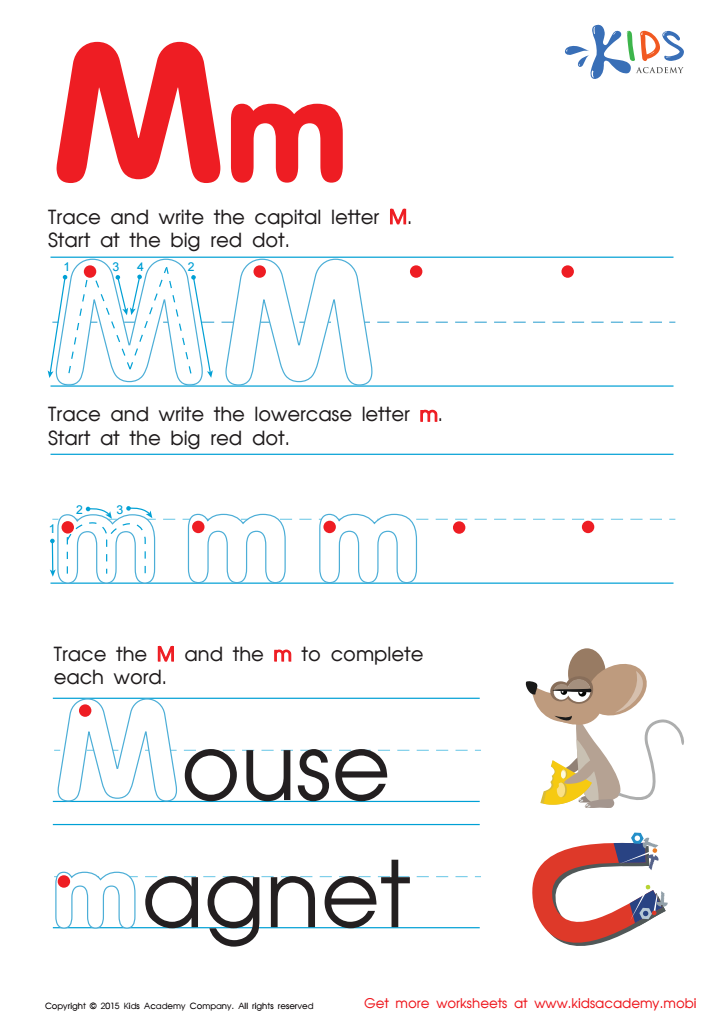
Letter M Tracing Page
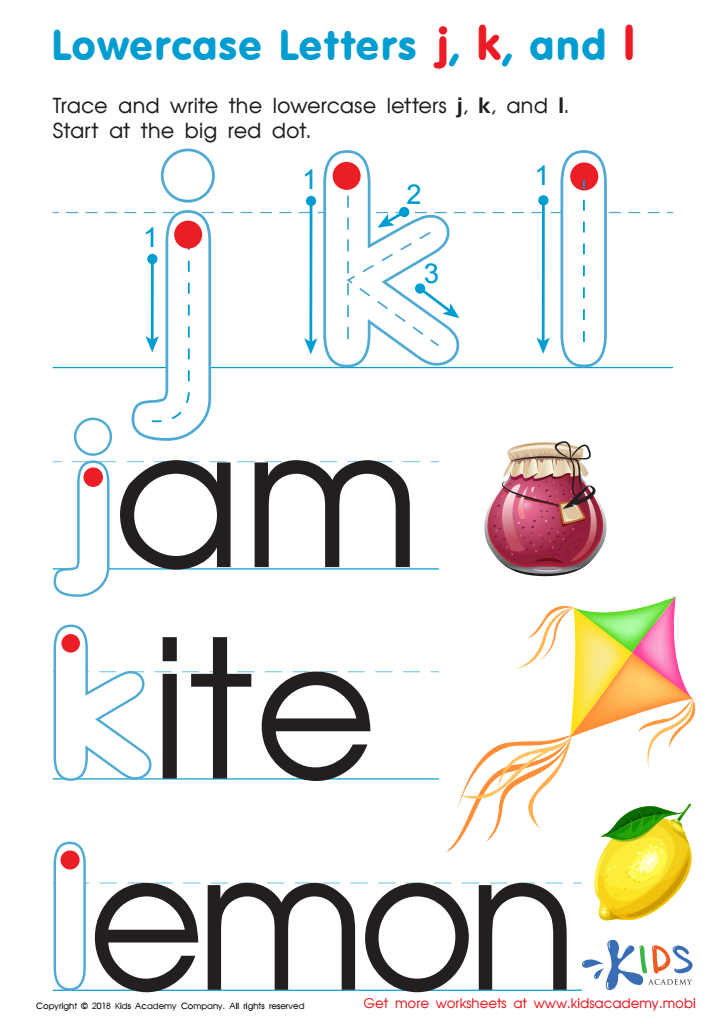
Lowercase Letters j k l Worksheet
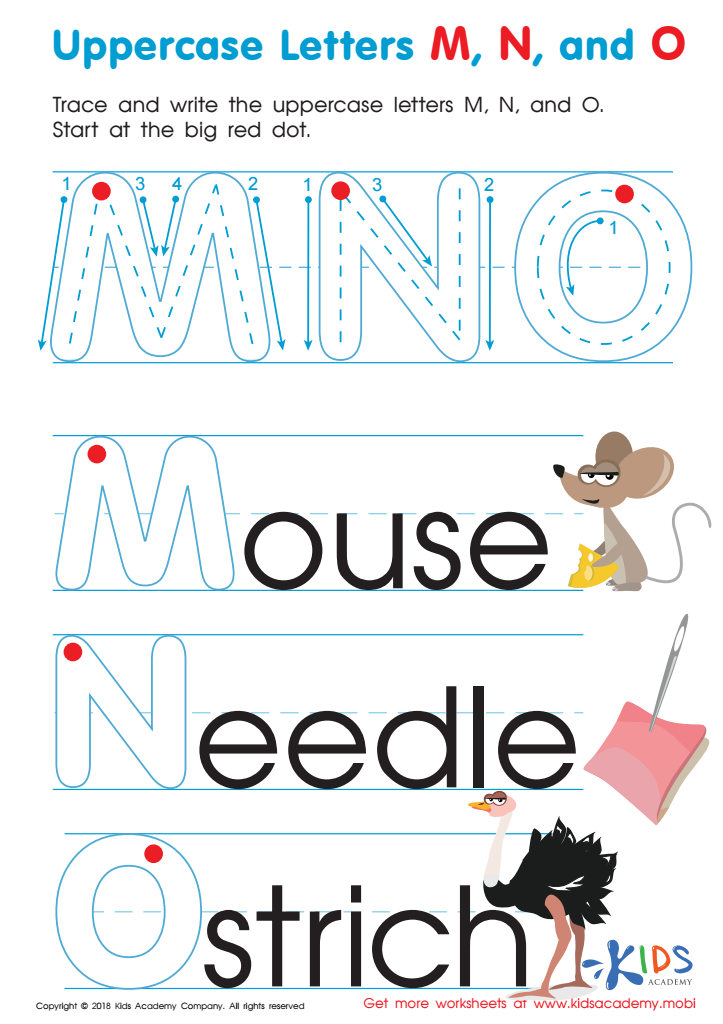
Uppercase Letters M, N, and O Worksheet
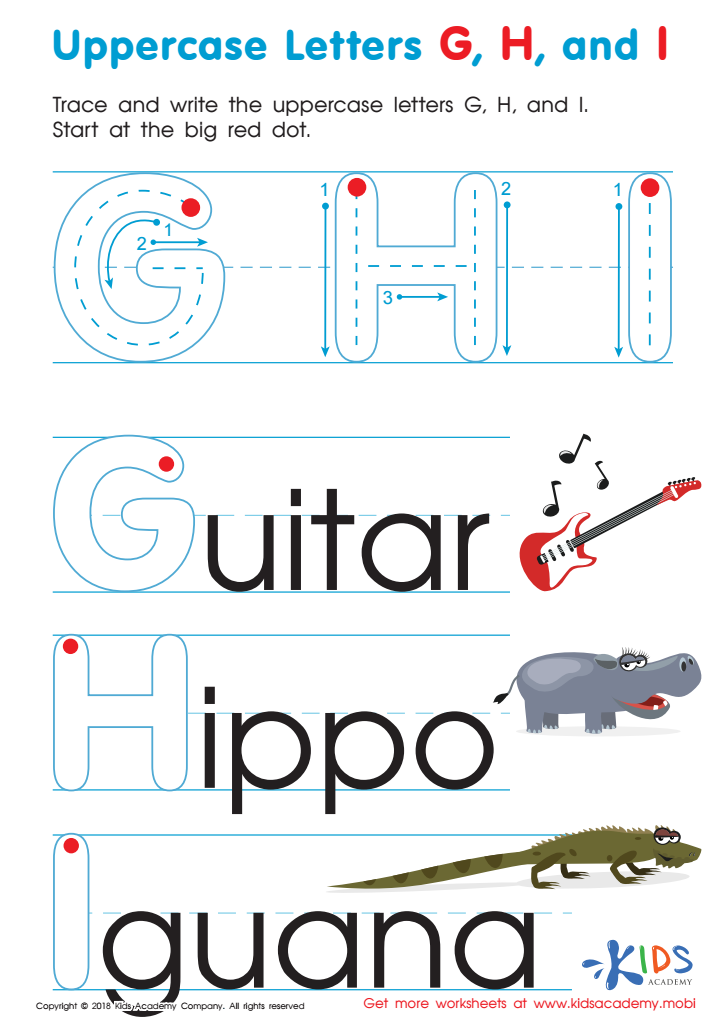
Uppercase Letters G, H, and I Worksheet
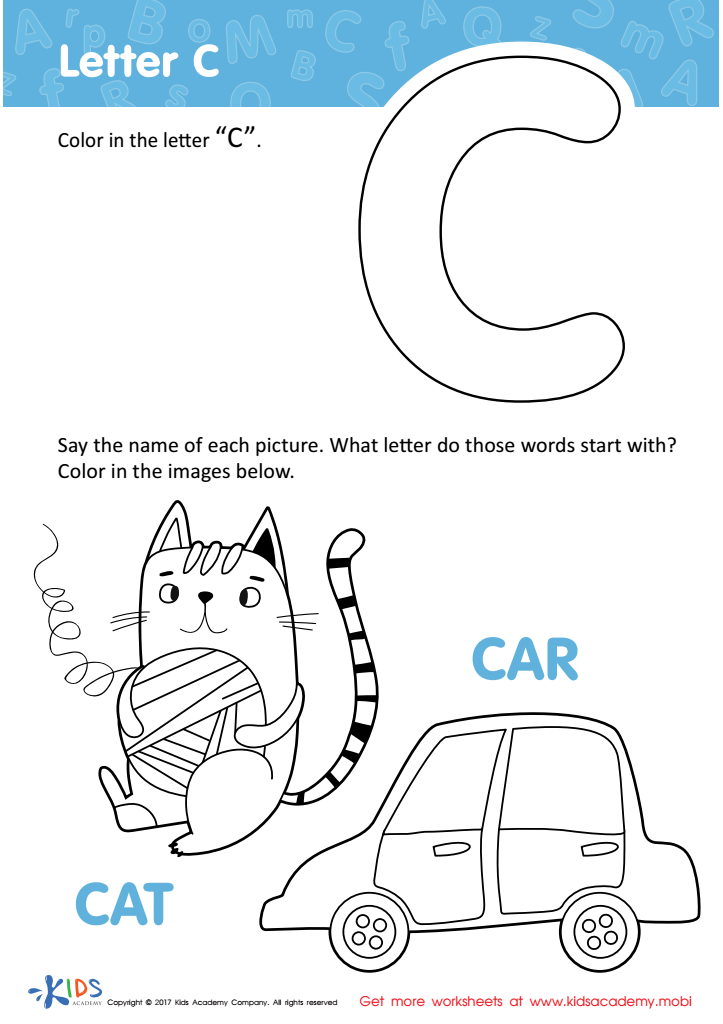
Letter C Coloring Sheet
Assign to My Students
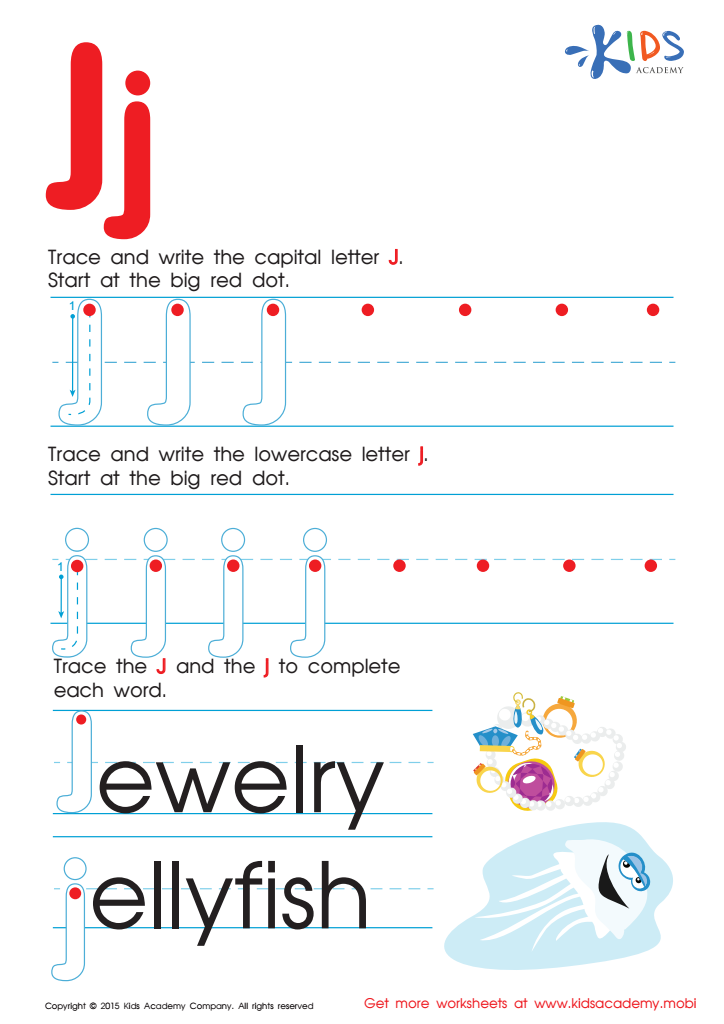
Letter J Tracing Page
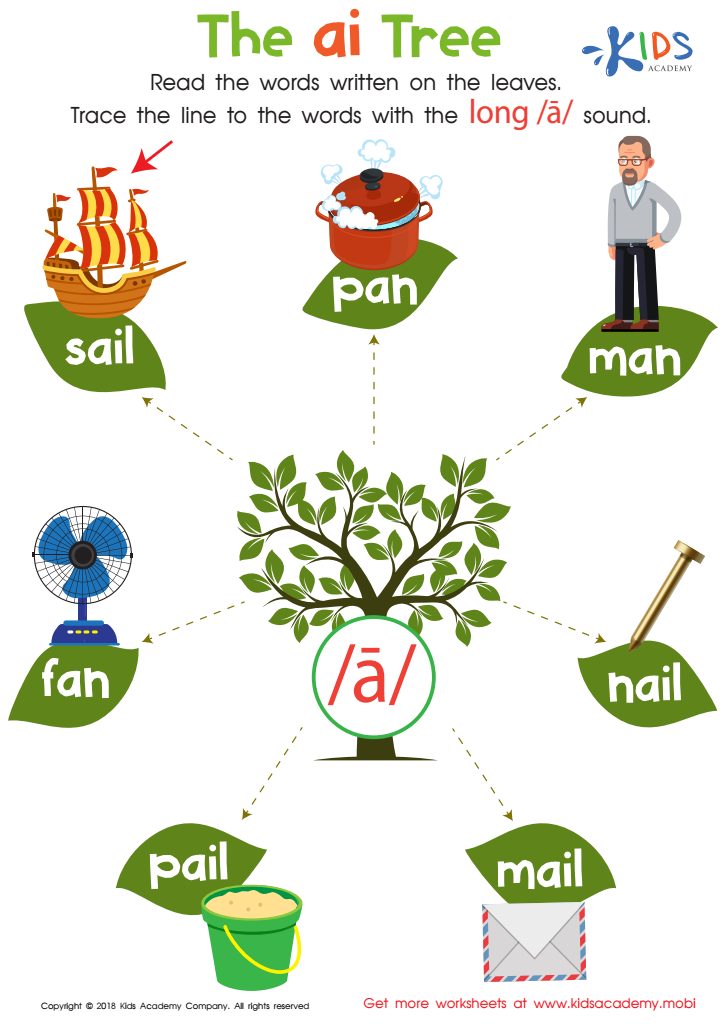
The AI Tree Worksheet
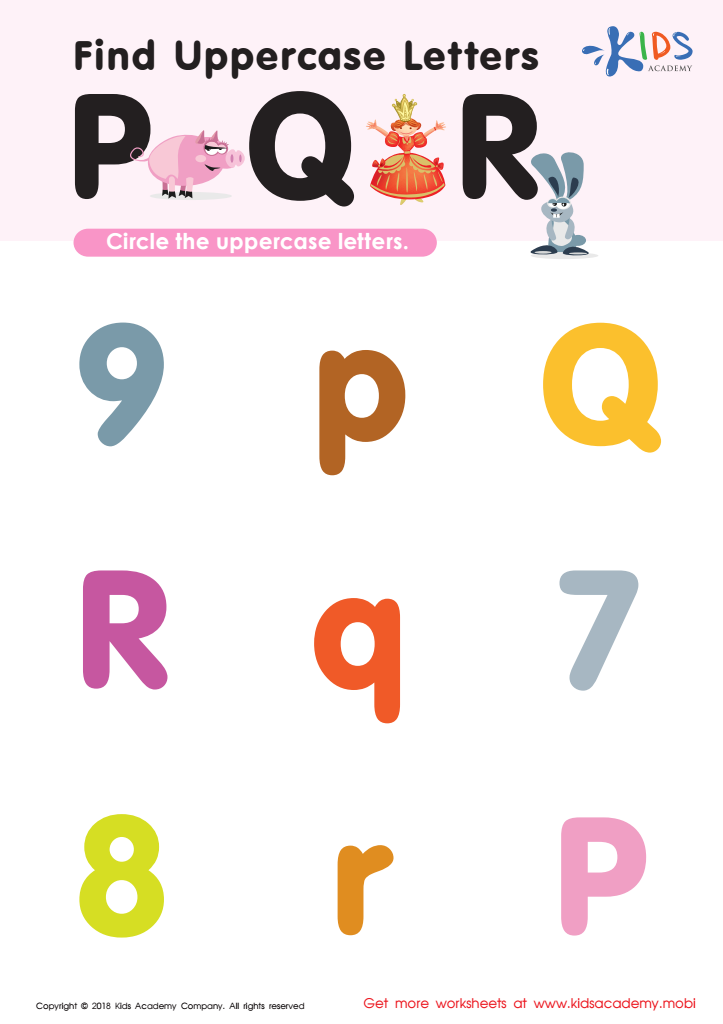
Find Uppercase Letters P, Q, and R Worksheet
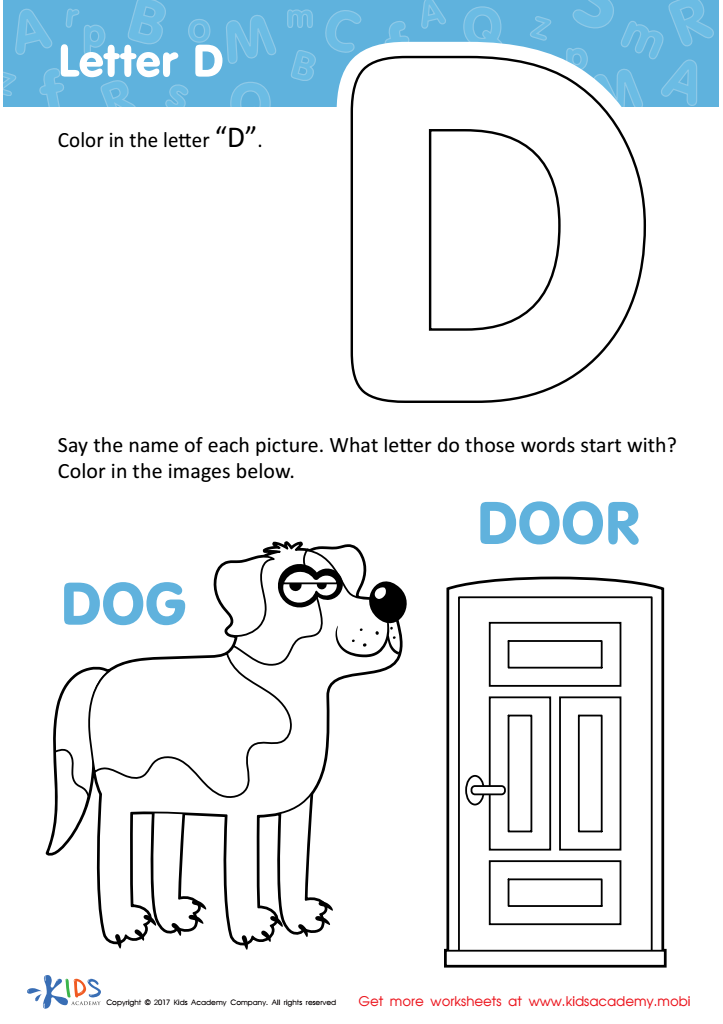
Letter D Coloring Sheet
Assign to My Students
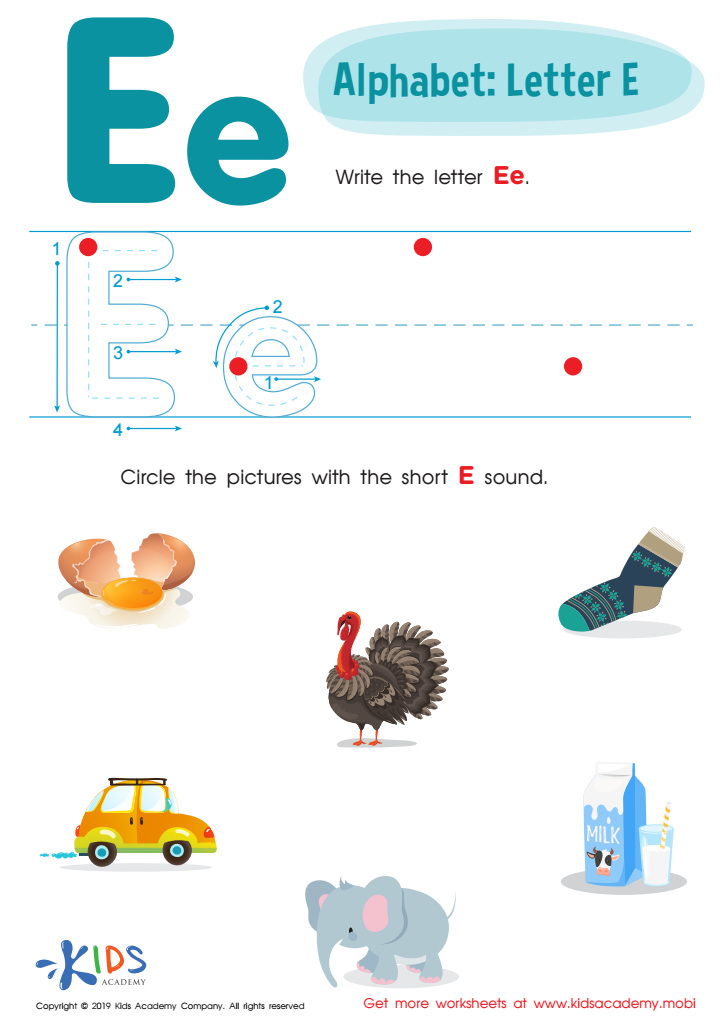
Letter E Tracing Worksheet
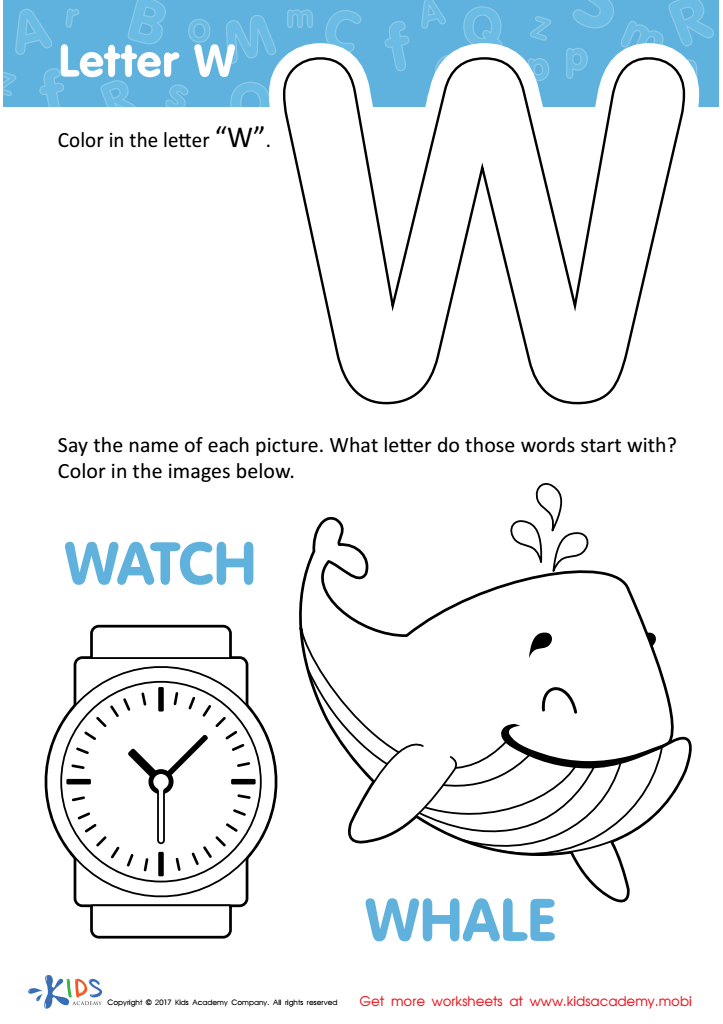
Letter W Coloring Sheet
Assign to My Students
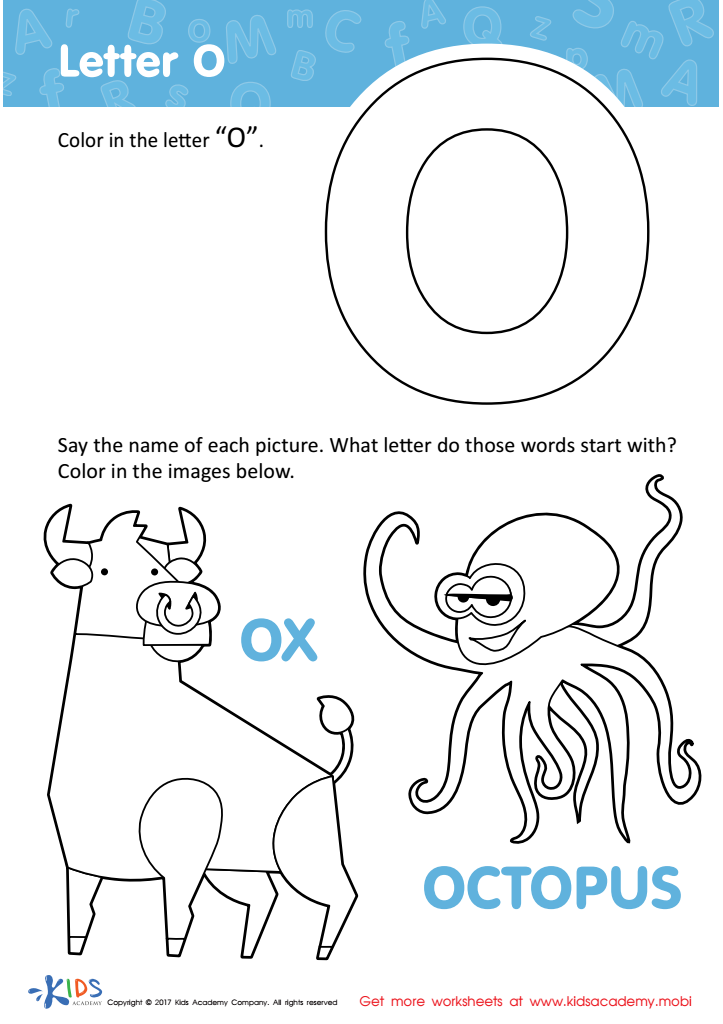
Letter O Coloring Sheet
Assign to My Students







Alphabet recognition is a fundamental skill for 6-year-olds, serving as the cornerstone for literacy and communication. Parents and teachers should prioritize this aspect of early education because it significantly influences a child’s academic success. Recognizing letters allows children to decode words, significantly aiding in reading fluency and comprehension, which are critical as they progress through school.
Moreover, early mastery of the alphabet can boost a child's self-esteem and motivation towards learning. When children feel confident in their abilities, they're more likely to engage enthusiastically with reading and writing activities. Understanding the parts of language also fosters skills in spelling and vocabulary development.
Beyond academia, alphabet recognition aids in effective communication; children learn to express themselves clearly, essential for their social interactions. In today’s digital world, where written communication is pivotal, early literacy skills will empower children to navigate various forms of communication as they grow.
In short, supporting alphabet recognition in 6-year-olds nurtures essential literacy skills, boosts confidence, and fosters effective communication—all vital for a successful future in learning and life. Parents and teachers should actively encourage this developmental milestone to help cultivate well-rounded individuals equipped for the challenges ahead.








