Attention to Detail Normal Worksheets for 6-Year-Olds
6 filtered results
-
From - To
Our "Attention to Detail" worksheets for 6-year-olds are expertly designed to boost your child's focus and meticulousness. These engaging and fun activities help young learners develop critical observation skills, essential for academic success. Each worksheet encourages children to identify differences, spot errors, and concentrate on small details through exciting puzzles and games. Perfect for home or school use, these printables make learning enjoyable while enhancing attention spans and cognitive development. Help your 6-year-old sharpen their attention to detail with our thoughtfully crafted worksheets, fostering lifelong learning skills effortlessly. Explore our diverse collection to keep your child motivated and growing!
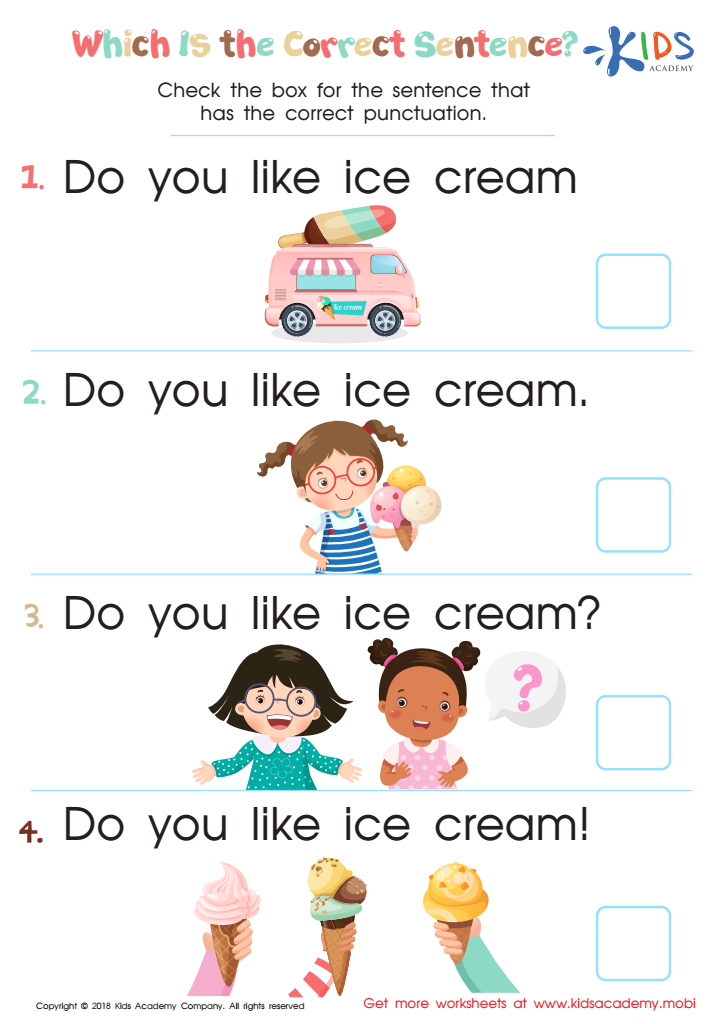
Which is the Correct Sentence? Worksheet
 Assign to My Students
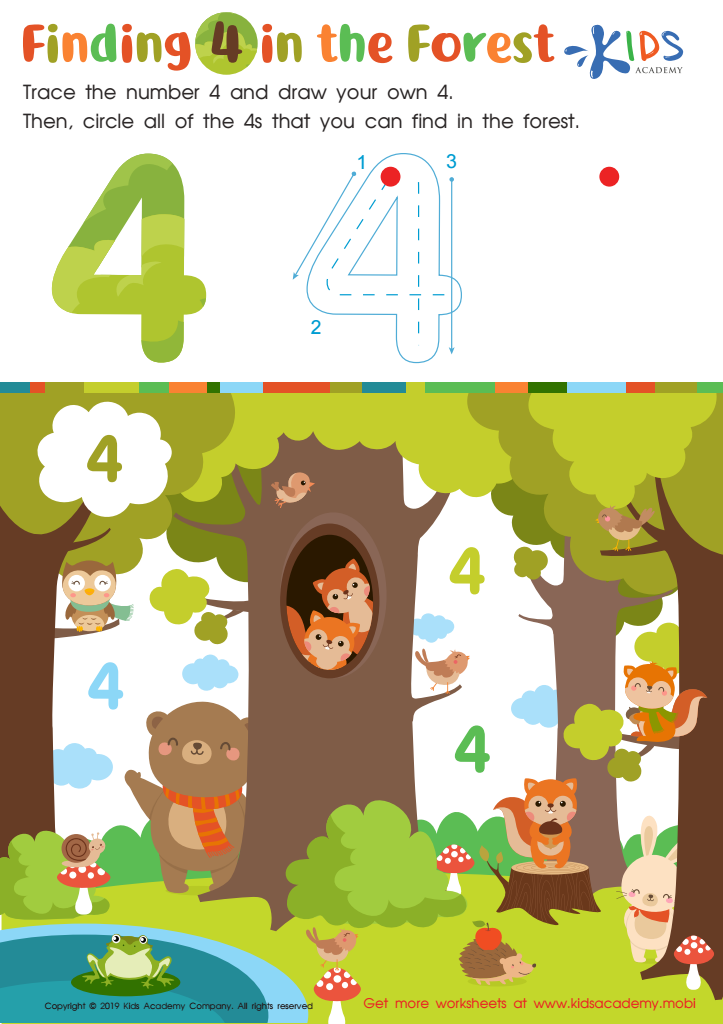
Finding 4 in the Forest Worksheet
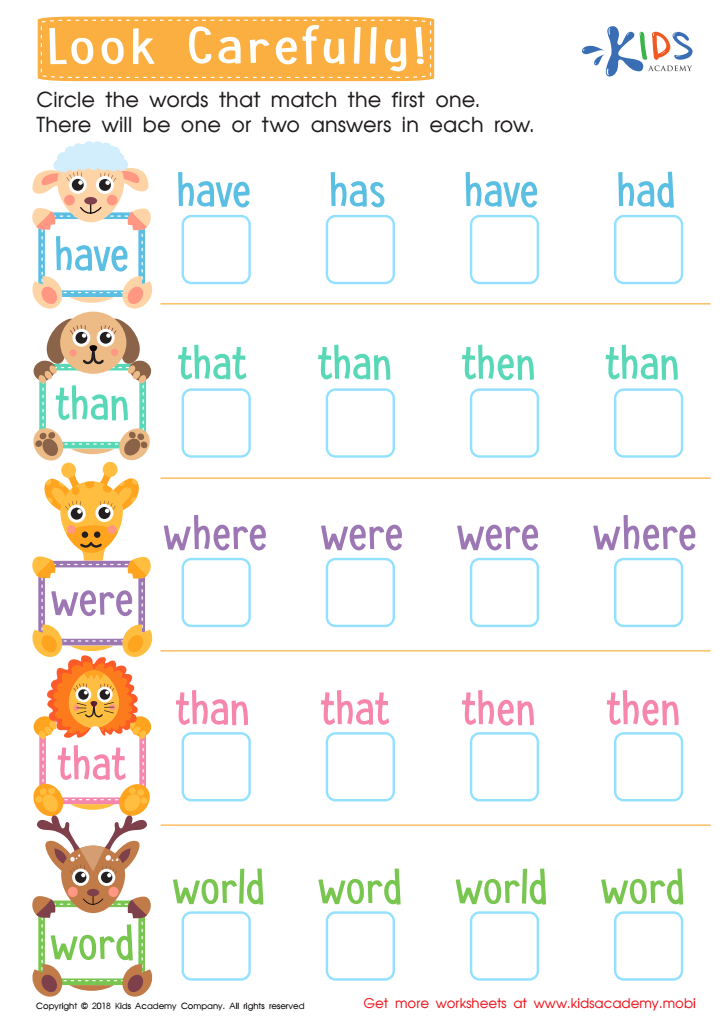
Look Carefully Worksheet
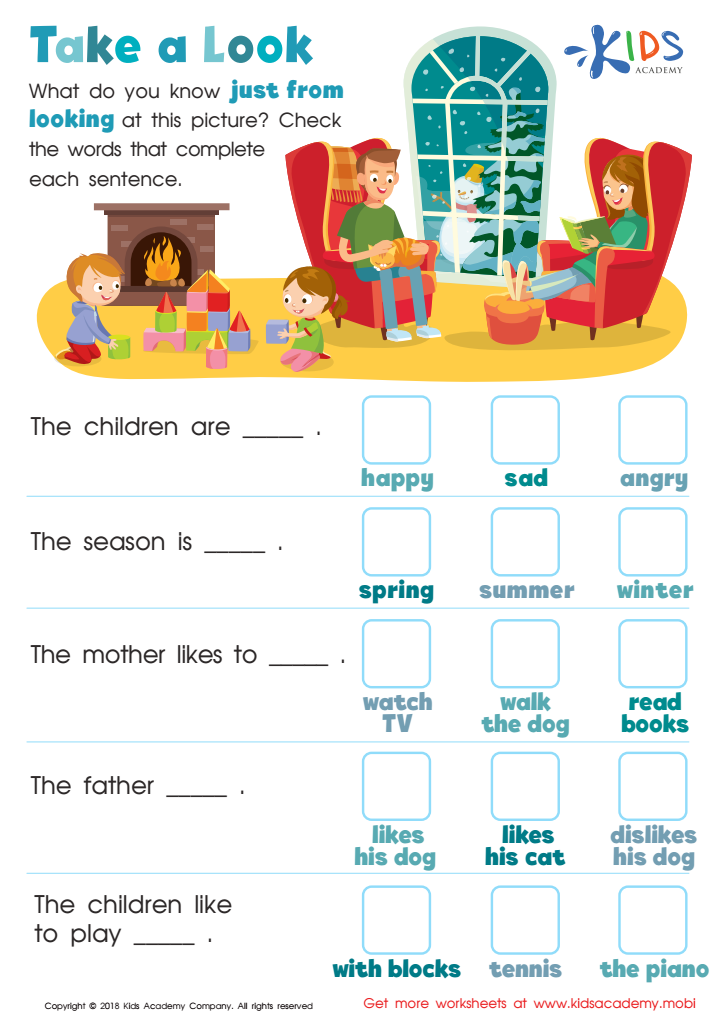
Take a Look - Part 1 Worksheet
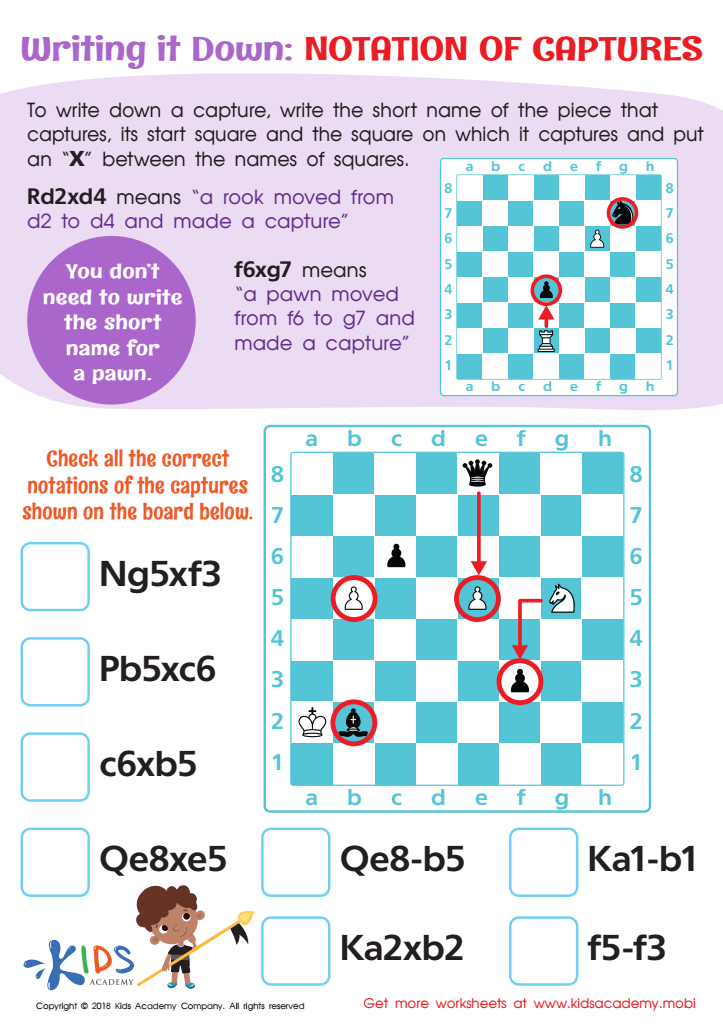
Notation of Captures Writing it Down Worksheet

Find 5 Worksheet




.jpg)



Attention to detail in 6-year-olds is crucial for their cognitive and emotional development. At this stage, children are growing rapidly, and the ability to focus on small details lays the foundation for future academic success. Parents and teachers should care about cultivating this skill for several key reasons.
Firstly, attention to detail helps children develop strong problem-solving skills. By noticing small elements in tasks, they learn to approach challenges methodically, improving their ability to understand and solve complex problems as they grow older.
Secondly, it impacts their learning process directly. For instance, in reading, paying attention to punctuation, capitalization, and spelling is essential for fluency and comprehension. Similarly, in math, recognizing subtle differences in numbers and symbols can prevent errors and build accuracy.
Furthermore, attention to detail enhances quality in creative activities like drawing, writing, or constructing things, fostering a sense of pride and accomplishment in their work. It also supports the development of social skills, as children learn to observe and respect details in social cues and interactions, promoting better relationships.
In summary, parents and teachers should nurture attention to detail in 6-year-olds because it underpins critical thinking, academic achievement, creativity, and social competence, equipping children with essential tools for lifelong success.








