Coloring skills Normal Worksheets for 6-Year-Olds
3 filtered results
-
From - To
Enhance your child's coloring skills with our specially designed worksheets for 6-year-olds! Our "Coloring Skills Normal Worksheets" provide engaging activities that foster creativity and improve fine motor skills. Each worksheet features fun and age-appropriate illustrations, encouraging kids to experiment with colors and develop their artistic expression. As your child fills in vibrant colors, they'll also enhance hand-eye coordination and concentration—all in a fun, interactive way! Perfect for home or classroom use, these worksheets offer an excellent way for children to learn while having fun. Let your little artist explore their imagination and creativity with our colorful worksheets!
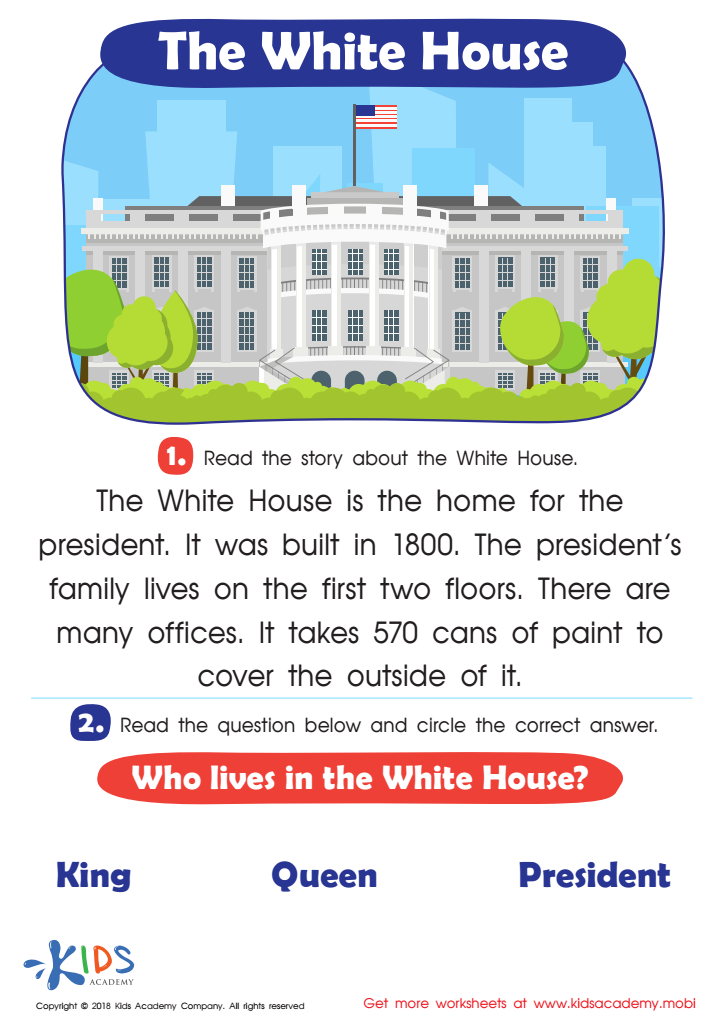
White House Worksheet
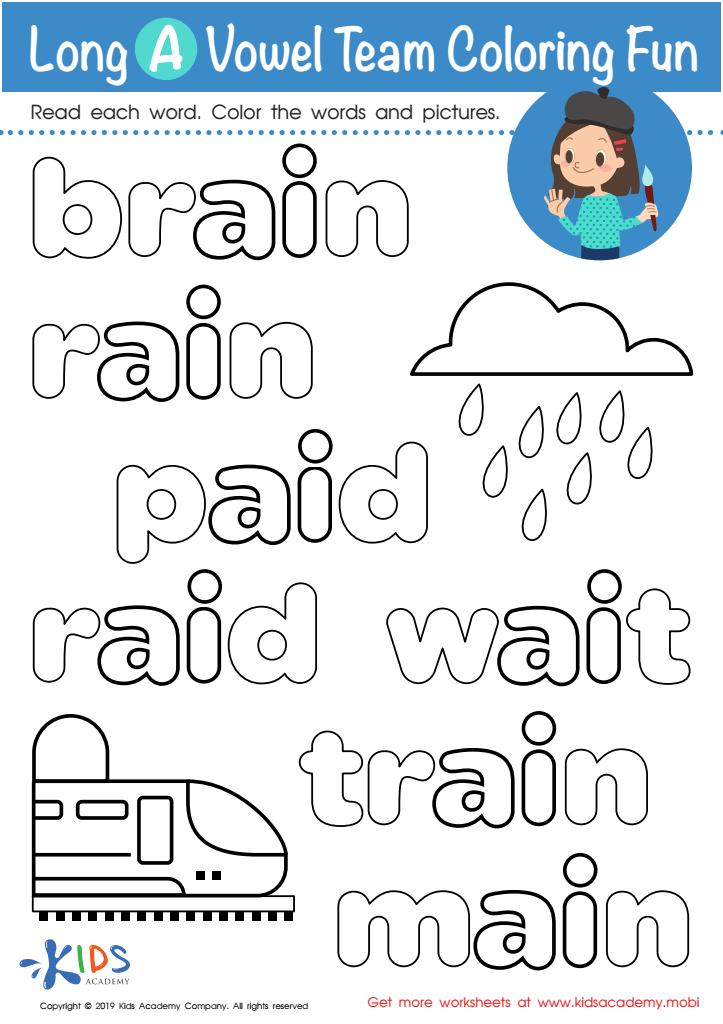
Long A Vowel Team Coloring Fun Worksheet
 Assign to My Students
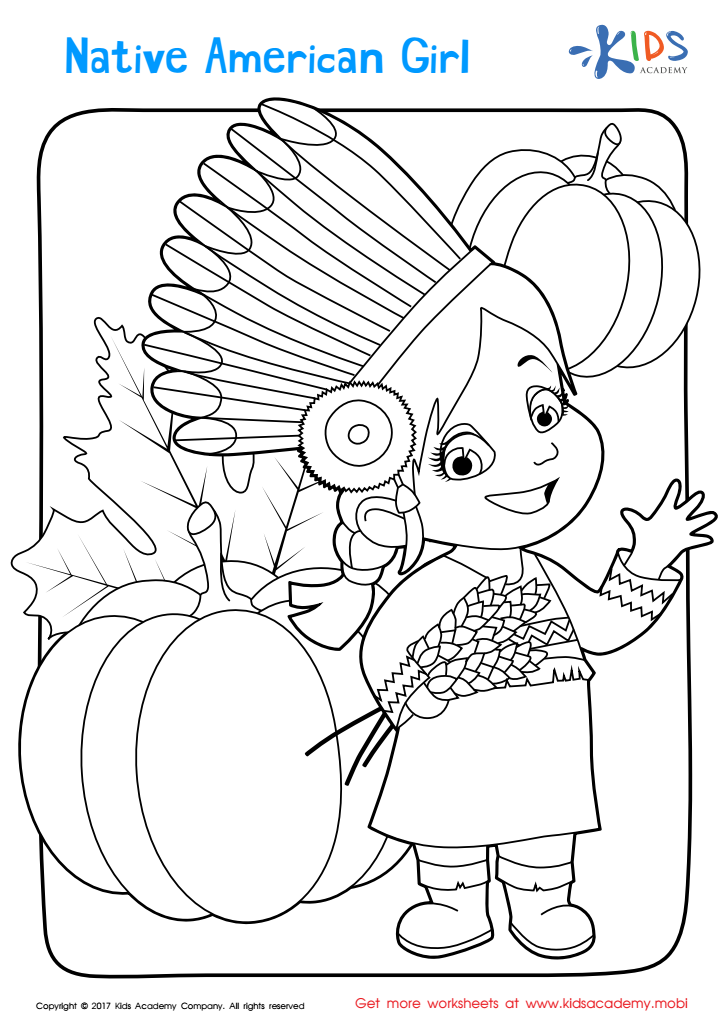





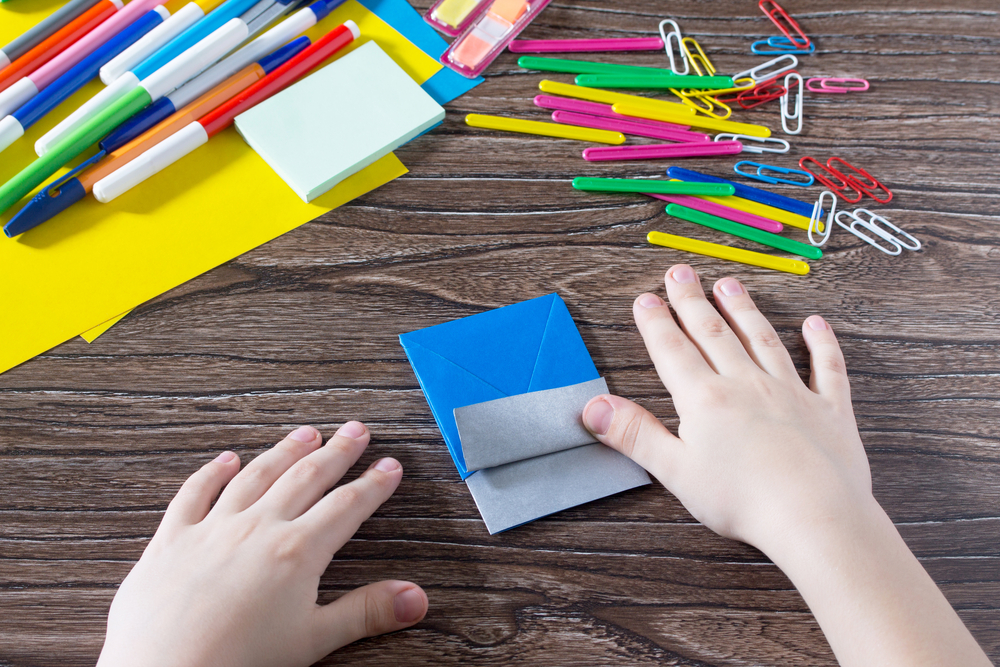


Coloring skills are essential for six-year-olds as they support cognitive, motor, and emotional development. At this age, children develop hand-eye coordination and fine motor skills while practicing coloring. Manipulating crayons or colored pencils helps strengthen the small muscles in their hands, which is crucial for tasks like writing, tying shoes, and using scissors.
Moreover, coloring encourages creativity and self-expression. It allows children to explore colors, experiment with designs, and make choices, fostering a sense of individuality. As they engage with various coloring materials, they also gain an understanding of spatial relationships, patterns, and color theory.
On a social-emotional level, coloring can provide a therapeutic outlet for children. It can help them relax, improve focus, and foster patience. Additionally, participating in coloring activities collaboratively can enhance peer relationships, promoting teamwork and communication skills.
For parents and teachers, recognizing the importance of coloring skills means providing ample opportunities for practice through engaging activities. Encouraging children to color regularly not only promotes development in various domains but also creates joyful learning experiences that build confidence and enthusiasm for future academic challenges. Ultimately, caring for coloring skills translates into a holistic approach to supporting a child's growth at this critical developmental stage.








