Improve reading comprehension Normal Worksheets for 6-Year-Olds
5 filtered results
-
From - To
Enhance your child's reading skills with our engaging "Improve Reading Comprehension Normal Worksheets" for 6-year-olds! Tailored for early learners, these worksheets offer a variety of fun exercises designed to strengthen comprehension abilities. With colorful illustrations and age-appropriate reading passages, children will enjoy practicing identifying main ideas, making connections, and answering questions. Each worksheet fosters critical thinking and nurtures a love for reading, empowering young learners to explore literature with confidence. Ideal for homeschooling or supplementary practice in the classroom, our comprehensive resources make learning enjoyable and effective. Boost your child's reading comprehension and set the foundation for academic success today!
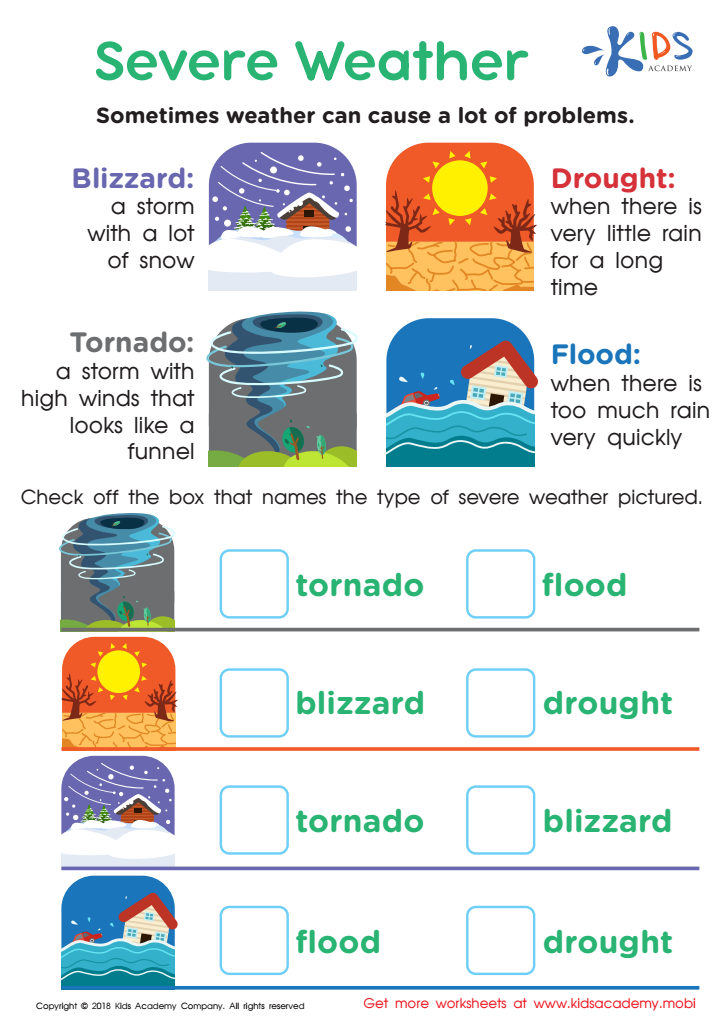
Severe Weather Worksheet
 Assign to My Students
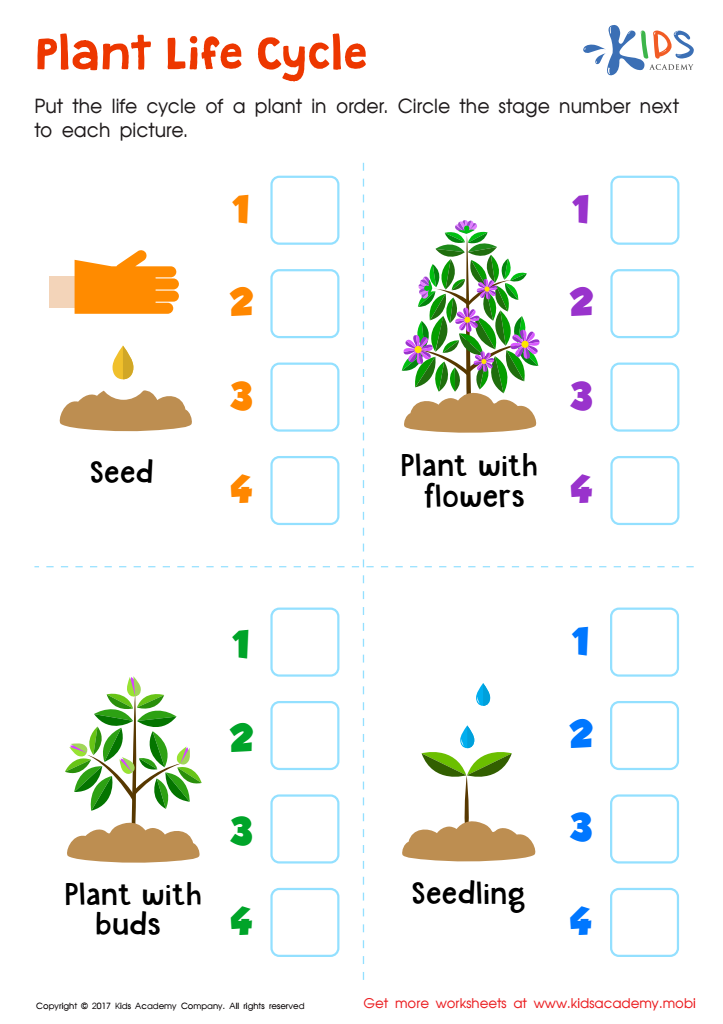
Plant Life Cycle Printable
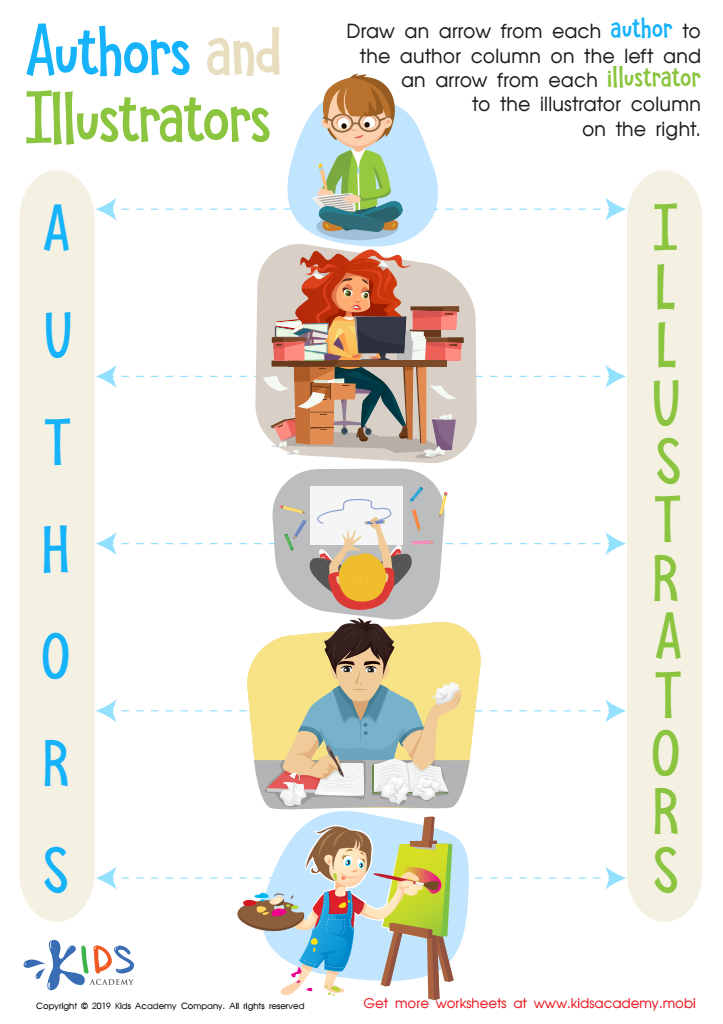
Authors and Illustrators Worksheet
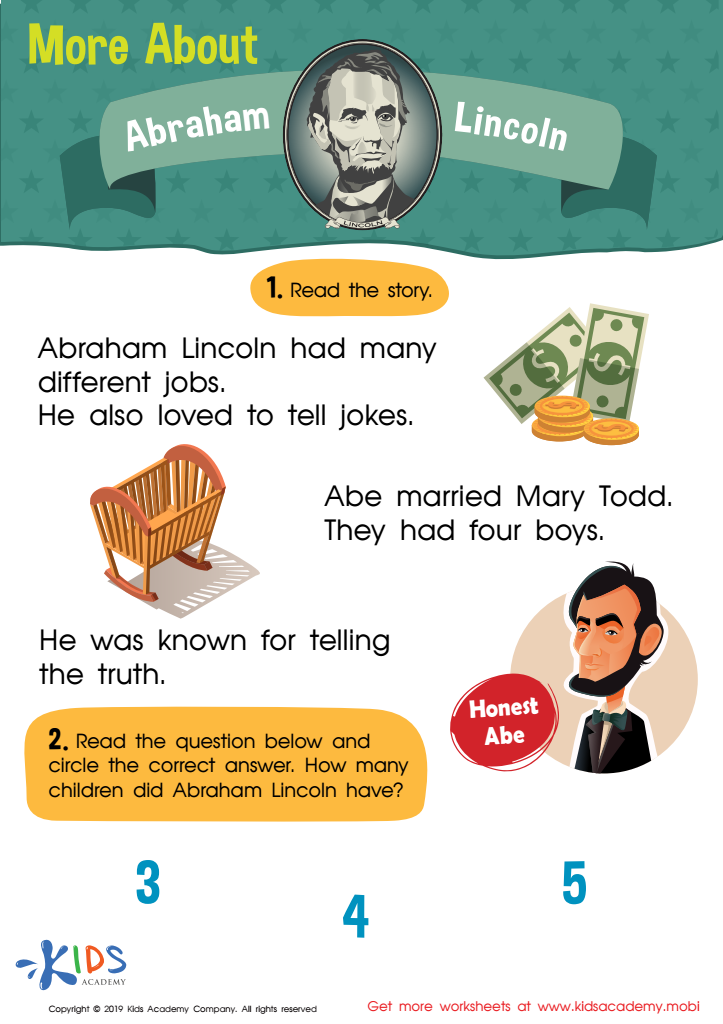
More About Abraham Lincoln Worksheet
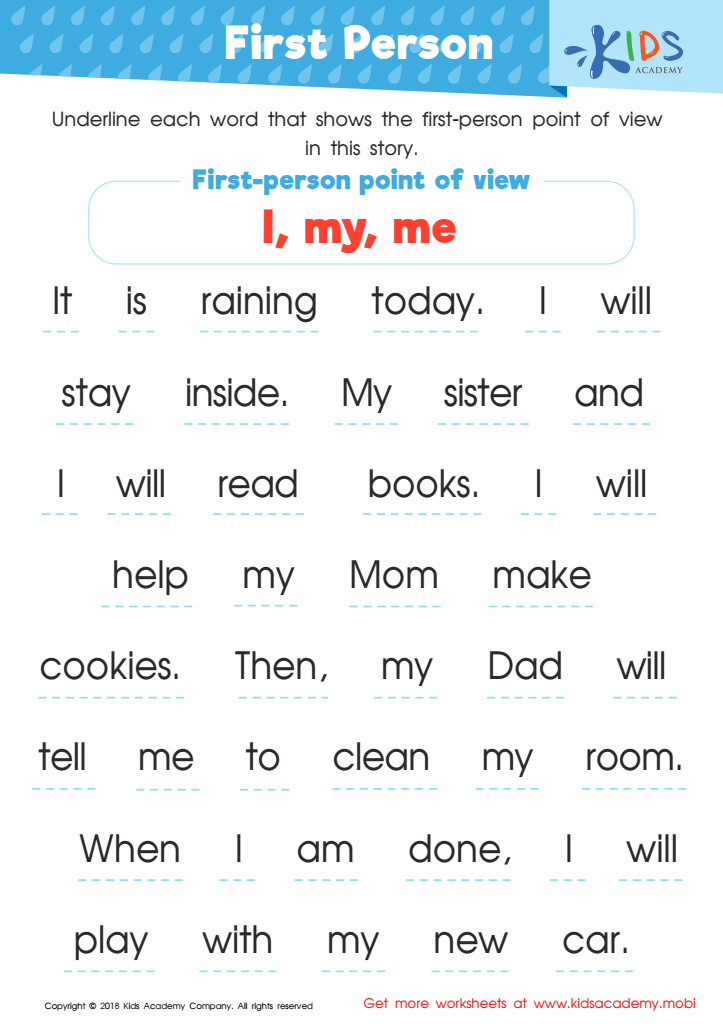
First Person Worksheet






Reading comprehension is a crucial skill that lays the foundation for lifelong learning, especially for 6-year-olds who are transitioning from learning to read to reading to learn. At this age, children are not just identifying words; they are beginning to understand the meaning behind those words. Improved reading comprehension enhances their ability to grasp concepts across various subjects, fosters critical thinking, and supports effective communication.
For parents, nurturing reading comprehension skills means enriching their child's cognitive development, boosting confidence, and instilling a love for reading that can last a lifetime. Engaged reading can also strengthen the parent-child bond, as shared reading experiences allow for discussion and exploration of ideas, emotions, and perspectives.
Teachers play a vital role in this developmental phase by creating engaging and interactive reading environments that support comprehension skills. Effective instruction helps students connect new information to prior knowledge, encouraging them to ask questions, make predictions, and summarize content.
Ultimately, nurturing reading comprehension in young learners can lead to academic success, while also equipping them with the skills necessary for effective problem-solving, collaboration, and participation in an increasingly complex world. Thus, supporting this pivotal learning stage is essential for both parents and educators.








