Improving categorization skills Normal Worksheets for 6-Year-Olds
3 filtered results
-
From - To
Enhance your 6-year-old's categorization skills with our fun and educational worksheets designed specifically for young learners. These engaging activities provide children with opportunities to classify objects, recognize patterns, and organize items into groups based on shared characteristics. Through interactive exercises, kids will sharpen their critical thinking and problem-solving abilities while learning important concepts like size, color, and function. Perfect for at-home learning or classroom use, our worksheets offer a vibrant and hands-on approach to mastering categorization. Let your child embark on a journey of discovery and improve their cognitive skills with our thoughtfully designed resources today!
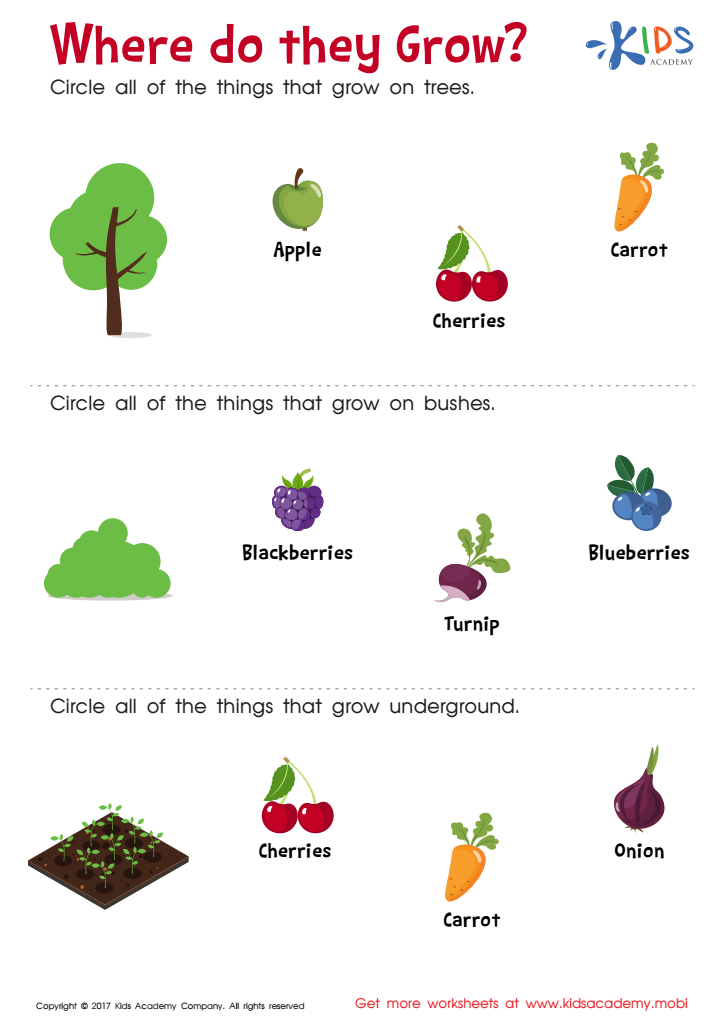
Where Do They Grow Worksheet
 Assign to My Students
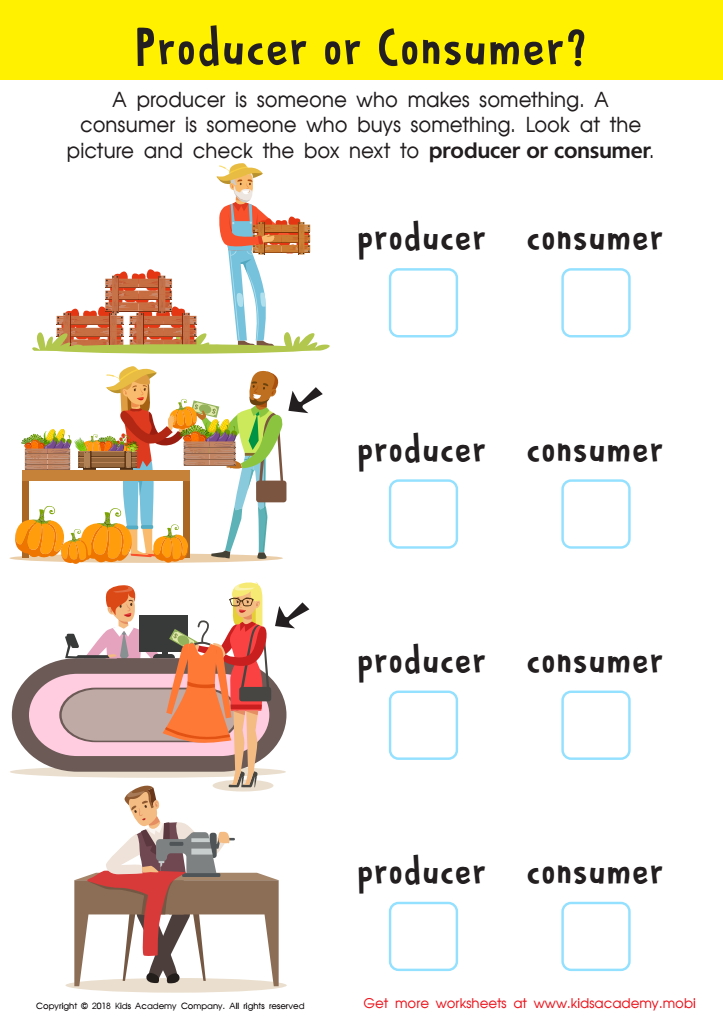
Producer or Consumer? Worksheet
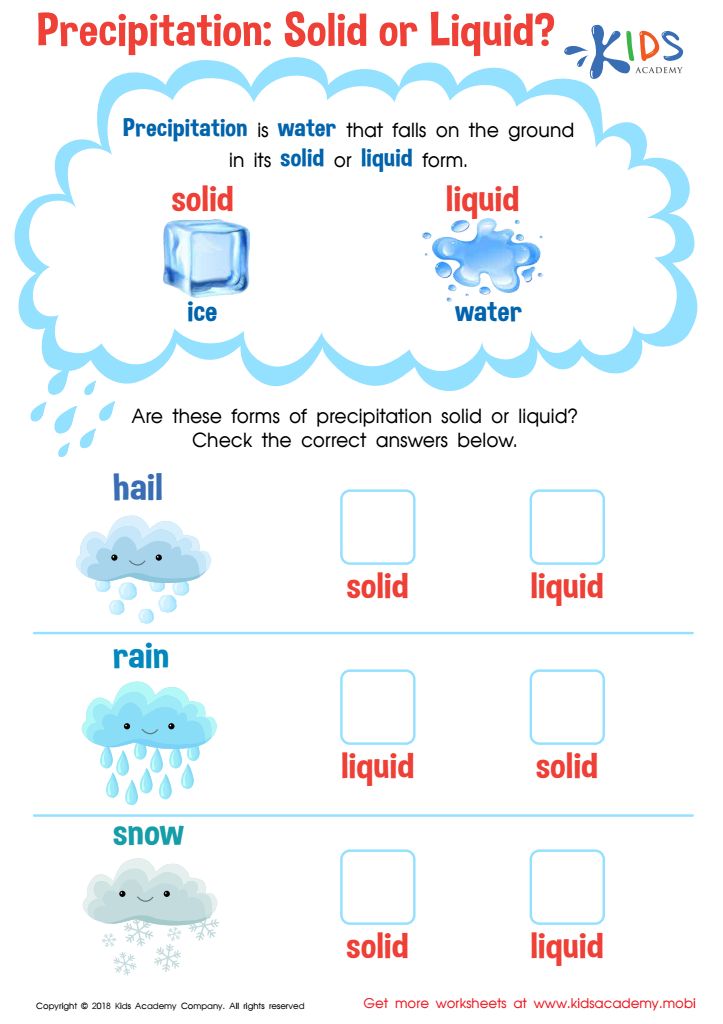
Precipitation: Solid or Liquid? Worksheet





Improving categorization skills in 6-year-olds is vital for several reasons. First, categorization helps children make sense of the world around them. By grouping objects, animals, or concepts based on shared attributes, children develop critical thinking skills and enhance cognitive processes that are foundational for later learning.
In school, categorization is linked to literacy development; it aids in vocabulary expansion and comprehension, enabling children to connect new knowledge with what they already know. For instance, when children categorize animals as mammals, reptiles, or birds, they deepen their understanding of biological classifications.
Furthermore, strong categorization skills promote social development. As children learn to categorize things based on characteristics, they also build the capacity to understand similarities and differences in people and experiences, fostering empathy and social interactions.
Moreover, parents and teachers play a crucial role in cultivating these skills by providing targeted activities and games that challenge children’s sorting and grouping abilities. This engagement not only boosts academic readiness but also equips children with problem-solving skills essential for lifelong learning. Ultimately, enhancing categorization skills in young children lays a robust foundation for their intellectual growth, social development, and future academic success.








