Logical thinking Normal Worksheets for 6-Year-Olds
5 filtered results
-
From - To
Welcome to our collection of Logical Thinking Worksheets designed specifically for 6-year-olds! These engaging and fun worksheets are aimed at enhancing problem-solving skills, critical thinking, and logical reasoning in young learners. Each activity promotes cognitive development through exciting challenges that stimulate creativity and analytical thinking. From puzzles to patterned sequences, our worksheets captivate children's attention while fostering a love for learning. Perfect for classroom use or at-home practice, these resources integrate education with play, making it enjoyable for kids to sharpen their logical thinking abilities. Download now and embark on an exciting educational journey that supports your child's growth!
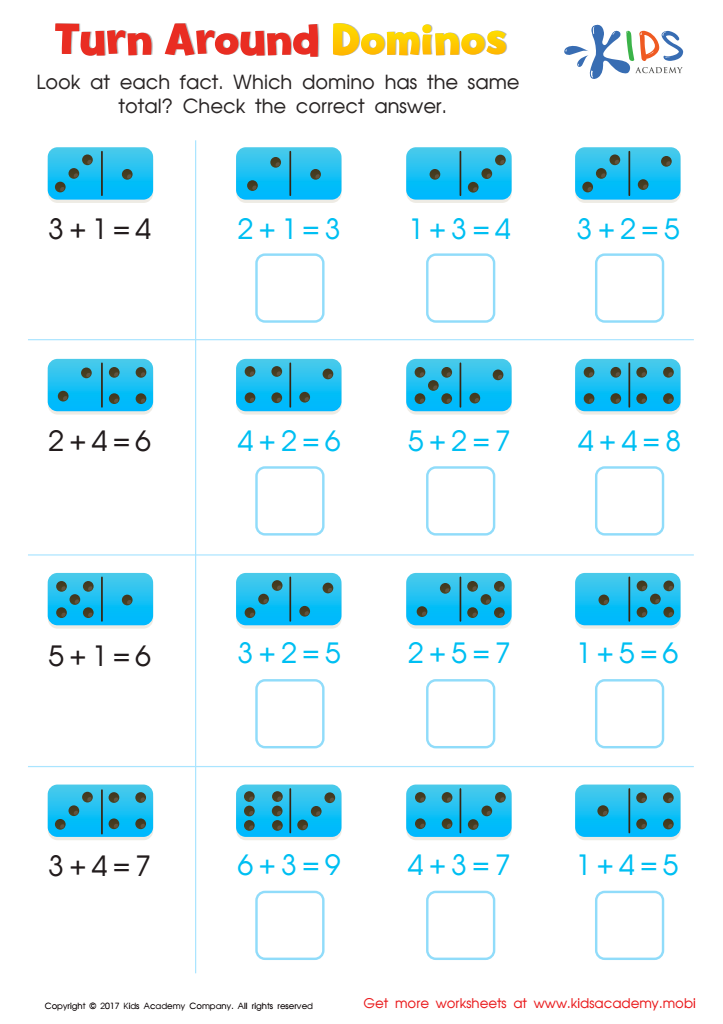
Turn Around Dominos Worksheet
 Assign to My Students

Cinderella Geometry Maze Worksheet
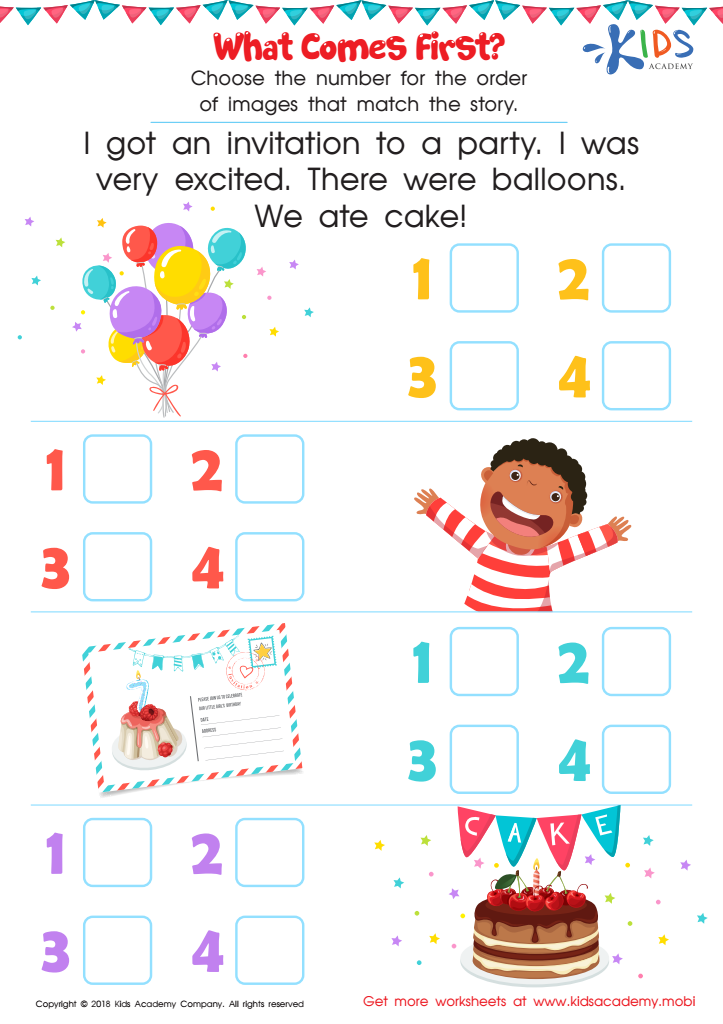
What Comes First Worksheet
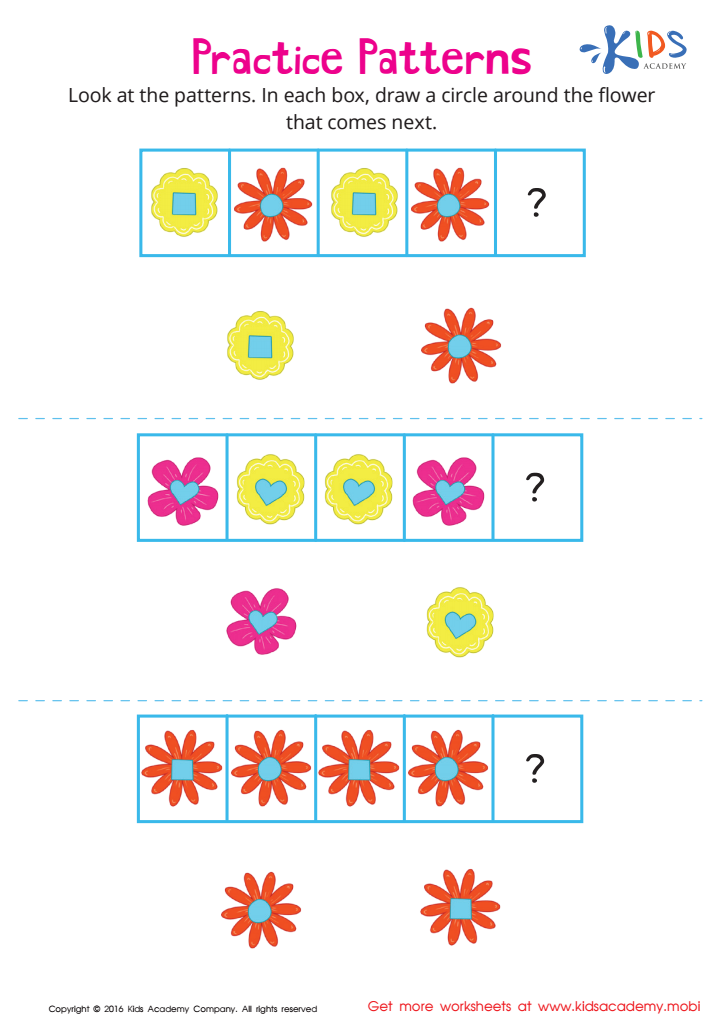
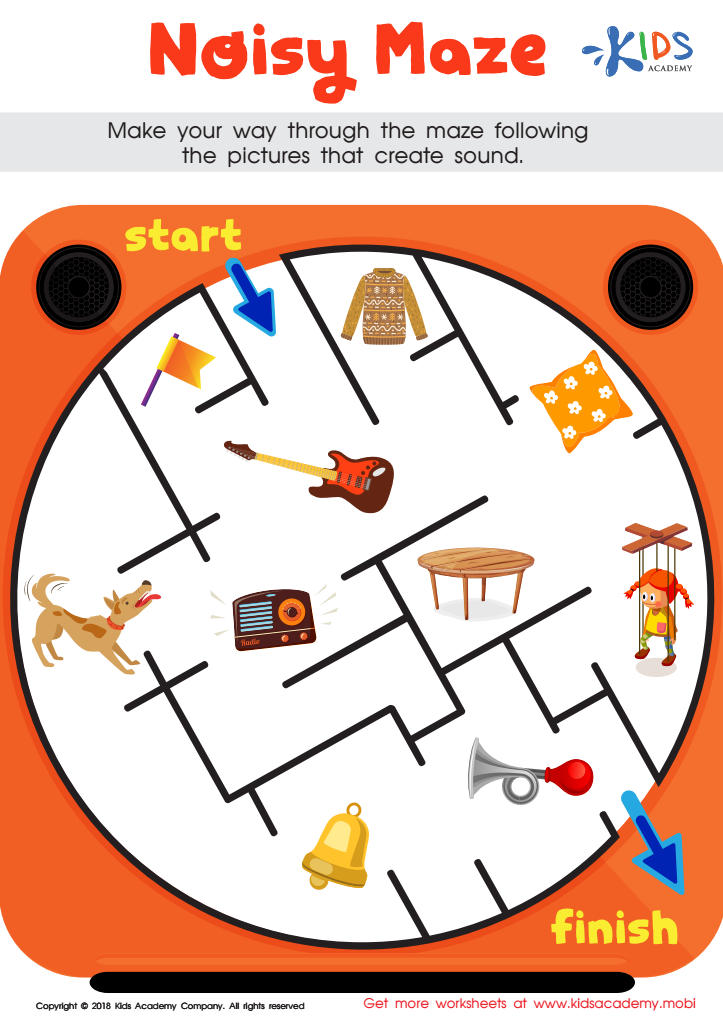
Noisy Maze Worksheet








Logical thinking is a critical skill for 6-year-olds that lays the foundation for future learning and problem-solving abilities. At this stage, children begin to develop the ability to reason and analyze information, which is essential for understanding complex concepts in academics and everyday life.
Parents and teachers should be concerned with nurturing this skill because logical thinking promotes critical thinking, decision-making, and creativity. Engaging children in activities like puzzles, basic math problems, and simple science experiments helps them learn to assess situations, identify patterns, and draw conclusions. This kind of engagement not only enriches their cognitive development but also enhances their confidence, encouraging them to tackle more challenging tasks.
Moreover, strong logical thinking skills cultivate a child’s ability to approach problems systematically, setting the groundwork for success in subjects like math and science as they advance in their education. Encouraging logical reasoning also improves communication skills, as children learn to articulate their thoughts and justify their choices. Overall, fostering logical thinking in early childhood is essential for developing well-rounded individuals prepared for future academic challenges and real-world problem-solving.








