Color Identification Normal Math Worksheets for 6-Year-Olds
7 filtered results
-
From - To
Welcome to our engaging collection of Color Identification Normal Math Worksheets designed specifically for 6-year-olds! These printable resources seamlessly combine color recognition with early math skills, making learning both fun and effective. Your child will explore numbers, shapes, and counting while identifying vibrant colors within enjoyable activities. Each worksheet fosters essential skills that support basic math understanding, enhancing cognitive development in a playful environment. Ideal for homeschooling or classroom use, these worksheets encourage creativity, critical thinking, and color mastery. Download our Color Identification Normal Math Worksheets today, and watch your child's confidence blossom as they learn through colorful exploration!
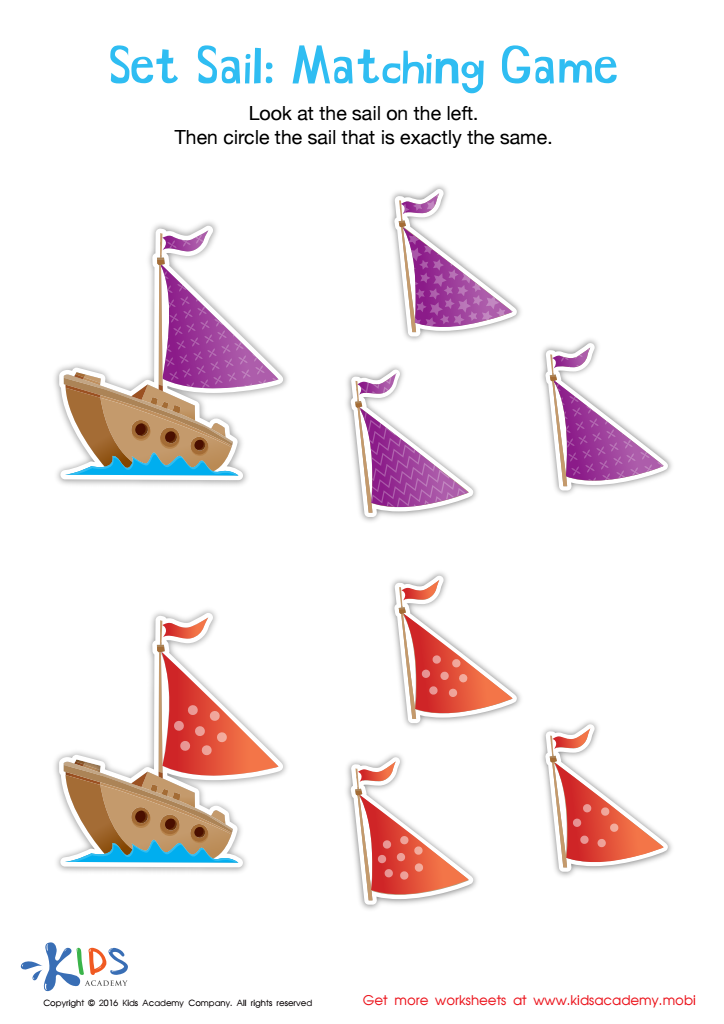
Set Sail Worksheet
 Assign to My Students
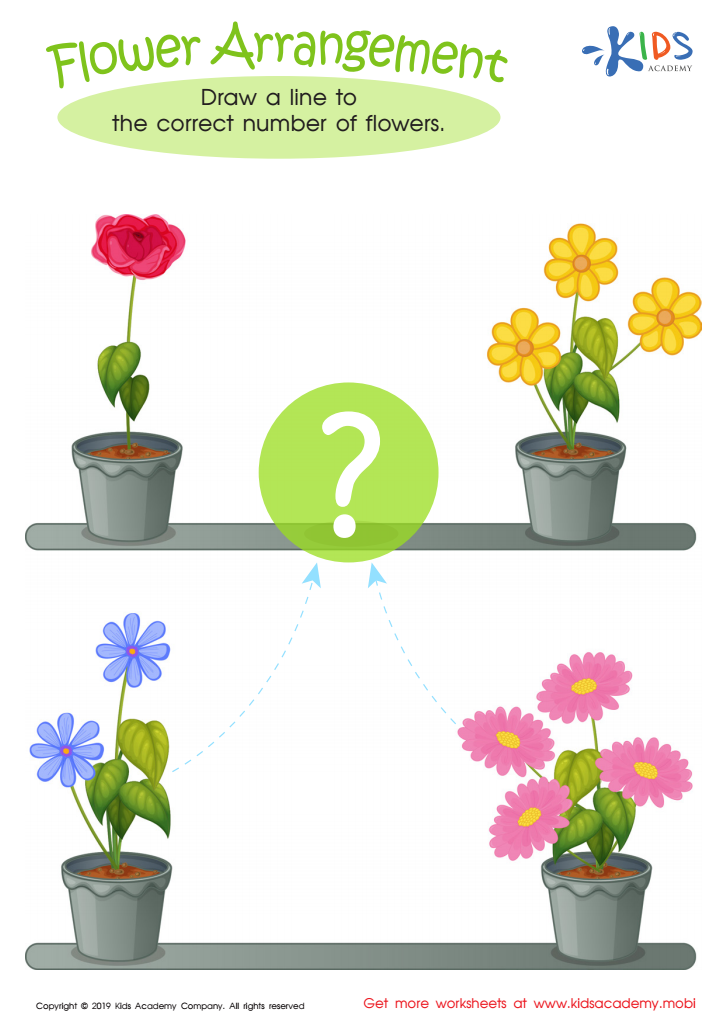
Flower Arrangement Worksheet
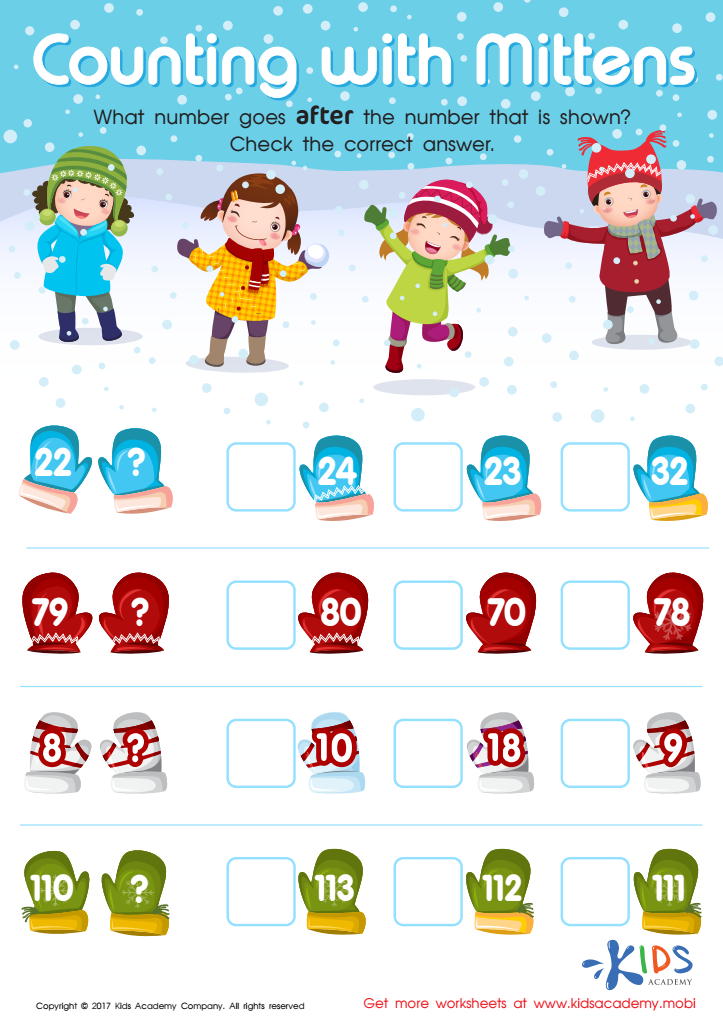
Counting with Mittens Worksheet
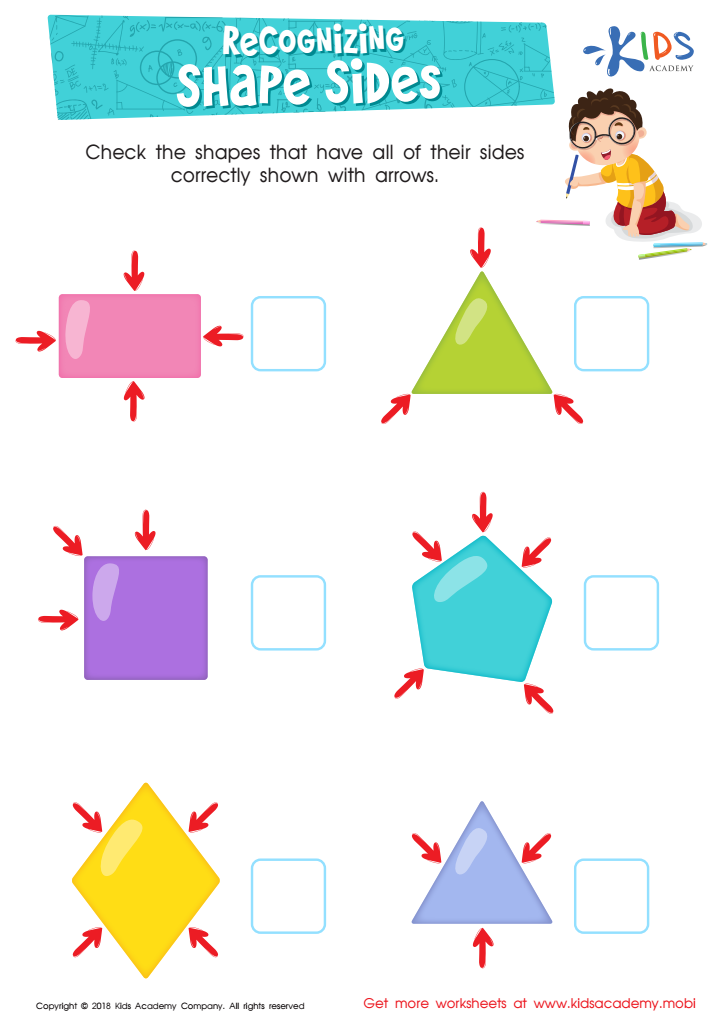
Recognizing Shape Sides Worksheet
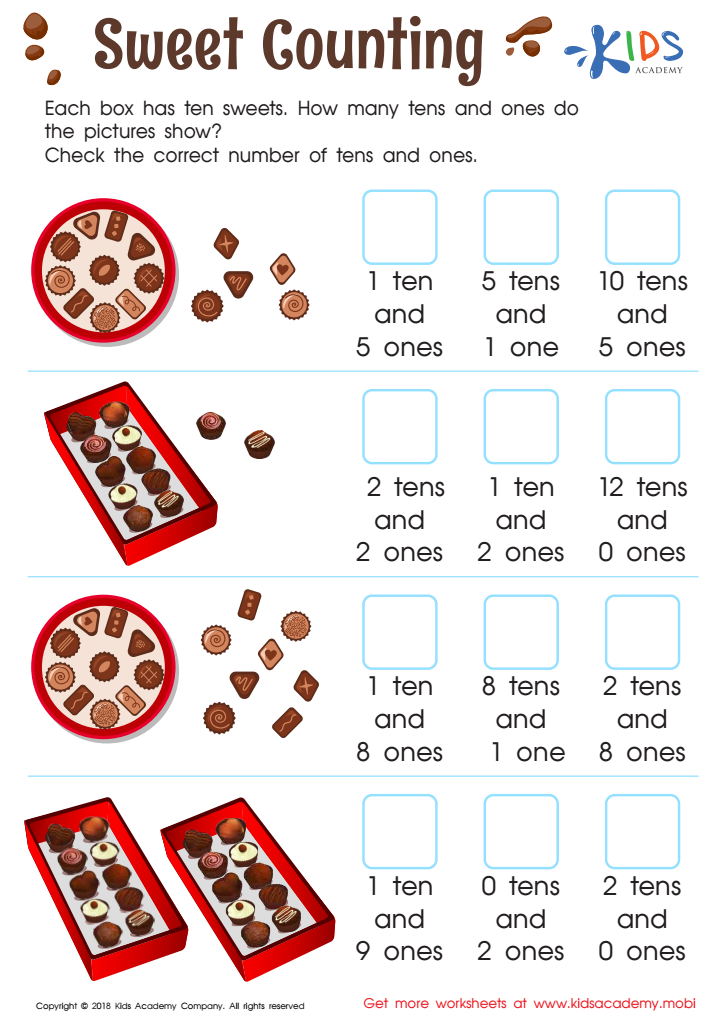
Sweet Counting - Part 2 Worksheet
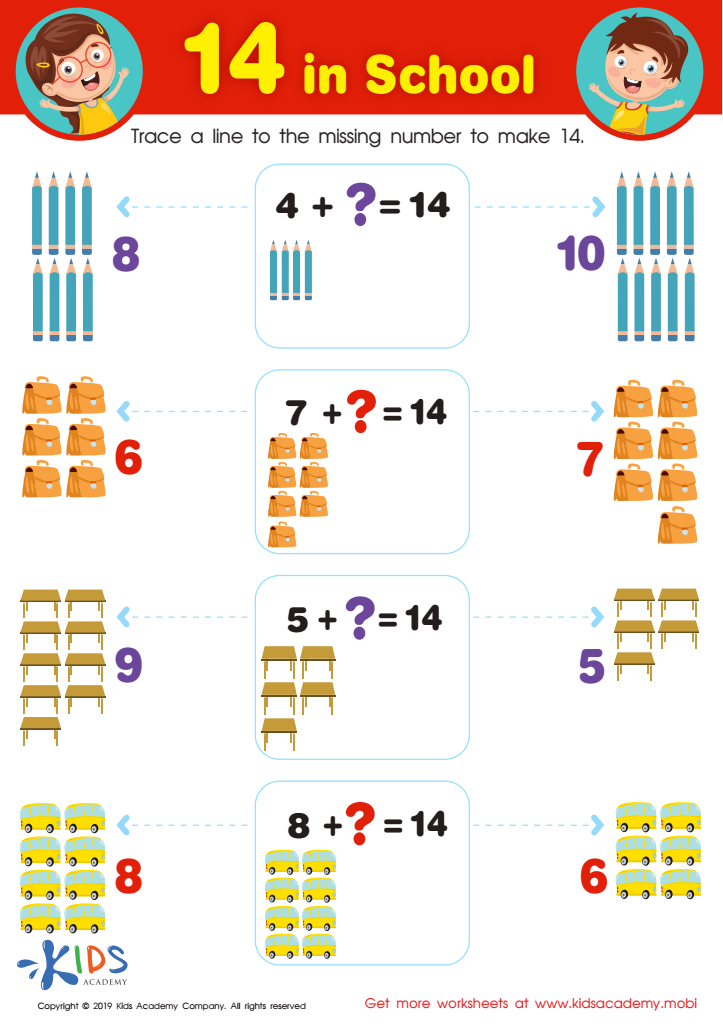
14 in School Worksheet
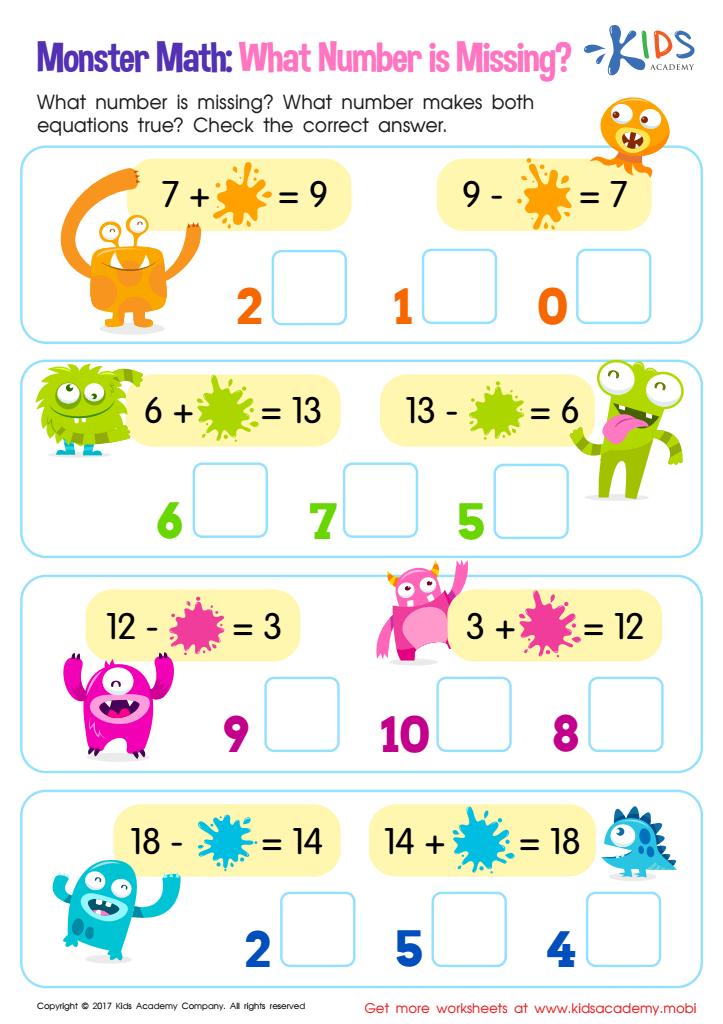
Missing Number: Monster Math Worksheet








Color identification and basic math skills are foundational elements of early childhood education that significantly impact a child's development. For six-year-olds, recognizing colors helps enhance their cognitive abilities as they learn to categorize and differentiate items in their environment. This skill not only aids in vocabulary expansion—but also promotes creativity and self-expression through art and play. When children can identify and name colors, they engage more effectively with their surroundings, facilitating learning that connects to the real world.
Furthermore, introducing math concepts at this age varies from basic counting to shape recognition, which underpin future mathematical understanding. Strong foundational skills in color identification allow teachers and parents to create engaging, visual-based math activities, fostering enthusiasm in learning. Children can enhance their problem-solving abilities by incorporating colors into math games and puzzles, making the learning process enjoyable.
Ultimately, focusing on color identification intertwined with normal math experiences fosters a solid educational groundwork. It not only creates a connection to deeper academic skills but also equips children with the confidence to explore and inquire about their world, laying the framework for lifelong learning and cognitive growth. Therefore, parents and teachers should prioritize these skills as essential components of early learning development.








