Hand-eye Coordination Normal Math Worksheets for 6-Year-Olds
7 filtered results
-
From - To
Enhance your child's hand-eye coordination with our engaging math worksheets designed for 6-year-olds! These interactive printables combine essential math concepts with fun activities that promote coordination skills. Each worksheet nurtures their ability to connect visual input with motor actions, making math learning enjoyable and effective. Perfect for at-home practice or classroom use, our worksheets cover a variety of topics, ensuring that young learners develop confidence in their math abilities while improving their visual-motor skills. Foster your child's cognitive and physical development simultaneously! Explore our diverse selection of hand-eye coordination math worksheets today and watch them thrive in their learning journey!
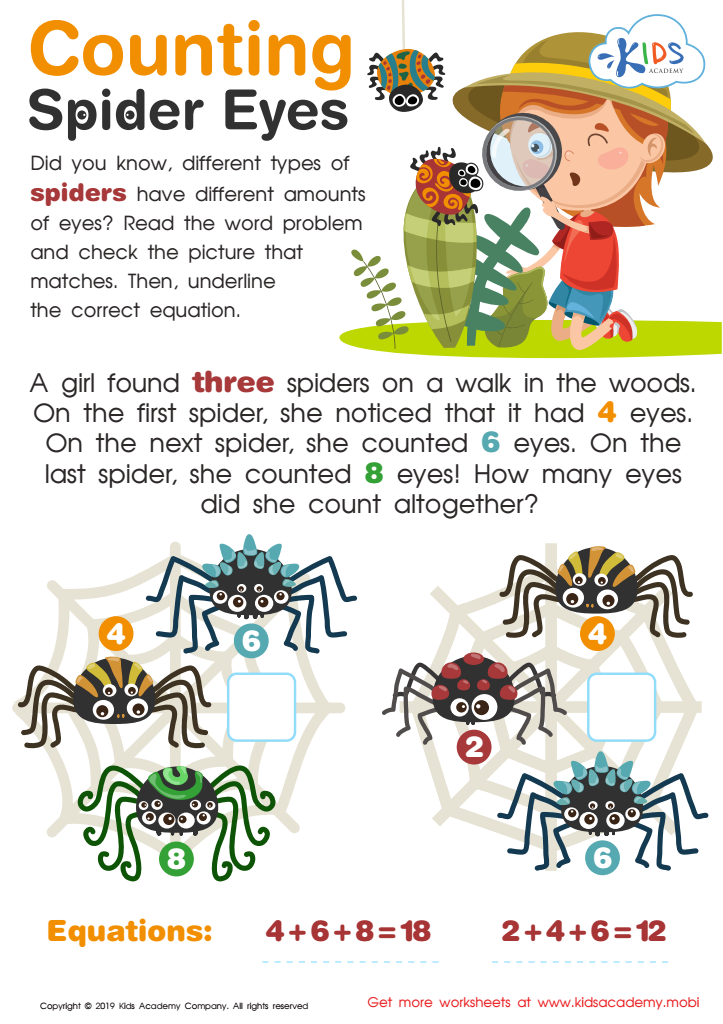
Counting Spider Eyes Worksheet
 Assign to My Students
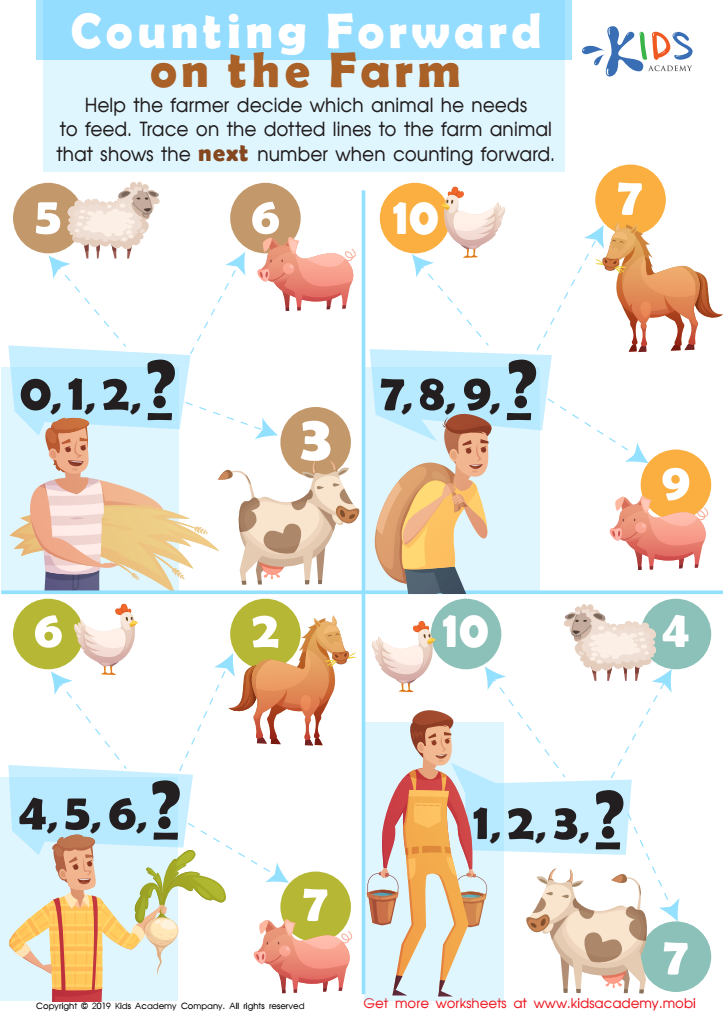
Counting Forward On the Farm Worksheet
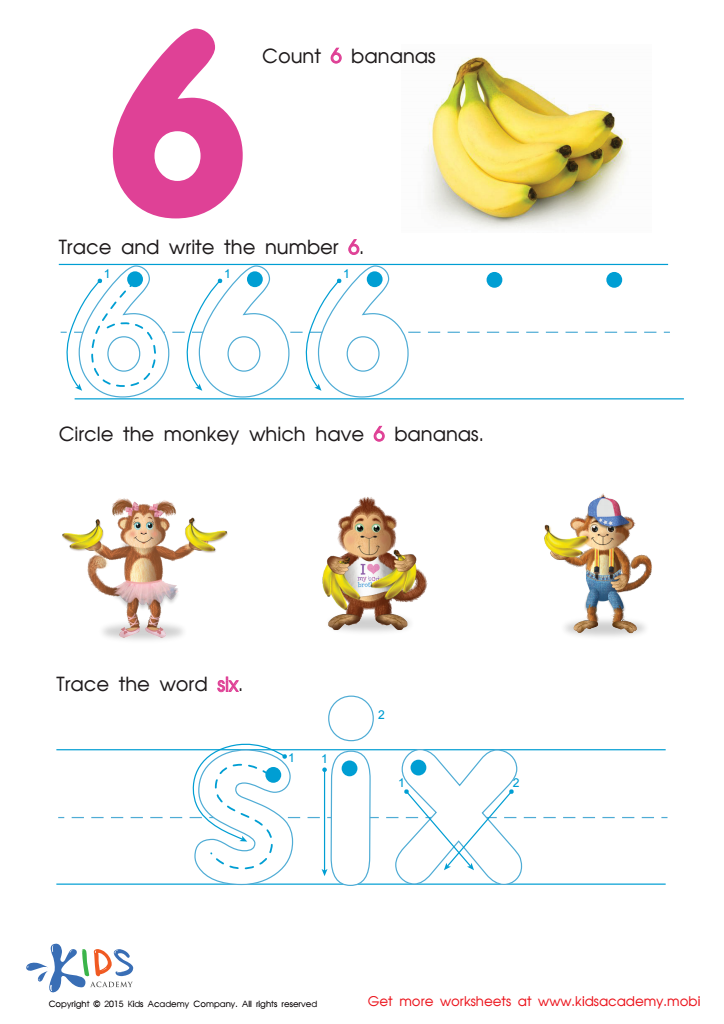
Tracing And Writing Number 6 Worksheet
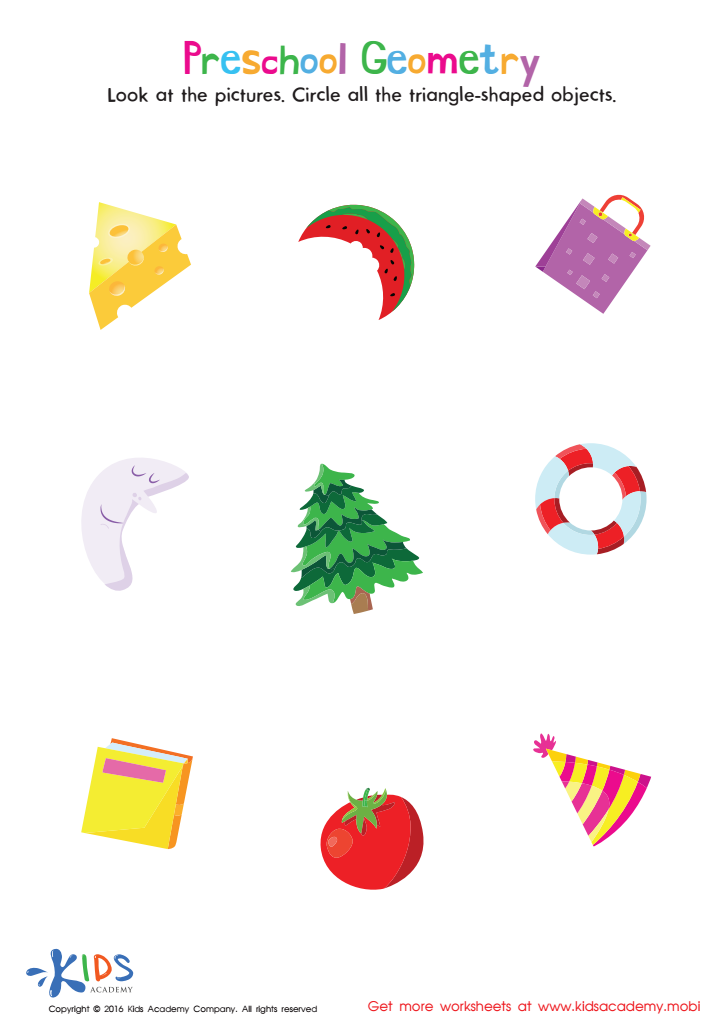
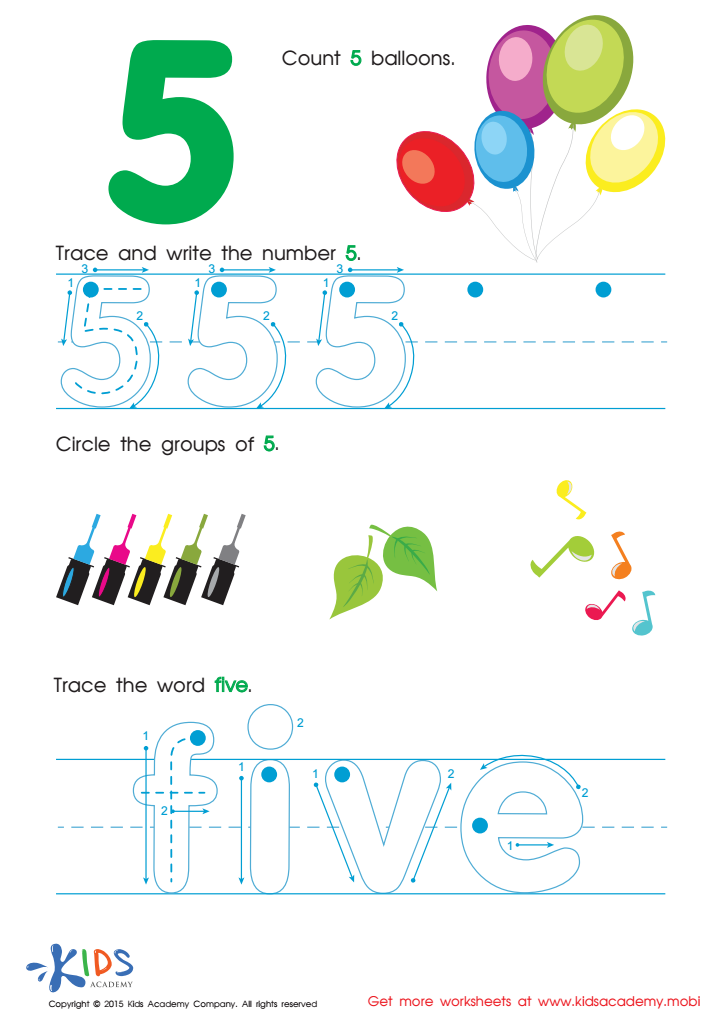
Practice Writing Number 5 Worksheet
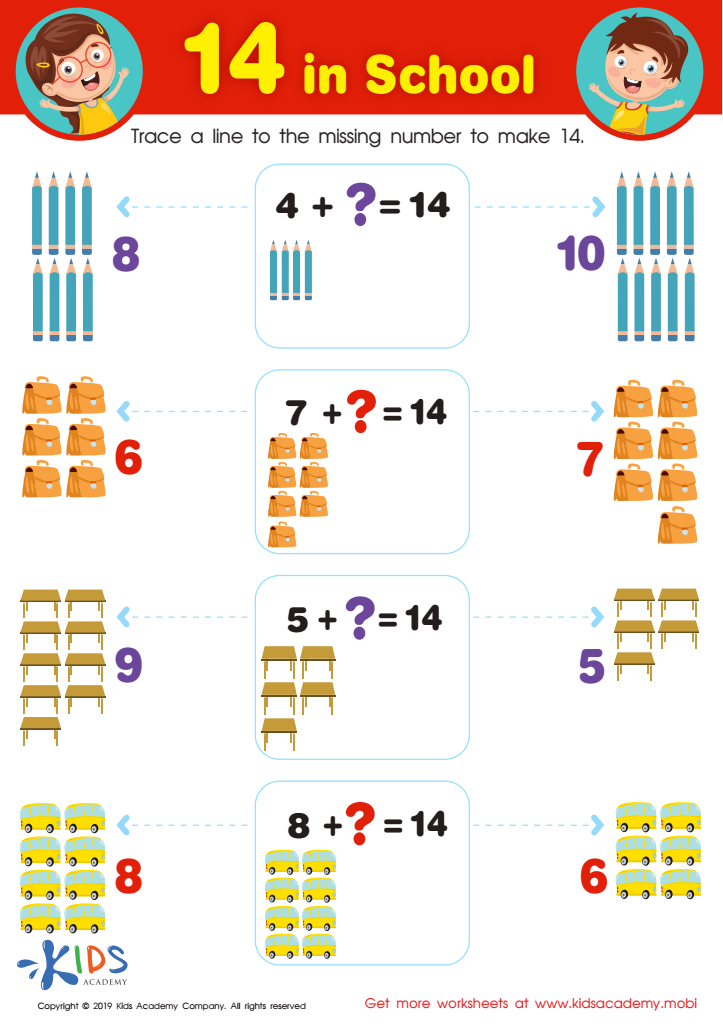
14 in School Worksheet






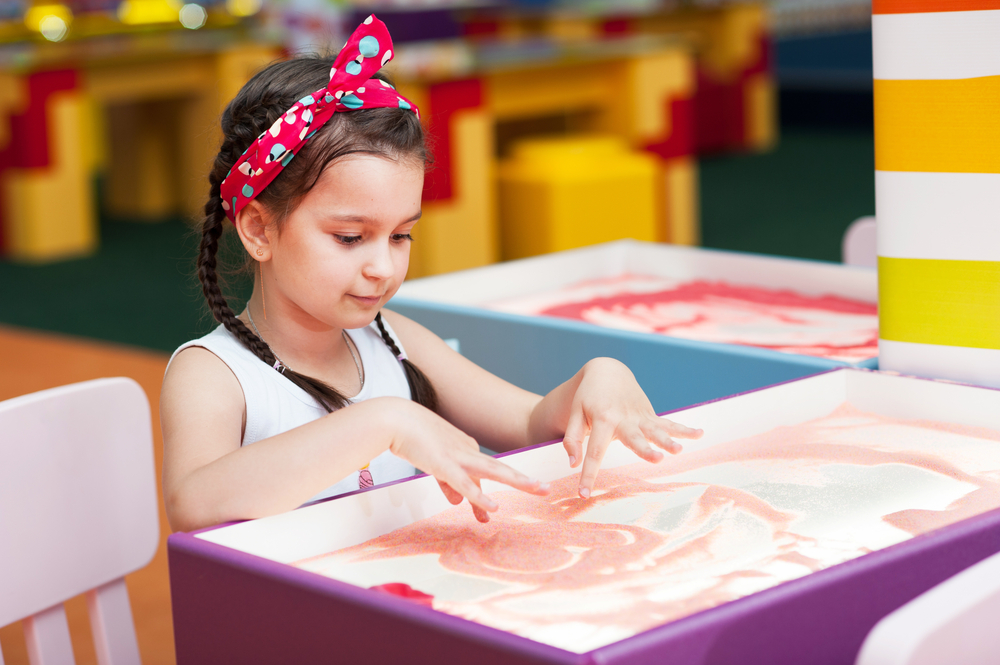
Hand-eye coordination is essential for young children, as it involves the ability to synchronize what they see with their physical movements. For 6-year-olds, normal hand-eye coordination plays a significant role in their overall development, particularly in academic and everyday tasks.
For parents and teachers, fostering this skill is crucial as it enhances children's performance in various activities, such as writing, counting, and engaging in sports or arts. These activities require precision and control—skills built through refining hand-eye coordination. When children struggle with these abilities, they may become frustrated or disengaged, affecting their confidence in learning.
Moreover, strong hand-eye coordination can lead to improved fine motor skills, pivotal for tasks like holding a pencil correctly and manipulating classroom materials. This translates to better performance in math, where visualizing numbers and shapes is essential. When teachers or parents invest time in activities that promote this coordination—like puzzles, drawing, or catching games—they pave the way for a smoother transition into more complex academic stages.
Ultimately, nurturing hand-eye coordination supports cognitive development, academic success, and boosts a child’s physical skills, fostering a more well-rounded, confident individual.








