Visual perception Normal Math Worksheets for 6-Year-Olds
12 filtered results
-
From - To
Unlock your child's potential with our Visual Perception Normal Math Worksheets designed for 6-year-olds! These engaging and interactive worksheets focus on enhancing visual perception skills, vital for future math success. By incorporating colorful graphics and varied activities, kids will improve their ability to identify shapes, patterns, and spatial relationships while building confidence in their math capabilities. Perfect for home or classroom use, our worksheets align with educational standards, ensuring a fun and effective learning experience. Help your little learners thrive in mathematics with enjoyable exercises that make visual learning exciting. Start today and watch them flourish!
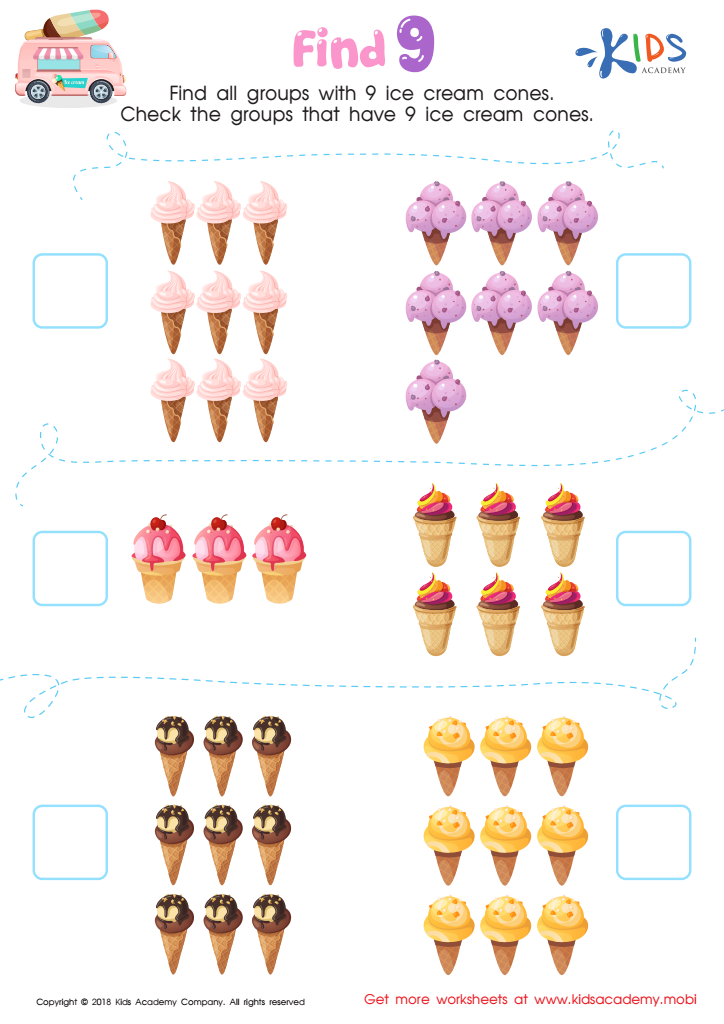
Find 9 Worksheet
 Assign to My Students
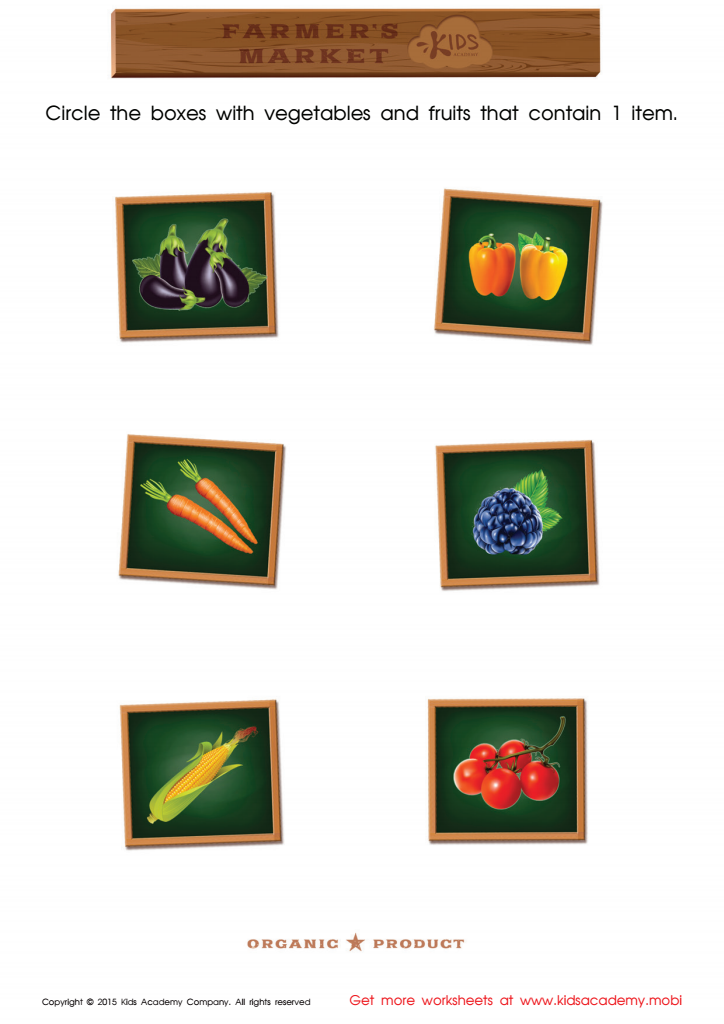
Count and Match Boxes with Vegetables
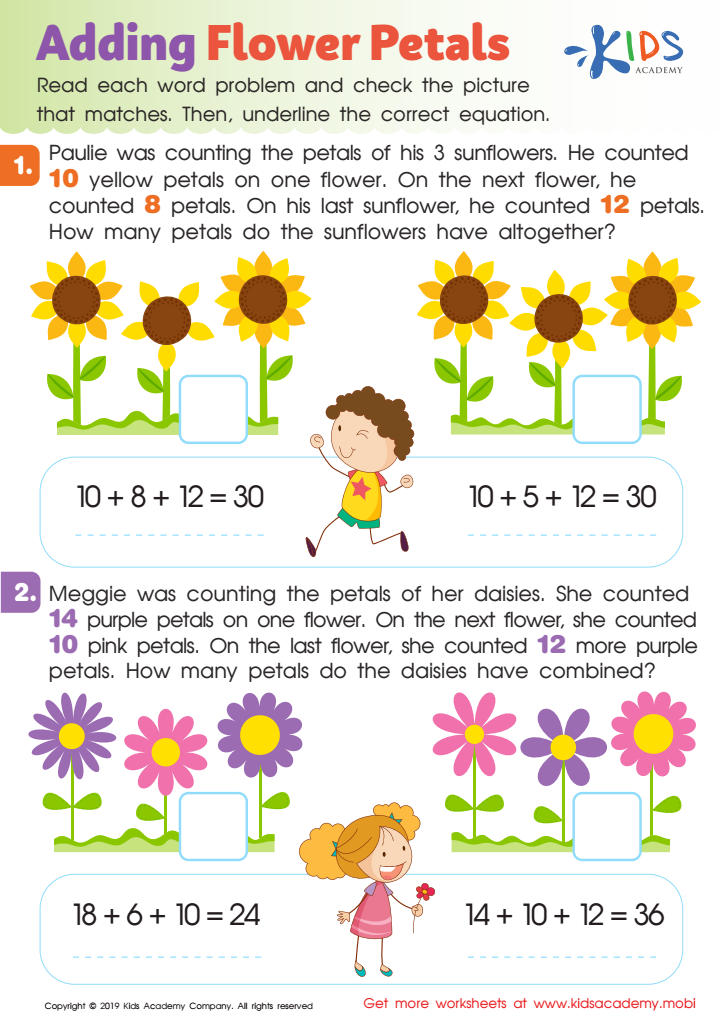
Adding Flower Petals Worksheet
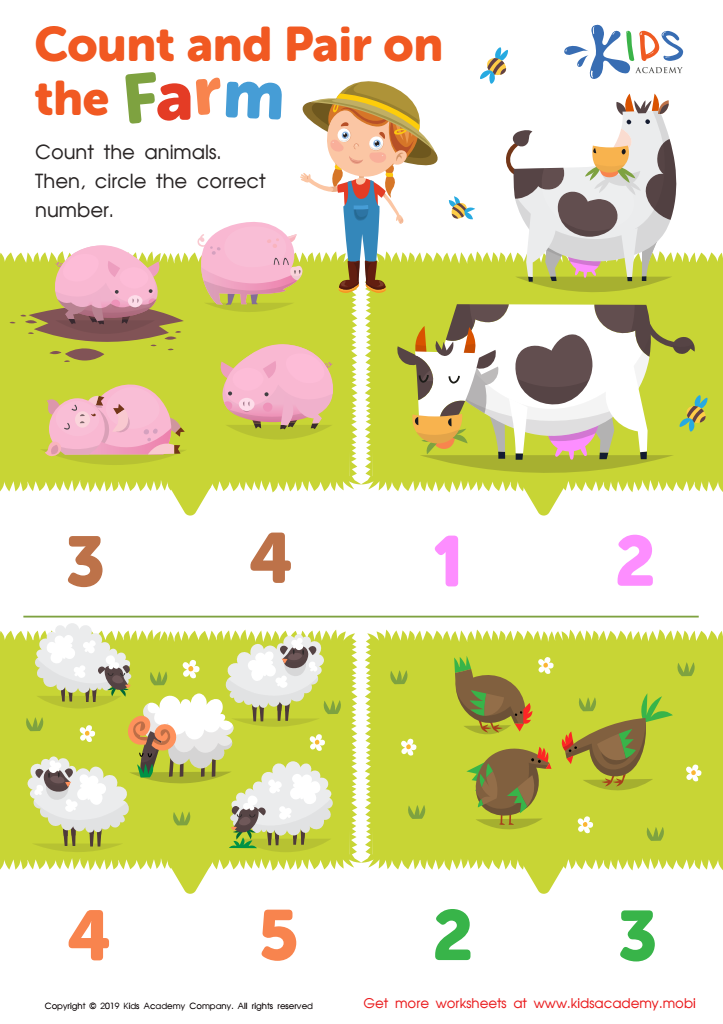
Count and Pair on the Farm Worksheet
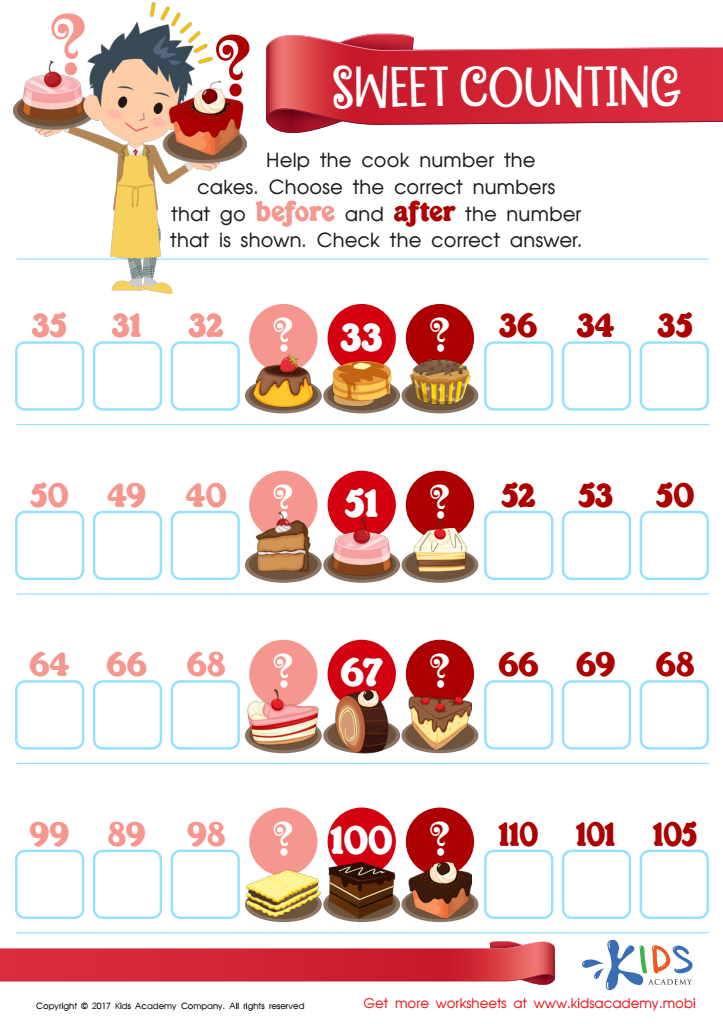
Sweet Counting - Part 1 Worksheet
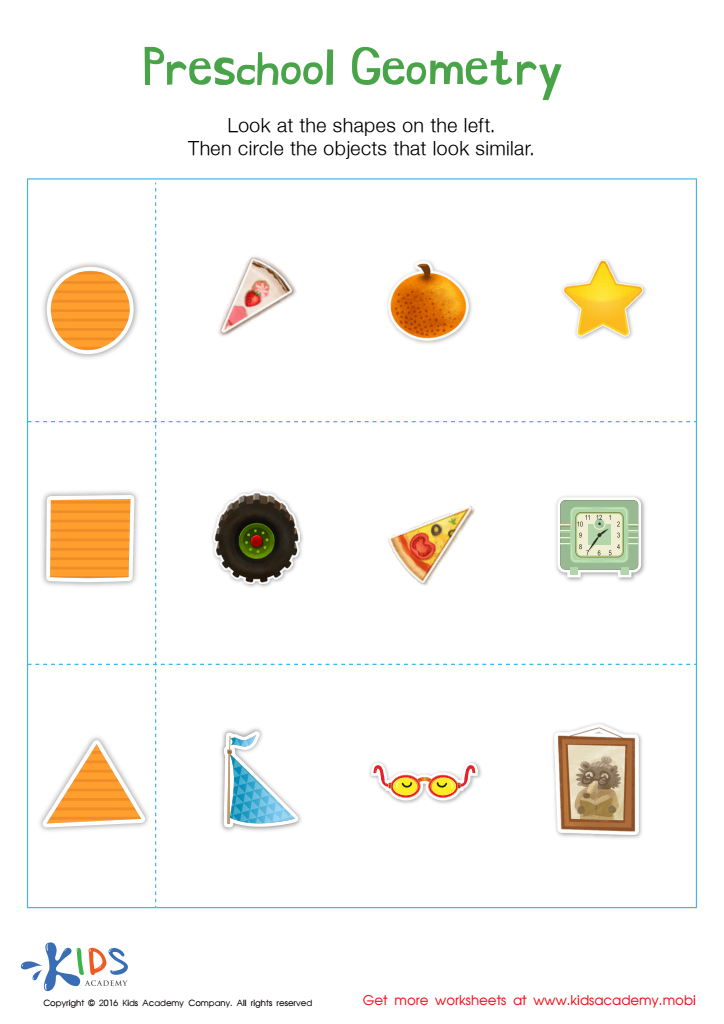
Preschool Geometry Match Up Worksheet
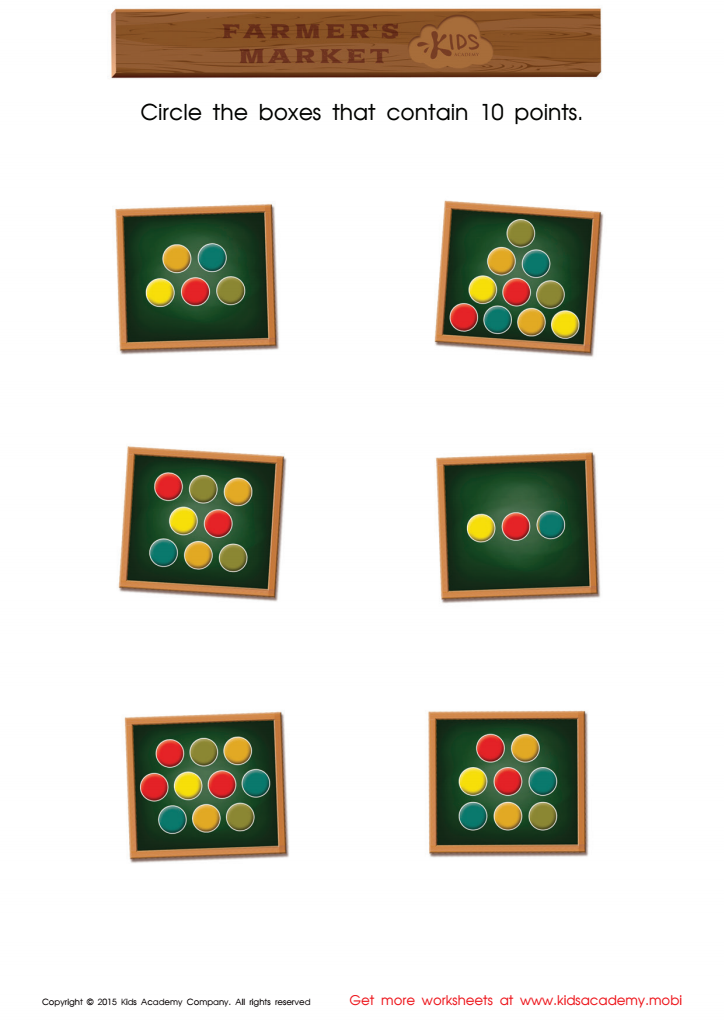
Count and Match Points 10 Math Worksheet
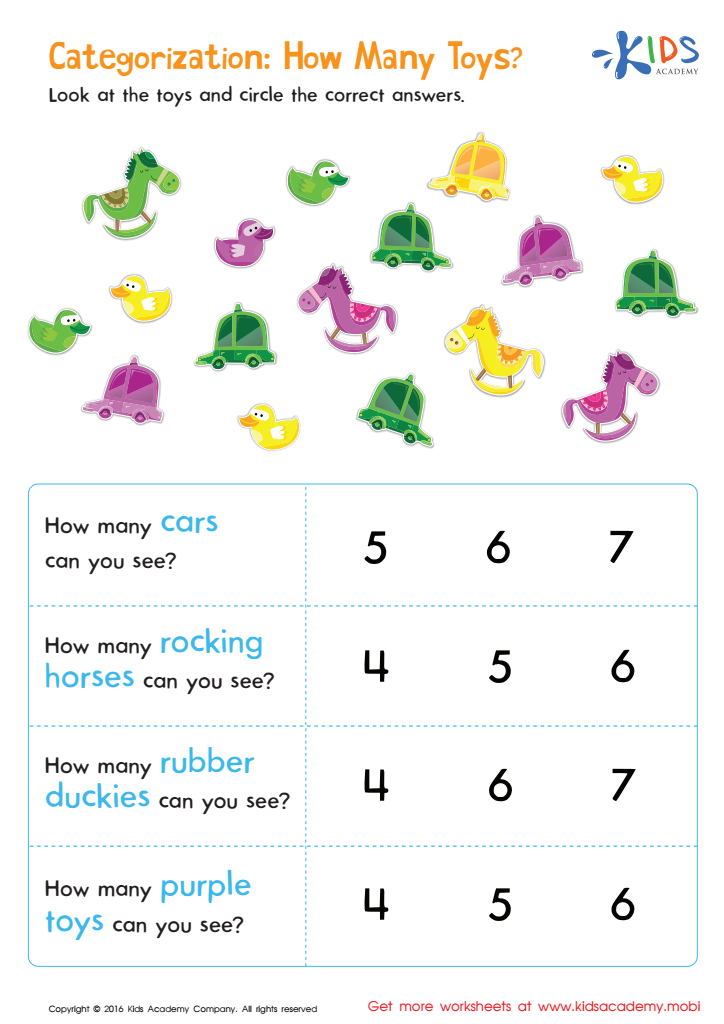
Classifying Toys by Type and Color Sorting Worksheet
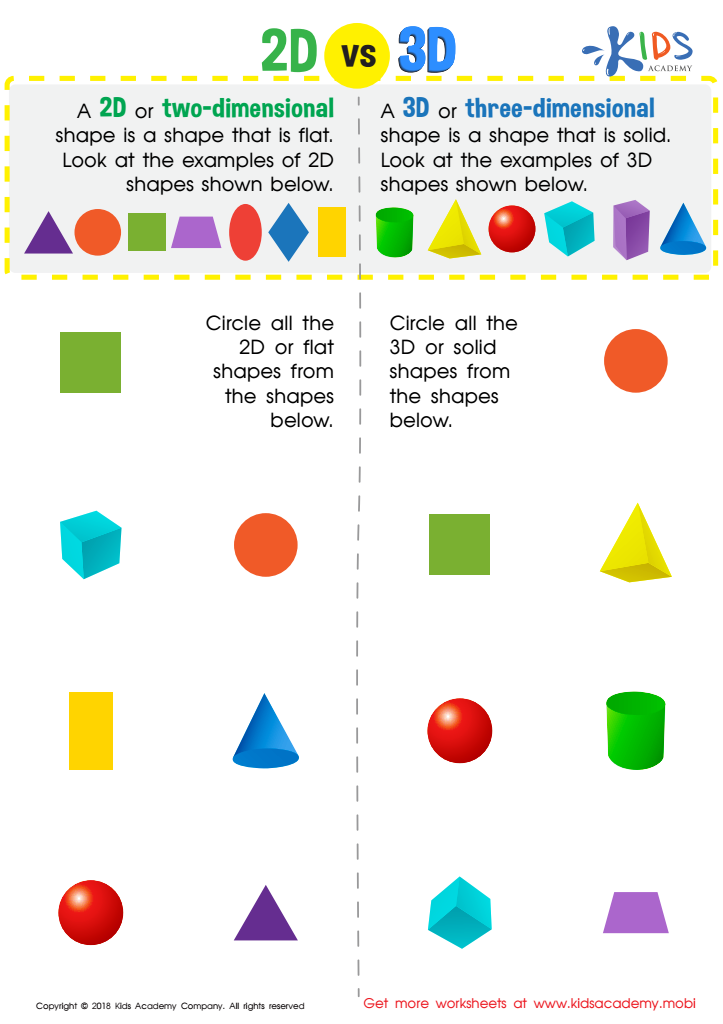
2D vs 3D Shapes Worksheet
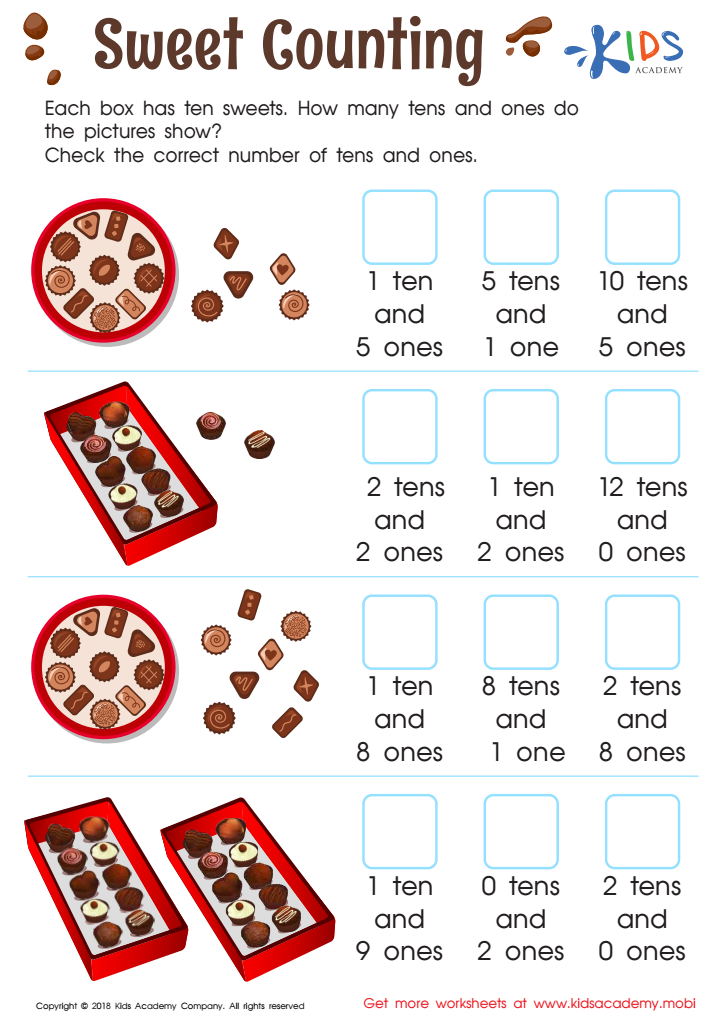
Sweet Counting - Part 2 Worksheet
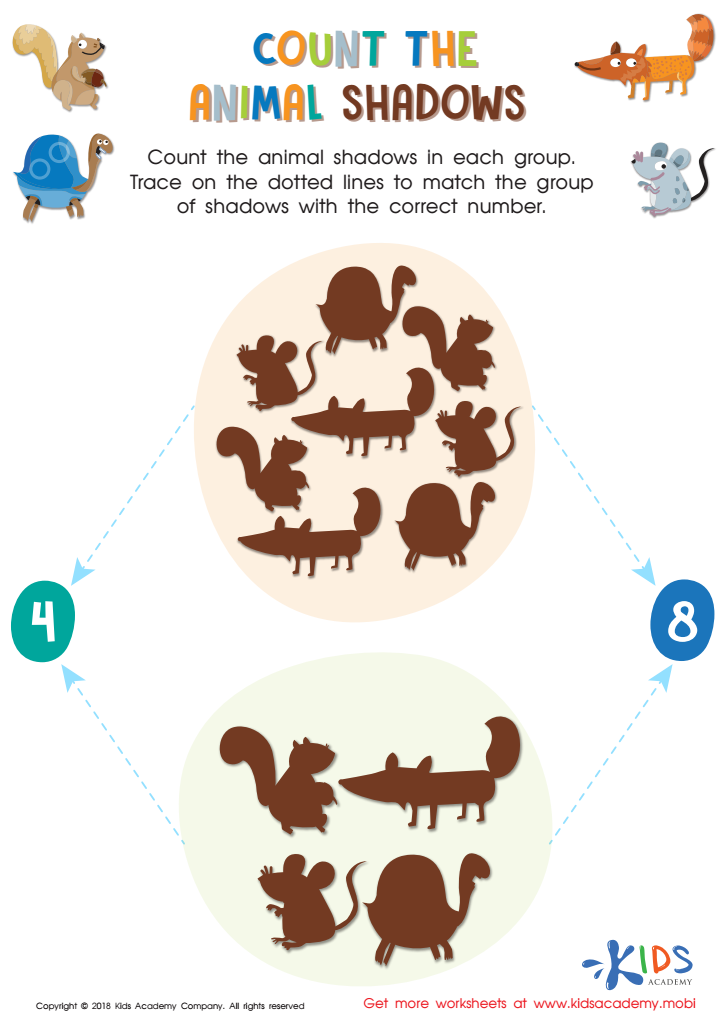
Count the Animal Shadows Worksheet
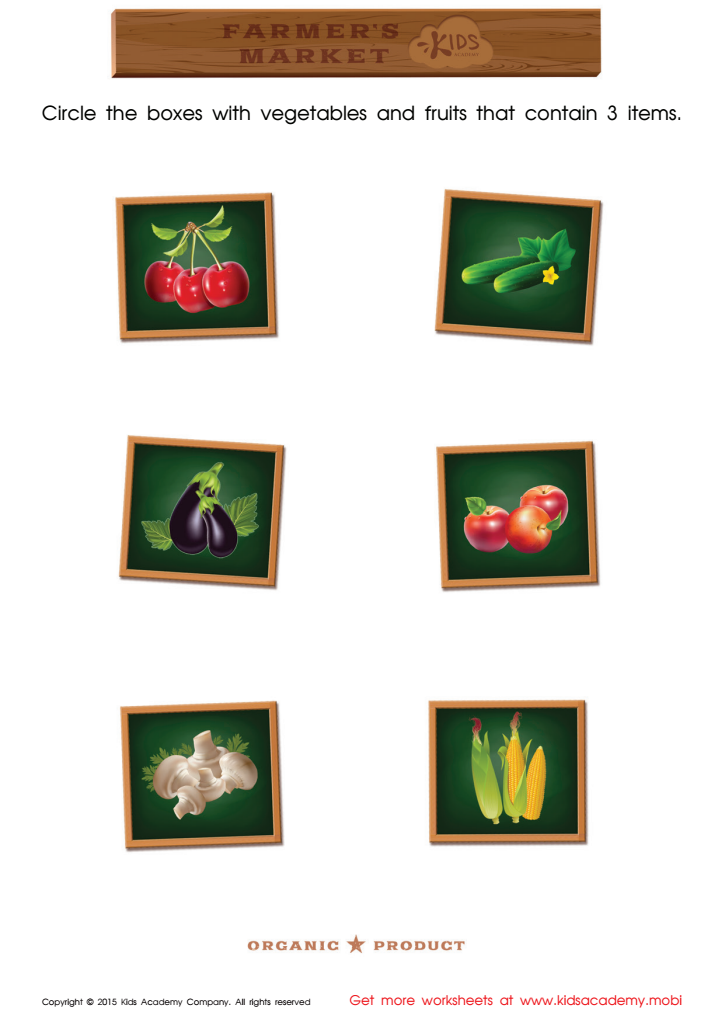
Count and Match Vegetables 1 – 5 Math Worksheet






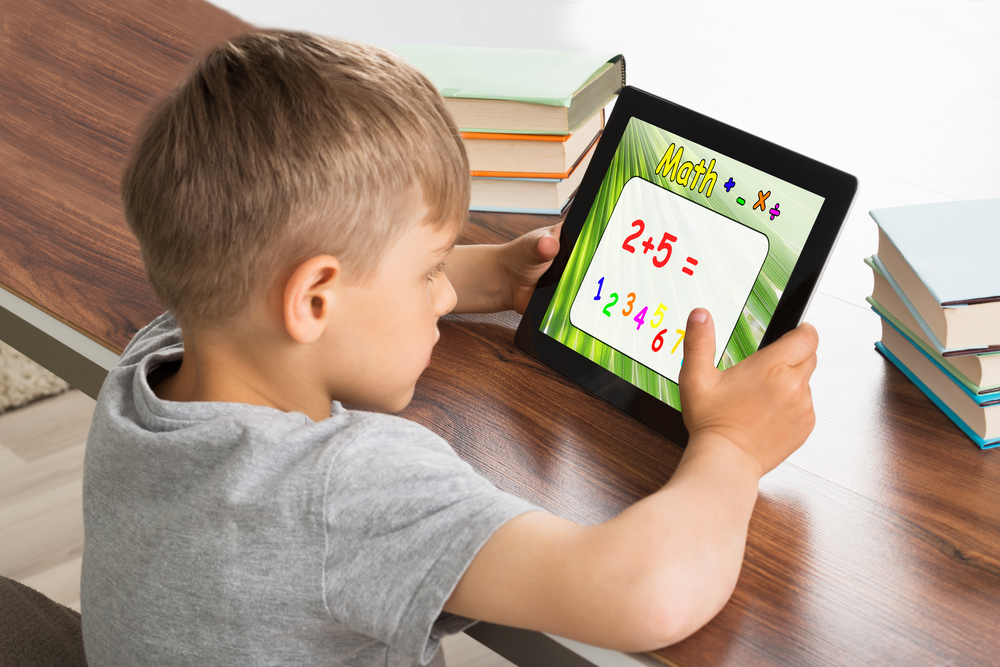

Visual perception plays a crucial role in a child's development, particularly in their ability to learn mathematics effectively. For six-year-olds, who are at the height of their formative years, understanding concepts such as shape recognition, spatial relationships, and patterns is foundational for mathematics. When children can accurately perceive and interpret visual information, they can compare quantities, recognize numbers, and solve problems more efficiently.
Parents and teachers should care about visual perception normal math as it directly influences a child's confidence and engagement with math. Children who can readily identify and manipulate shapes and numerical representations are more likely to develop a positive disposition towards math, leading to better academic outcomes in the future. Furthermore, visual perception activities enhance critical thinking, reasoning, and problem-solving skills—essential qualities not only in math but in daily life.
Support for activities that promote visual perception can involve engaging games, puzzles, and hands-on learning experiences that make math fun. By nurturing these visual skills early on, parents and teachers are equipping children with essential tools that foster academic success and promote lifelong learning in mathematics and beyond. Ultimately, investing in a child’s visual perception is investing in their overall cognitive development and love for learning.








