Visual perception improvement Normal Math Worksheets for 6-Year-Olds
4 filtered results
-
From - To
Enhance your child's learning experience with our specialized Visual Perception Improvement Normal Math Worksheets designed for 6-year-olds! These engaging, printable worksheets are tailored to boost essential visual processing skills while making math fun and interactive. They feature a variety of exercises that encourage children to identify patterns, visualize shapes, and improve spatial awareness. Perfect for boosting confidence and ensuring a solid foundation in math concepts, our materials align with early childhood education standards. Help your child excel in math while developing vital visual perception skills! Discover the joy of learning through our thoughtfully designed worksheets today!
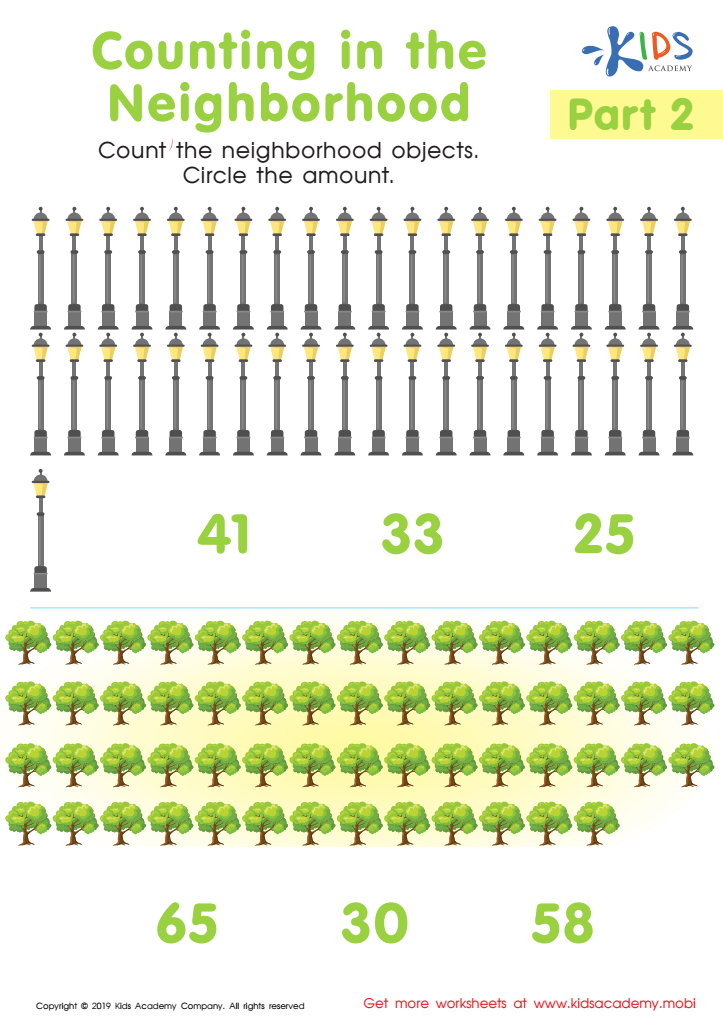
Counting In The Neighborhood Part 2 Worksheet
 Assign to My Students
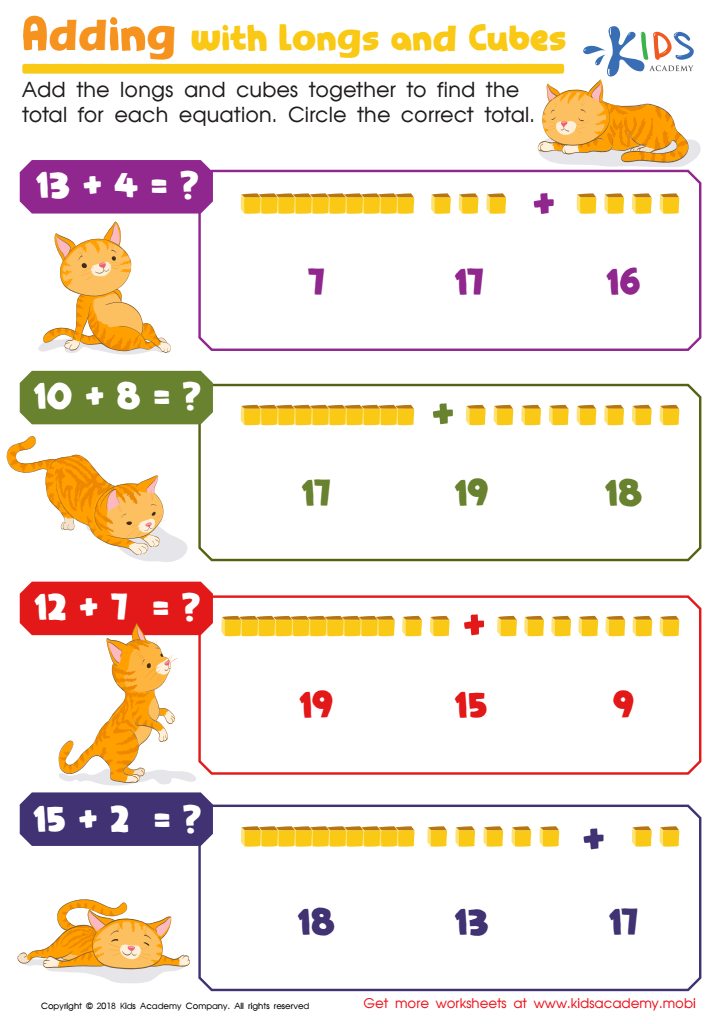
Adding With Longs and Cubes Worksheet
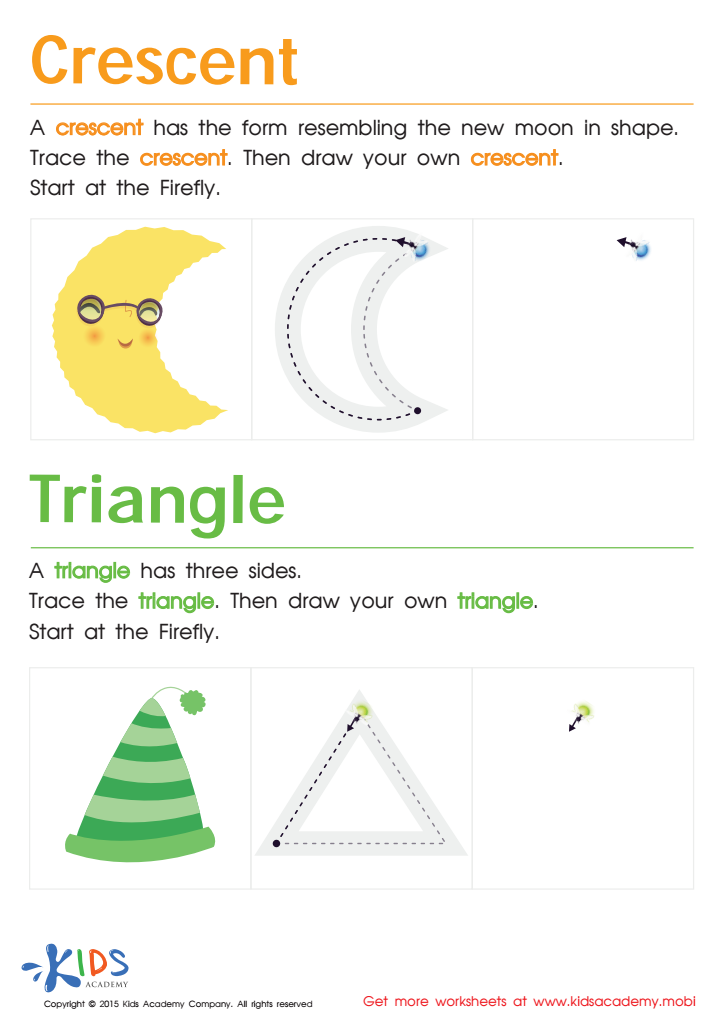
Learning to Draw Crescents And Triangles Worksheet
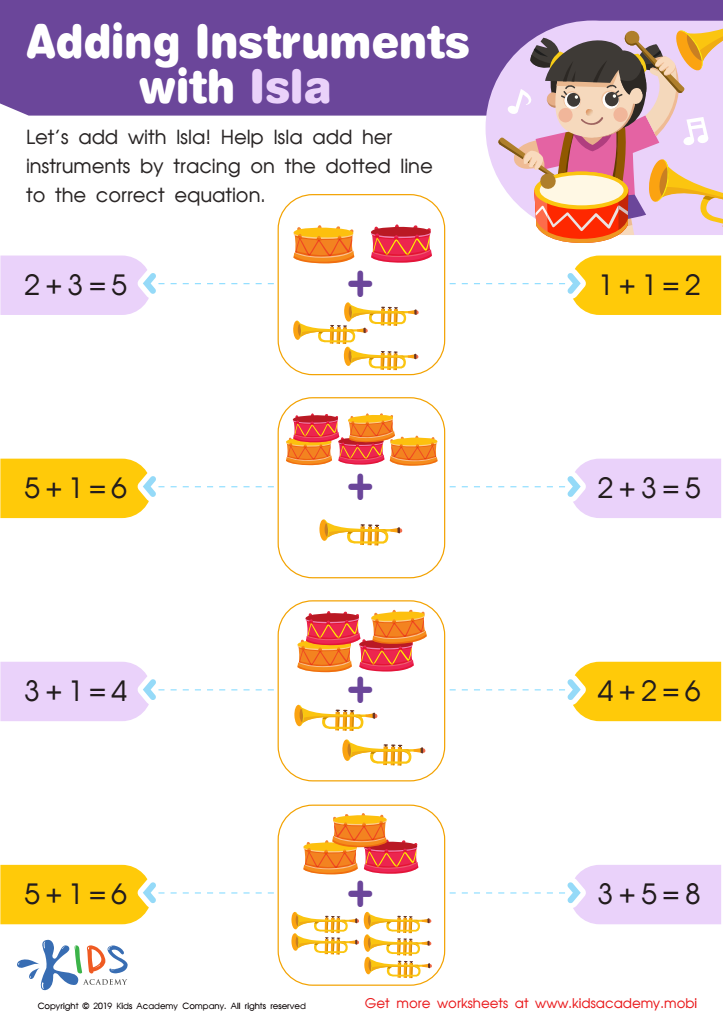
Adding Instruments with Isla Worksheet








Parents and teachers should prioritize visual perception improvement in 6-year-olds for several reasons. Firstly, visual perception is crucial for early math skills, such as recognizing numbers, understanding shapes, and comprehending spatial relationships. Children with strong visual perception can better interpret visual information, which enhances their ability to solve mathematical problems.
Secondly, early math proficiency can boost a child’s confidence and enthusiasm for learning. By investing in activities that strengthen visual perception, adults can help children become more adept at math, allowing them to grasp concepts more easily, thus fostering a love for the subject.
Additionally, visual perception skills play a vital role not just in academics but also in daily life tasks, such as reading and writing. When combined with math, solid visual skills support overall cognitive development.
Furthermore, children often develop foundational life skills such as critical thinking, problem-solving, and creativity through engaging math-related activities that require visual reasoning. Recognizing the importance of visual perception improvement in early education empowers parents and teachers to provide targeted support, ultimately leading to a more successful educational experience for young learners. By nurturing these foundational skills, parents and teachers lay the groundwork for a lifetime of academic achievement and lifelong learning.








