Vocabulary enhancement Normal Building Vocabulary Worksheets for 6-Year-Olds
20 filtered results
-
From - To
Dive into the world of vocabulary enhancement with our engaging worksheets tailored for 6-year-olds! These fun and interactive activities are designed to help young learners build their language skills and expand their word bank. With vibrant illustrations and age-appropriate exercises, children will explore new vocabulary through matching, filling in the blanks, and practicing usage in sentences. Our worksheets foster a love for learning and encourage critical thinking, making vocabulary building an enjoyable experience. Whether in the classroom or at home, these resources are perfect for enhancing literacy skills and boosting confidence in young readers. Start your child's vocabulary journey today!
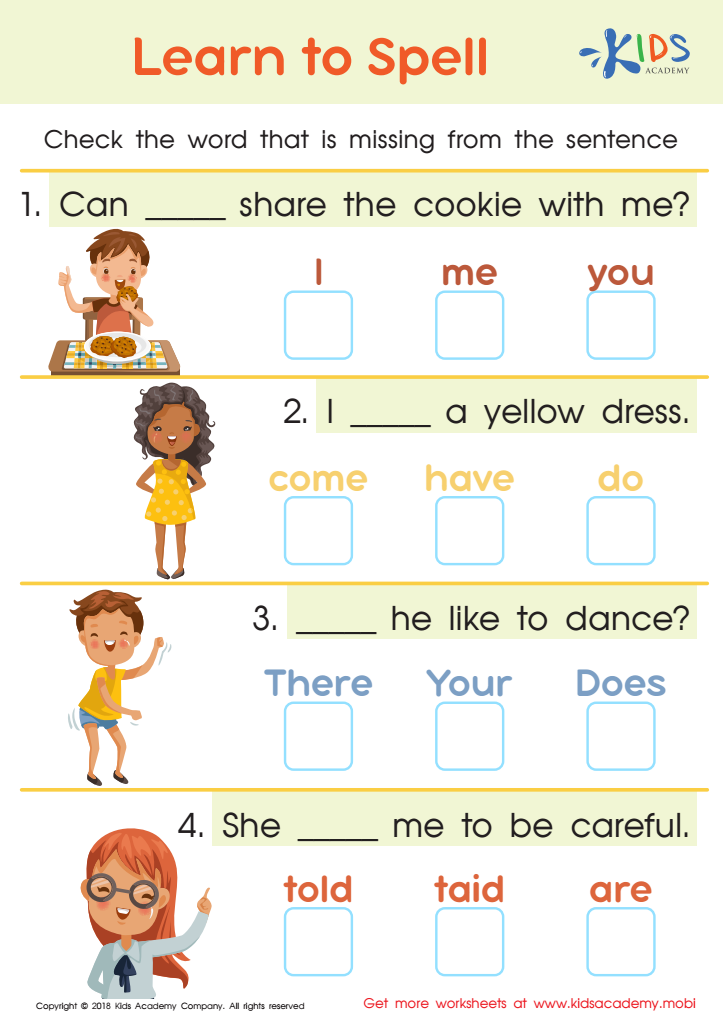
Learn to Spell Worksheet
 Assign to My Students











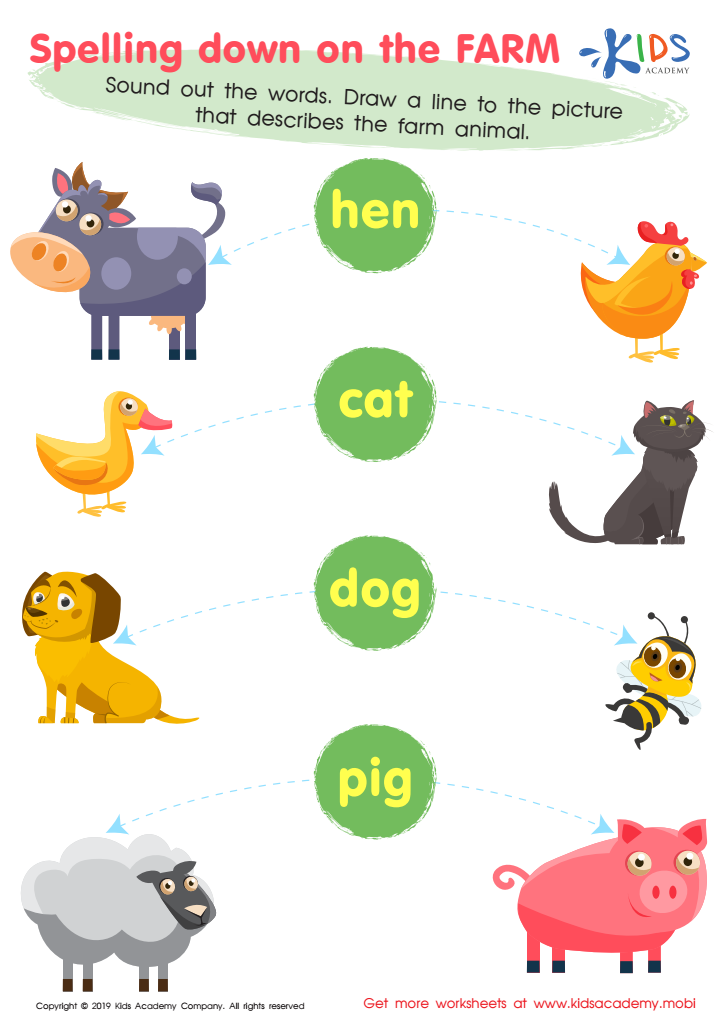
Spelling Down on the Farm Worksheet
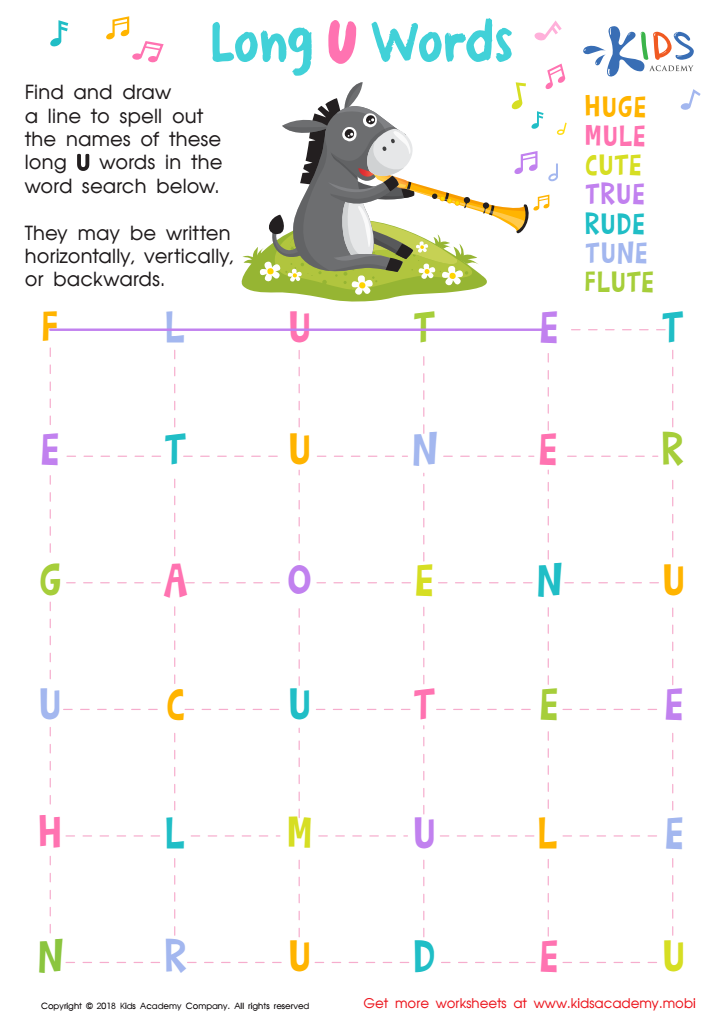
Long /u/ Words Worksheet
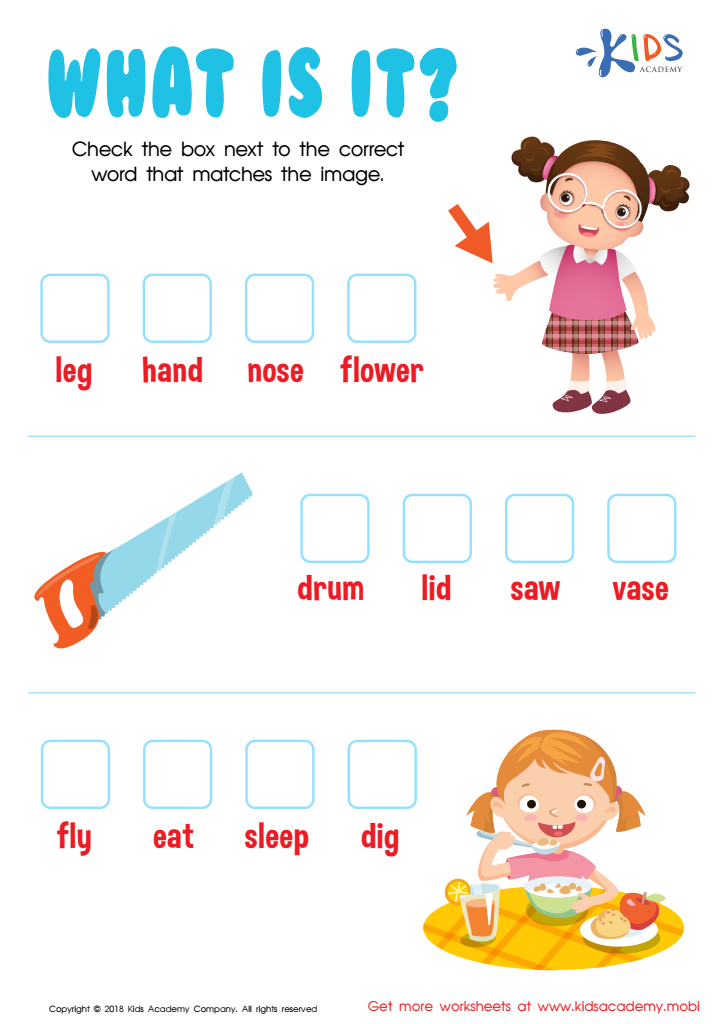
What Is It? Worksheet
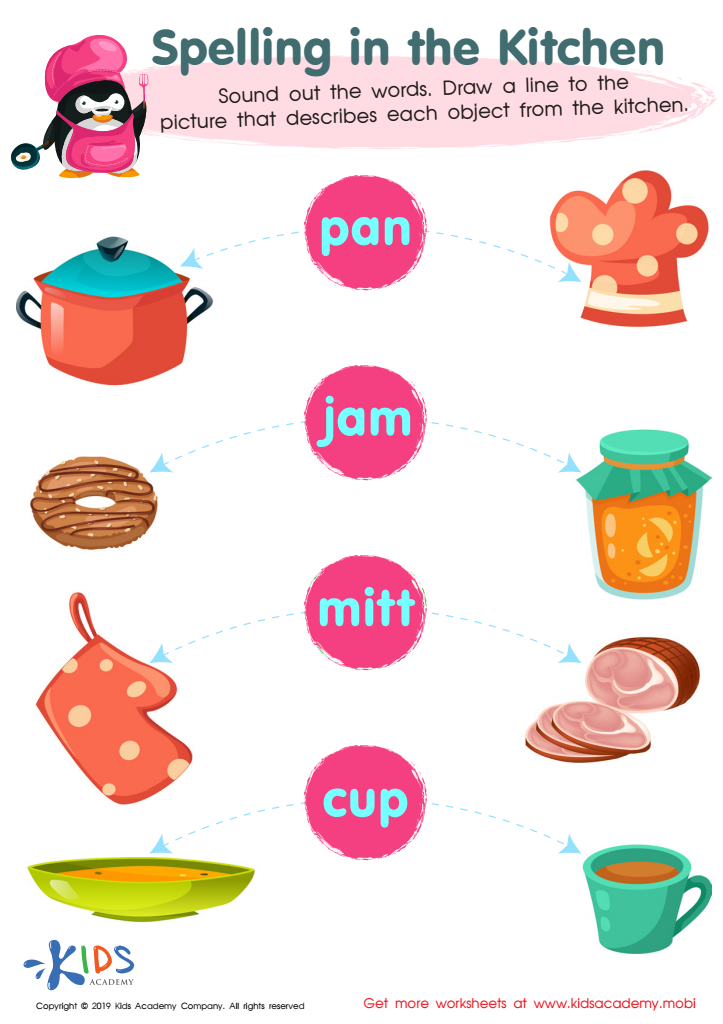
Spelling in the Kitchen Worksheet
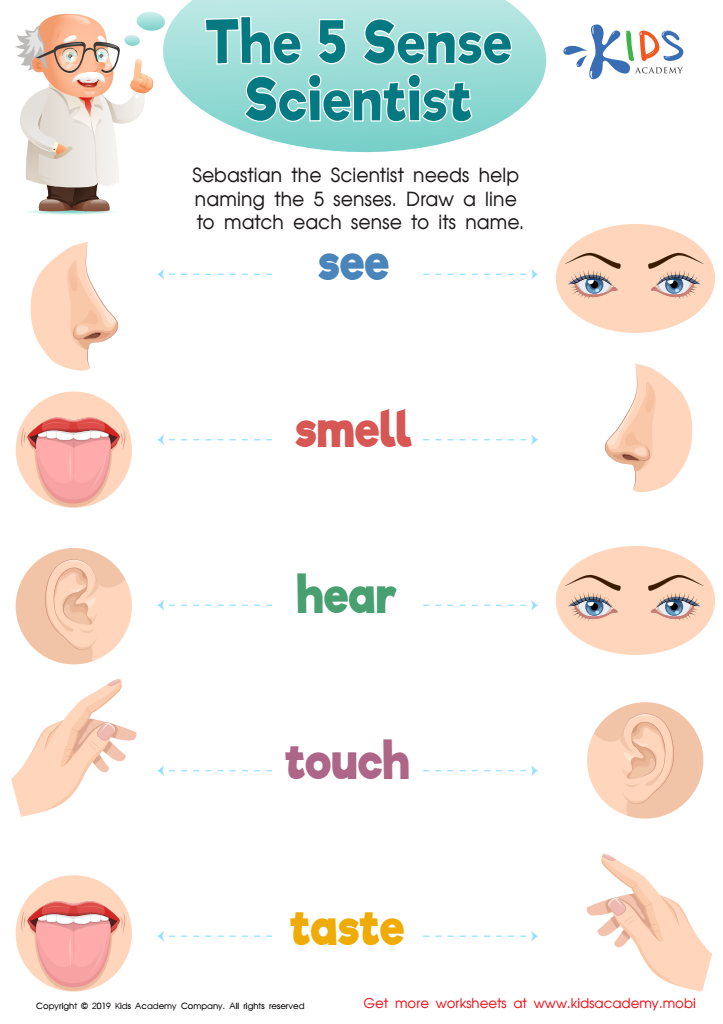
The 5 Sense Scientist Worksheet
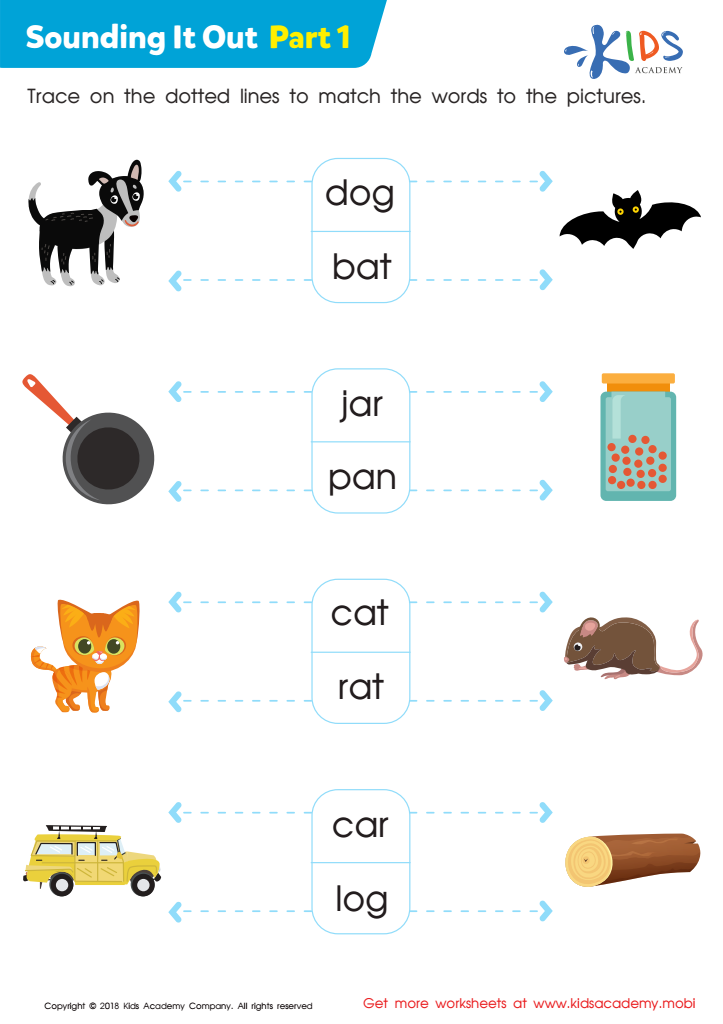
Sounding it Out: Part 1 Worksheet
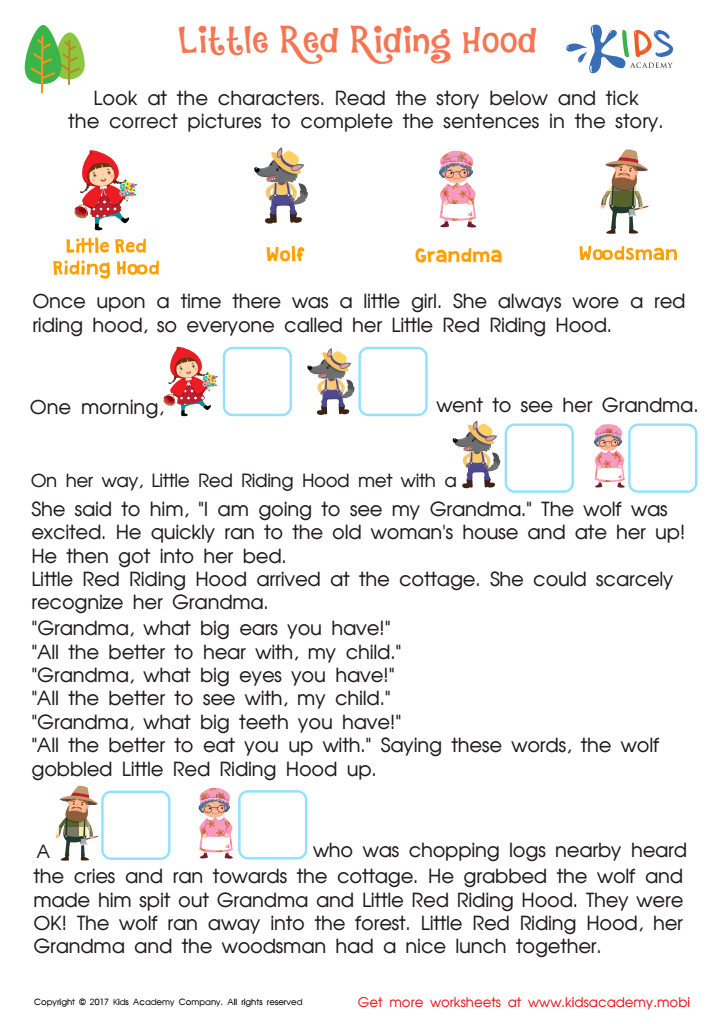
Little Red Riding Hood Printable
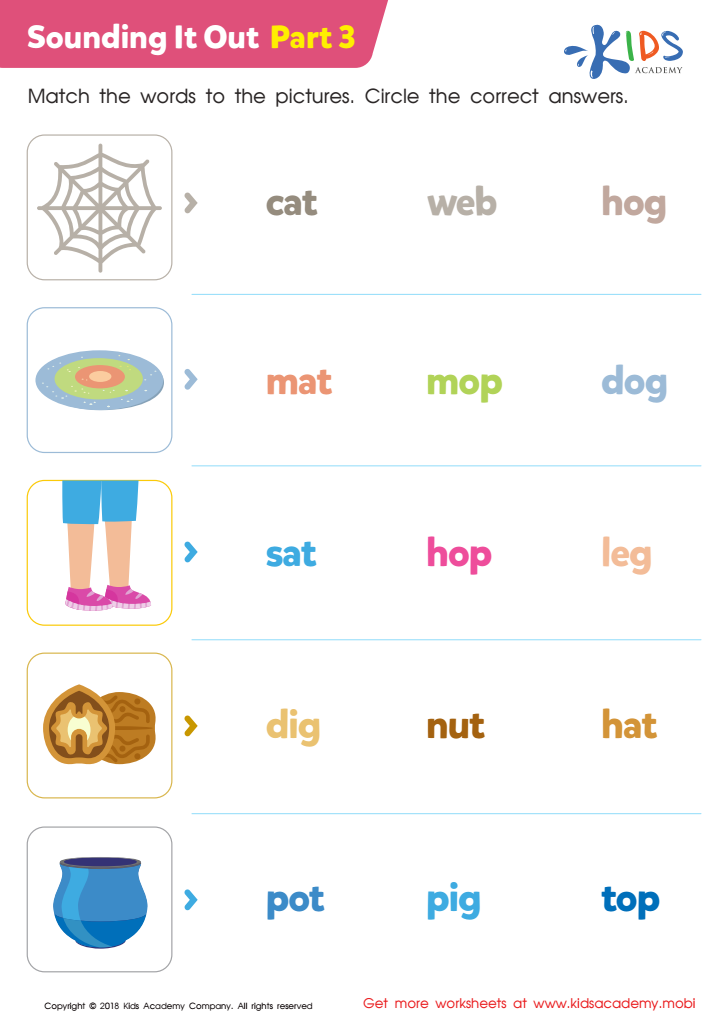
Sounding it Out: Part 3 Worksheet
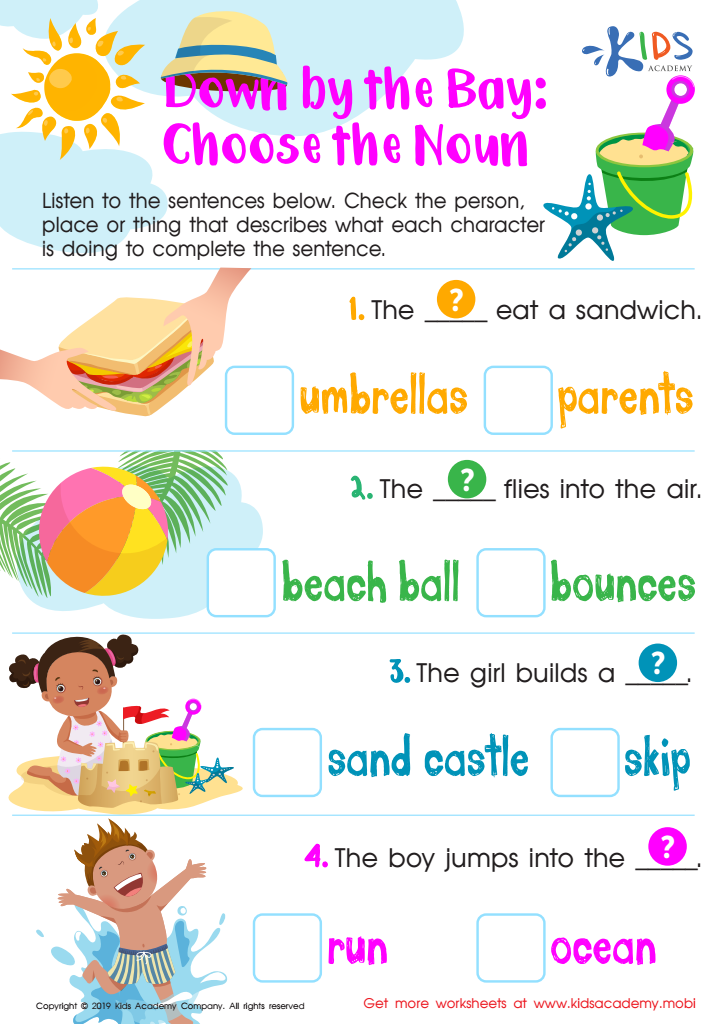
Down by the Bay: Choose the Noun Worksheet
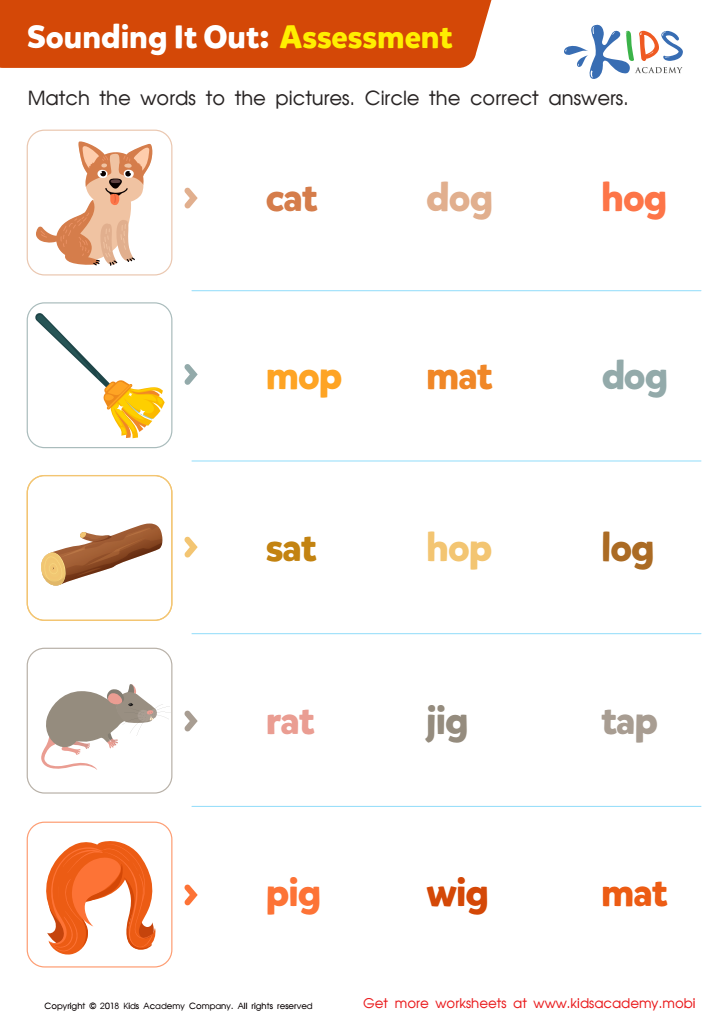
Sounding it Out: Assessment Worksheet
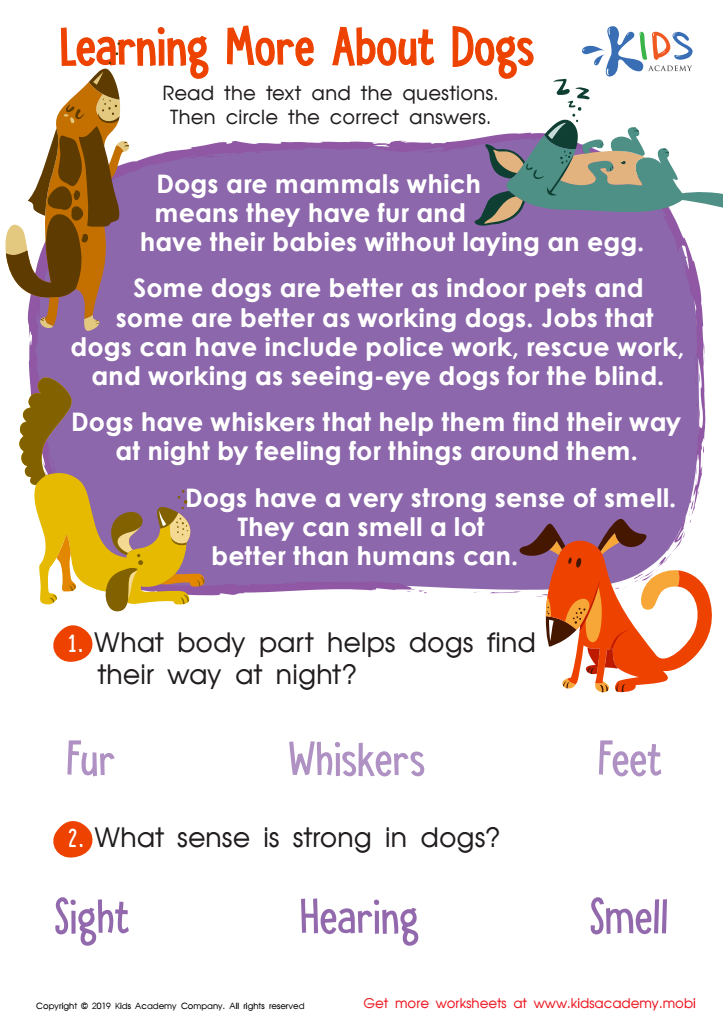
Learning More About Dogs Worksheet
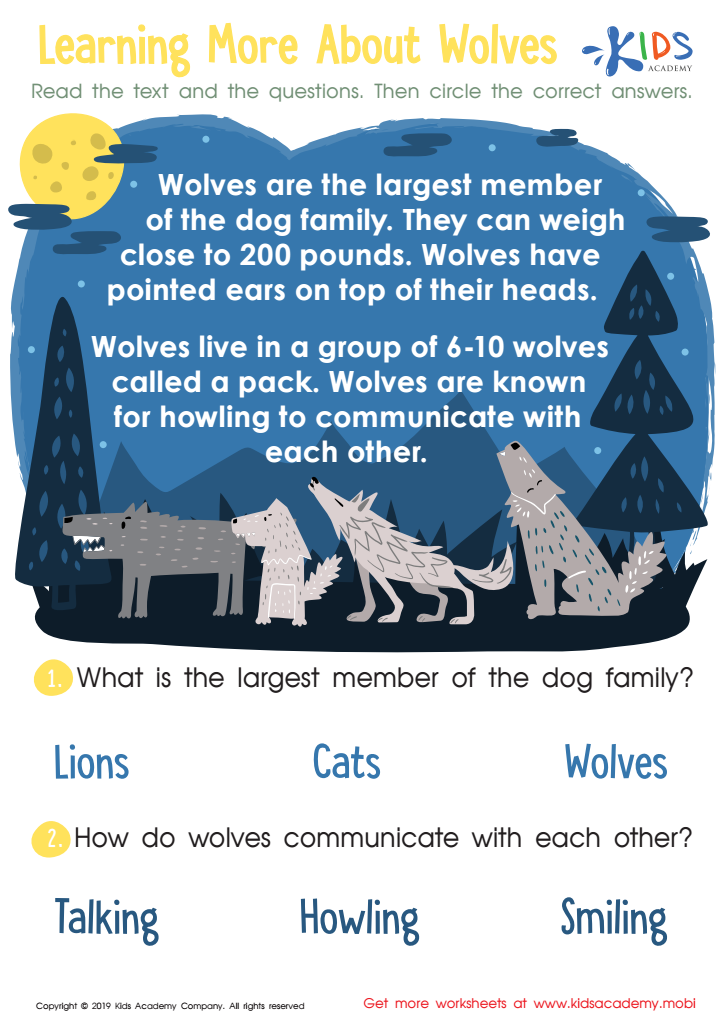
Learning More About Wolves Worksheet
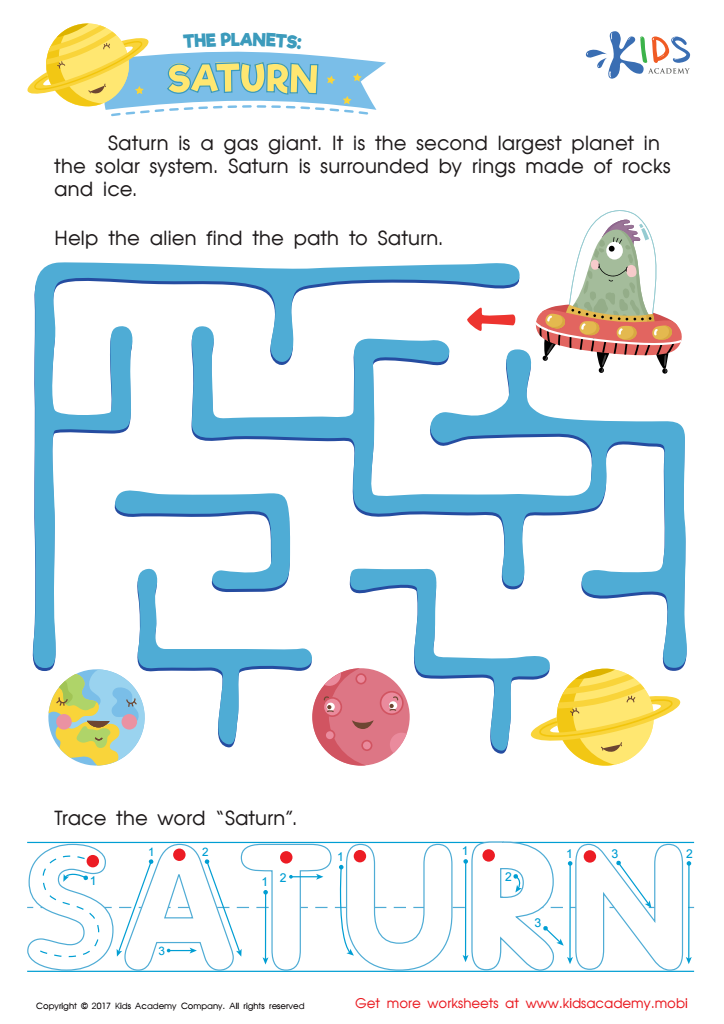
The Planets: Saturn Printable
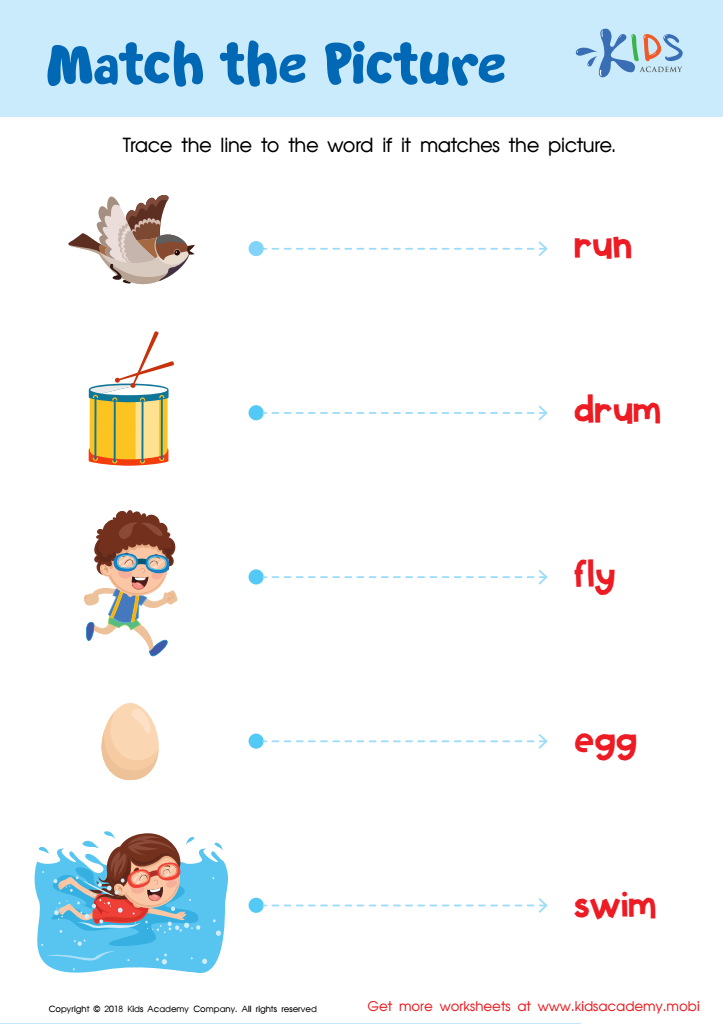
Match the Picture Worksheet
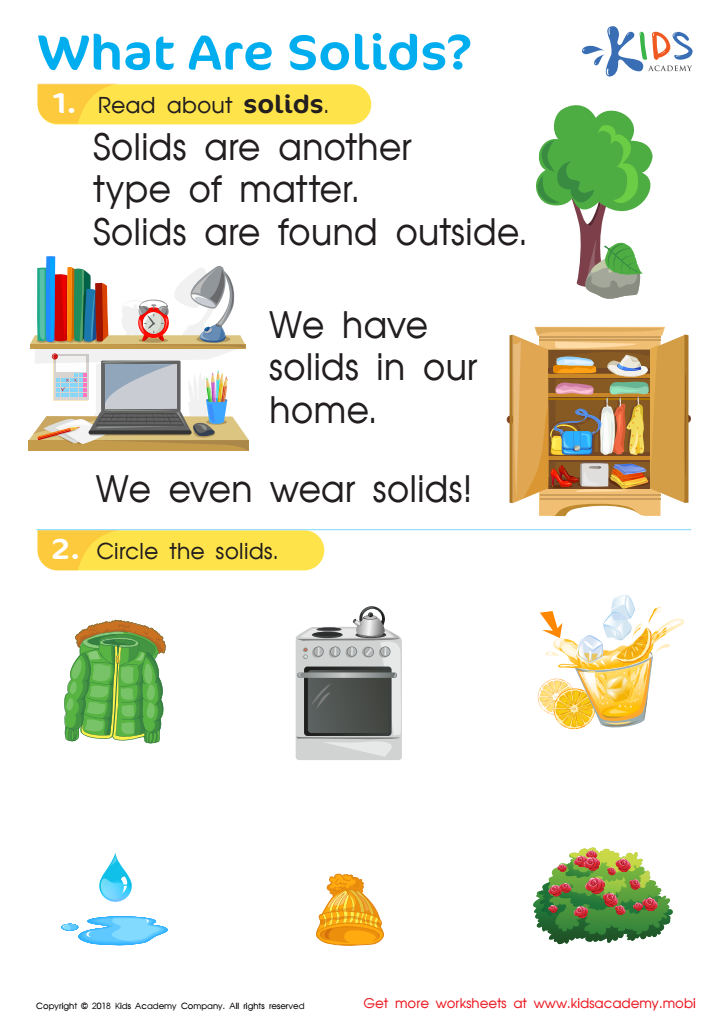
What Are Solids? Worksheet
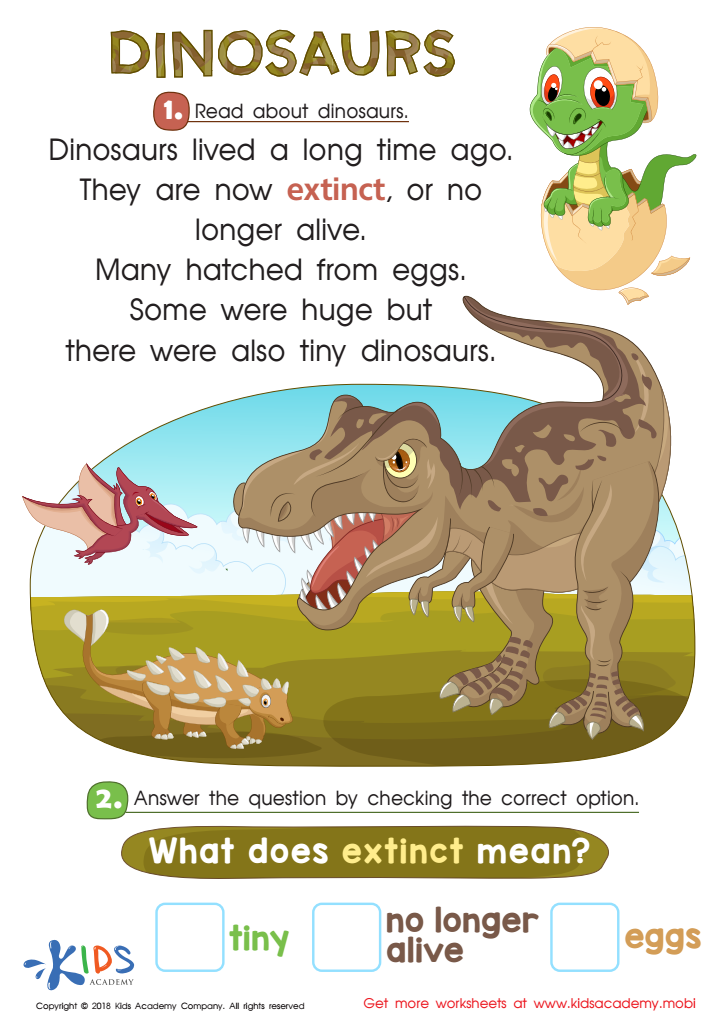
Dinosaurs Worksheet
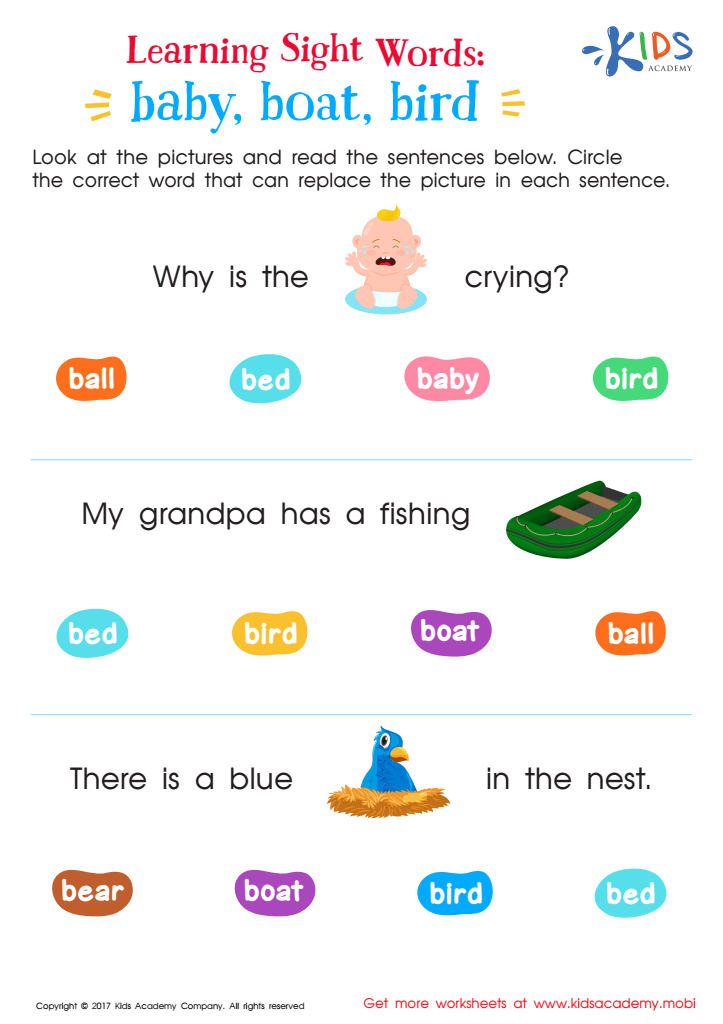
Baby, Boat, Bird Worksheet Sight Words Worksheet
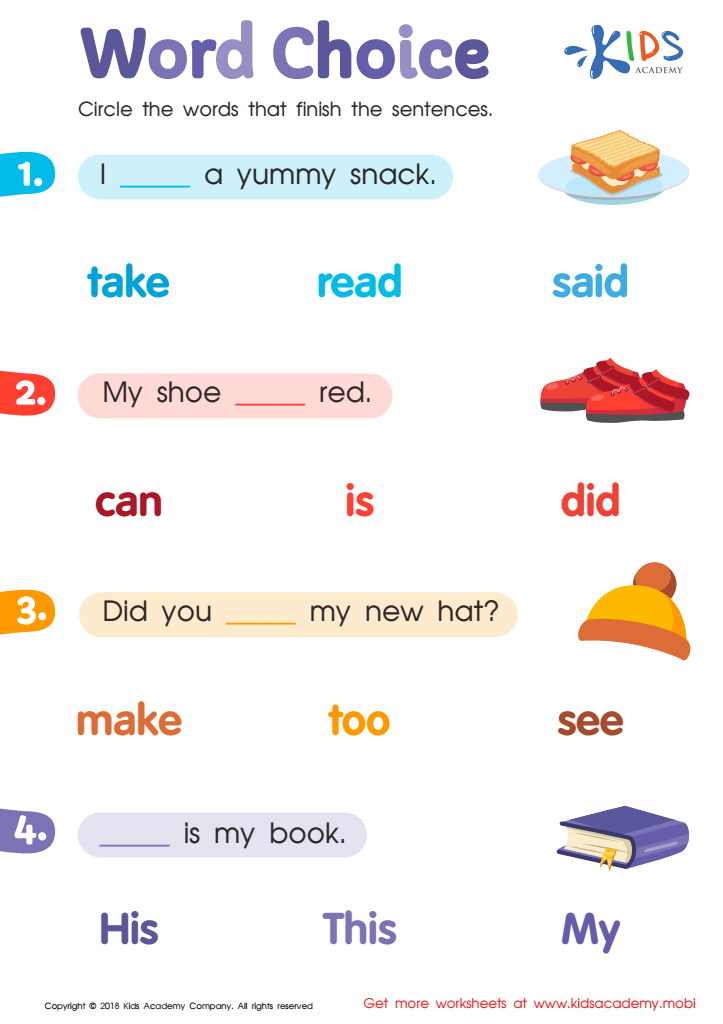
Word Choice Worksheet
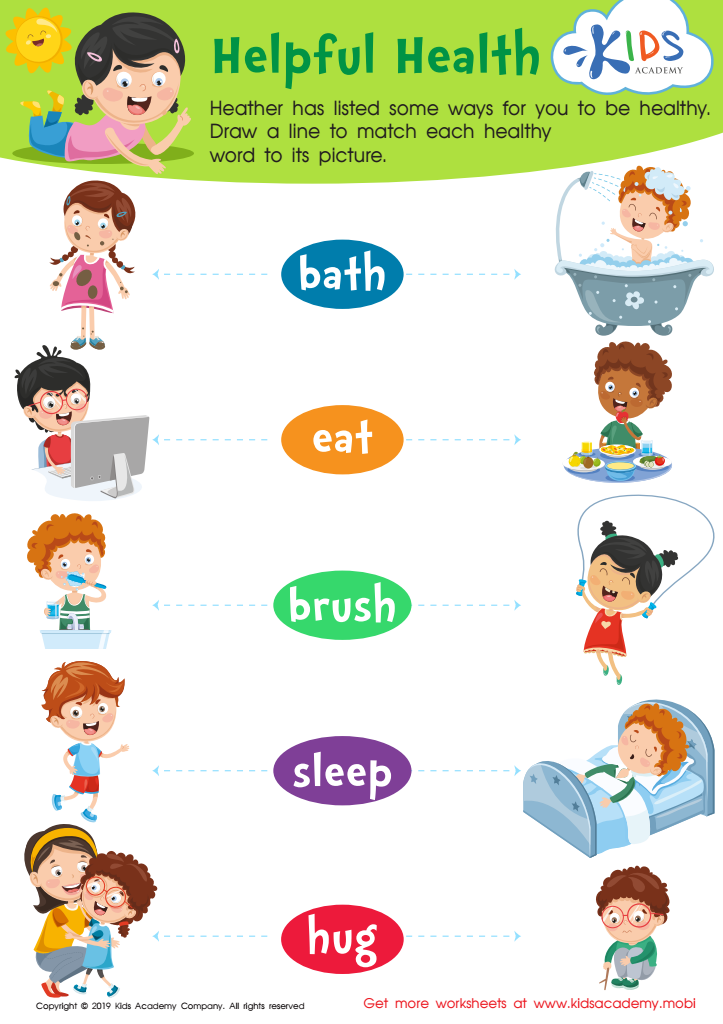
Helpful Health Worksheet


.jpg)





Vocabulary enhancement is crucial for 6-year-olds as it lays the foundation for their overall linguistic development and academic success. This stage of linguistic growth is vital, as children are rapidly acquiring language skills that will influence their abilities in reading, writing, and communication throughout their lives. A strong vocabulary enables children to express their thoughts and feelings clearly, helping them to engage better with peers and adults.
Parents and teachers play a pivotal role in fostering vocabulary enhancement. By introducing new words through reading, conversations, and interactive activities, adults can help children not only learn new terms but also understand their meanings and uses in context. An enriched vocabulary boosts comprehension, making reading more enjoyable and less intimidating for young learners. It also enhances critical thinking and creativity, as well-versed students can connect ideas across subjects.
Furthermore, strong vocabulary skills correlate with greater success in school, affecting literacy assessments and overall academic confidence. When vocabulary is prioritized, children are equipped to tackle challenges in their educational journey. Therefore, both parents and teachers should actively engage in vocabulary-building exercises to ensure that their children develop the skills necessary for lifelong learning and communication.








