Critical Thinking Normal Reading Comprehension Worksheets for 6-Year-Olds
18 filtered results
-
From - To
Our "Critical Thinking Normal Reading Comprehension Worksheets for 6-Year-Olds" are thoughtfully designed to enhance young readers' understanding and analytical skills. Tailored for first graders, these worksheets challenge students to infer, deduce, and make connections beyond the text. Equipped with engaging stories and questions, they promote independent thinking and problem-solving. Perfect for classroom use or at-home practice, our worksheets are crafted to build a strong foundation in critical reading and comprehension. Help your child or students develop crucial literacy skills while fostering a love for reading. Explore our collection and watch their confidence and abilities grow!
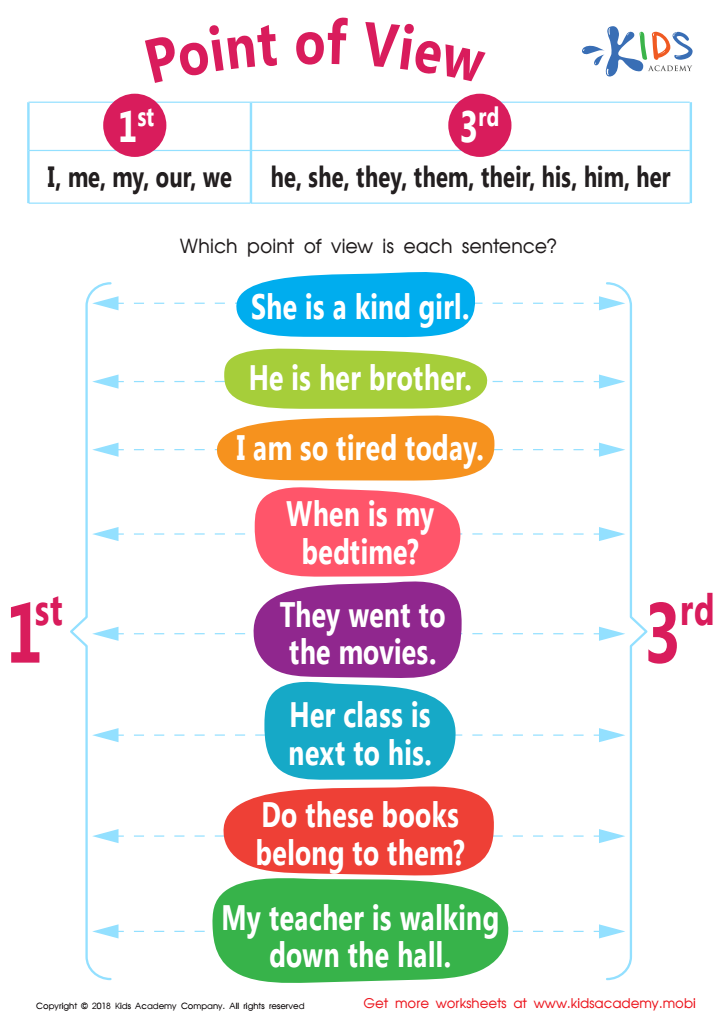
Point of View Worksheet
 Assign to My Students
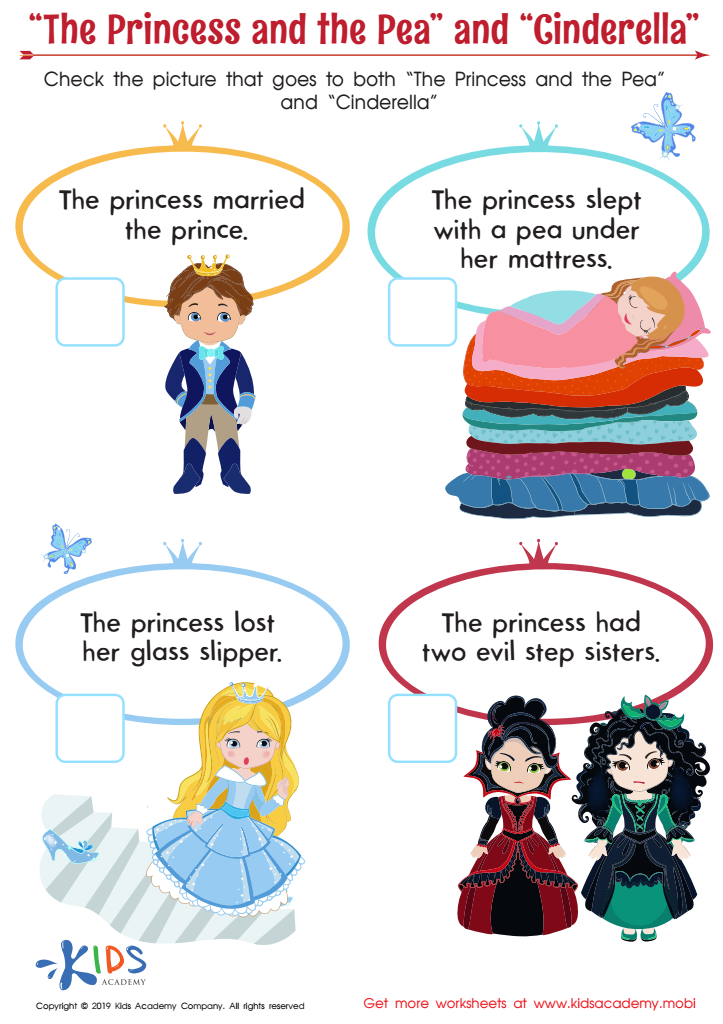
“The Princess and the Pea” and “Cinderella” Worksheet
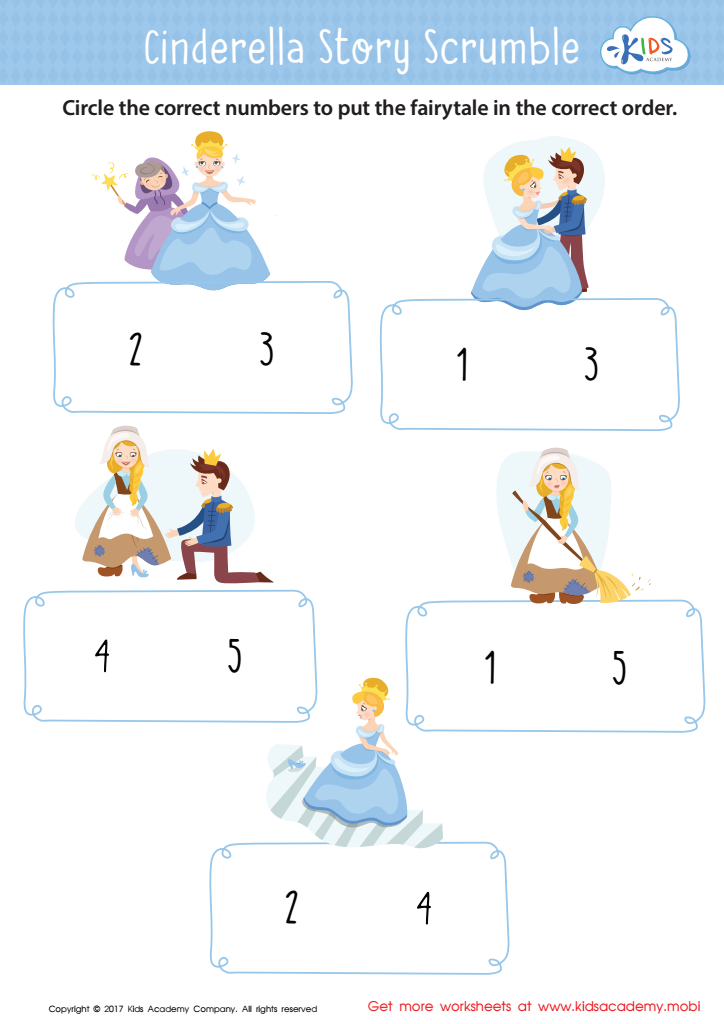
Cinderella Story Sequencing Worksheet
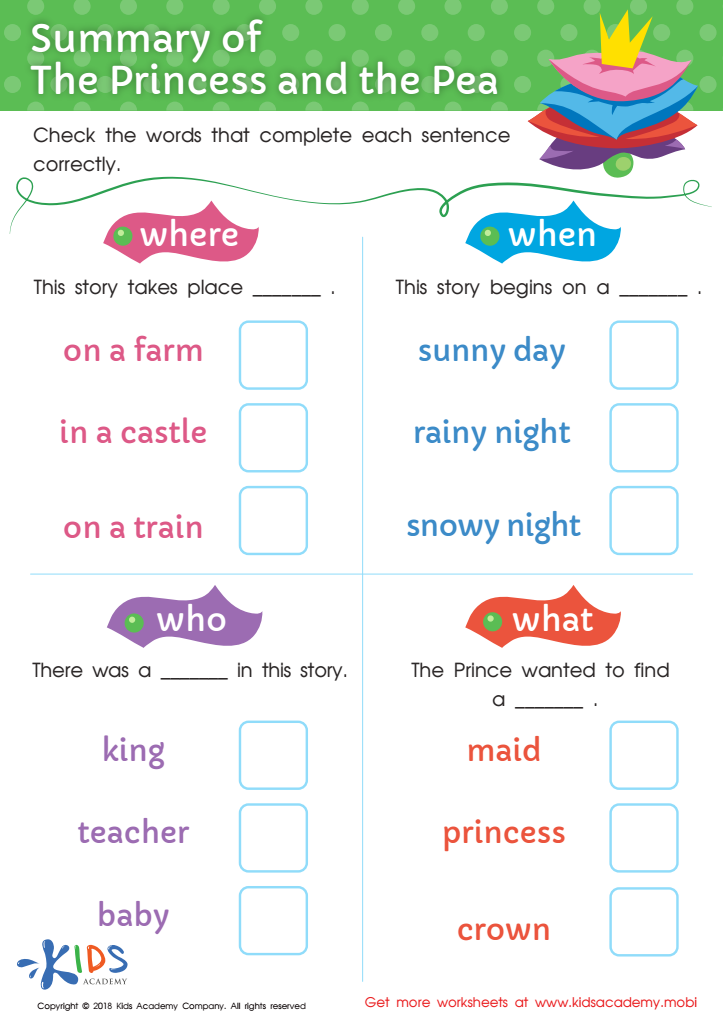
The Summary of the Princess and the Pea Worksheet
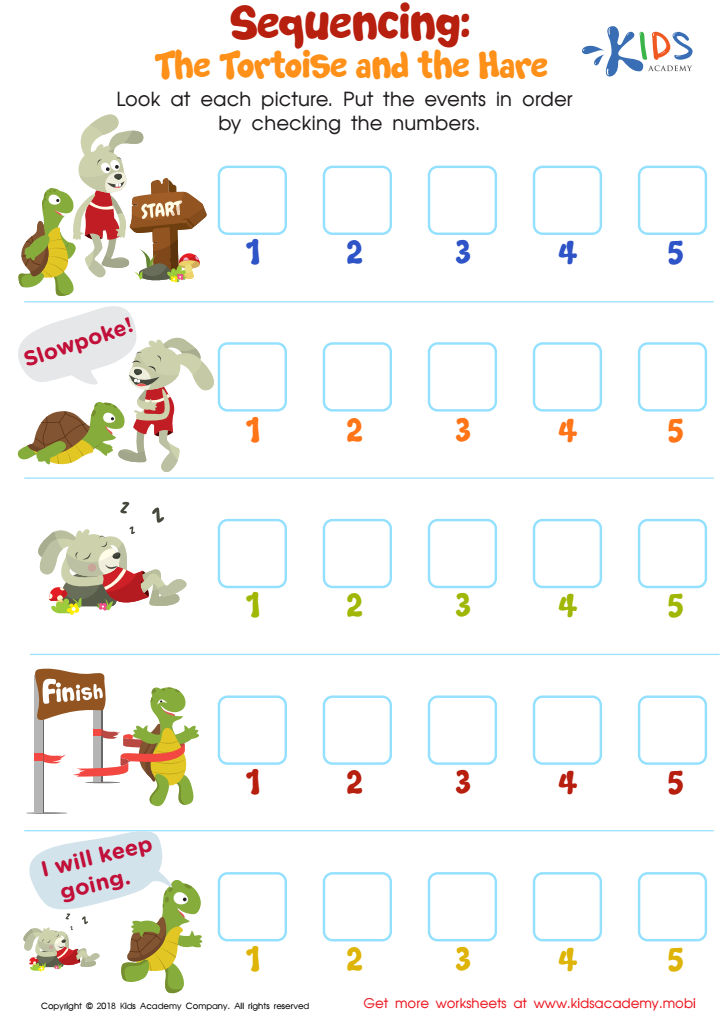
Sequencing: The Tortoise and the Hare Worksheet
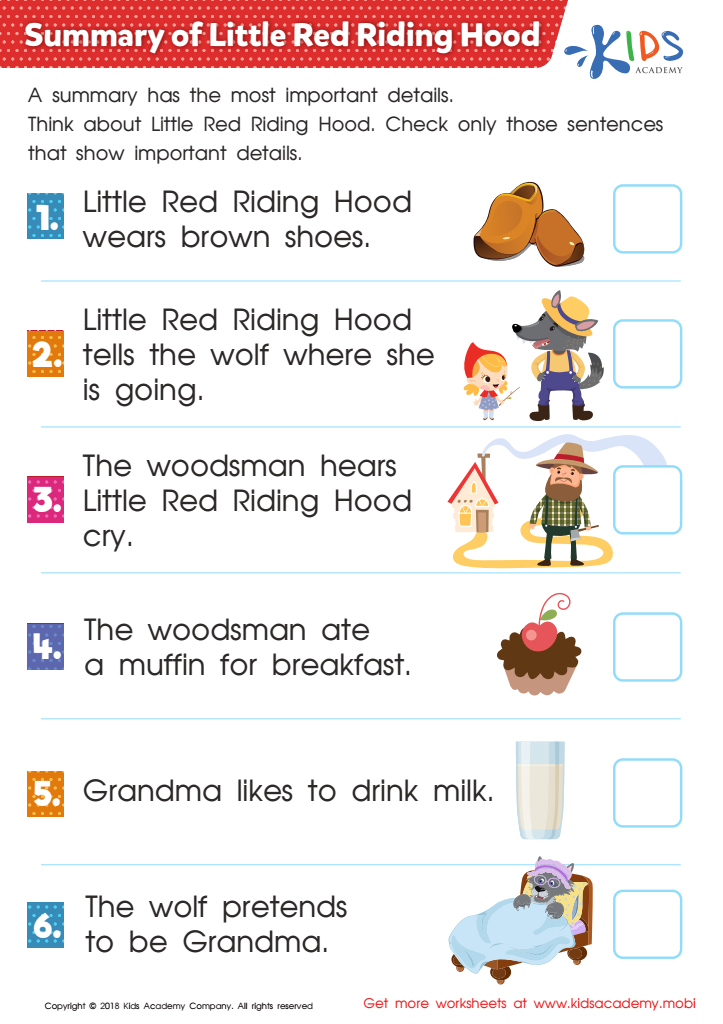
Summary of Little Red Riding Hood Worksheet
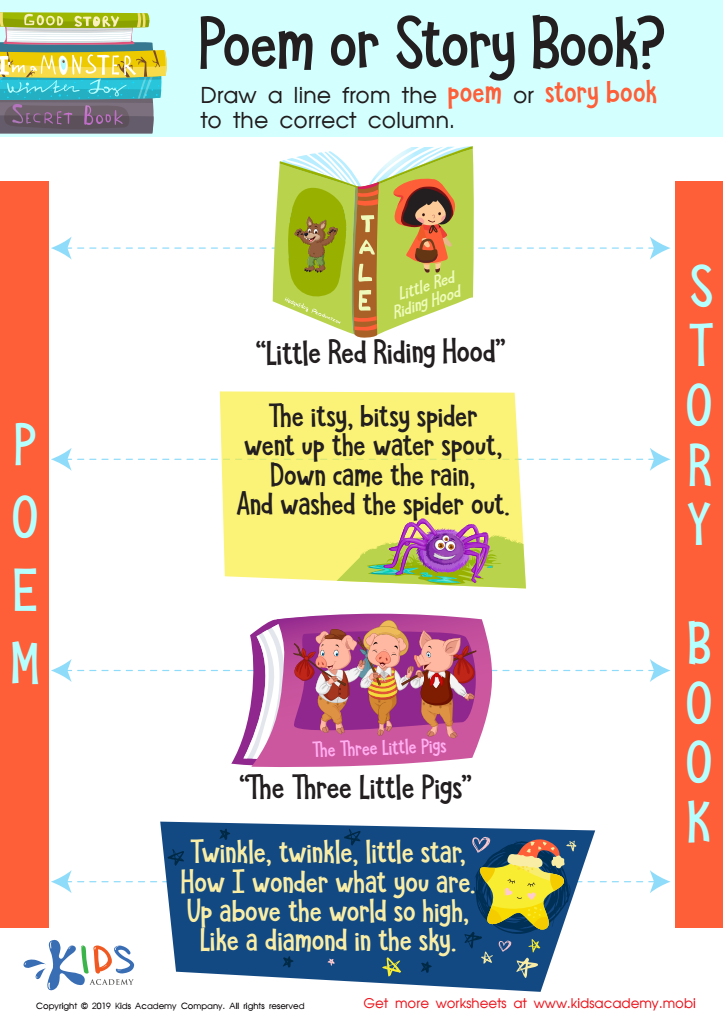
Poem or Story Book? Worksheet
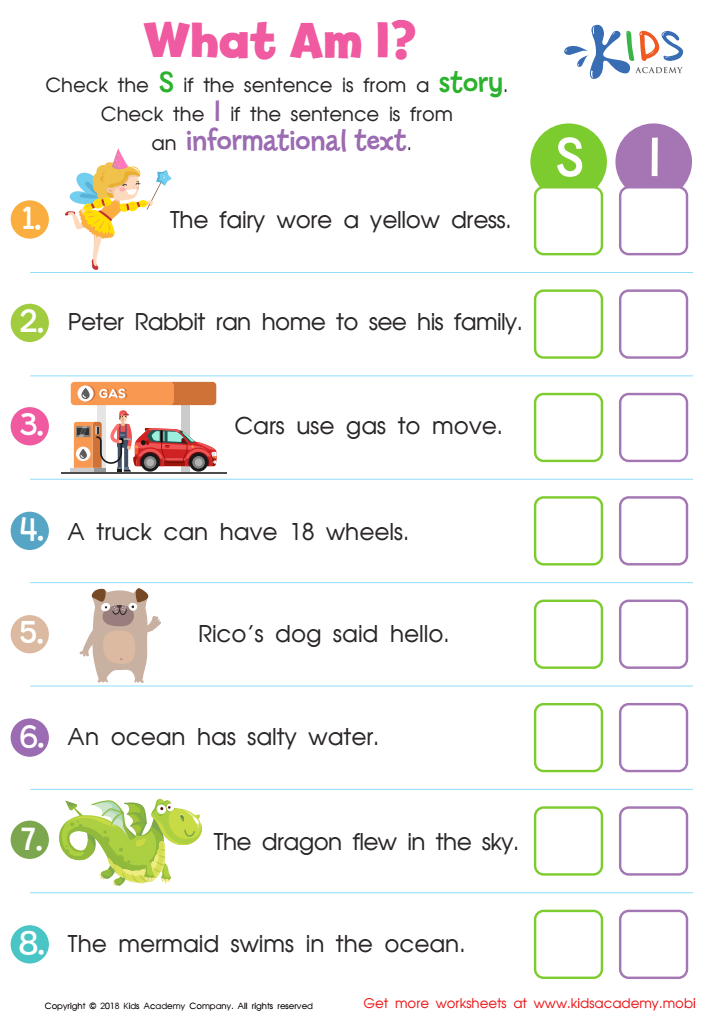
What Am I? Worksheet
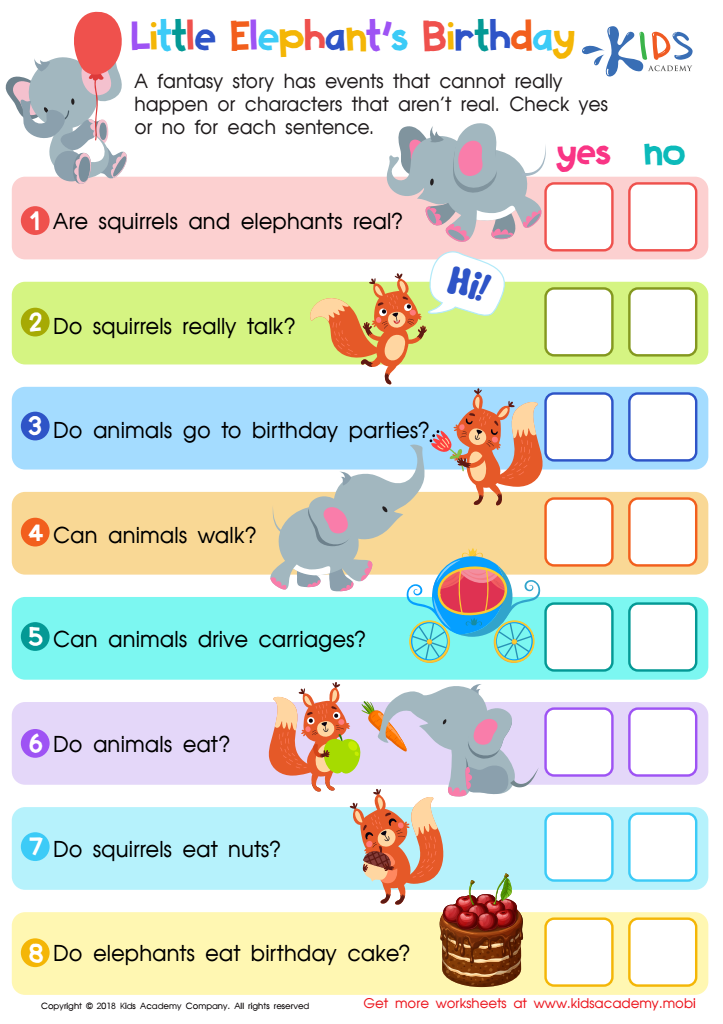
Little Elephant's Birthday Worksheet
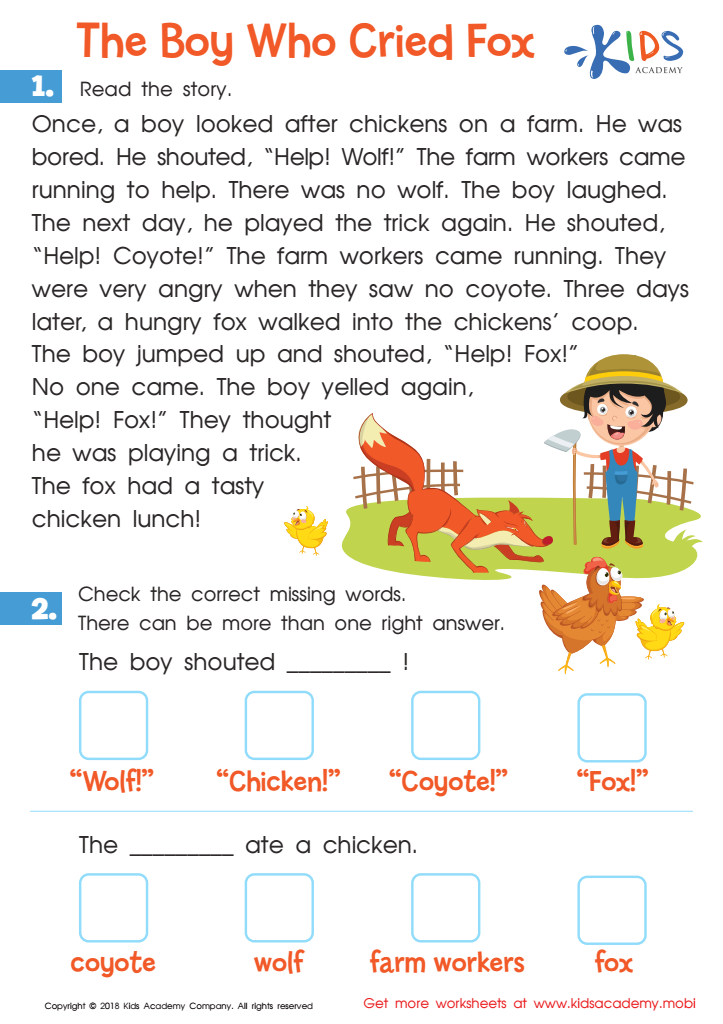
The Boy Who Cried Fox Worksheet
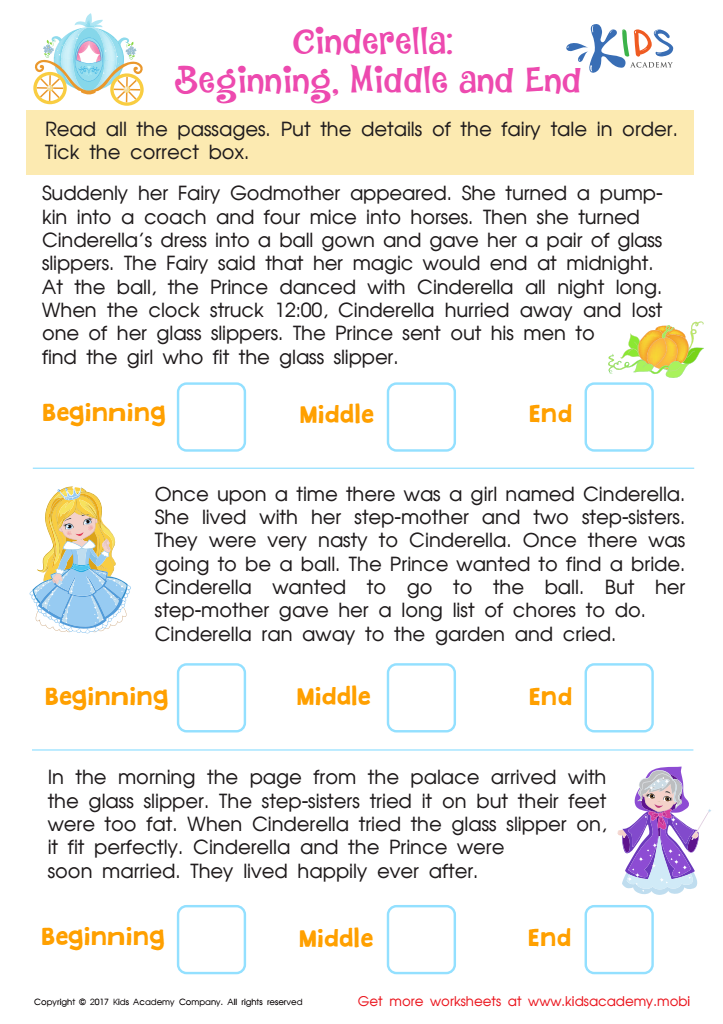
Cinderella: Beginning, Middle and End Worksheet
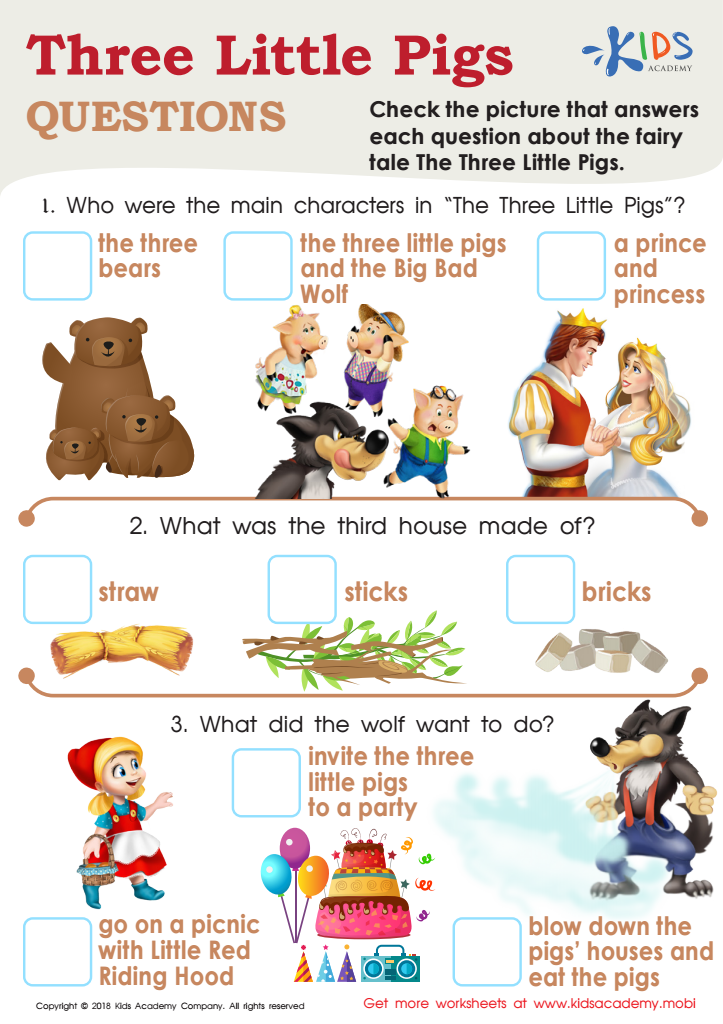
Three Little Pigs Questions Worksheet
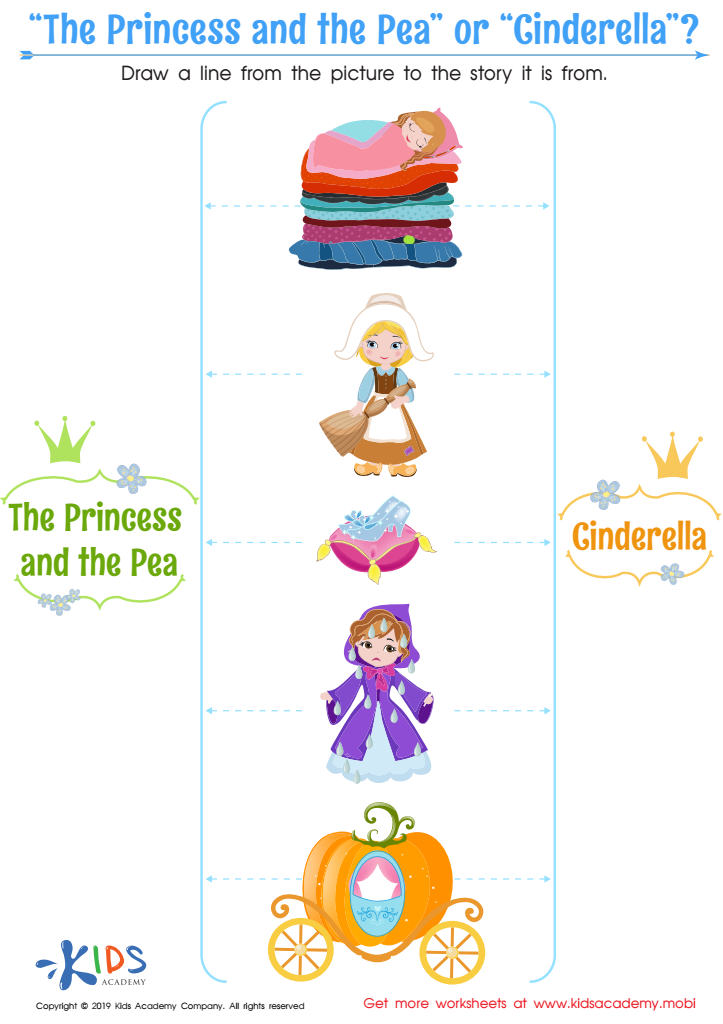
“The Princess and the Pea” or “Cinderella” Worksheet
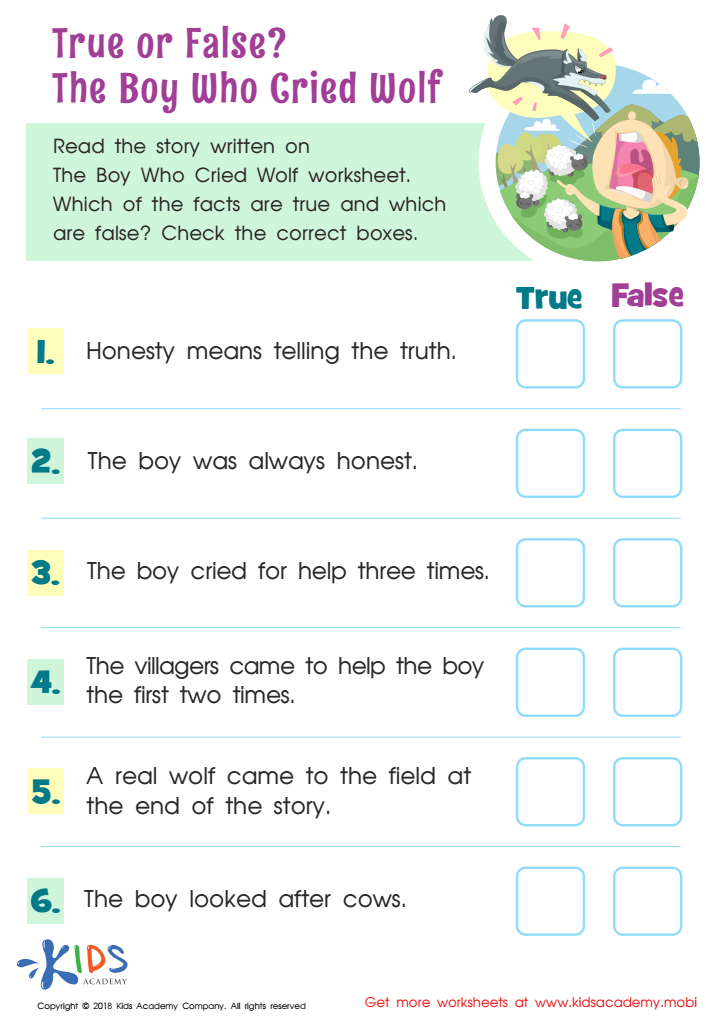
True or False? The Boy Who Cried Wolf Worksheet
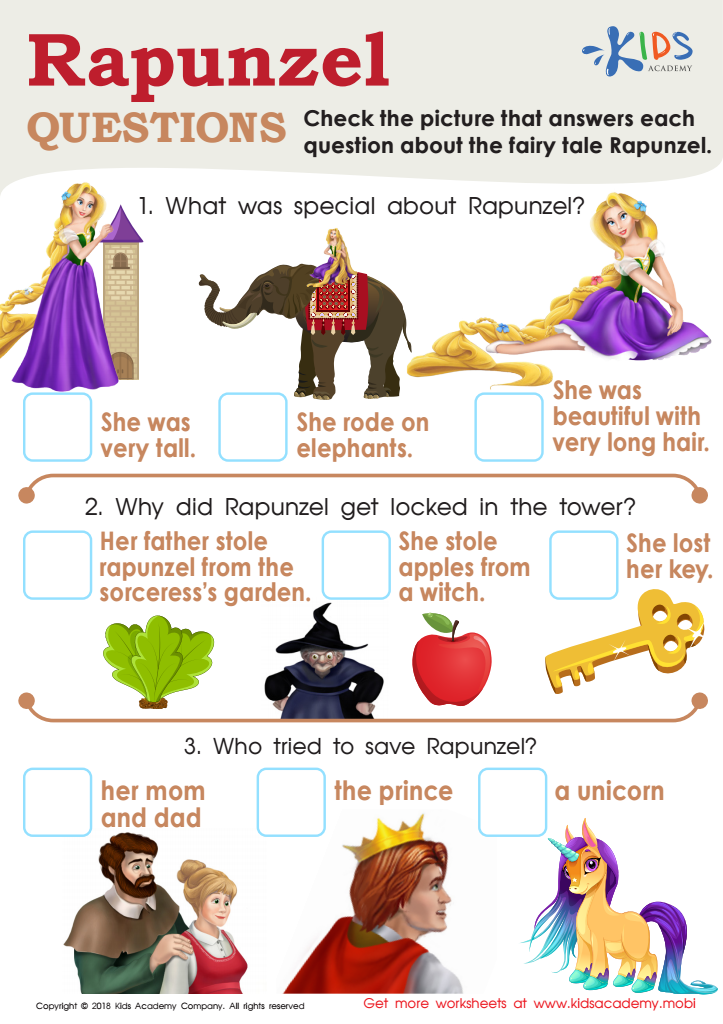
Rapunzel Questions Worksheet
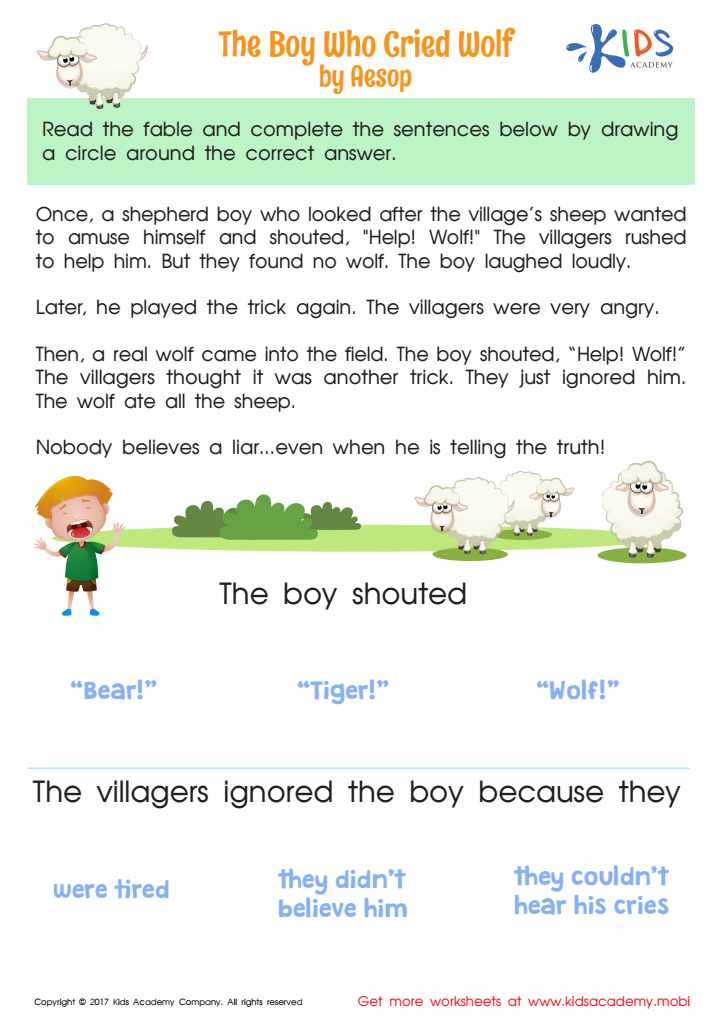
The Boy Who Cried Wolf Worksheet
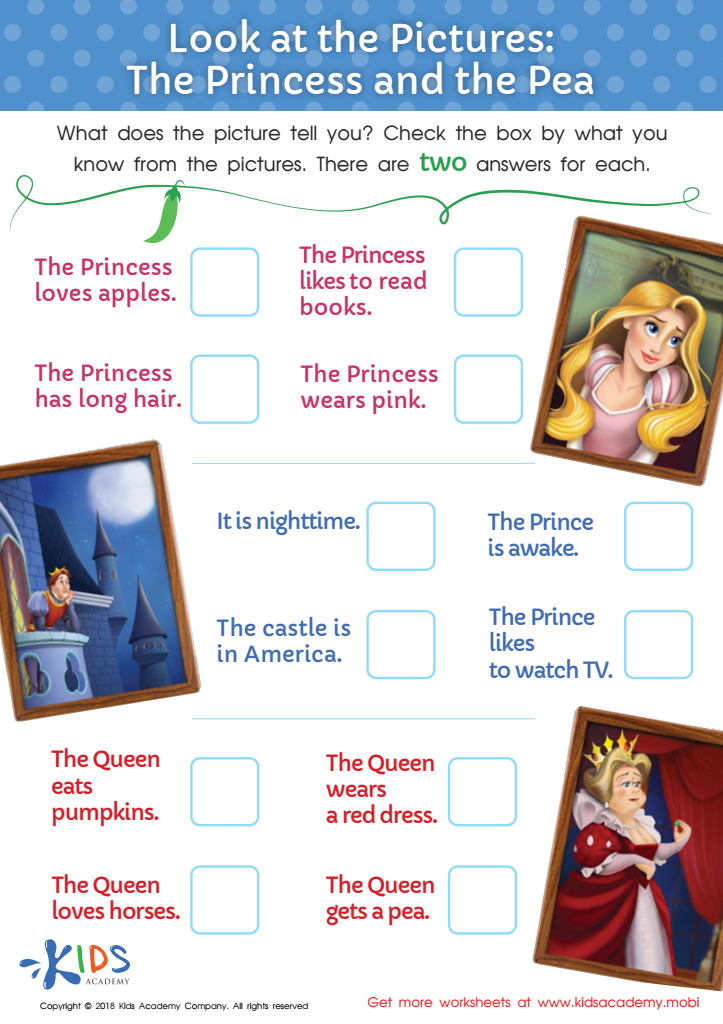
Look at the Pictures: The Princess and the Pea Worksheet
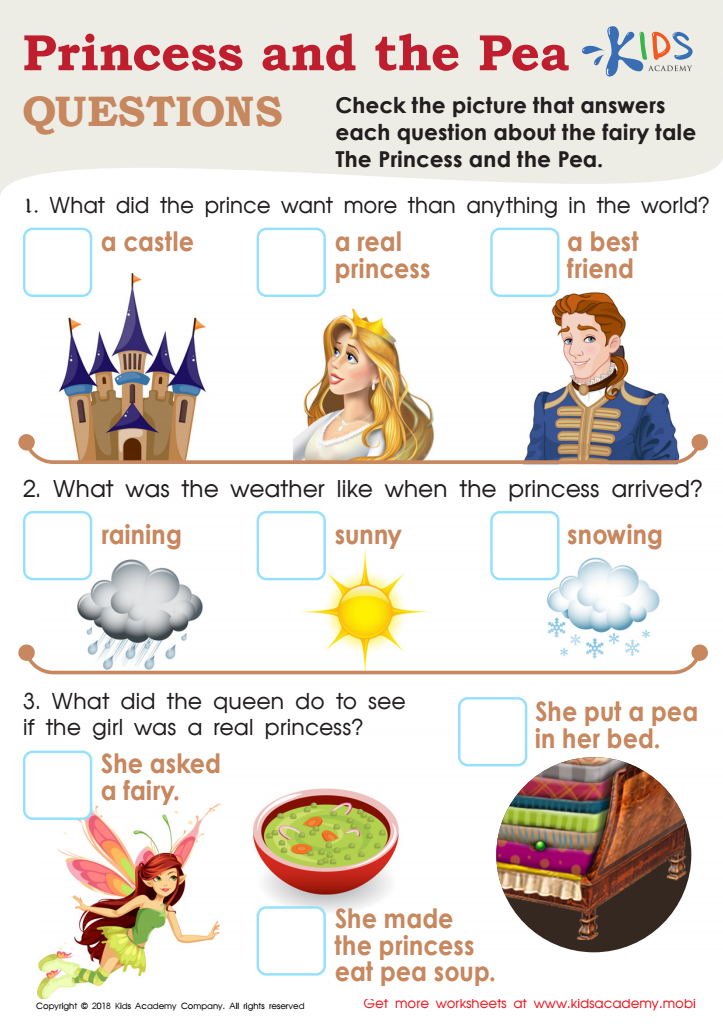
Princess and the Pea Questions Worksheet








Critical Thinking and Normal Reading Comprehension are crucial skills for 6-year-olds because they form the foundation for future academic and life success. At this age, children's brains are highly adaptable and capable of rapid learning, making it an ideal period to instill these abilities.
Critical thinking enables children to analyze information, solve problems, and make informed decisions. This skill helps them understand the world around them, fostering independence and confidence. For example, a child who can think critically is more likely to ask insightful questions in the classroom, understand the consequences of their actions on the playground, and develop creative solutions during playtime.
Similarly, reading comprehension is vital as it directly influences other areas of learning. When a child comprehends what they read, they are better equipped to gain knowledge from texts, follow instructions, and enjoy stories. This skill supports vocabulary development, improved communication, and a love for reading that can last a lifetime.
Teachers and parents play a pivotal role by engaging children in activities that promote these skills. Reading together, encouraging curiosity, asking open-ended questions, and discussing stories can all help in nurturing a child's critical thinking and reading comprehension abilities. Supporting these skills now sets the stage for successful lifelong learning and adaptability in an ever-changing world.








