Story sequencing Normal Reading Fiction Worksheets for 6-Year-Olds
11 filtered results
-
From - To
Discover our engaging story sequencing worksheets designed specifically for 6-year-olds to enhance their reading skills! These fun, interactive worksheets help young learners grasp the concept of story order by placing events and illustrations in the correct sequence. Children will enjoy working with relatable fiction stories that encourage reading comprehension and critical thinking. Our user-friendly format makes it easy for parents and teachers to support early literacy development at home or in the classroom. Perfect for individual practice or group activities, these worksheets are an essential resource for fostering a love of reading in young children. Start your child's literacy journey today!
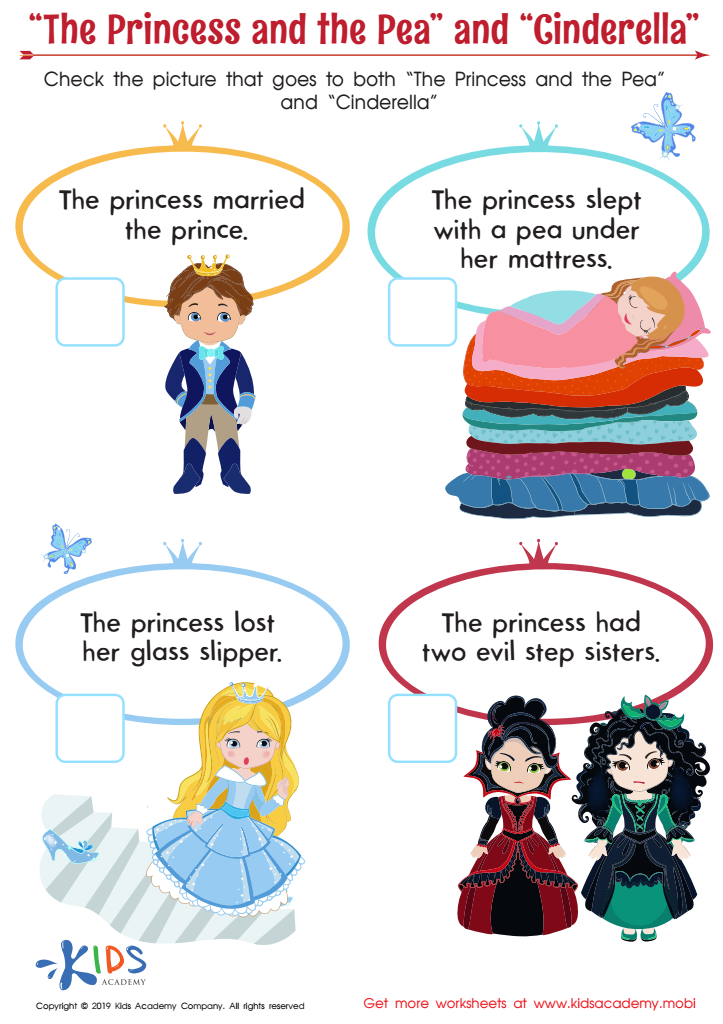
“The Princess and the Pea” and “Cinderella” Worksheet
 Assign to My Students
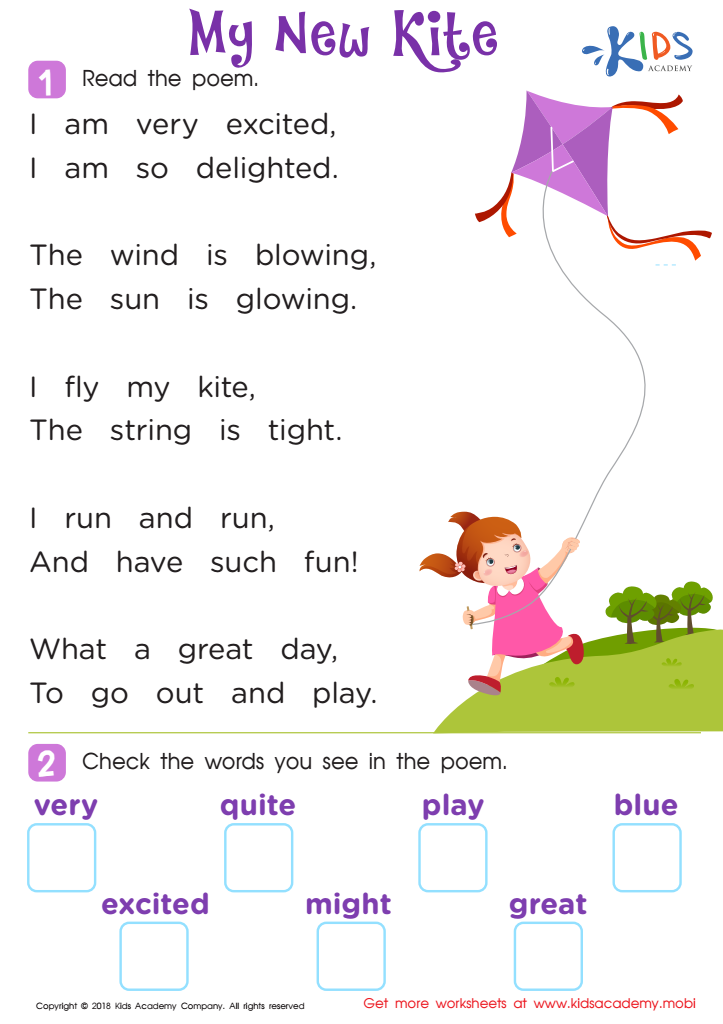
Poem: My New Kite Worksheet
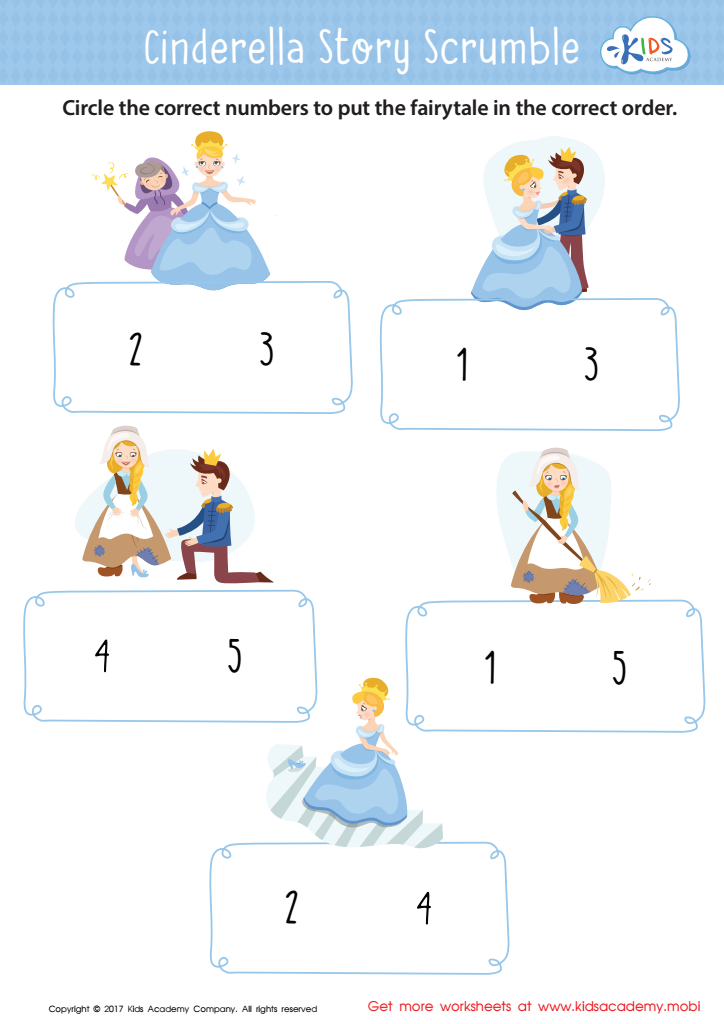
Cinderella Story Sequencing Worksheet
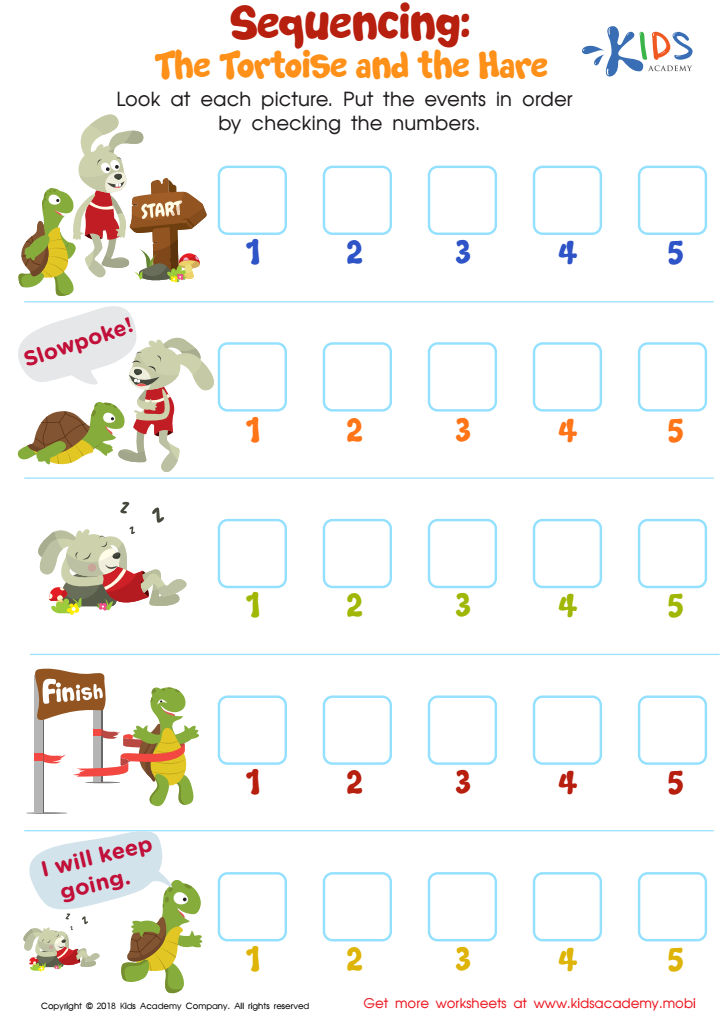
Sequencing: The Tortoise and the Hare Worksheet
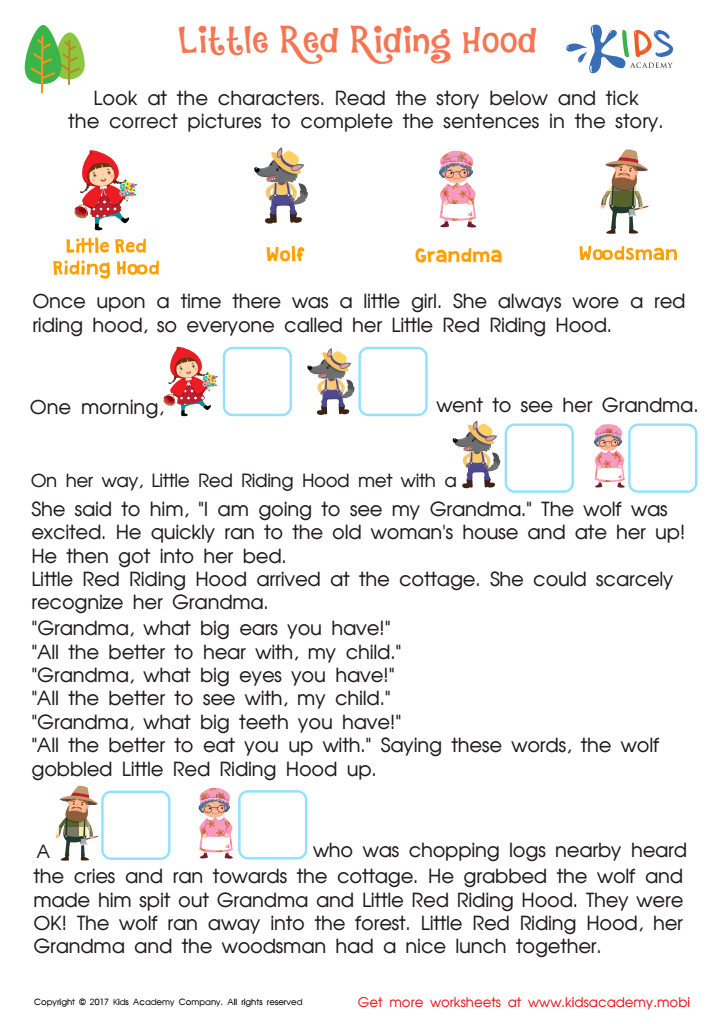
Little Red Riding Hood Printable
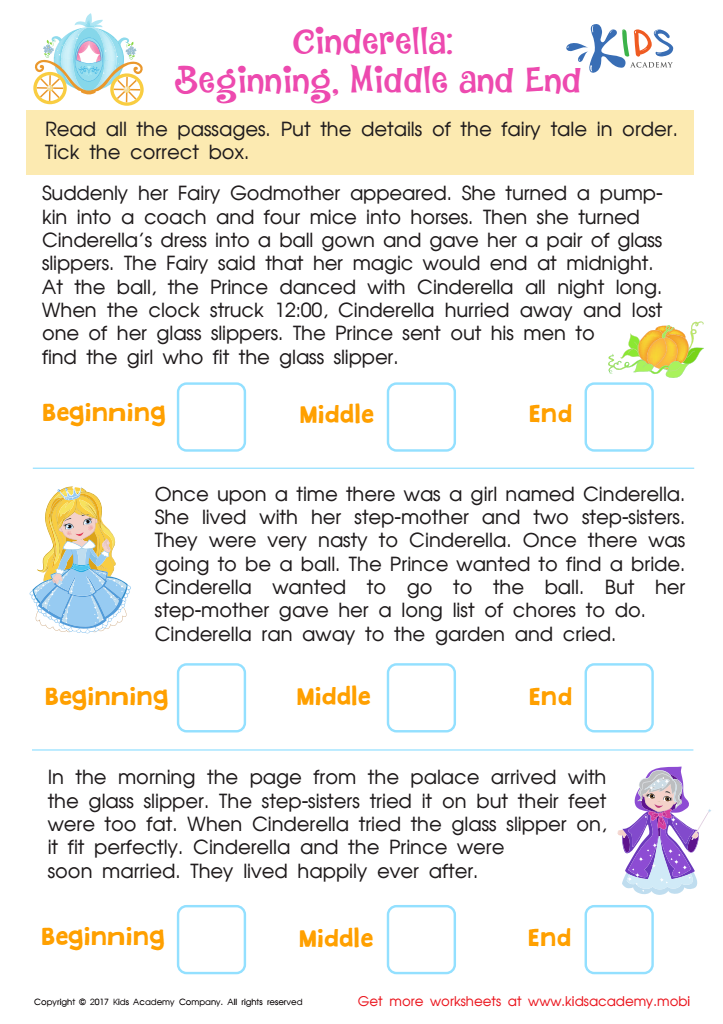
Cinderella: Beginning, Middle and End Worksheet
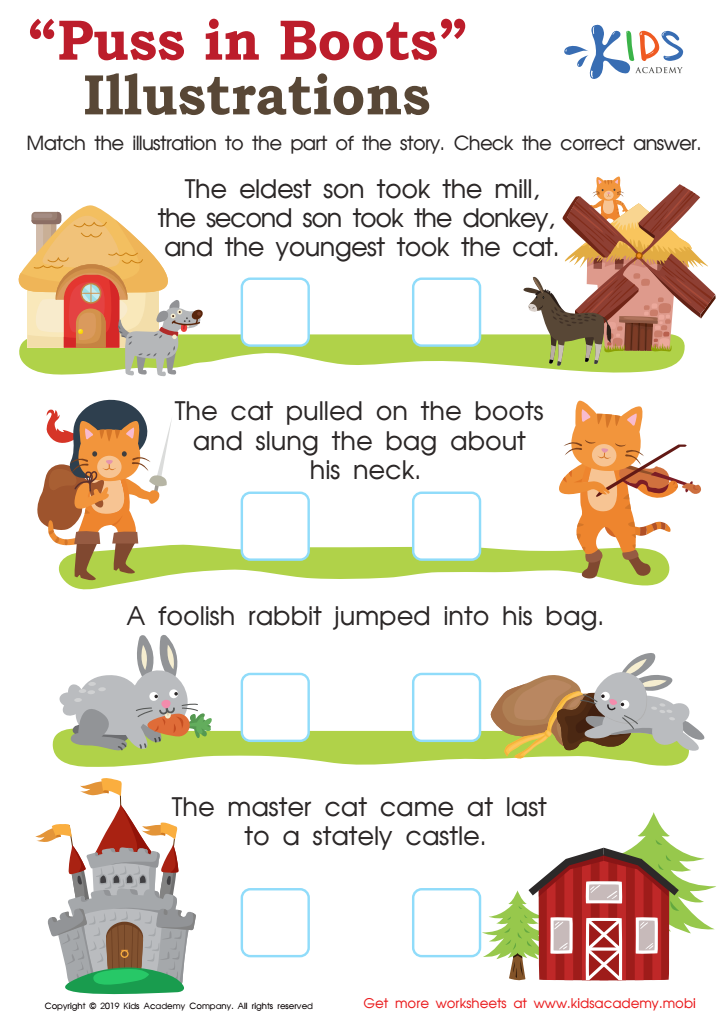
Puss in Boots Illustrations Worksheet
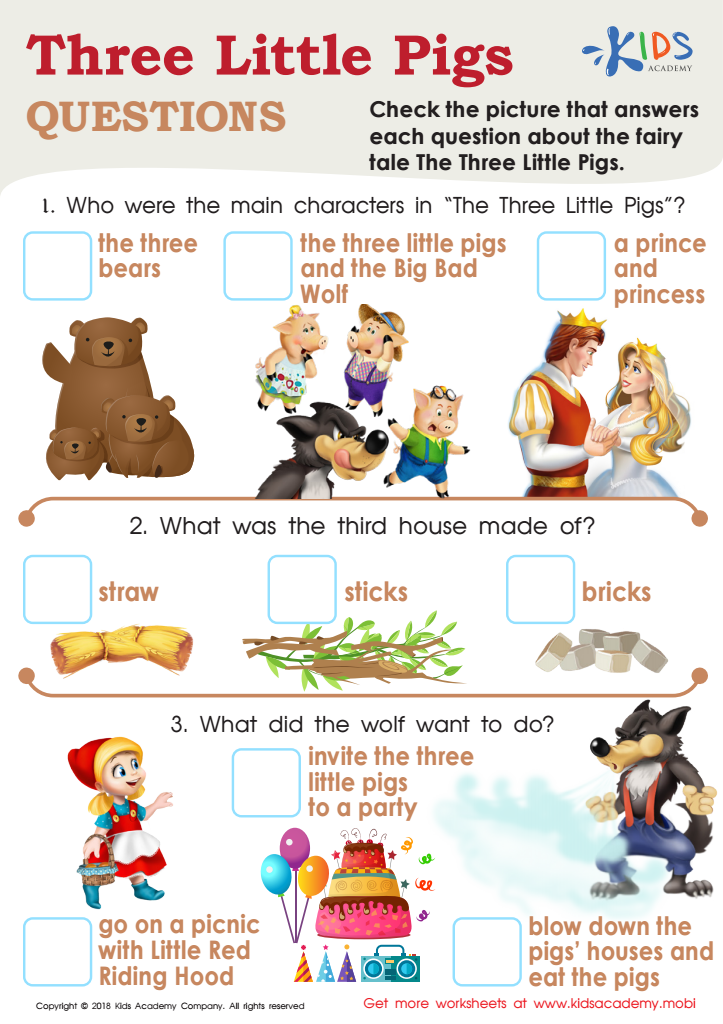
Three Little Pigs Questions Worksheet
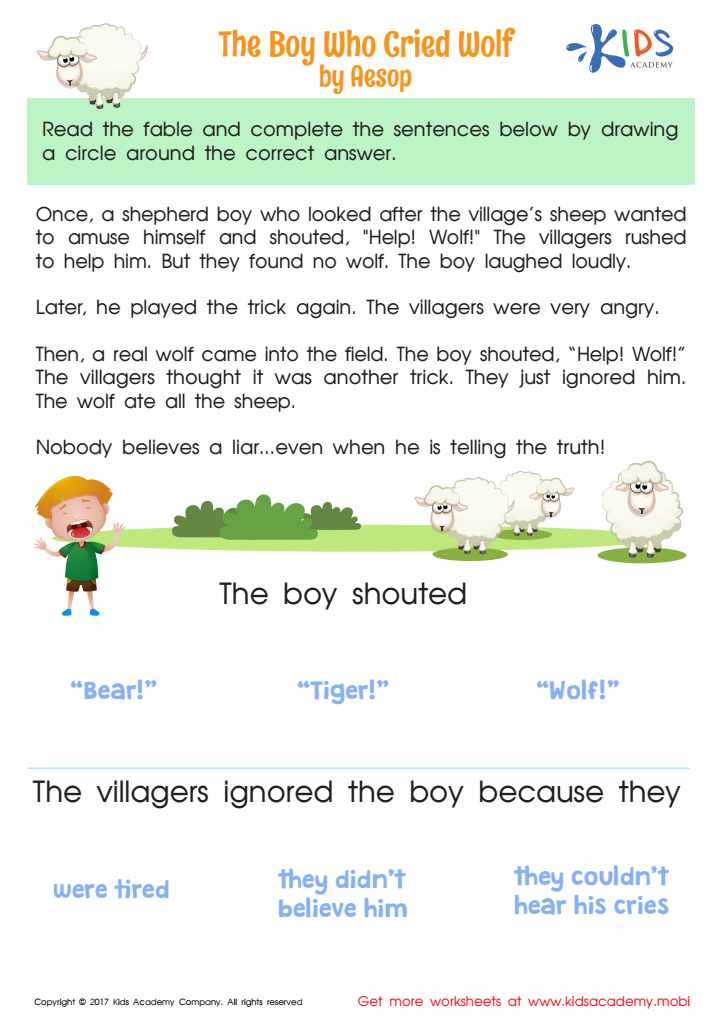
The Boy Who Cried Wolf Worksheet
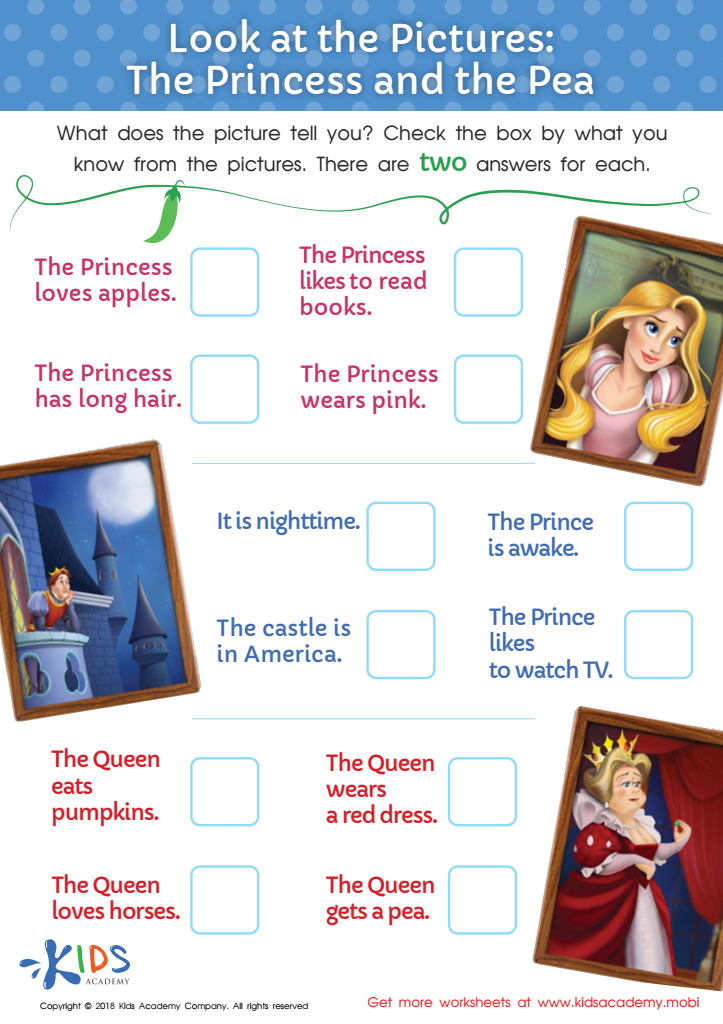
Look at the Pictures: The Princess and the Pea Worksheet
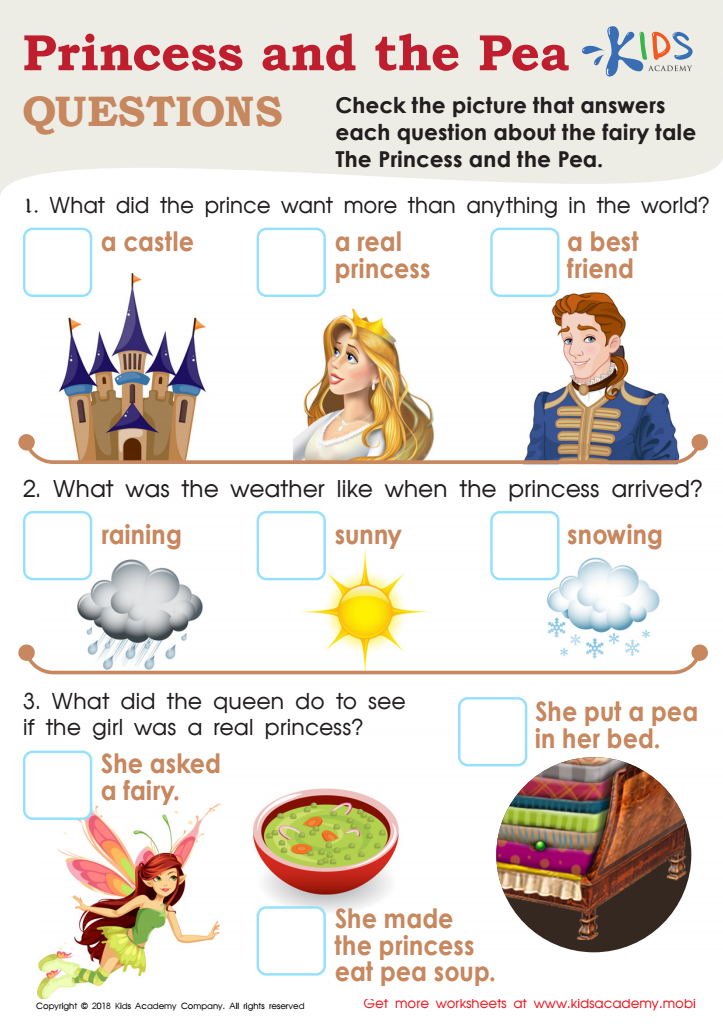
Princess and the Pea Questions Worksheet





.jpg)


Story sequencing is a fundamental skill in early literacy that significantly benefits 6-year-olds. Understanding the order of events in a narrative enhances comprehension, critical thinking, and creative expression. When children grasp sequencing, they can predict outcomes, identify cause-and-effect relationships, and understand the structure of stories, which are essential comprehension skills.
For parents and teachers, investing time in story sequencing helps children develop stronger reading skills. This practice encourages them to reconstruct stories in their own words, which reinforces vocabulary and fosters narrative skills. Moreover, discussing the sequence of events provides opportunities for dialogue, encouraging active participation in learning and deepening the child's connection to the material.
Furthermore, sequencing supports cognitive development by refining a child's organizational skills. It promotes logical thinking by requiring children to analyze and arrange events, which reflects on their overall problem-solving abilities.
Ultimately, incorporating story sequencing into reading activities creates a richer learning environment, making literacy engaging and interactive. By fostering a love for stories and an understanding of narrative structure early on, parents and teachers lay the foundation for lifelong readers who can think critically and appreciate the nuances of storytelling. This skill is not just an academic exercise; it enriches communication and social interactions as well.







