
Understanding ecosystems Normal Science Worksheets for 6-Year-Olds
3 filtered results
Difficulty Level
Grade
Age
-
From - To
Subject
Activity
Standards
Explore the vibrant world of ecosystems with our "Understanding Ecosystems Normal Science Worksheets" designed specifically for 6-year-olds! These engaging worksheets introduce young learners to basic ecological concepts, helping them understand the importance of plants, animals, and their environments. Through fun activities and colorful illustrations, children will learn about living organisms, food chains, and the balance of nature. Perfect for classroom lessons or at-home learning, these worksheets foster critical thinking and nurture a curiosity for the natural world. Empower your little scientists today by downloading these interactive resources that make science both educational and enjoyable!
Favorites
With answer key
Interactive
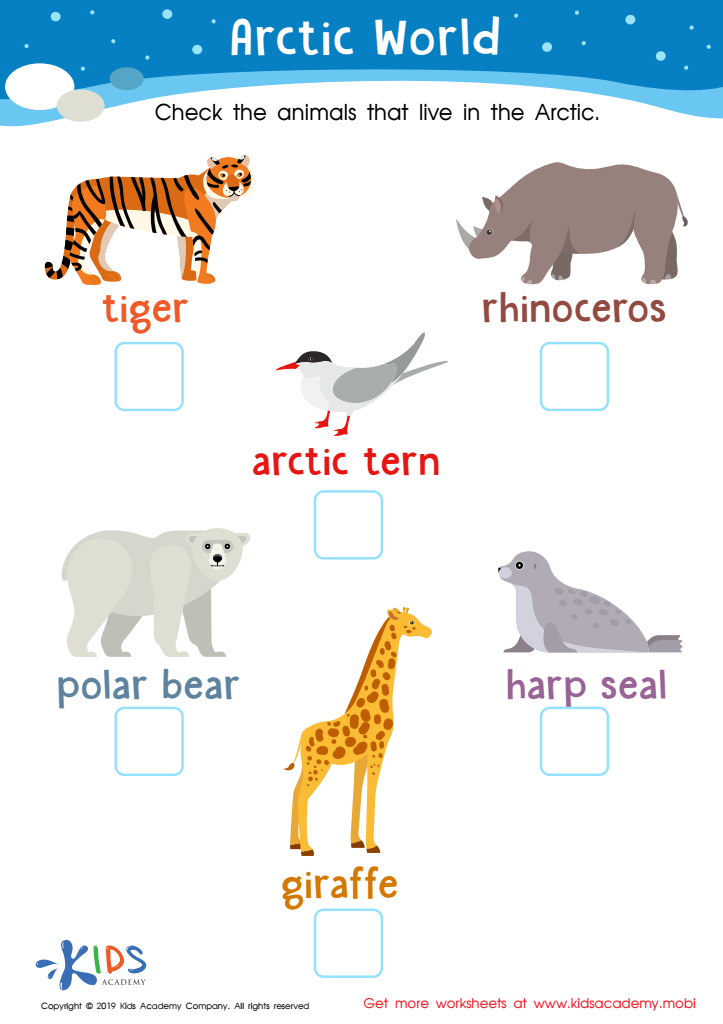
Arctic World Worksheet
Ask your students if they know where the Arctic is located and what lives there. If not, use a world atlas to show them. The Arctic is very cold and snow-covered; native animals have adapted to survive the harsh conditions. Look at the animals in the worksheet and help your students decide which ones live in the Arctic.
 Assign to My Students
Arctic World Worksheet
Worksheet
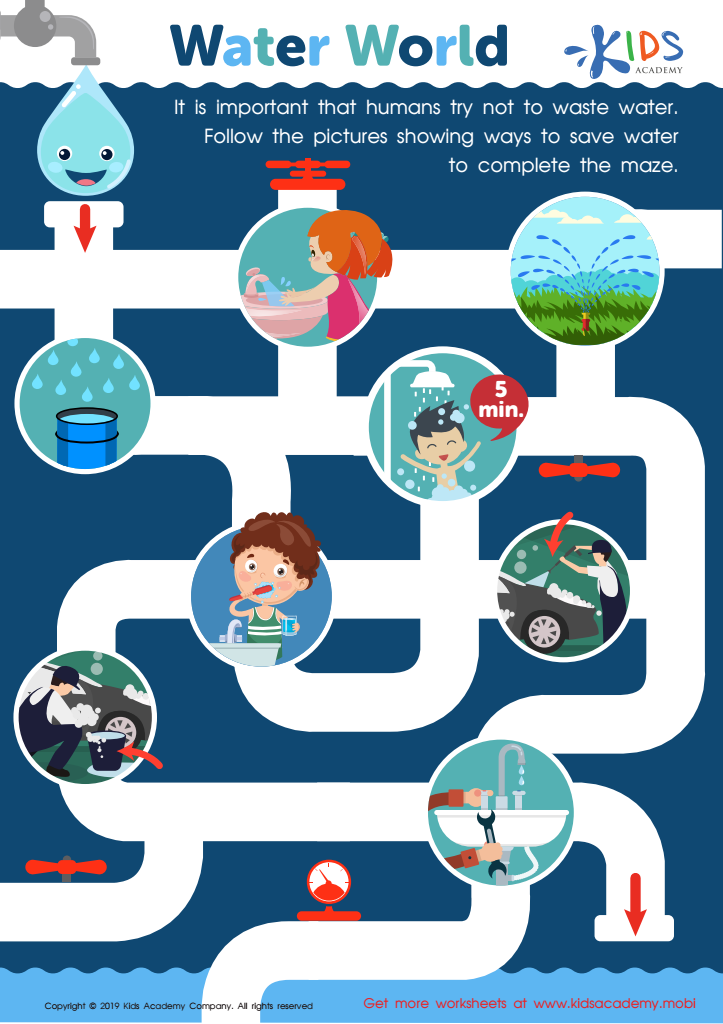
Water World Worksheet
Water is a vital necessity for living. Our bodies depend on it to stay healthy and survive. When we don't drink enough water, we become thirsty and run the risk of getting sick. Luckily, our planet is full of water and natural sources to stay hydrated. To prevent water waste, use this worksheet to teach your students how to conserve it and complete the maze.
Water World Worksheet
Worksheet
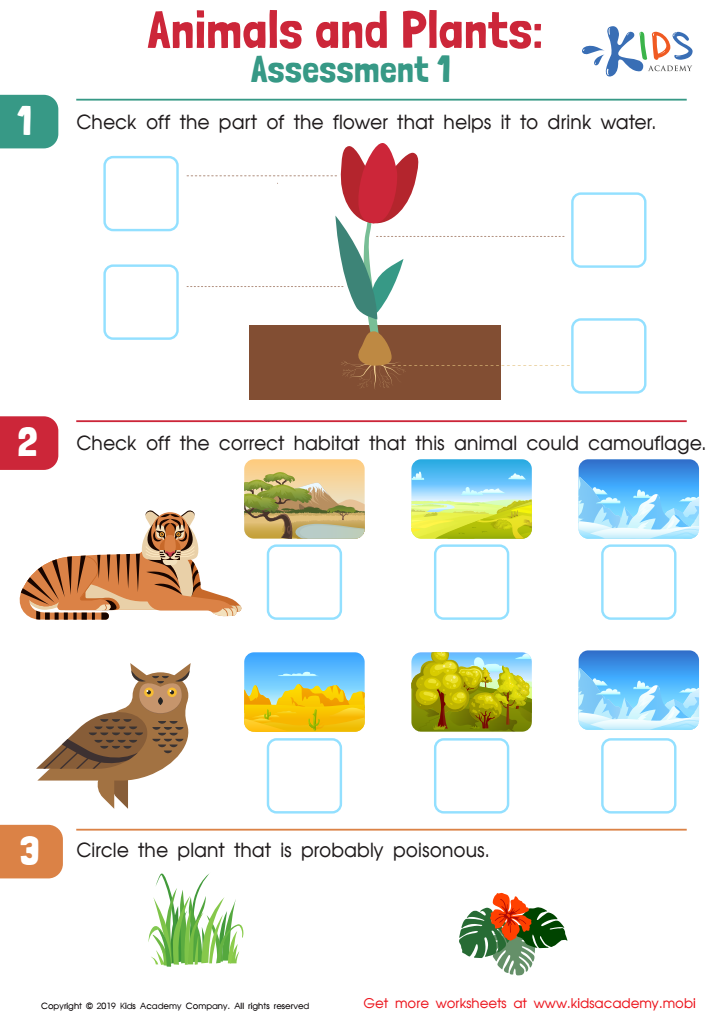
Animals and Plants: Assessment 1 Worksheet
Do you want to easily assess your child's understanding of basic science concepts? This colorful PDF offers a free opportunity for them to test their knowledge about parts of a flower, poisonous plants, animal habitats and more! Bright pictures make it fun and easy for you to see what they know.
Animals and Plants: Assessment 1 Worksheet
Worksheet
Join Kids Academy for Free
Who is primarily going to use this learning content?



.jpg)


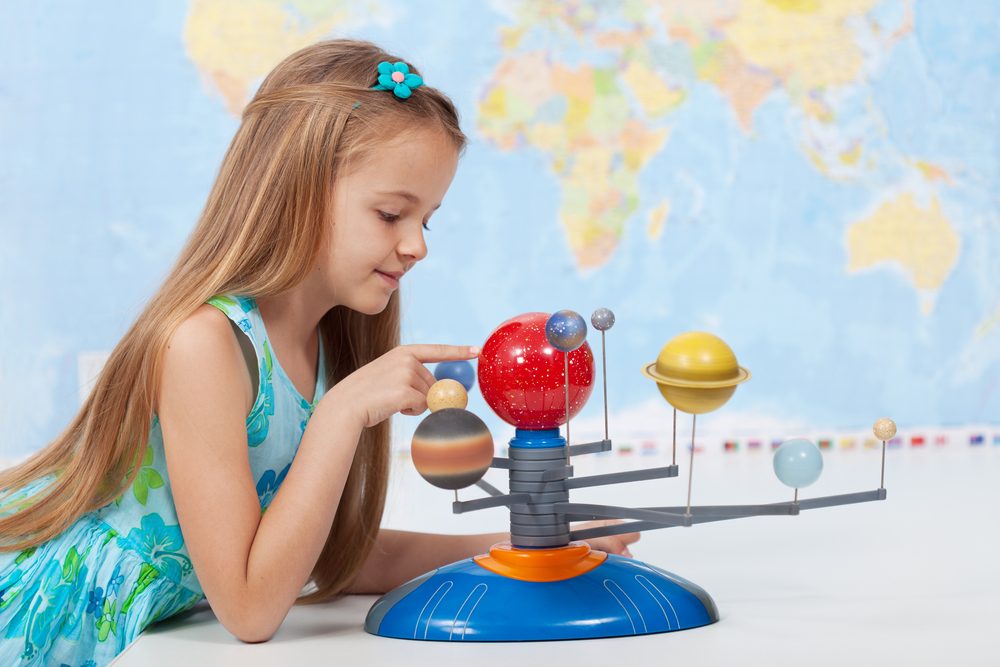

Understanding ecosystems is essential for parents and teachers to instill in 6-year-olds because it lays the groundwork for environmental awareness and conservation. At this age, children's curiosity is heightened, making it an ideal time to introduce them to the interconnectedness of plants, animals, and their habitats. Teaching young learners about ecosystems encourages them to observe nature, fostering a sense of wonder and responsibility.
When children grasp the basic concepts of ecosystems—like how different species depend on each other and their environment—they begin to recognize the importance of biodiversity and sustainability. This foundational knowledge can lead to more profound interest in nature, motivating children to participate in activities like gardening, recycling, and conservation efforts.
Moreover, understanding ecosystems aligns with scientific thinking skills. It promotes inquiry, observation, and critical thinking as children learn to ask questions and explore their surroundings. Parents and teachers can facilitate hands-on activities, such as nature walks or simple experiments, reinforcing these concepts in a fun and engaging manner. Ultimately, nurturing this understanding helps develop informed and responsible future stewards of the planet. Hence, investing time in teaching ecosystems at a young age can have lasting positive impacts on both children and the environment.







