Reading comprehension Normal Social Studies Worksheets for 6-Year-Olds - Page 2
32 filtered results
-
From - To
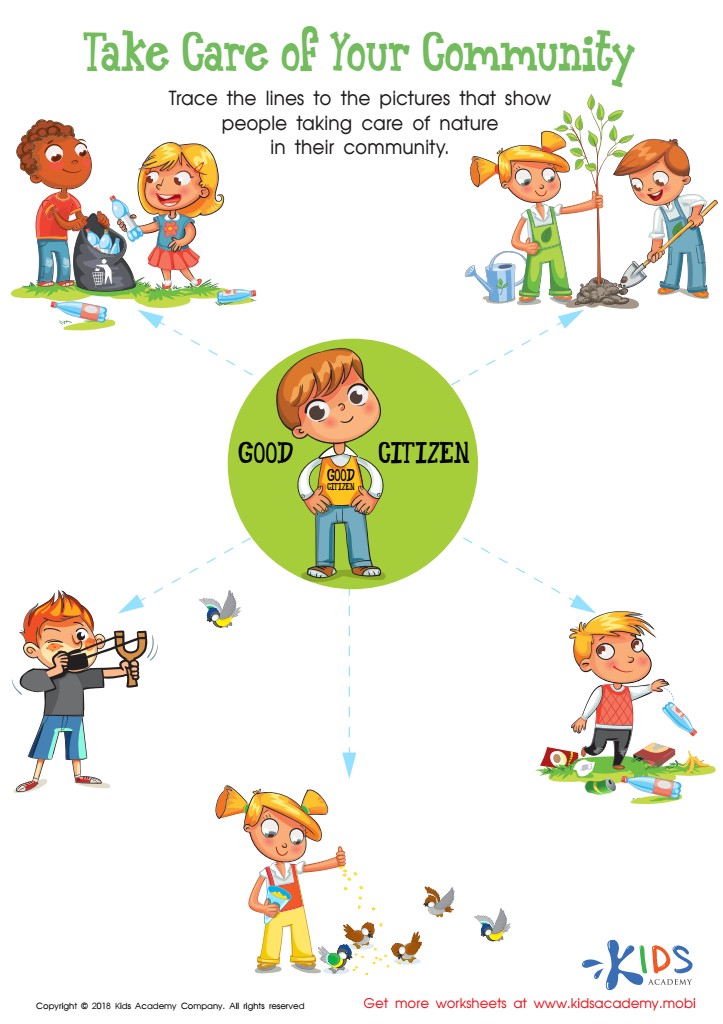
Take Care of your Community Worksheet
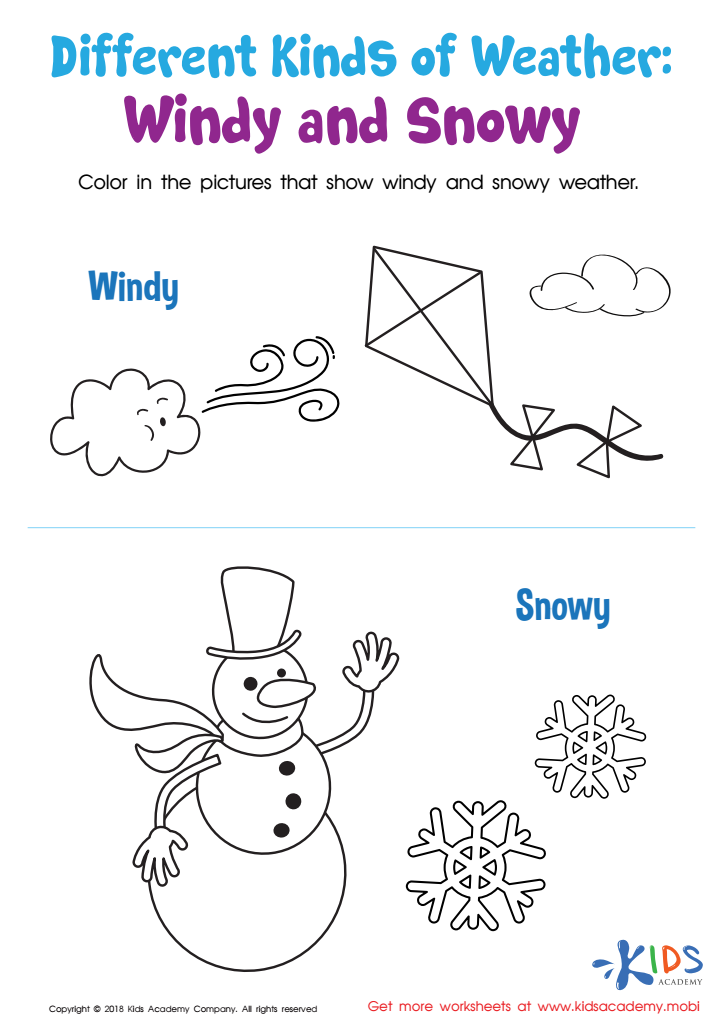
Different Kinds of Weather: Windy and Snowy Worksheet
 Assign to My Students
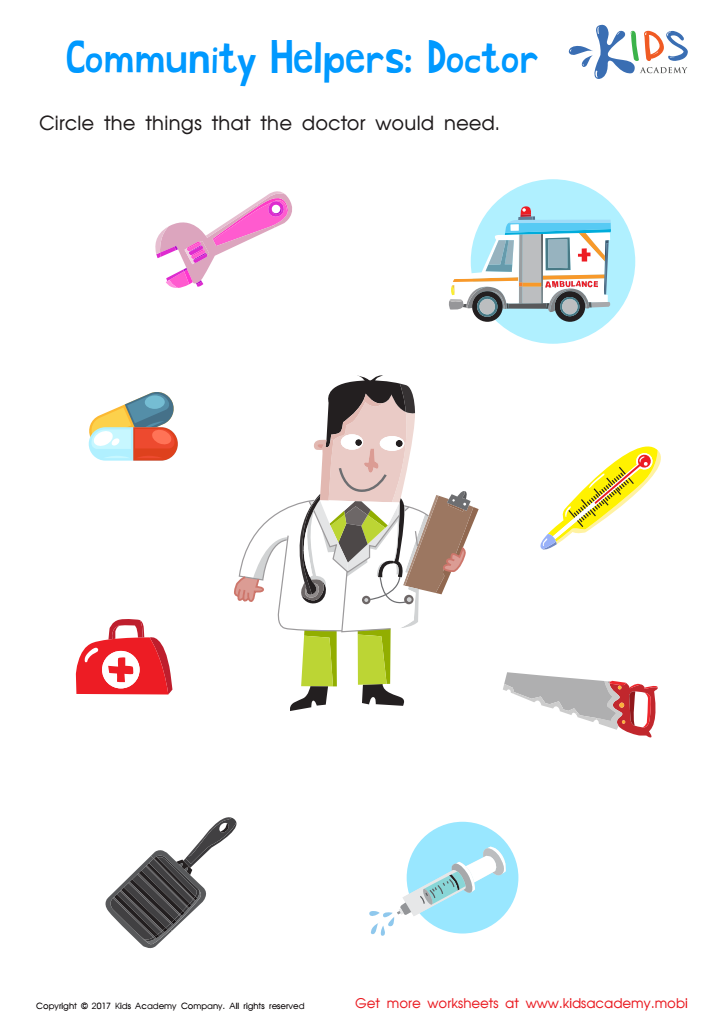
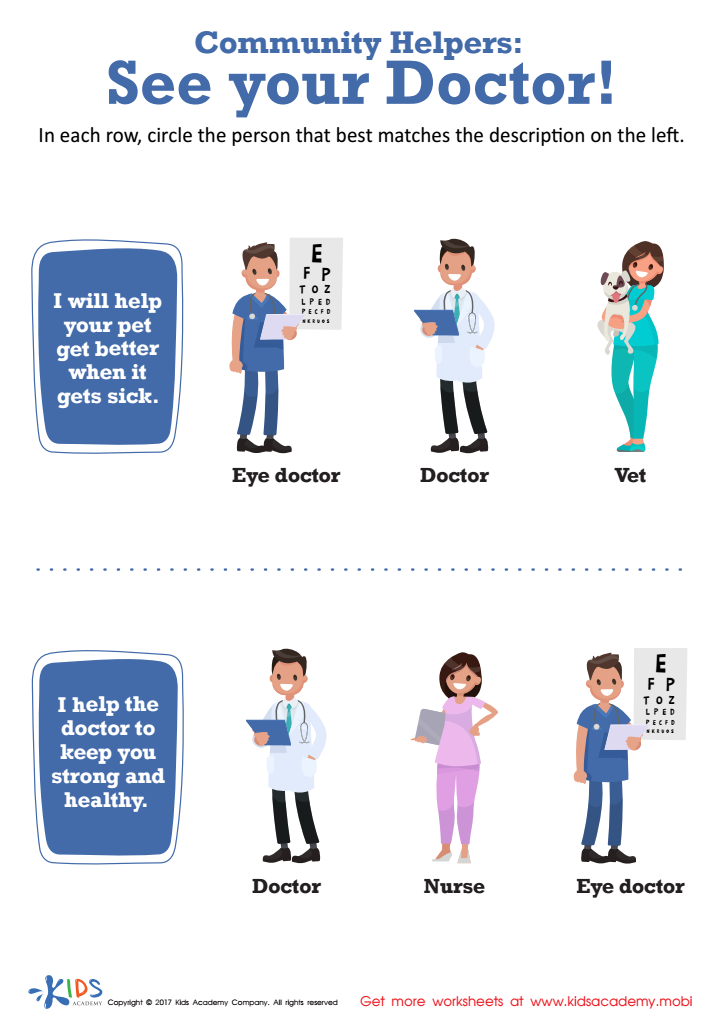
See Your Doctor (Part 2) Printable
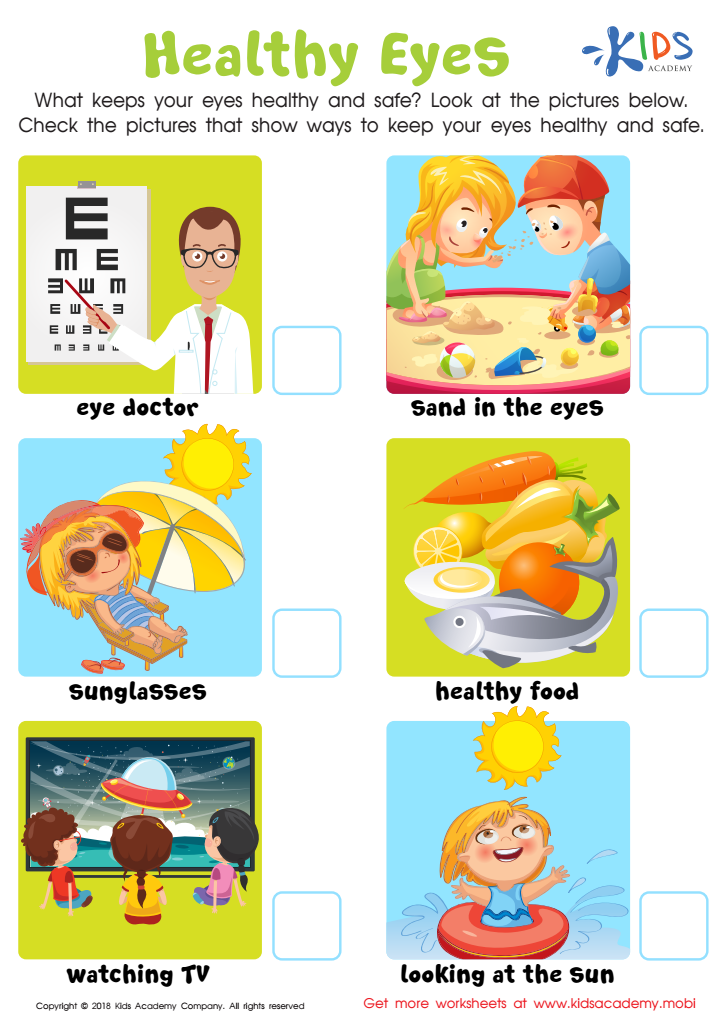
Healthy Eyes Worksheet
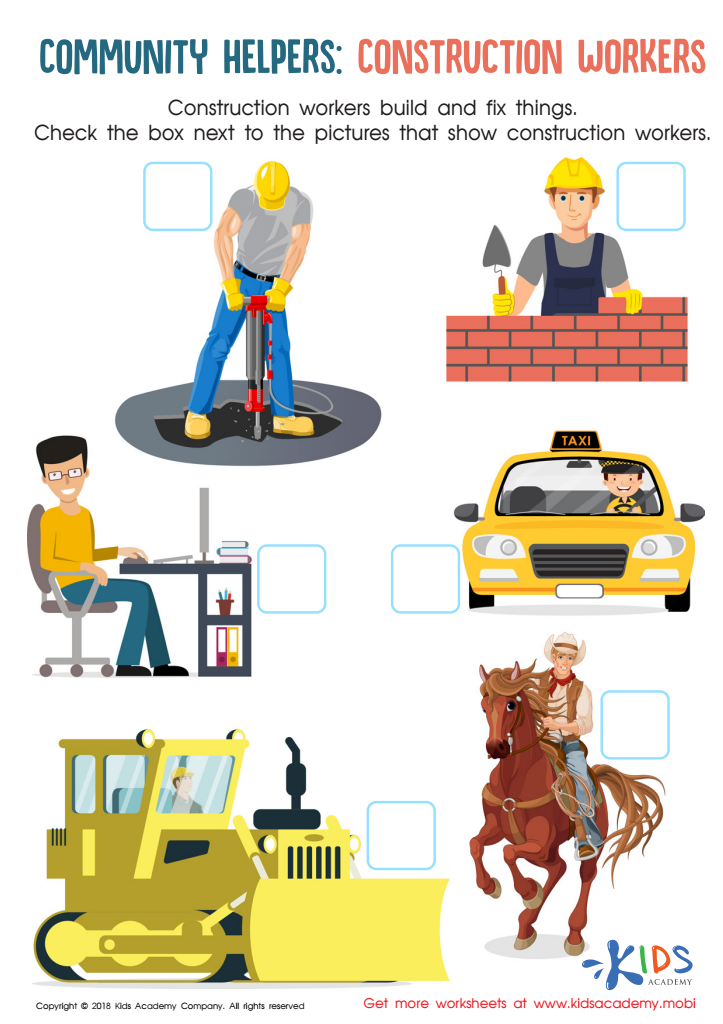
Construction Workers Community Helpers Worksheet
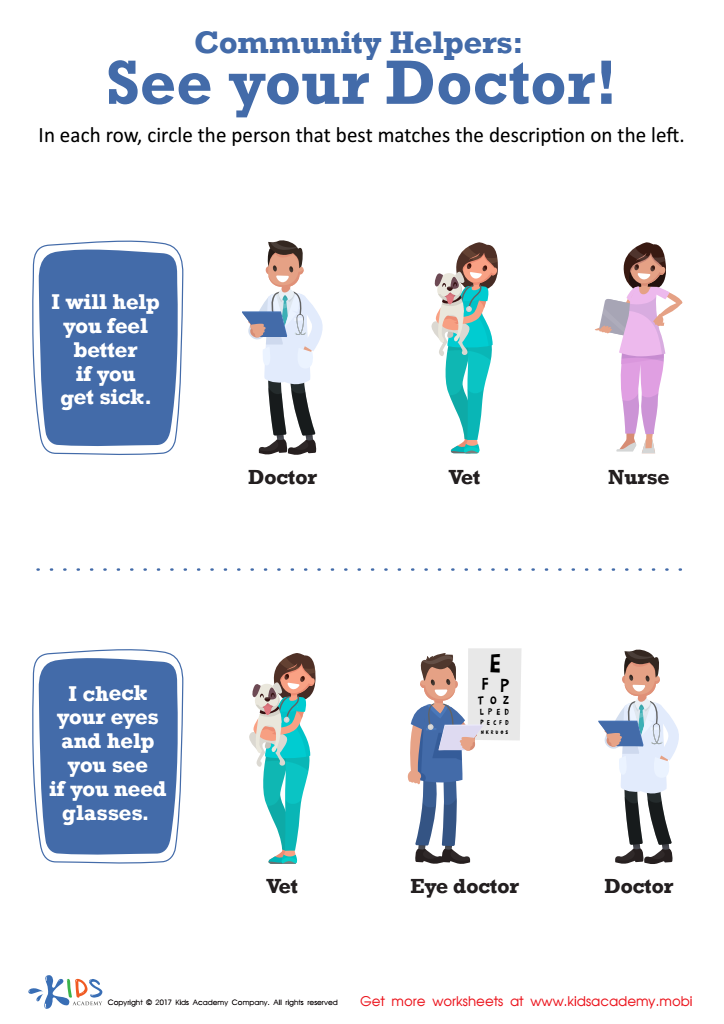
See Your Doctor (Part 1) Printable
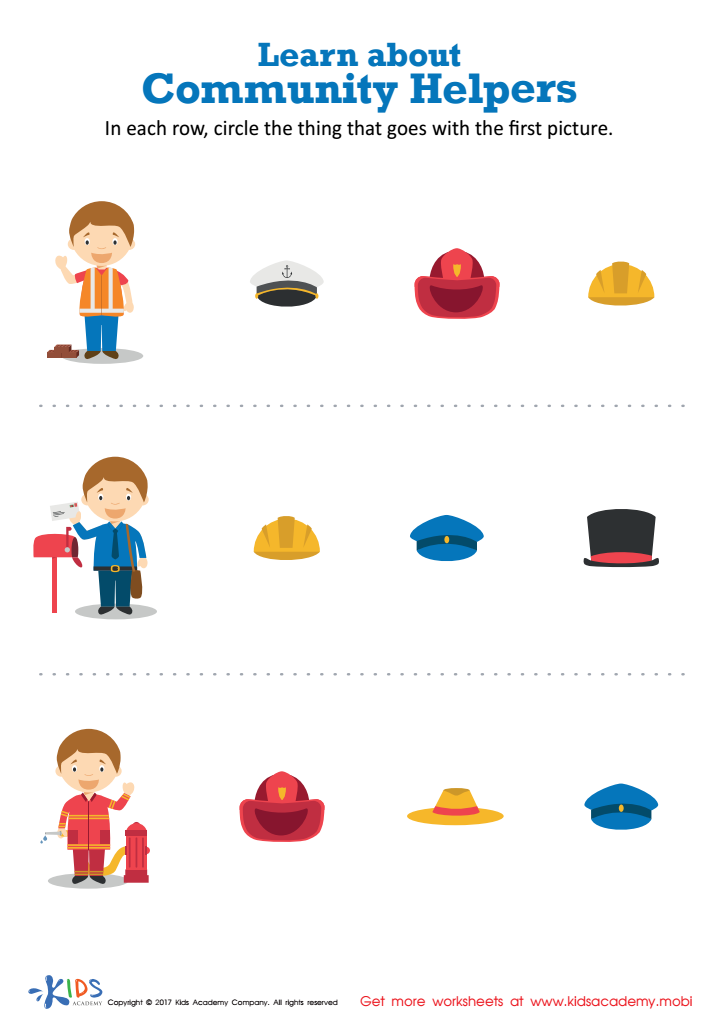
Learn about Community Helpers Printable






Reading comprehension in social studies is crucial for 6-year-olds as it helps them develop critical thinking and an understanding of their world. At this age, children begin to form their identities, communities, and connections to society. When parents and teachers focus on reading comprehension in social studies, they support children's ability to comprehend concepts such as community roles, cultural diversity, and historical events. This foundation fosters informed citizenship and enhances their sense of belonging within a larger community.
Furthermore, strong reading comprehension skills lead to improved academic performance across all subjects, as literacy is a pivotal skill that transcends disciplines. Engaging with social studies texts encourages young learners to ask questions, relate content to their experiences, and engage in discussions—all essential skills in developing social awareness and empathy.
Additionally, integrating reading comprehension strategies in social studies lessons promotes vocabulary expansion and analytical skills. As children read about different cultures, historical figures, and societal structures, they become better equipped to understand the values and diversity of the world around them. Ultimately, parents and teachers should prioritize reading comprehension in social studies to cultivate a generation of thoughtful, aware, and engaged individuals ready to contribute meaningfully to society.