Enhancing categorization skills Normal Worksheets for Ages 7-8
3 filtered results
-
From - To
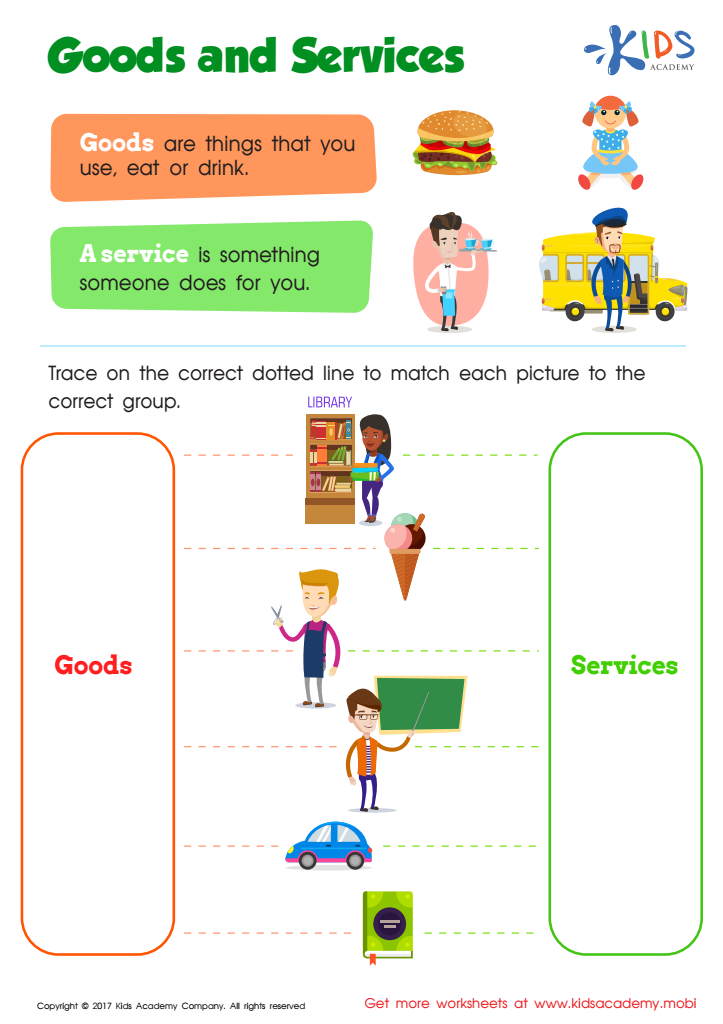
Unlock your child's potential with our "Enhancing Categorization Skills Normal Worksheets" designed for ages 7-8. These engaging printables aid in developing critical thinking and organization skills by guiding children to group similar items, classify objects, and identify patterns in a fun and interactive way. Each worksheet combines playful illustrations with thought-provoking tasks, making learning an enjoyable experience. By practicing categorization, children enhance their ability to sort information, leading to improved comprehension skills in subjects like math, science, and language arts. Challenge your young learners today and watch them thrive in their educational journey with our expertly crafted worksheets!
 Assign to My Students
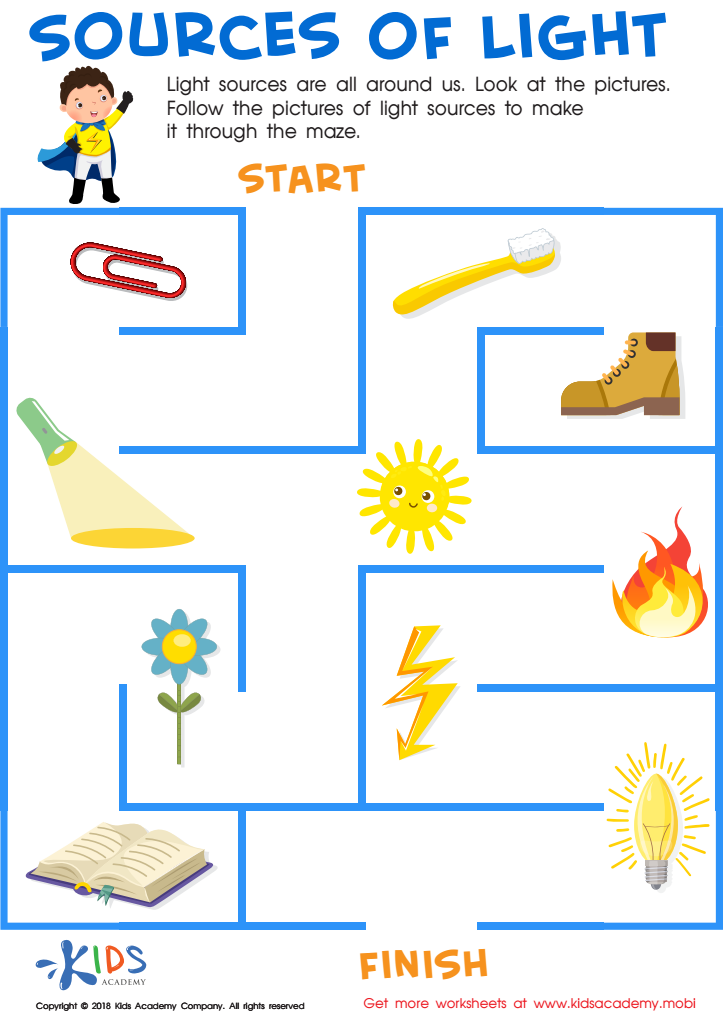
Sources of Light Worksheet
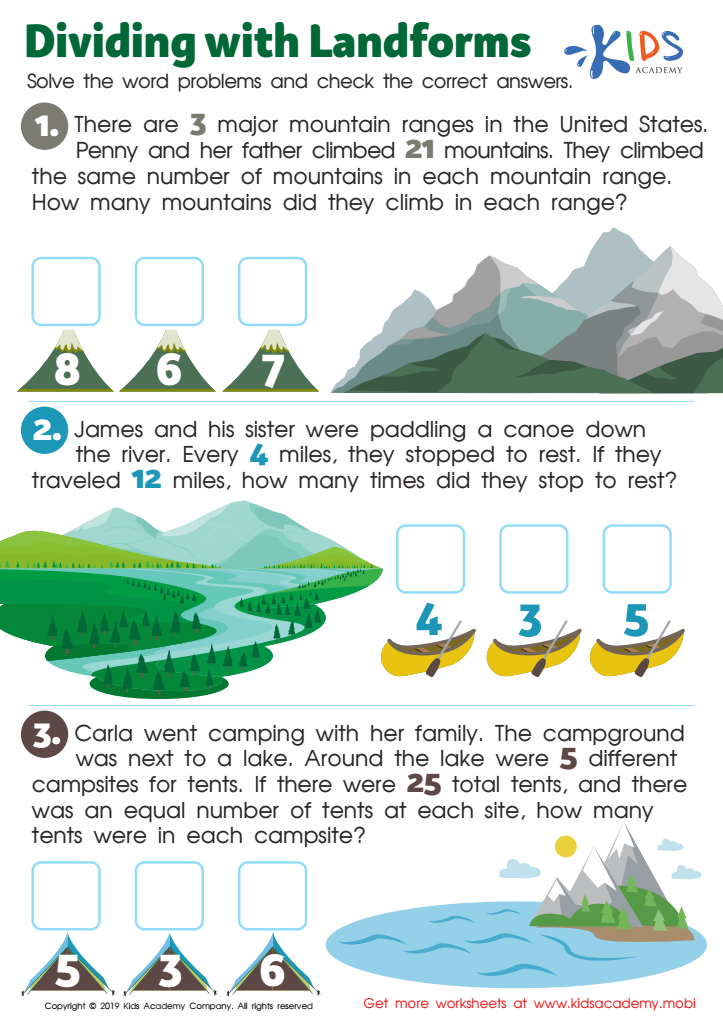
Dividing with Landforms







Enhancing categorization skills for children aged 7-8 holds significant importance for both parents and teachers. At this stage of development, children are becoming more adept at recognizing patterns and differences among objects, which is foundational for their critical thinking skills. Improved categorization not only aids in cognitive development but also supports academic performance across various subjects, such as science, math, and language arts.
By fostering these skills, educators and parents help children develop organizational strategies for information, making it easier to comprehend complex concepts. For example, categorization can help children sort animals into groups like mammals and reptiles, facilitating a deeper understanding of biology. Additionally, categorization enhances problem-solving abilities; children learn to group, label, or classify, equipping them to tackle more complex challenges in everyday life.
Furthermore, strong categorization skills enhance social interactions, as children learn to understand social dynamics by grouping peers based on interests and similarities. This promotes empathy and inclusivity among peers. Ultimately, investing in the enhancement of categorization skills supports well-rounded development, setting the groundwork for lifelong learning and social competency. Active engagement from parents and teachers in this area makes a significant difference in a child’s educational journey.








