Fine Motor Skills Normal Worksheets for Ages 7-8 - Page 4
80 filtered results
-
From - To

Great Hornbill Worksheet
 Assign to My Students
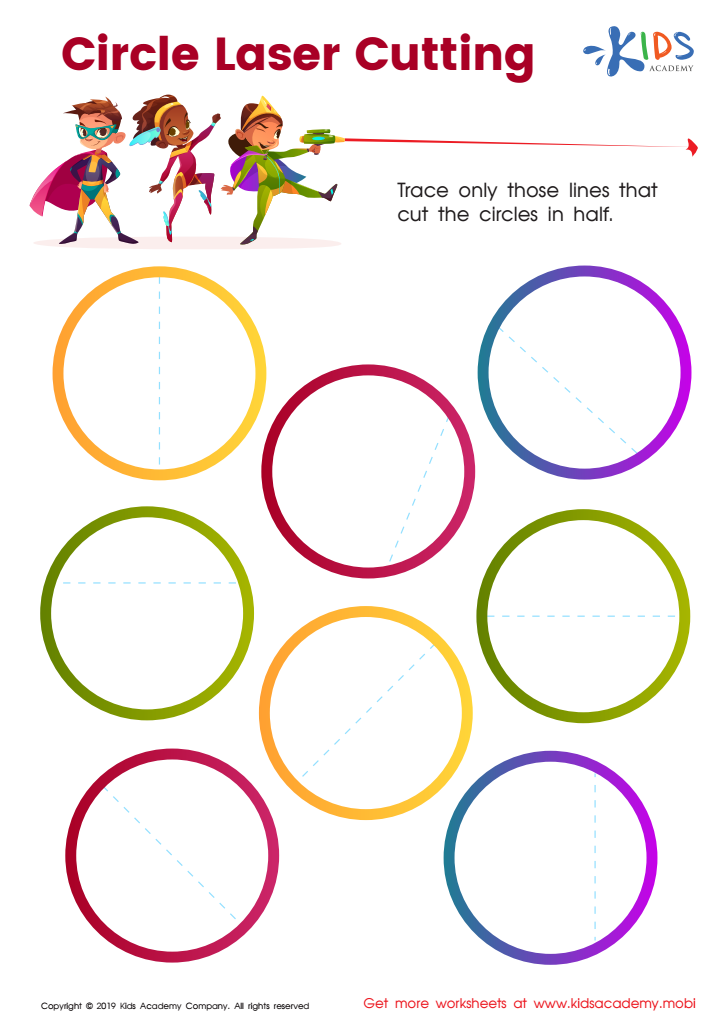
Circle Laser Cutting Worksheet

Astronomer Maze: Telescope Worksheet
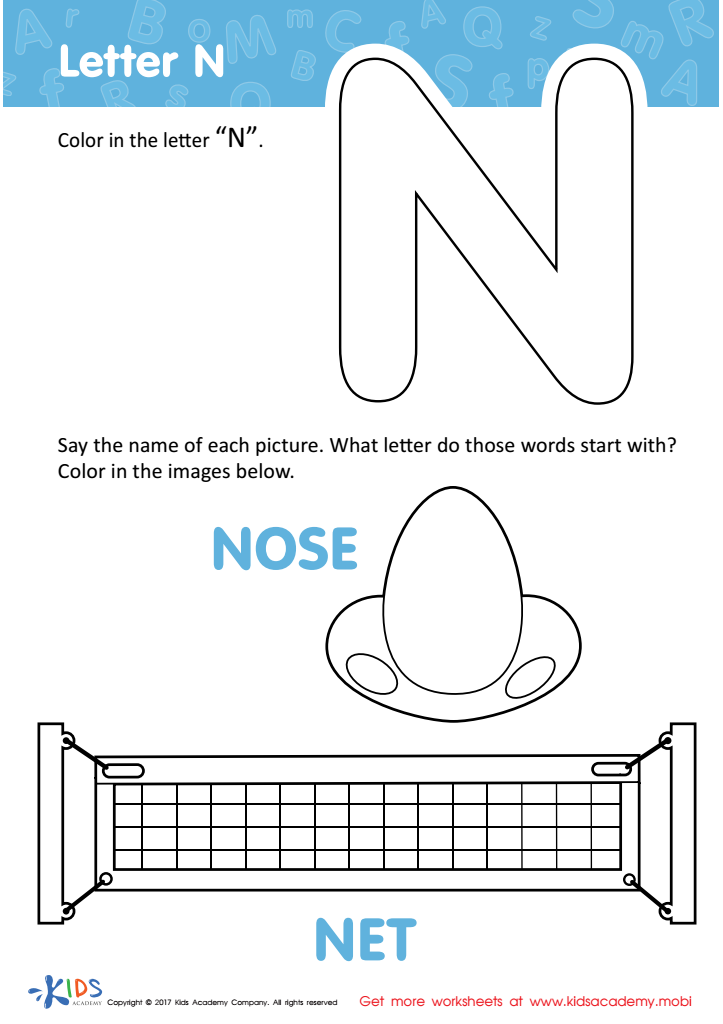
Letter N Coloring Sheet
Assign to My Students
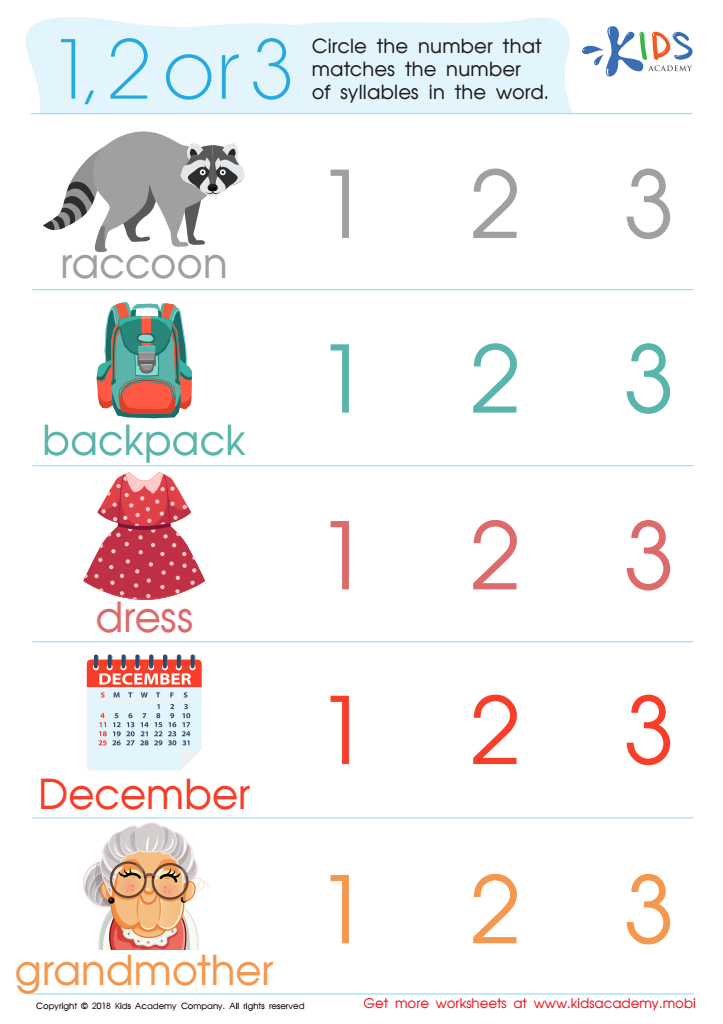
1, 2 or 3? Worksheet

Letter D Tracing Page
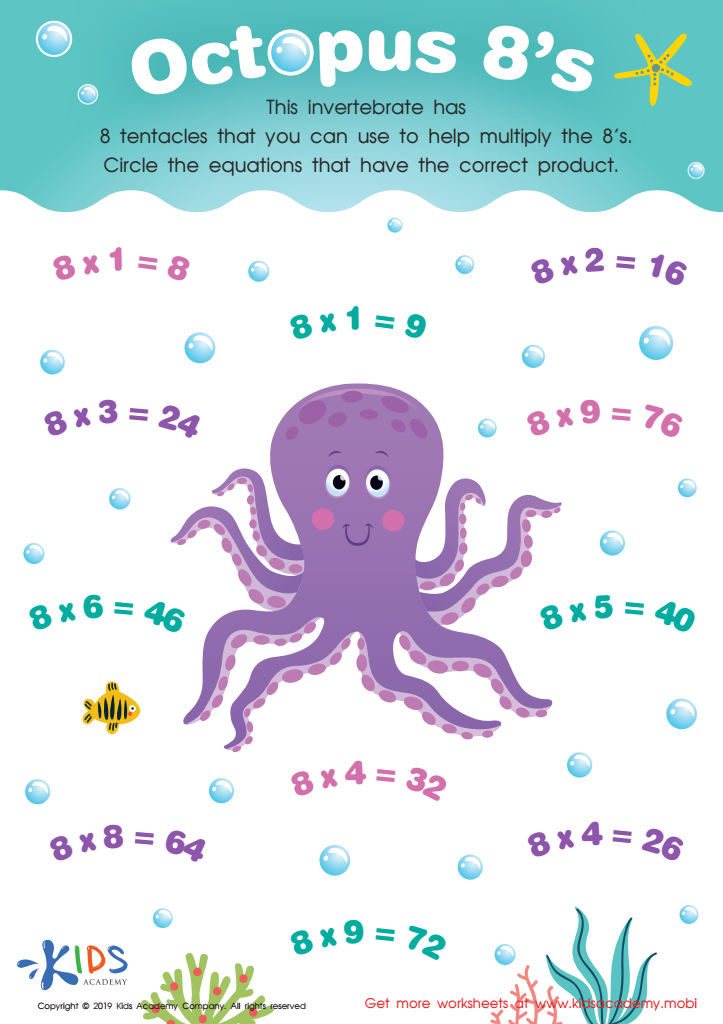
Octopus 8’s Worksheet
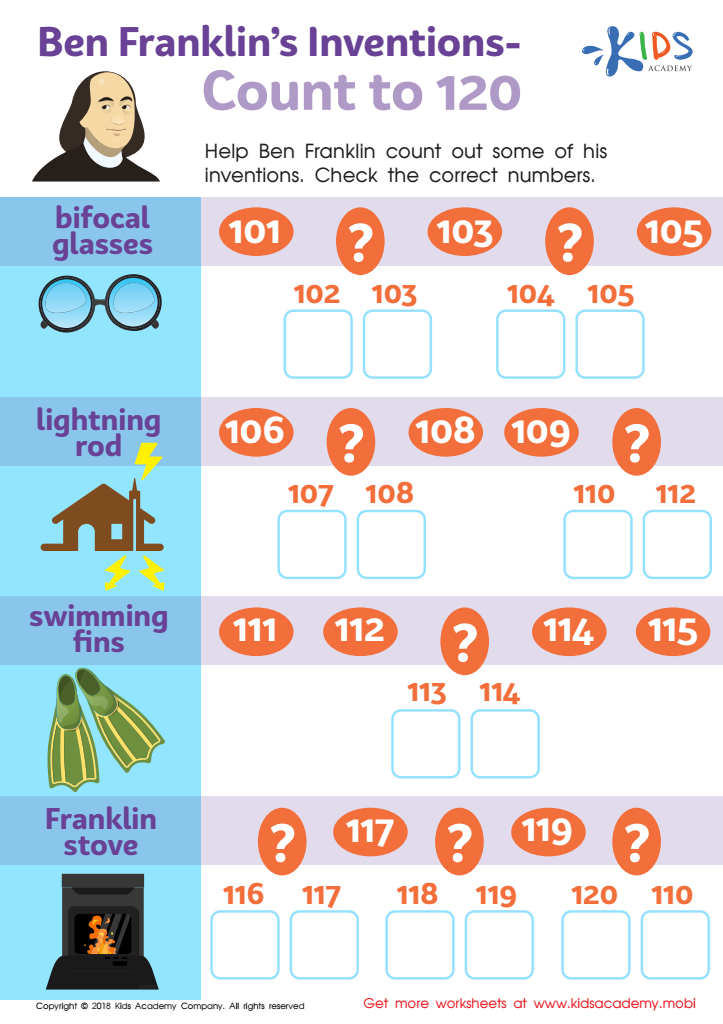
Ben Franklin’s Inventions – Count to 120 Worksheet


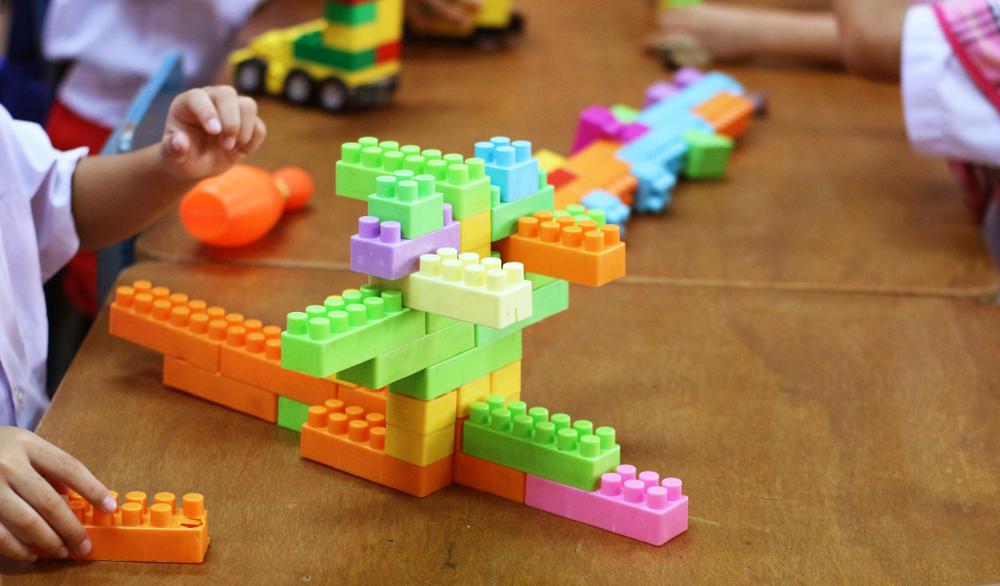




Fine motor skills are crucial for children aged 7-8 as they significantly influence their daily activities and overall development. At this stage, children engage in more complex tasks requiring precise hand-eye coordination and dexterity, such as writing, drawing, and crafting. Mastering these skills supports academic success, as children need to produce legible handwriting and navigate tools effectively in class.
Moreover, strong fine motor skills enhance a child's ability to perform self-care tasks, such as buttoning clothes or tying shoelaces, fostering independence and confidence. Teachers and parents should recognize that delays in fine motor skill development could lead to difficulties in learning and reduced self-esteem. By prioritizing activities that strengthen these skills—such as using scissors, building with small blocks, and engaging in arts and crafts—adults can promote children’s cognitive and social growth.
Additionally, fine motor skills are linked to brain development, helping to improve problem-solving and critical thinking. Therefore, nurturing fine motor skills in children aged 7-8 is essential for their overall well-being, encouraging both academic and personal success as they progress in their educational journey. Recognizing their importance can lead to better support strategies from both teachers and parents.








