
Strategic thinking Normal Worksheets for Ages 7-8
3 filtered results
Difficulty Level
Grade
Age
-
From - To
Subject
Activity
Standards
At Kids Academy, discover a wealth of Strategic Thinking Worksheets designed specifically for ages 7-8. These engaging worksheets focus on fostering essential problem-solving skills, critical thinking, and logical reasoning. Through fun, interactive exercises, children can enhance their ability to plan, analyze, and execute strategies effectively. Our worksheets align with educational standards, ensuring your child builds a strong foundation for future academic success. Perfect for classroom or home use, each activity is created to challenge young minds while keeping learning enjoyable and stimulating. Boost your child’s cognitive development with Kids Academy's expertly curated Strategic Thinking Worksheets today!
Favorites
With answer key
Interactive
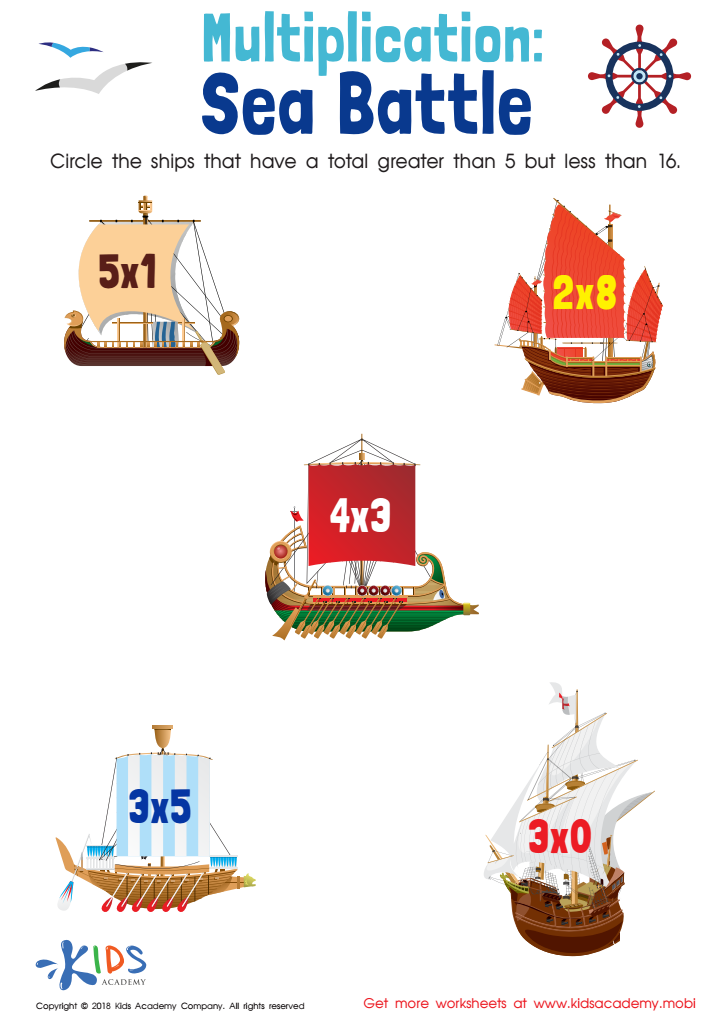
Sea Battle: Multiplication Worksheet
Test your child's math skills and give them an exciting adventure with our Sea Battle: Multiplication Worksheet. Have them solve the multiplication problems on each ship's sail then circle the answers between 5 and 16. An entertaining way to boost their math skills!
 Assign to My Students
Sea Battle: Multiplication Worksheet
Worksheet
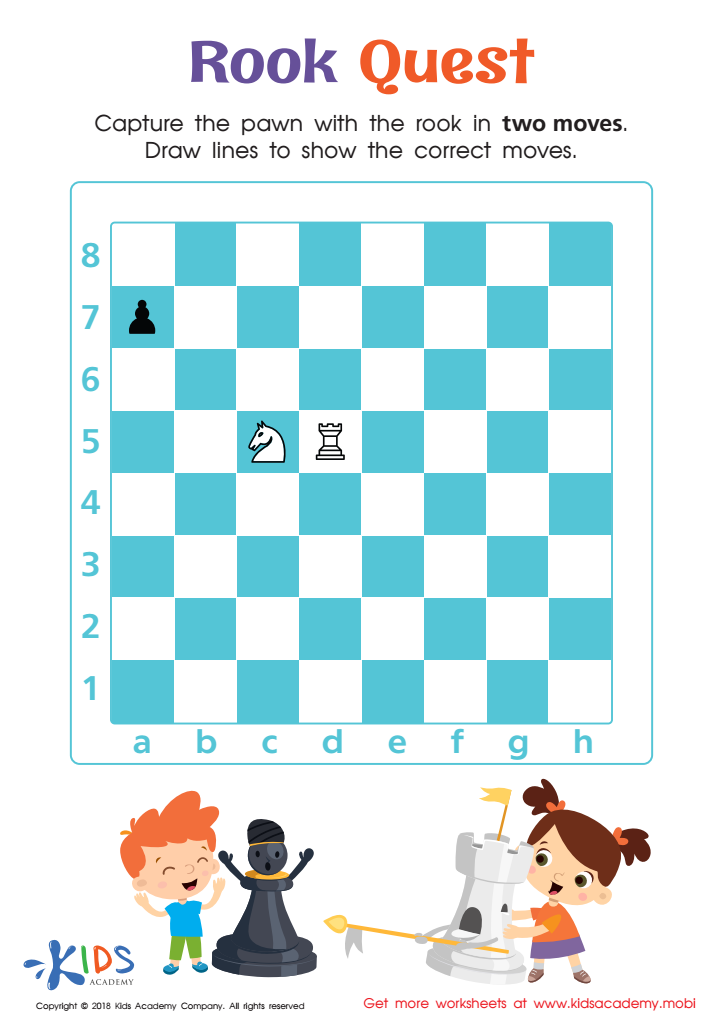
Rook Quest Worksheet
Is your child a chess whiz? Check their progress with this rook quest: get the enemy's pawn piece in just two moves. Have them draw the lines for the moves they'll make. See how quickly they master it!
Rook Quest Worksheet
Worksheet
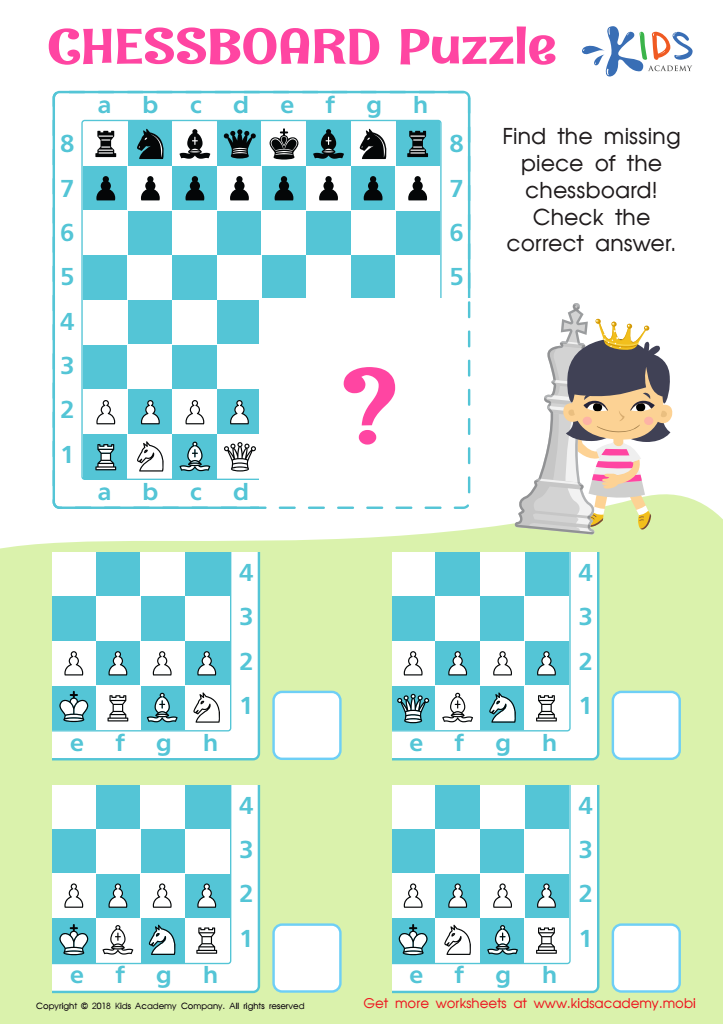
Chessboard Puzzle Worksheet
Test your child's chess prowess with this simple worksheet. They must find the missing pieces to complete the white side of an empty chessboard. The black pieces are already arranged properly on the board. Correct answers are provided so you can see how they did!
Chessboard Puzzle Worksheet
Worksheet
Join Kids Academy for Free
Who is primarily going to use this learning content?






Strategic thinking is crucial for children aged 7-8 as it forms the foundation for problem-solving and decision-making skills that will benefit them throughout their lives. At this developmental stage, children are transitioning from basic understanding to more complex cognitive processes. Fostering strategic thinking helps them learn to plan, anticipate consequences, and adapt to new situations. This not only enhances their academic learning but also improves their social interactions and emotional resilience.
For parents, cultivating strategic thinking can significantly affect how their children approach daily challenges, whether in school or personal life. It promotes independence and confidence as children begin to solve problems on their own, turn ideas into actions, and learn from their experiences. When children think strategically, they are more likely to set goals, sequence steps to achieve them, and reflect on outcomes.
Teachers benefit from encouraging strategic thinking by creating a more dynamic and interactive learning environment. Students who engage in strategic thinking are more likely to participate actively in their education, ask insightful questions, and exhibit curiosity. This detailed approach to learning encourages deeper understanding rather than rote memorization.
Therefore, nurturing strategic thinking in young children sets the pathway for critical life skills, fostering better learners and proactive individuals.








