Problem-Solving Skills Normal Addition & Subtraction Worksheets for Ages 7-8 - Page 2
31 filtered results
-
From - To
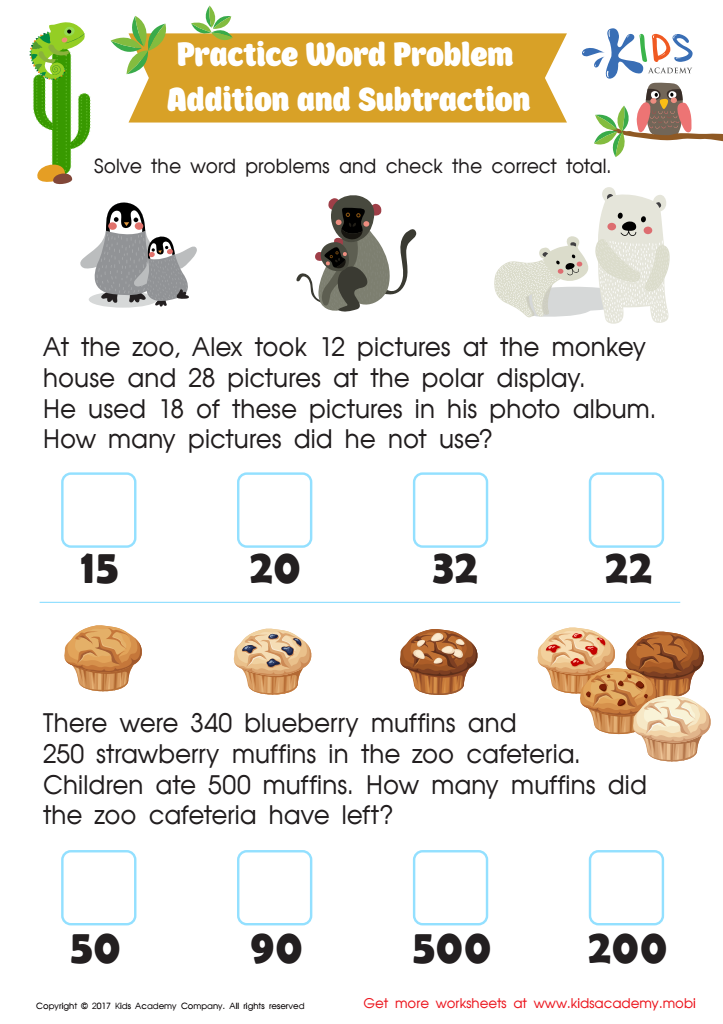
Addition and Subtraction: Word Problems Worksheet
 Assign to My Students
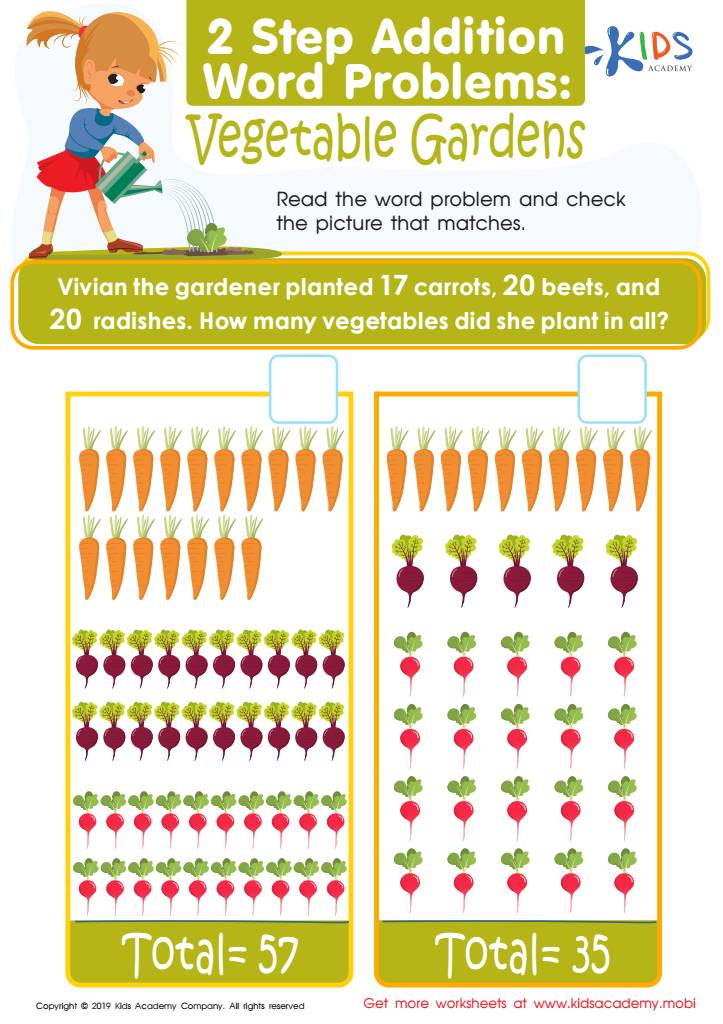
Vegetable Gardens Worksheet
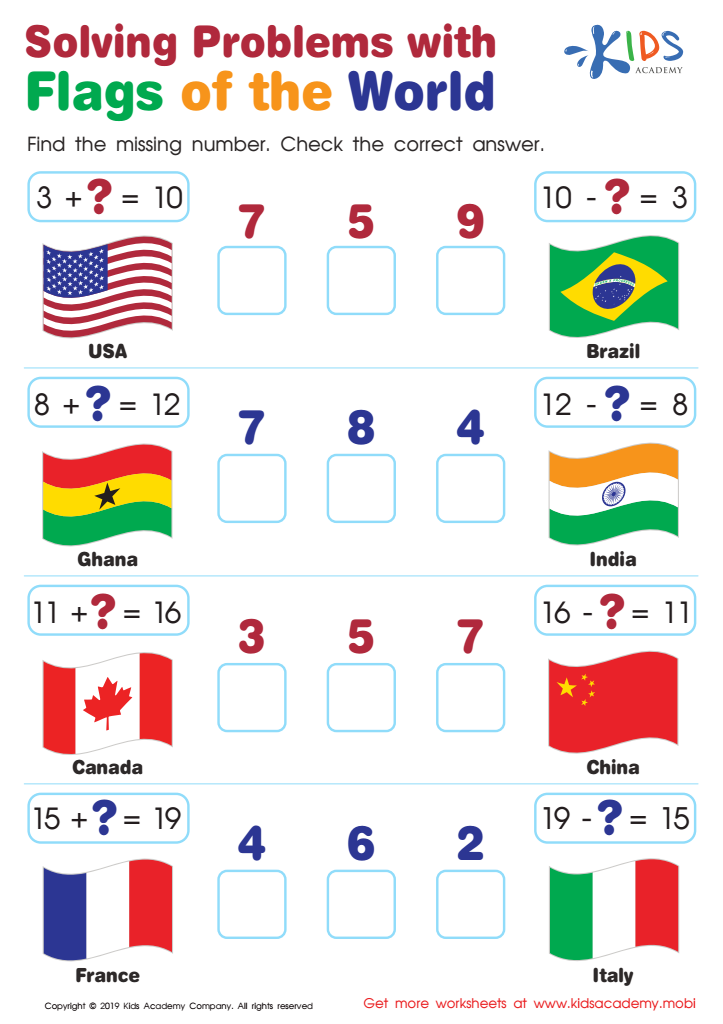
Solving Problems with Flags of the World Worksheet
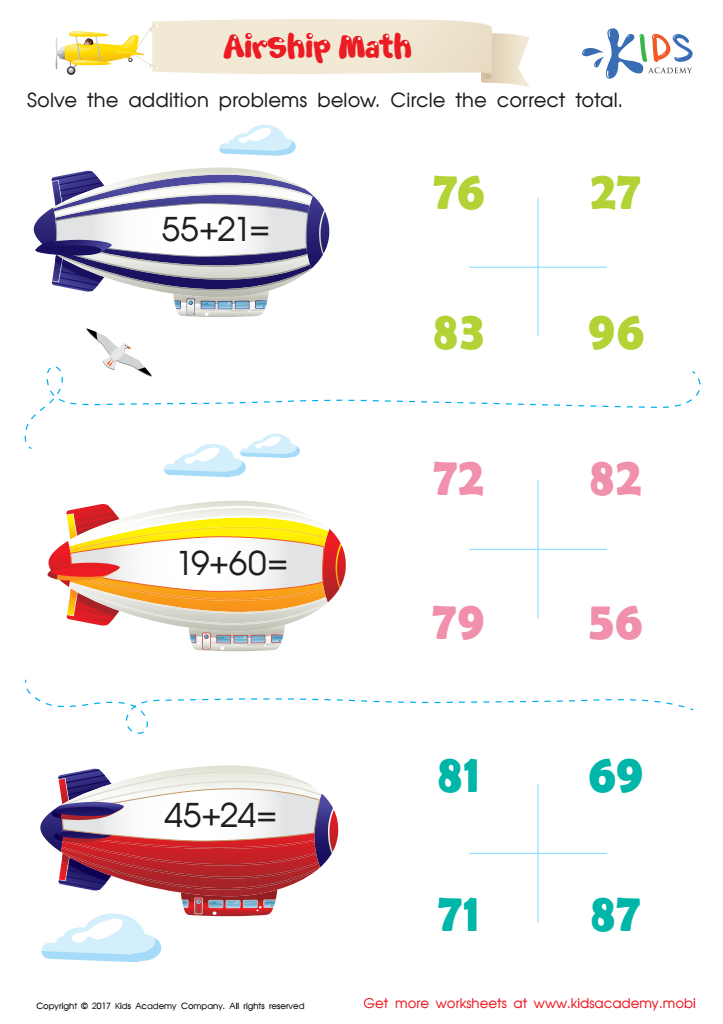
Airship Math Addition Printable
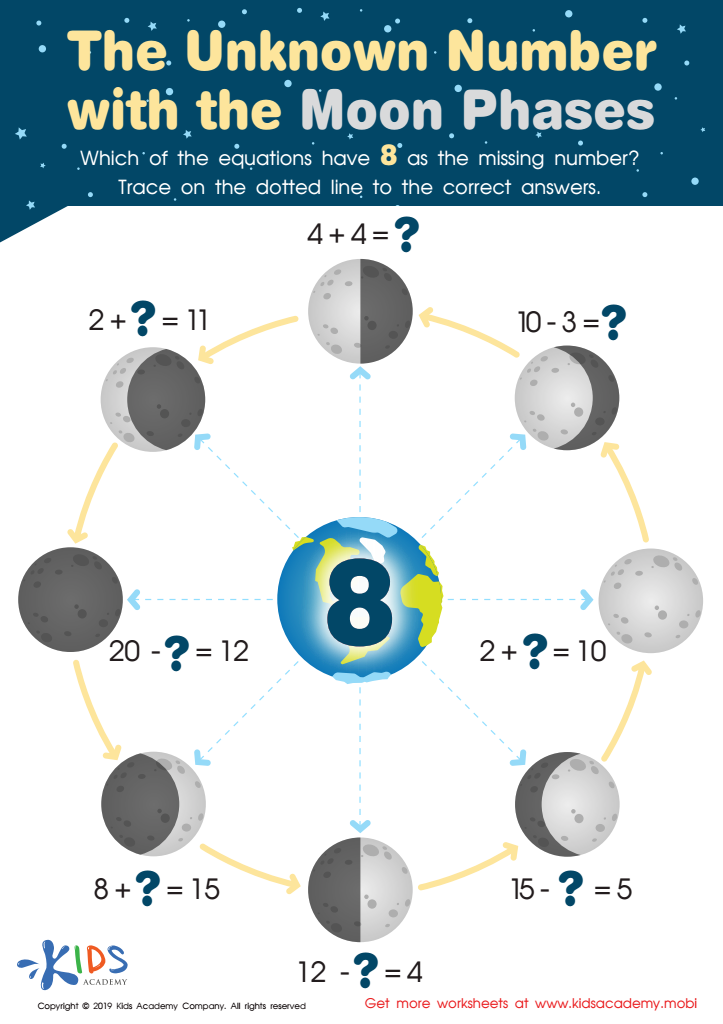
The Unknown Number with the Moon Phases Worksheet
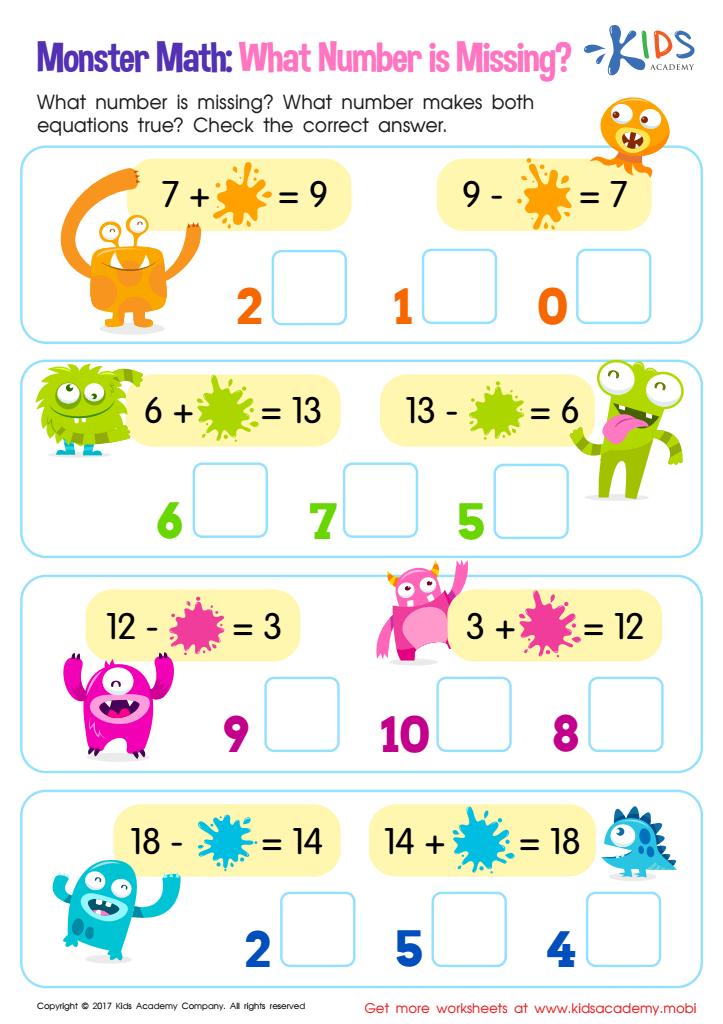
Missing Number: Monster Math Worksheet
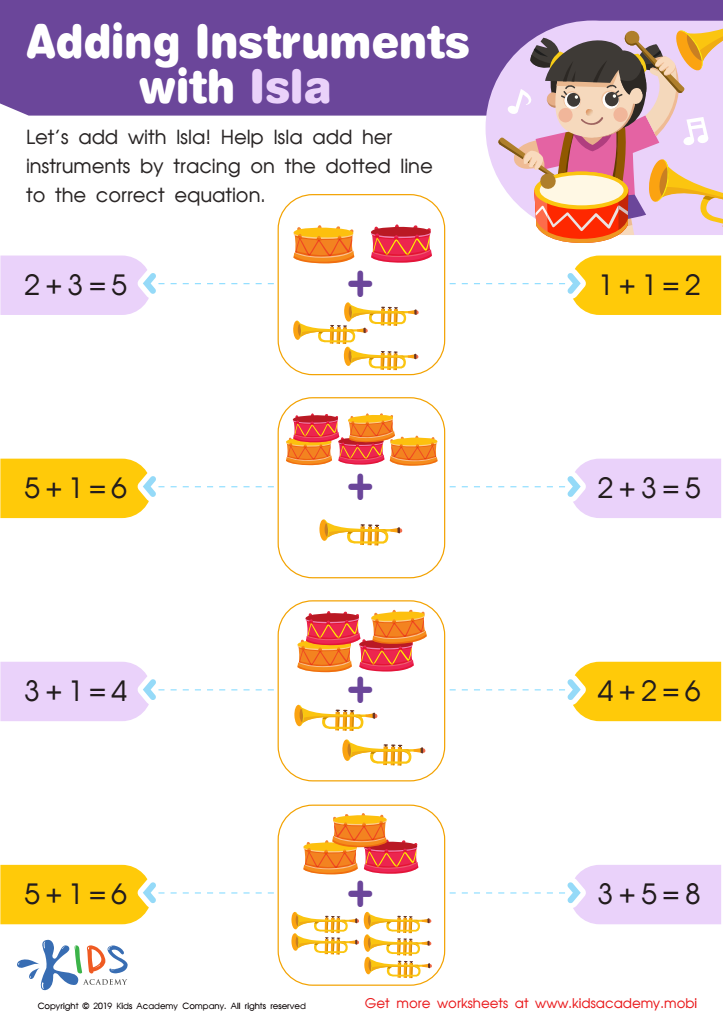
Adding Instruments with Isla Worksheet








Parents and teachers should prioritize developing problem-solving skills in normal addition and subtraction for children ages 7-8 because these foundational skills significantly influence overall mathematical proficiency and critical thinking abilities. At this age, children transition from basic arithmetic to more complex problem-solving tasks. Nurturing their ability to approach mathematical problems logically equips them with tools necessary for academic success across various subjects.
Effective problem-solving in addition and subtraction encourages kids to understand the concepts behind calculations rather than merely memorizing procedures. This comprehension fosters a growth mindset, encouraging students to tackle challenges with resilience. As children engage with real-world mathematical scenarios—like budgeting, planning a party, or dividing snacks—they become adept at applying math to everyday life, making learning relevant and practical.
Additionally, strong problem-solving skills help improve children’s analytical thinking, promoting persistence, creativity, and collaboration during group activities. Emphasizing these skills nurtures a love for mathematics, alleviating math anxiety and building confidence.
Incorporating engaging activities, such as games and storytelling with math problems, helps make learning enjoyable and memorable. Fostering proficiency in normal addition and subtraction empowers children with the skills necessary for future academic challenges and life skills, making it a vital focus for parents and educators alike.








